AI NOT: Whether you like it or not, generative AI is quickly gaining traction among game developers. Even the upcoming remake of the original Tomb Raider is reportedly using generative AI in some form, although potential issues are expected to be resolved by the end of development.
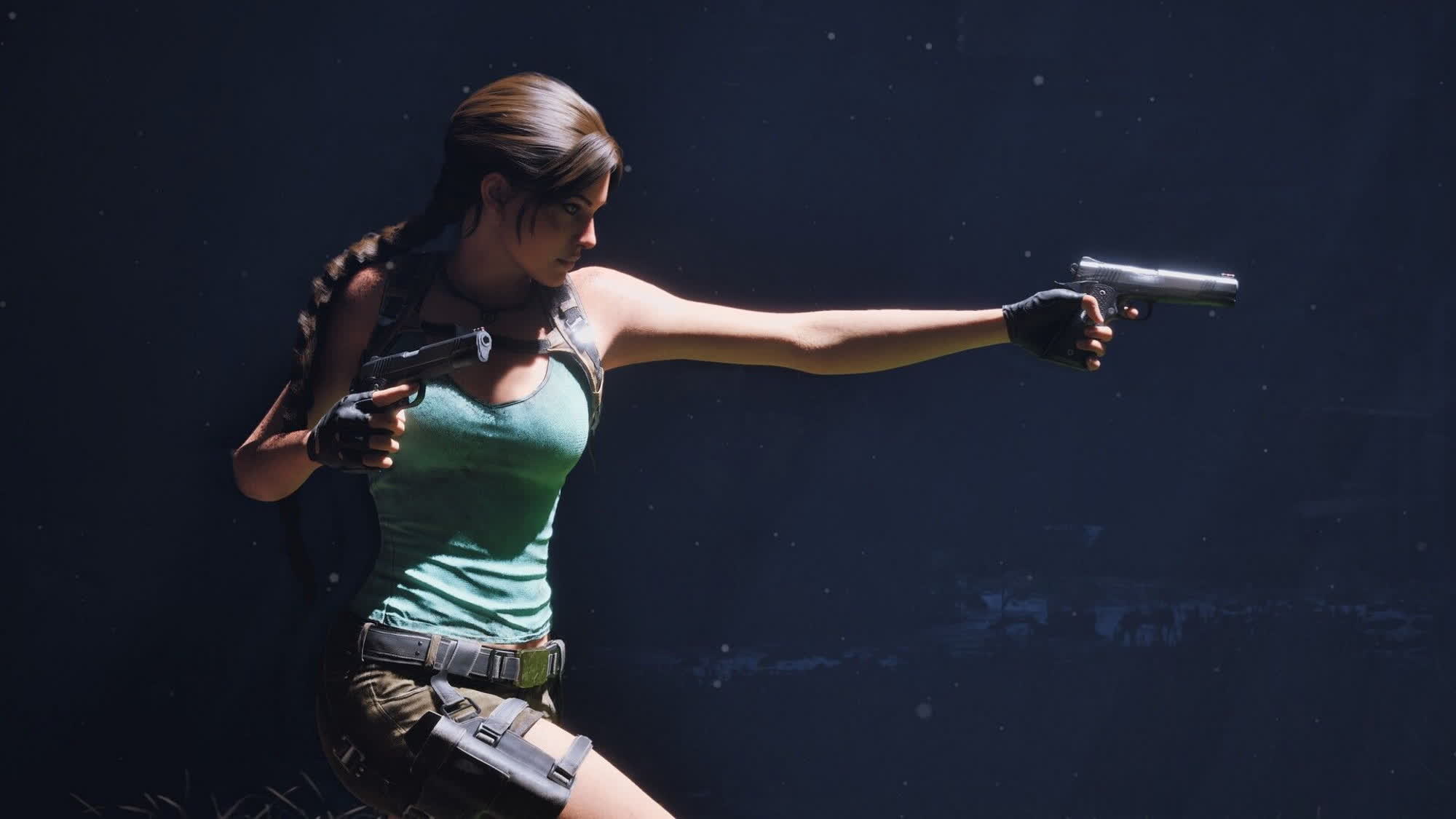
During its latest State of Play showcase for upcoming PlayStation games, Sony shared a new trailer for Tomb Raider: Legacy of Atlantis. The second remake of Tomb Raider will bring back Lara Croft's classic attire on modern platforms, alongside reimagined puzzles and visually upgraded locations.
After the game's formal reveal, the Tomb Raider Steam page was updated to include a new AI-related disclaimer. The refreshed page states that Legacy of Atlantis's development was assisted by AI tools, which were used to generate temporary assets and assist with early exploration. The AI-generated assets were later replaced or refined by human artists to align with the game's creative vision.
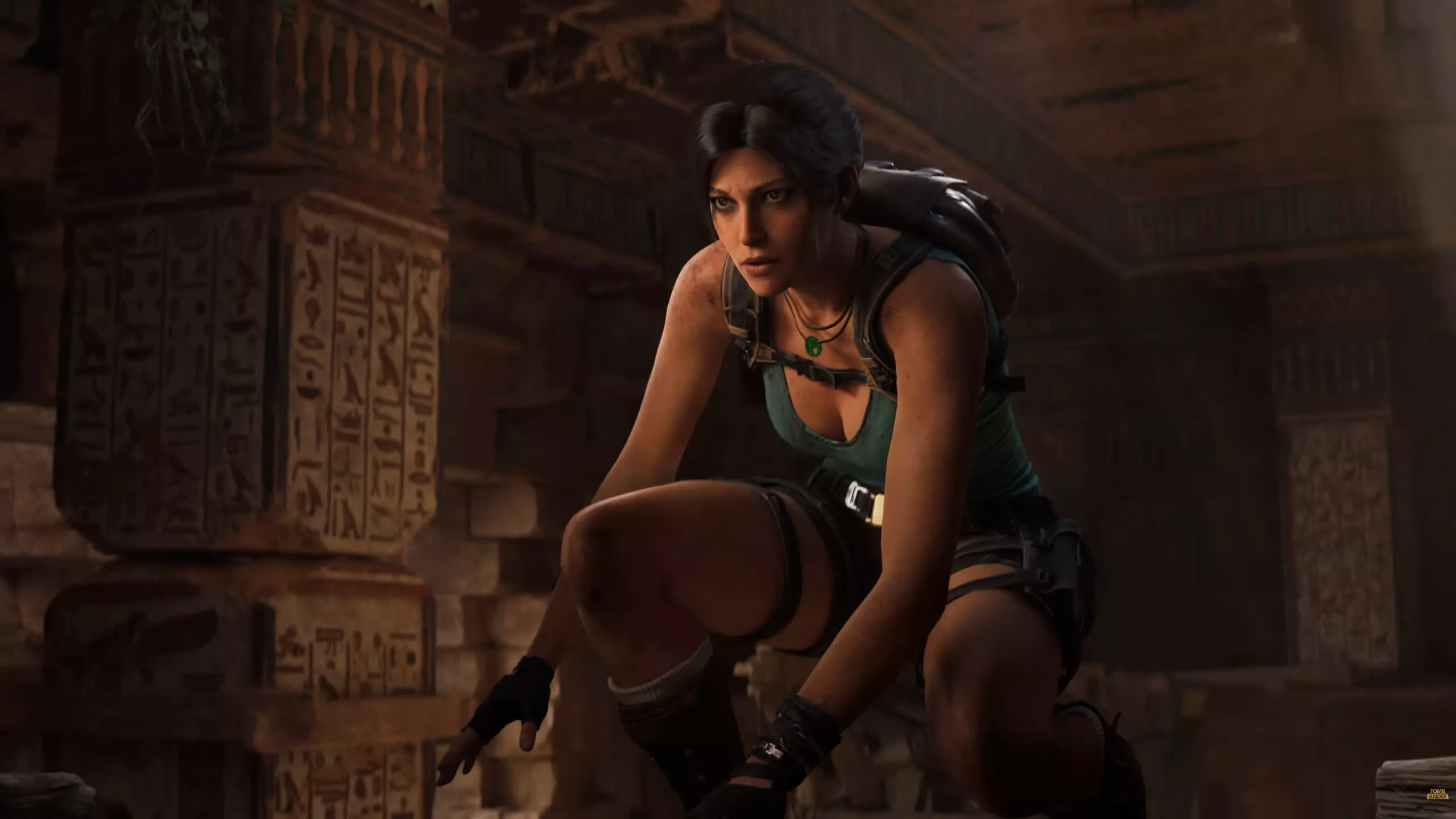
Crystal Dynamics later confirmed that the studio used generative AI tools.
"Our goal is to empower the creativity and flexibility of our developers to deliver the highest-quality experiences for players everywhere," the California-based studio said.
The growing popularity of generative AI among game developers is proving to be a contentious issue. Some prominent designers, such as Tim Sweeney, believe AI will be part of all future productions, arguing there is no need for disclosure in such cases. Meanwhile, Cyberpunk 2077 and The Witcher 3 director Konrad Tomaszkiewicz has said that generative AI can only be used to create soulless, tasteless games.
The ability of developers to fully remove generative AI assets from their projects is also becoming a point of controversy. A few months ago, Pearl Abyss was forced to apologize to players for leaving "temporary" AI-generated assets in the final version of Crimson Desert. Tomb Raider developers could face a similar situation if any generative AI content is inadvertently left behind, potentially drawing criticism from players.
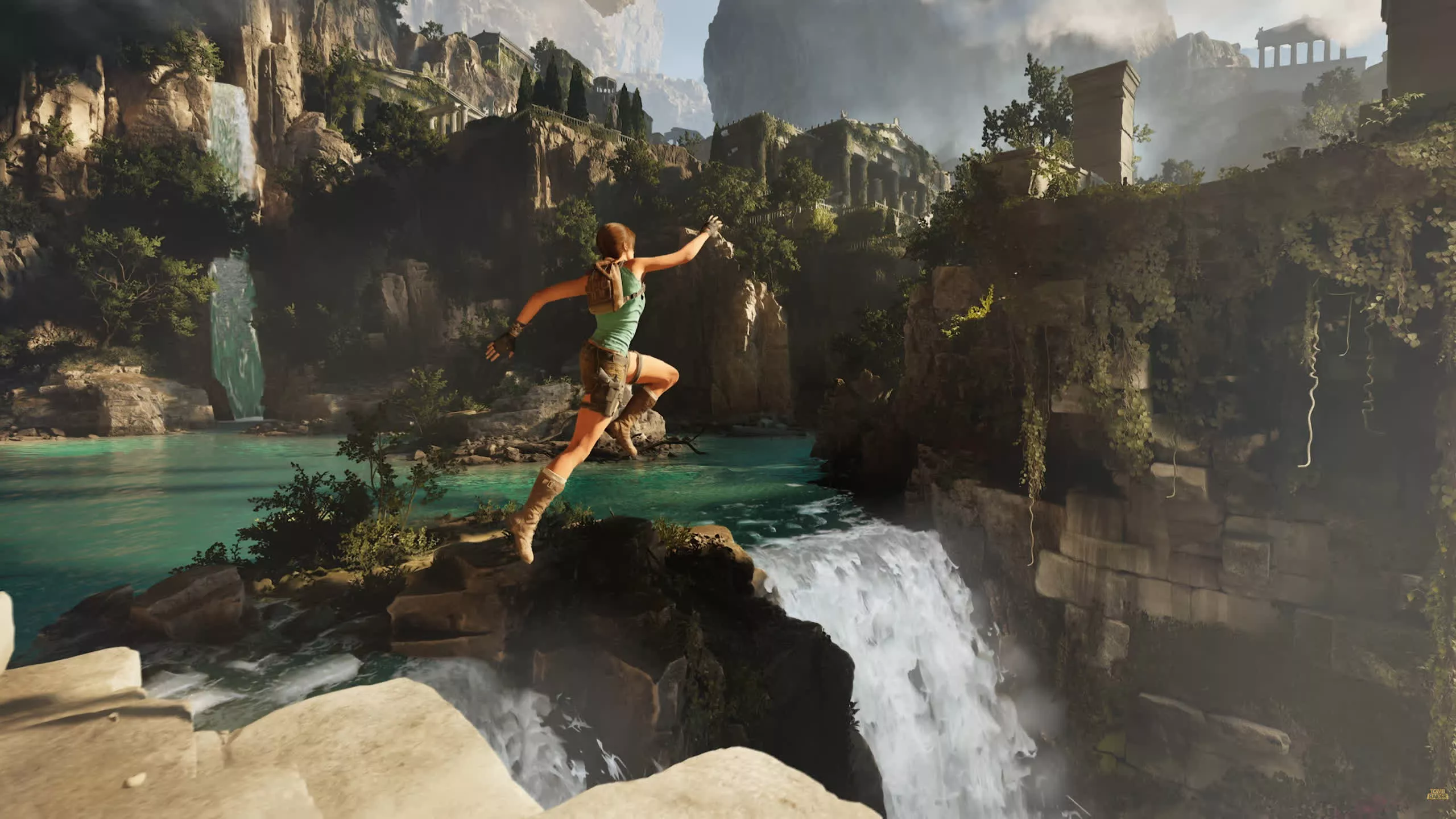
Tomb Raider: Legacy of Atlantis is the second remake of the original entry in the series, which debuted in 1996. Co-developed by Crystal Dynamics and Flying Wild Hog, the new game appears visually rich and aims to introduce the original Lara Croft persona to a new generation of players.
Crystal Dynamics previously revisited the same game in 2007 with Tomb Raider: Anniversary, before generative AI was a factor.


 Full control in that regard.


