
Facepalm: Most people know that, along with medical advice, planning a mountain climb is another item on the list of "things you really shouldn't ask AI about." A group of climbers discovered this the hard way when Gemini told them climbing Mount Shasta in Siskiyou County, California, would take a mere eight hours. The result was a 16-hour climb to the summit, a dead phone battery, and a sense of relief that things didn't go even worse.
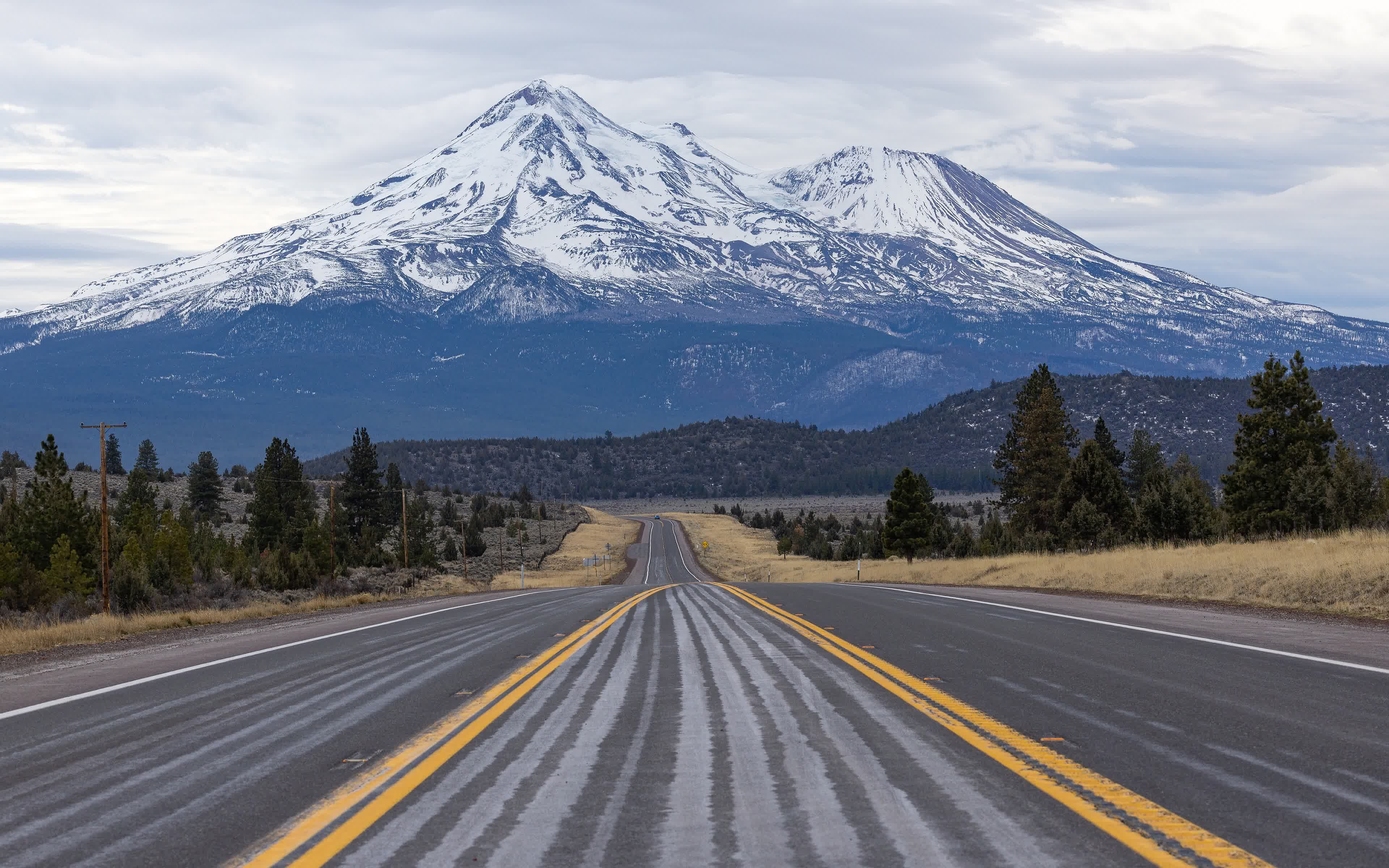
The climbers said they used Google Gemini, YouTube, and AllTrails to prepare for the trip. In addition to using the AI for route research, the group also relied on the chatbot for food and water recommendations.
Gemini said to pack simple carbohydrates instead of fats for the eight-hour climb as fats "take too long to digest." Following this advice, the climbers carried enough water for what they believed was a comparatively short climb.
On August 29, the three young climbers set up a base camp near Clear Creek's head springs, which SFGate notes is prohibited, and started climbing at 3 am the following day.
Sixteen hours later, at 7 pm on August 30, the group reached the summit, long past the recommended turnaround time of 12 pm.
Things only got worse from there. The phone they were using to access the AllTrails app for directions ran flat. It was dark, which caused one of the climbers, who was conserving the battery power on their headlamp, to fall and hurt their knee at around 11,500 feet.
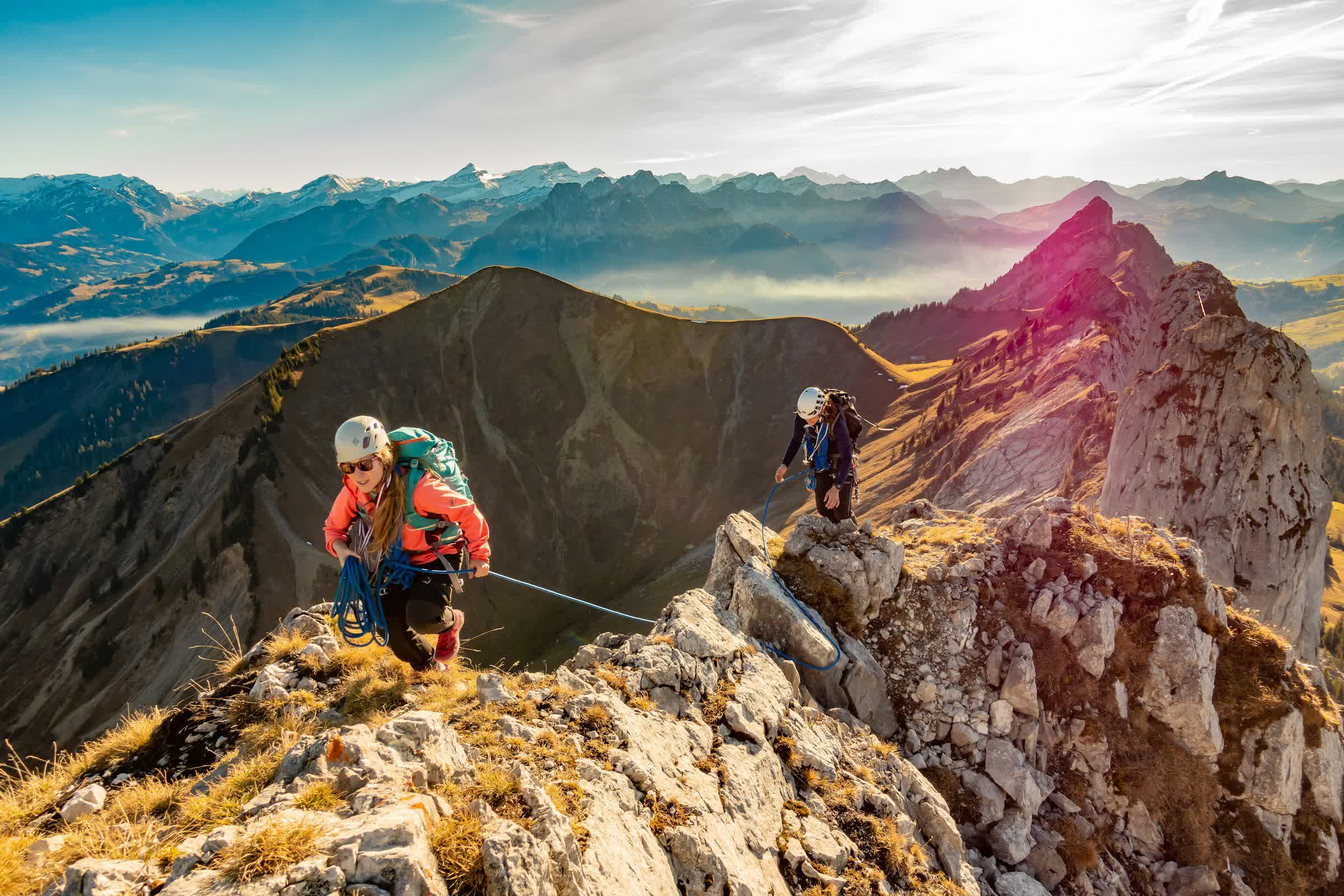
AI's version of a ten-minute hike requiring only sandals
Worried about a lack of rations, water, warm clothing, and shelter to stay the night on the mountain, the climbers rang 911 to ask for directions. It took until 9:30 am on August 31 for forest rangers to finally reached them, as strong winds prevented two attempted helicopter hoists.
"We relied too much on AI rather than our own critical thinking," the climbers later told rangers.
There are plenty of stories involving people taking advice from a chatbot and regretting their decision. One of the more recent was a farmer who took weed and pest control instructions from a chatbot, resulting in the death of 25 acres of crops.
There was also the man who developed a 19th-century psychiatric disorder after following ChatGPT's diet advice, and the 19-year-old who was allegedly given personalized advice about drug use by ChatGPT, which recommended a lethal combination of substances before his death.


