Ripple effect: The uncertainty facing computer science graduates highlights a broader shift in how expertise, adaptability, and technological fluency will shape employment prospects. For universities, employers, and students, the once predictable pathway through computer science has given way to ambiguity, sparking renewed debate over what it truly means to prepare for the future.
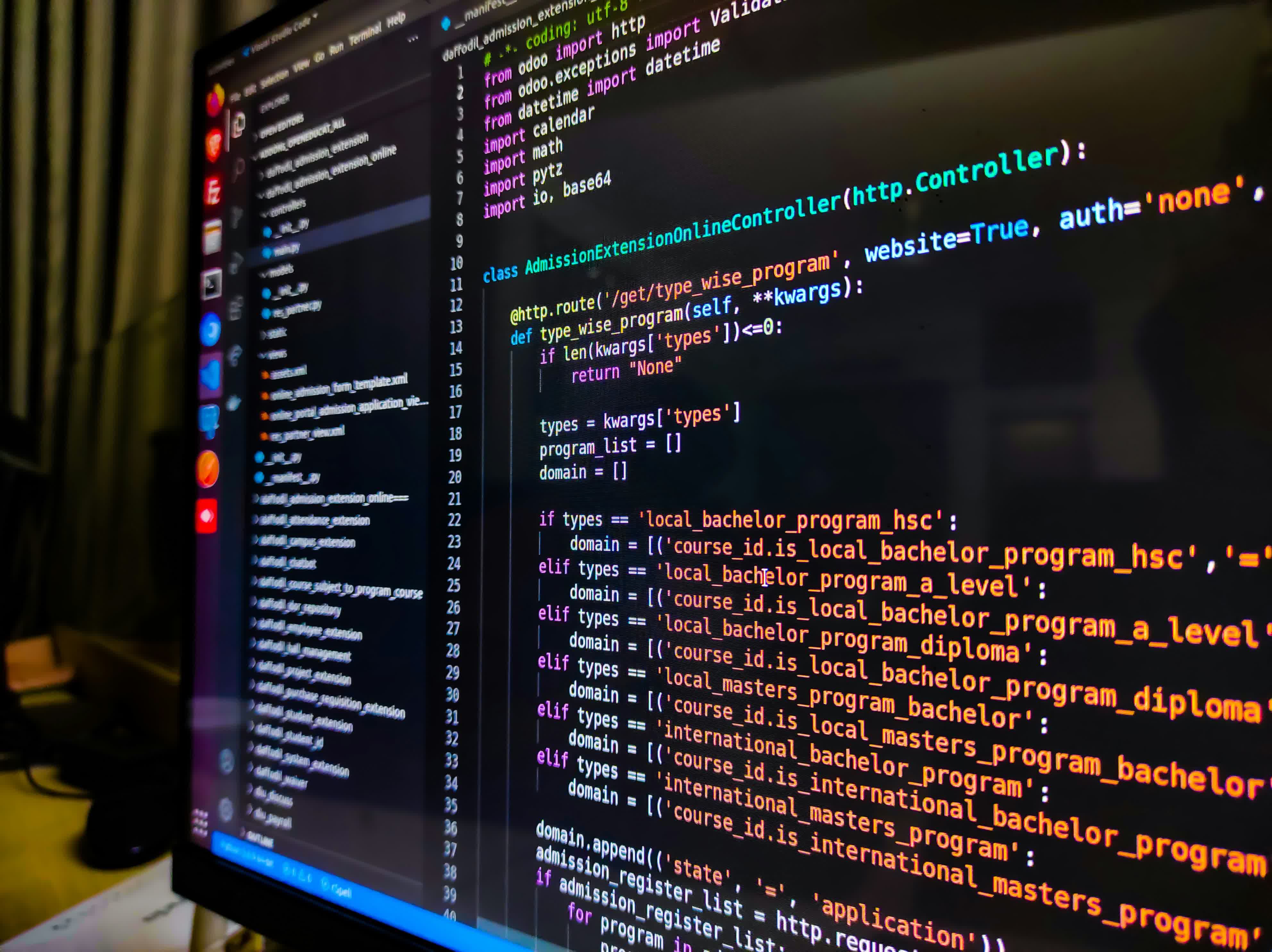
A dramatic shift in computer science careers is challenging assumptions that once seemed unshakeable. At the heart of this upheaval are students and universities that, just a few years ago, were at the center of booming demand.
Back then, we published an article titled "Computer science classes have become so popular that universities can't find enough professors to teach them," noting – somewhat ironically – that the hardest part of college shouldn't be simply registering for classes. Today, the reality for computer science graduates looks starkly different.
During a recent episode of Nova's Particles of Thought podcast, UC Berkeley professor Hany Farid described how rapidly conditions have changed for those pursuing computer science, drawing on his direct experience with students at one of the country's leading programs.
"For people like your son, by the way, who four years ago were promised, go study computer science, it's going to be a great career. It is future-proof – that changed in four years," Farid told astrophysicist and podcast host Hakeem Oluseyi, whose son is among those struggling to find work in the field. "That is astonishing," Farid added.
While artificial intelligence is often cited as the primary disruptor, Farid cautioned against oversimplifying the situation. "Something is happening in the industry," he said. "I think it's a confluence of many things. I think AI is part of it. I think there's a thinning of the ranks that's happening, that's part of it, but something is brewing."
At Berkeley, Farid said the change in student outcomes has been dramatic. Where undergraduates once routinely received multiple internship offers and could choose from highly competitive post-graduation opportunities, today's cohort is happy to get one job offer. The expectation of high salaries and abundant options has given way to uncertainty, even as students complete degrees at top computer science programs.
The conversation within Silicon Valley increasingly draws attention to emerging trends like vibecoding. Companies at the forefront of artificial intelligence are driving and responding to these changes. OpenAI chairman Bret Taylor recently remarked that computer science education continues to offer significant value beyond technical skills, emphasizing foundational knowledge and conceptual thinking.
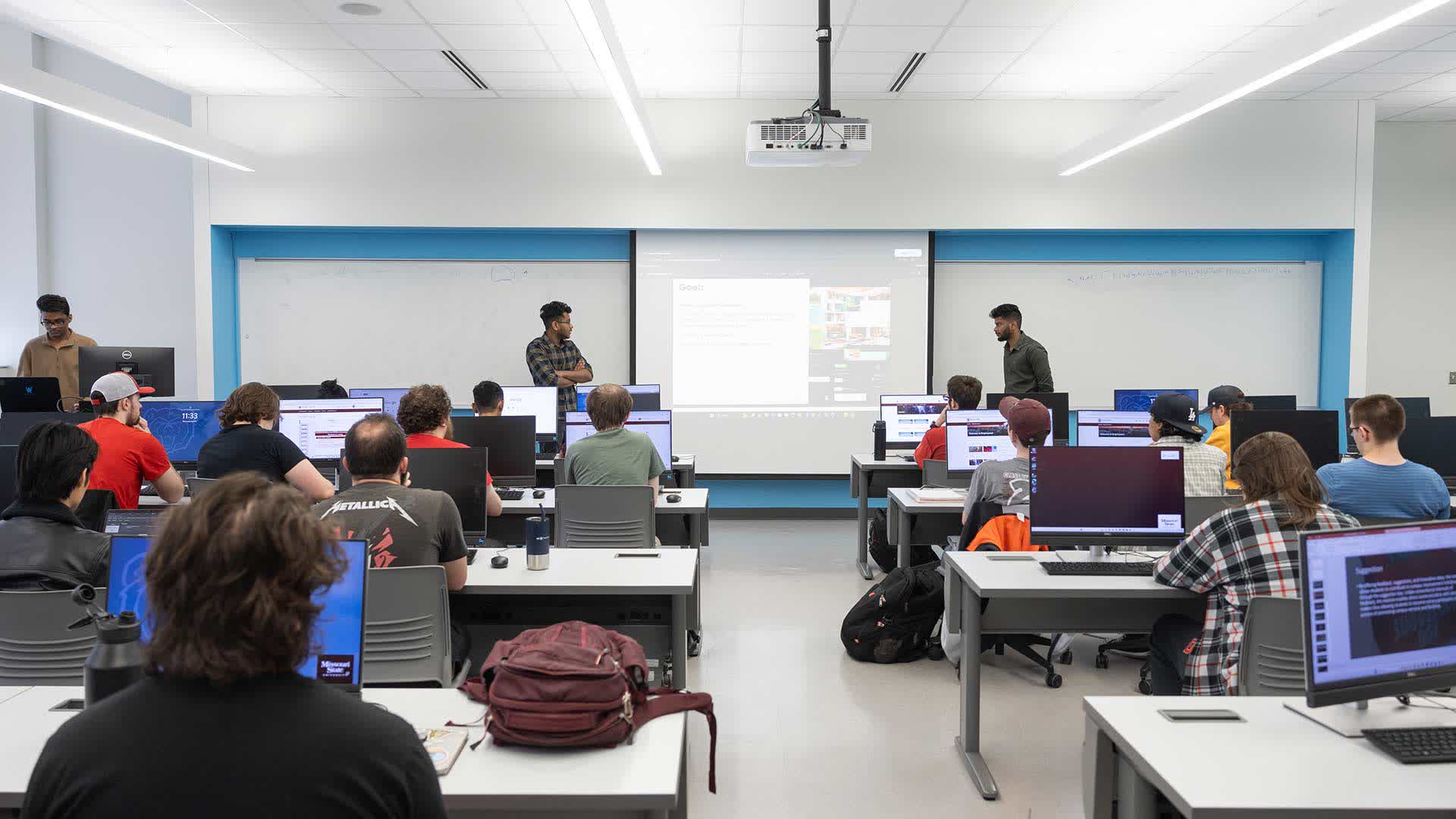
Expertise in niche disciplines once gave graduates a competitive edge. Now, Farid advocates for a different approach. Advising students today, he says, requires greater flexibility. In the past, he encouraged students to pursue a broad education that included subjects like physics, language, history, and philosophy – while also becoming deeply skilled in a single area. More recently, he has begun urging students to build competency across a range of fields, reflecting the uncertainty surrounding future career prospects.
As automation and generative AI continue to reshape expectations for technical careers, the challenge extends far beyond computer science alone. Farid suggested that those who embrace new technologies will be best positioned to succeed, regardless of their profession. "I don't think AI is going to put lawyers out of business, but I think lawyers who use AI will put those who don't use AI out of business. And I think you can say that about every profession," he said.
Computer science went from a sure bet to an industry in turmoil almost overnight


