The big picture: A growing fight over data center development is pulling in an unexpected group of critics: country music stars. In the past few weeks, artists including Brad Paisley, Tanya Tucker, Gavin Adcock, and Willie Nelson have all spoken out against new projects. While their politics vary, their concerns overlap. They are pushing back on how these facilities are being placed in or near rural communities.
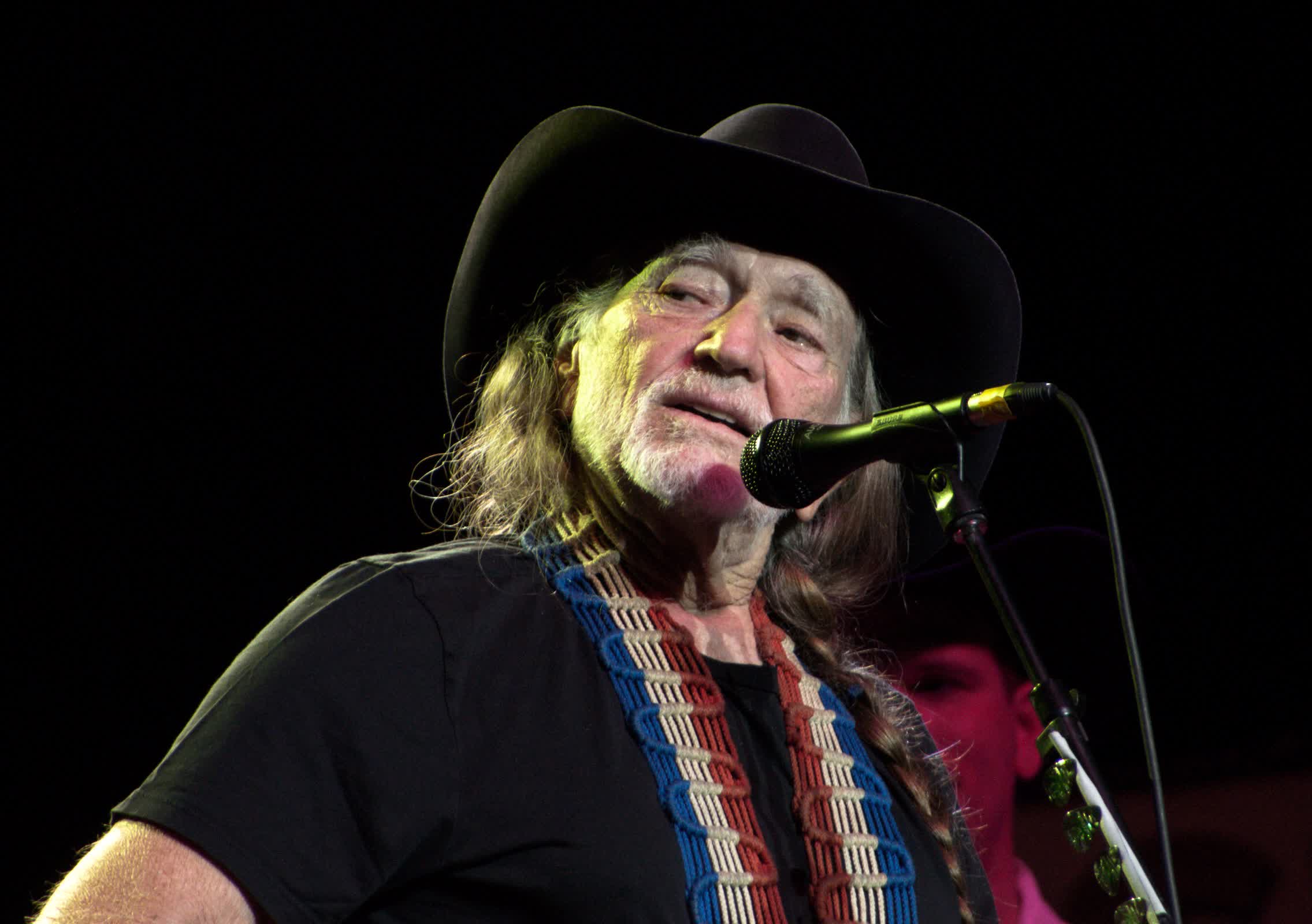
Paisley was among the first to draw attention to the issue, opposing a proposed data center in Nashville that would be located about 500 yards from the city's zoo. He criticized both the scale and the setting of the project. "It would be an enormous monstrosity, an absolute eyesore and detract in every way for not only that zoo, but also that area," Paisley wrote in a social media post urging people to sign a petition. Other artists quickly backed him, helping bring the issue into the wider spotlight
The conversation has since expanded beyond Tennessee. In Texas, where data center development is accelerating, Tanya Tucker warned about environmental strain tied to the projects. "It's going to hurt our health, our wildlife, our water table, our water resources," she posted. "It's going to scar our land forever." The scale of development is significant, with about 248 data centers planned across the state.
Gavin Adcock, who often takes a more confrontational tone, focused on the impact on rural communities. In a video posted online, he argued that farmers and landowners are being forced to deal with the downsides of projects driven by outside investors. "These people are getting punished for living in the country," Adcock said, pointing to pressure on land, water, and local resources.
Willie Nelson made a similar case, tying the issue to broader concerns about rural identity and land use. Writing about potential development near his hometown of Abbott, Texas, he said, "The last thing we need is a loud, water-thieving, light-polluting, data center anywhere near our town (or any others for that matter)." He continued, "The strength of rural America has never come from big industrial footprints. It comes from generations of people, open spaces, local businesses, and a connection to the land… let's not allow our own demise or give up control over necessary resources in the US and especially in Abbott."
The debate centers on the real-world demands of modern data infrastructure. Facilities built to handle AI workloads require large amounts of electricity, dense server capacity, and extensive cooling systems. Those cooling systems often rely heavily on water, which has become a major sticking point in areas already dealing with resource constraints.
Public opinion appears to be lining up with that concern. A Gallup poll in May found that only 7% of Americans strongly support building data centers in their communities.
Researchers say the resistance is less about rejecting technology and more about how it is being implemented. "Amid so much partisan division, opposition to data centers seems to be the thing that unites Americans right now," Megan Mullin of the UCLA Luskin Center for Innovation told Rolling Stone. "It's tempting to attribute this resistance to a growing wariness about technology and the titans who control it, but in reality it's rooted in the one thing that has always united Americans: our deep affinity for where we live."
For some artists, the issue also ties back to AI itself. Paisley tied the issue to broader concerns in the music industry, saying AI is already affecting artists and rights holders without their approval. He argued that the same lack of consent applies to the proposed data center near the zoo, where he said the people most affected were not being given a real say.
Not everyone in the industry has taken a clear position. John Rich, who was recently appointed "Special Envoy for American Landowners" by President Trump, suggested there may be a middle ground. He echoed a line he attributed to Secretary of Agriculture Brooke Rollins, saying there is a proper way to build a data center and an improper way to do it, while suggesting that more guidance from Washington may be coming soon.
Country music stars unite against data centers spreading across rural America