
Forward-looking: The prediction that AI-controlled armies will one day battle each other without human intervention keeps looking less like fantasy. Shipbuilder Navantia has just unveiled a new design for an entirely uncrewed warship that could operate alongside traditional naval vessels, acting as a robotic escort for the UK's planned "hybrid navy" of crewed ships, autonomous systems, and drones.
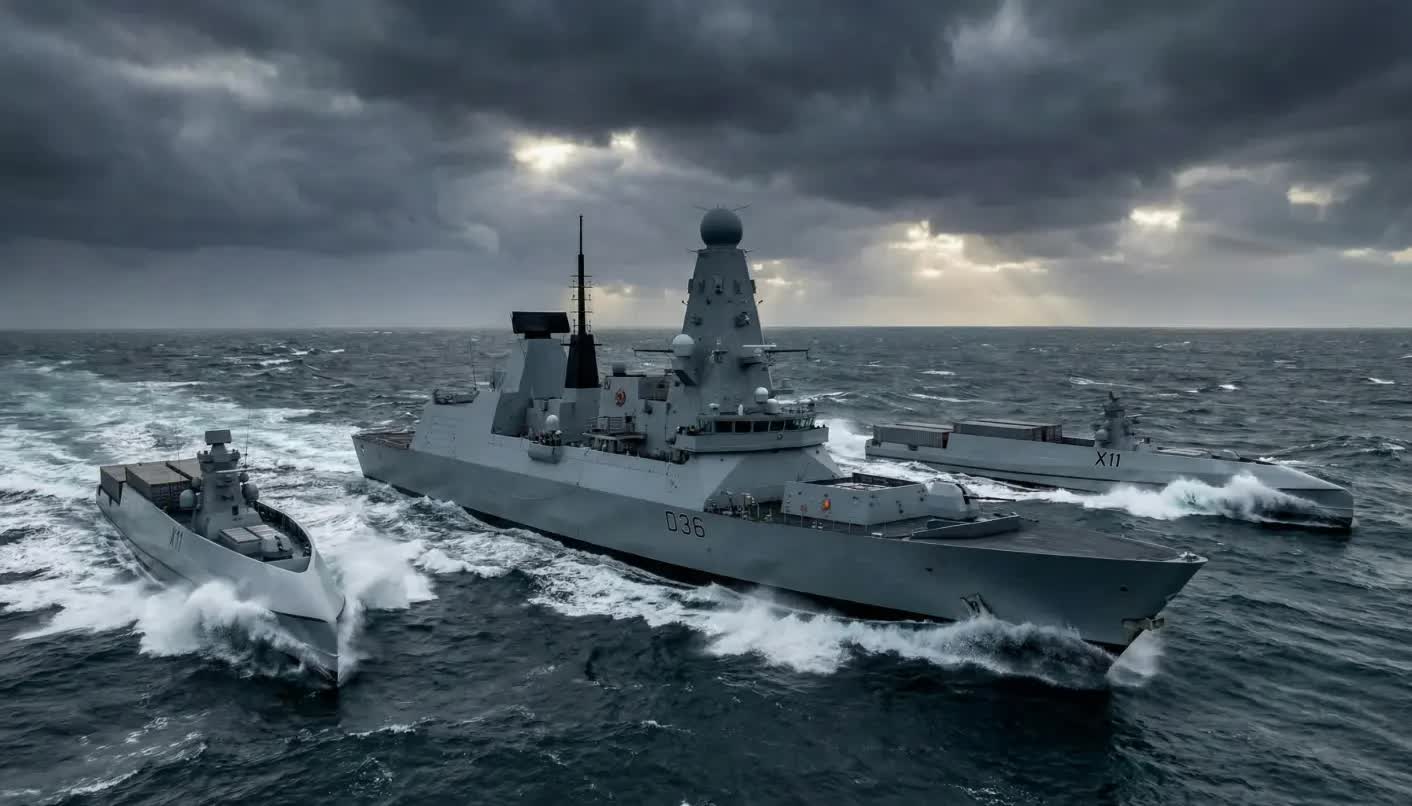
Developed by Navantia's UK arm, the Large Autonomous Surface Vessel 75, or LASV75, is aptly named. It's a 75-meter-long surface vessel designed from the keel up to operate without a crew. That puts it at roughly half the length of a Type 45 destroyer and closer to a River-class patrol ship, with a displacement of about 1,000 tonnes.
Navantia says the LASV75 is intended to provide persistent capability thanks to its size, range, and speed, while "smart modularity" allows the same hull to be configured for different missions. Those could include sensing missions, operational roles, or a combination of the two.
Promotional images show the ship carrying containerized payloads, a common way for navies to add sensors, missiles, drone-control systems, or other mission equipment without redesigning an entire vessel.
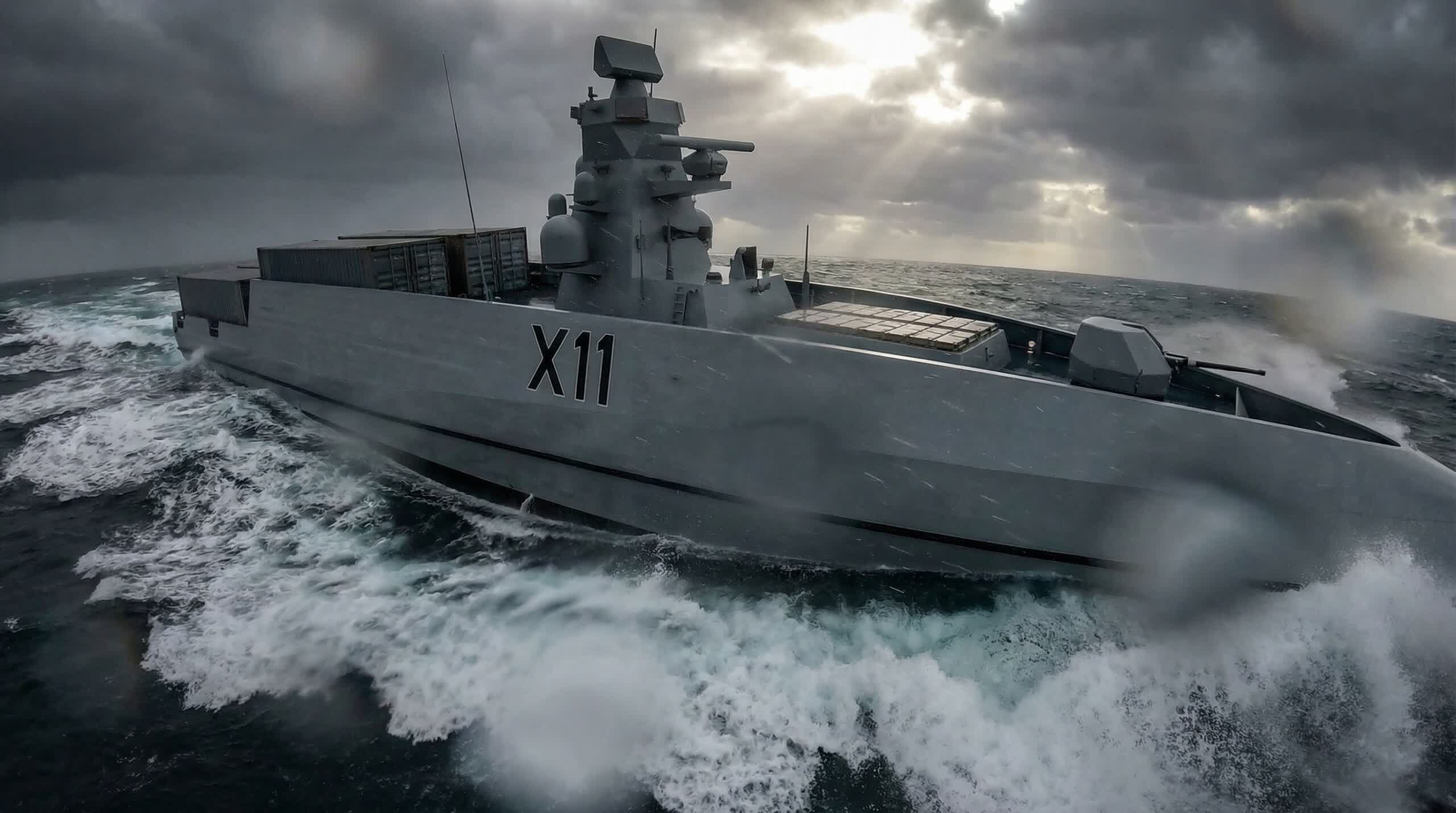
The company is pitching the concept as cheaper and faster to build than conventional crewed warships, though it's not given a price or construction timeline. The vessel also lacks traditional crew spaces and a bridge, while using Integrated Full Electric Power and Propulsion, meaning diesel generators power the electric motors and the ship's systems. Exhaust is routed at the waterline, which explains the apparent lack of funnels.
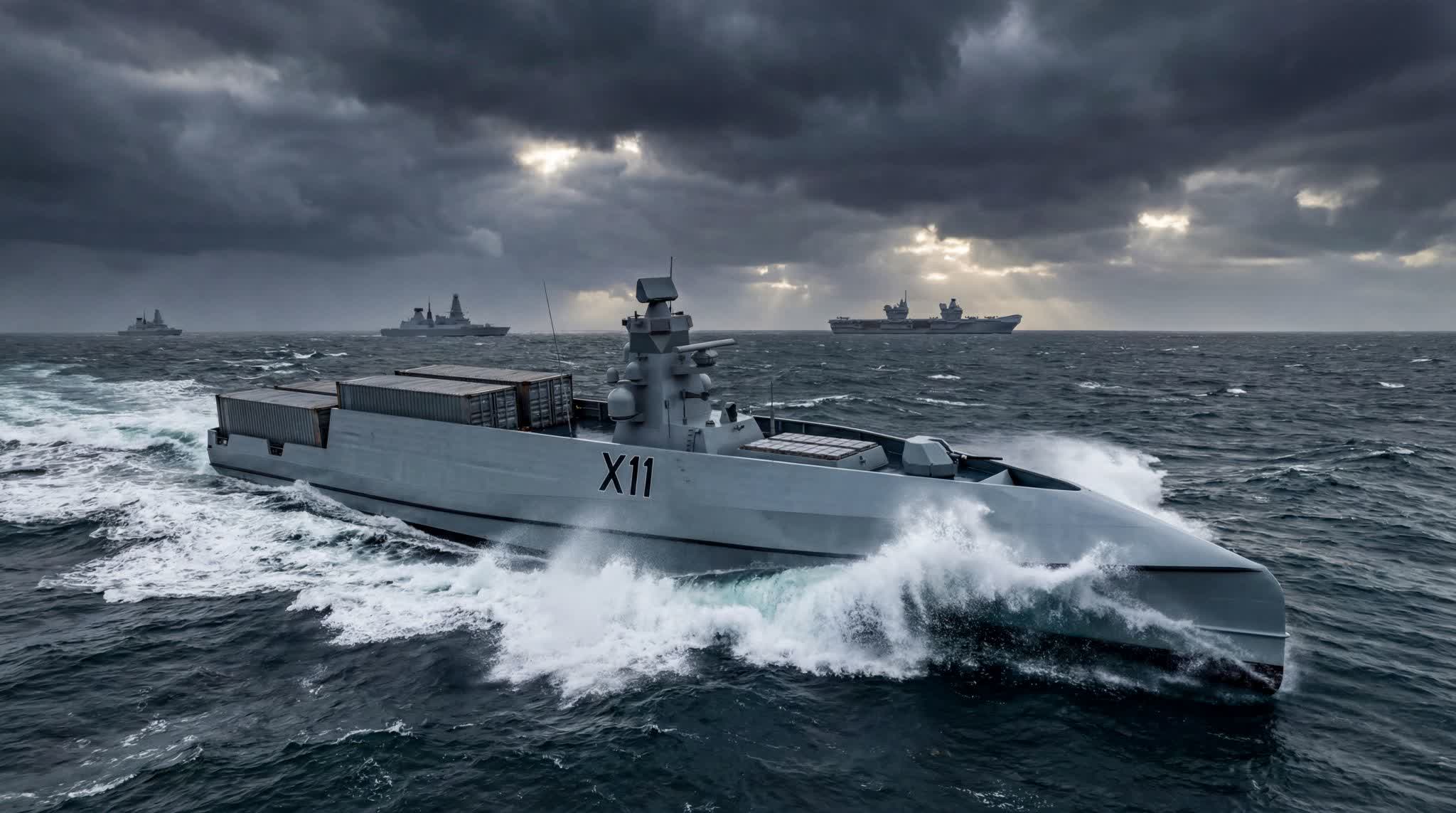
Like most military branches around the world, the Royal Navy is leaning more into autonomy. Earlier this month, First Sea Lord General Sir Gwyn Jenkins outlined a future fleet built around crewed, uncrewed, and autonomous platforms, with the first uncrewed escort ships expected to sail alongside Royal Navy warships within two years. The wider plan includes Atlantic Bastion, a layered North Atlantic sensor network intended to protect undersea infrastructure and track Russian submarines.
AI agents are already being tested in military roles that go beyond navigation or surveillance. Scout AI recently demonstrated a system that autonomously located and destroyed a target with an explosive drone. That might sound promising from a defensive point of view, but it raises the usual questions about accountability and how much authority should be handed to machines.
Crewless warship concept pushes autonomous naval warfare closer to reality


