The takeaway: Little is understood about the geology of Venus, and recent findings suggest that the planet's subsurface processes may not follow the same patterns observed elsewhere. Future missions equipped with advanced radar instruments will be needed to determine how these newly discovered underground voids have shaped the planet's broader volcanic history.
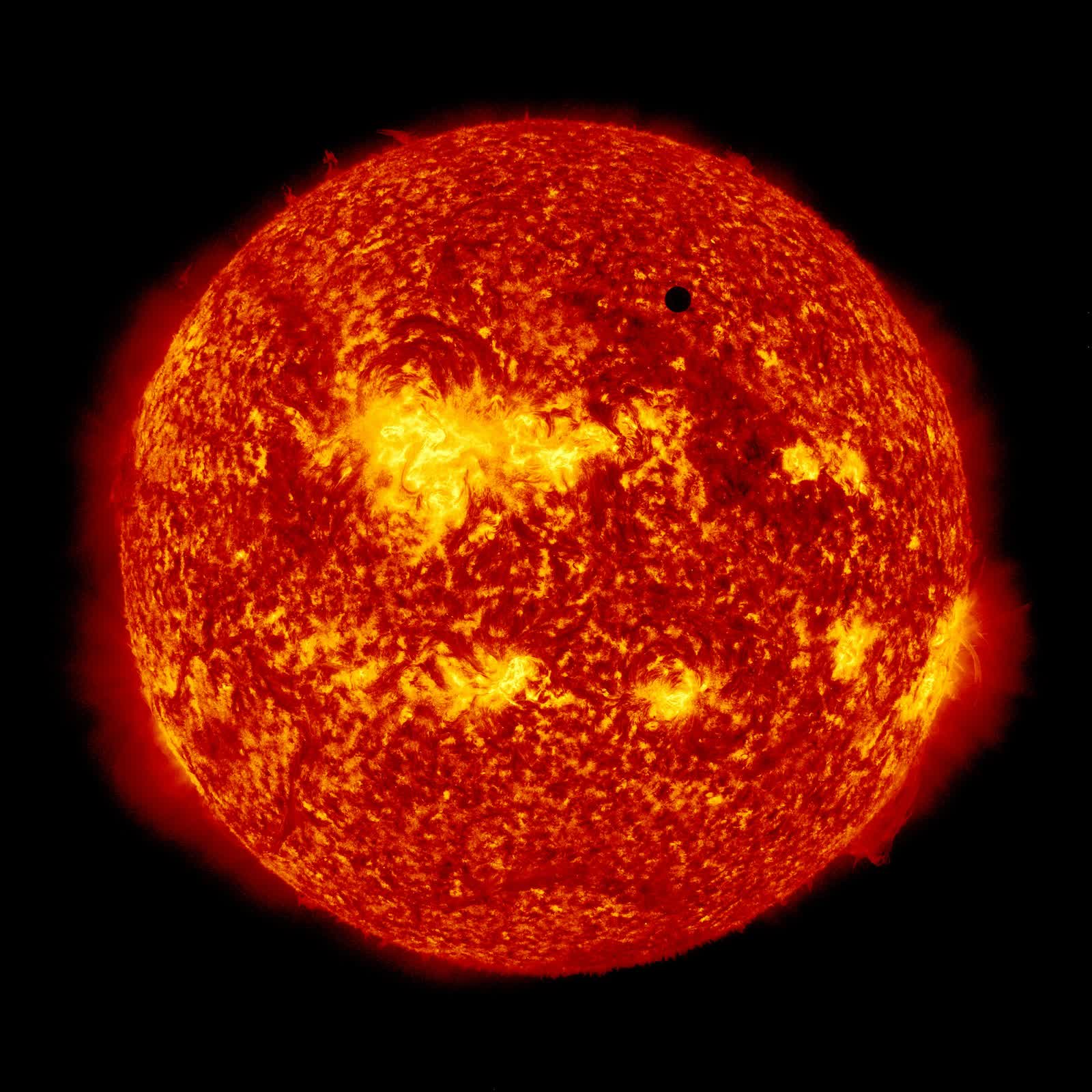
Massive lava-carved tunnels have been confirmed beneath the surface of Venus, providing the strongest evidence yet that the planet's volcanic past created underground networks unlike those on any other world in the solar system.
Researchers led by Barbara De Toffoli of the University of Padova in Italy reported that new analyses point to the existence of lava tubes on Venus with volumes comparable to those on the Moon, despite the planet's gravity being much closer to Earth's. These findings were presented earlier this month at the Europlanet Science Congress in Helsinki.
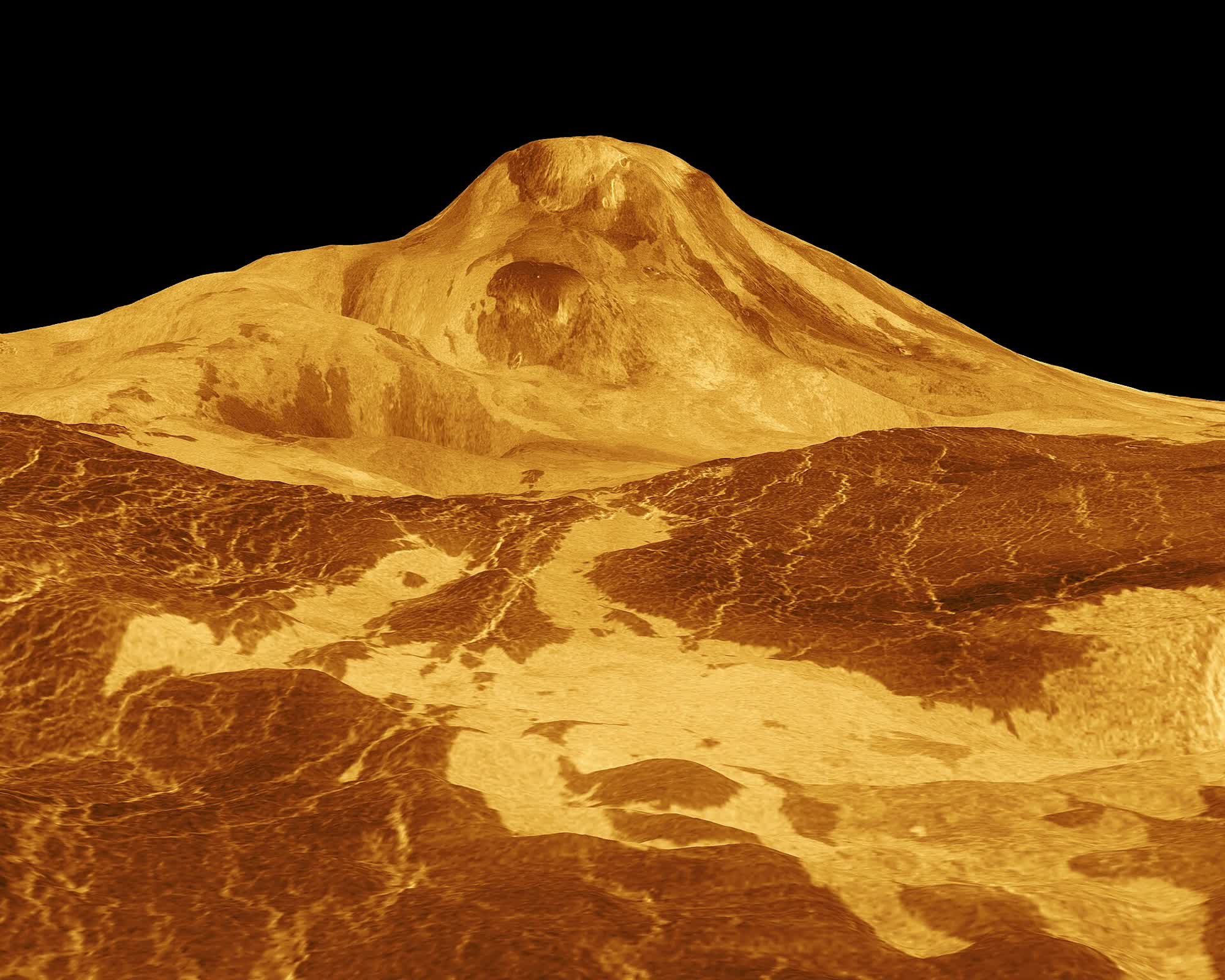
Venus has more volcanoes than any other planet in the solar system.
For decades, planetary scientists have documented lava tubes on Earth, the Moon, and Mars, noting that their size generally scales with gravity. Weaker gravity allows tunnels to span greater widths, since the rock walls are less prone to collapse. Lunar tubes are so spacious that space agencies have even considered them as potential sites for astronaut bases, offering natural protection from radiation and extreme surface conditions.
On Venus, surface features such as pits and depressions had long hinted at possible lava tubes, but there was no consensus on whether these markings were volcanic in origin or the result of unrelated geological processes like faulting. The new study sought to resolve this question by combining radar imagery and mapping data from past missions. The team focused on regions around large volcanoes, comparing the arrangement of pit chains and evaluating their depth-to-width ratios against known lava tube signatures.
The analysis identified four distinct examples that fit the expected volcanic pattern and could not be explained by tectonic or other processes. The pit alignments consistently followed the steepest volcanic slopes – the direction in which lava would naturally flow – further supporting their interpretation as collapsed segments of extensive lava tubes.
What surprised researchers most was not the presence of the tubes but their scale. On Earth, lava tubes are relatively modest; on Mars, they are somewhat larger; and on the Moon, they grow larger still, following the predictable relationship with gravity. Venus breaks this pattern.
"Earth lava tubes have smaller volumes, Mars tubes have slightly bigger volumes, and then the moon's tubes have even bigger volumes – and then there's Venus, completely disrupting this trend, displaying very, very big tube volumes," De Toffoli said in her presentation.
Discovery of massive lava tubes on Venus raises new questions for science


