Facepalm: Generative AI has become notorious for producing convincing but false citations – a problem appearing repeatedly in academic and legal settings. The language models behind ChatGPT, Gemini, and Claude generate plausible text that can include fabricated references. The ease with which these errors slip through review has fueled concern about the reliability of AI-assisted documents.
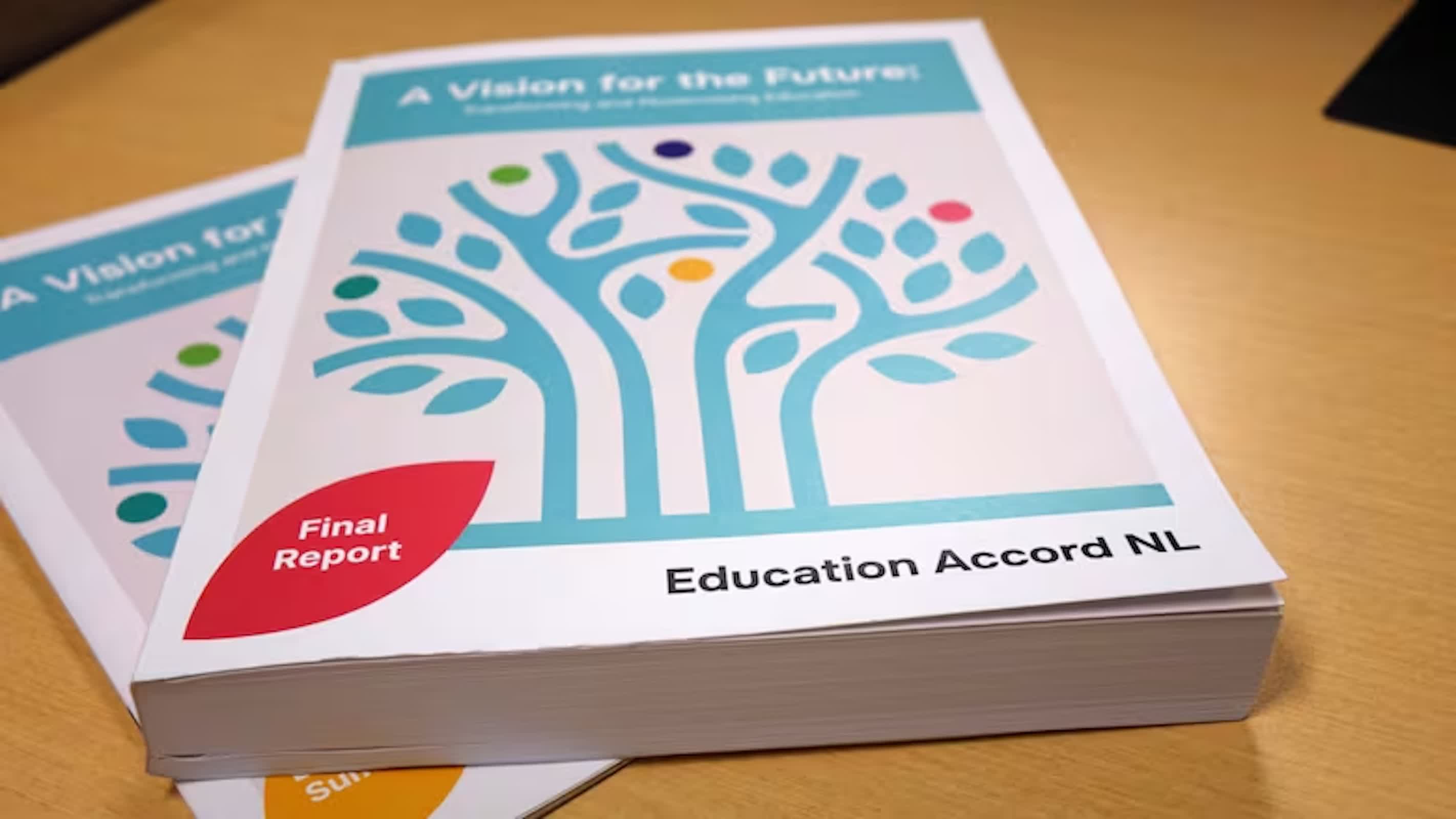
An education reform report meant to guide Newfoundland and Labrador's schools over the next decade is under scrutiny after researchers found at least 15 fabricated citations, raising questions about whether artificial intelligence played a role. Radio-Canada (CBC) notes the 418-page document, unveiled on August 28 by co-chairs Anne Burke and Karen Goodnough of Memorial University's Faculty of Education alongside Education Minister Bernard Davis, outlines 110 calls to action for improving the province's public schools and post-secondary institutions. A close look at the citations, however, has revealed troubling inconsistencies.
One reference, for example, cites a 2008 National Film Board movie titled "Schoolyard Games," which does not exist. A spokesperson for the National Film Board confirmed that nobody ever produced a film by that name. The identical fictional citation appears in a University of Victoria style guide as a sample entry meant to illustrate how to format a bibliography. Somewhere along the way, the fabricated example was copied into the report as if it were a legitimate source.
Educators who have studied the report worry that the fabricated sources may not simply be the result of human error. Some suggest the report may be AI-generated.
Aaron Tucker, an assistant professor at Memorial University whose research examines the history of AI in Canada, told the CBC that despite searching the Memorial University library, other subscribed databases, and even Google, he was unable to find many of the sources cited in the report.
"Whether that's AI, I don't know, but fabricating sources is a telltale sign of artificial intelligence," he said.
Sarah Martin, a political science professor at Memorial, reached a similar conclusion after spending days reviewing the report.
"Around the references I cannot find, I can't imagine another explanation," she said, adding that encountering nonexistent citations in a document intended to shape education policy was particularly troubling.
Josh Lepawsky, a professor at Memorial and former president of the university's faculty association, resigned from the report's advisory board last January in protest over what he described as a "deeply flawed process."
"Errors happen. Made-up citations are a totally different thing where you essentially demolish the trustworthiness of the material," Lepawsky told CBC.
The co-chairs of the report have declined interviews since questions about citations surfaced. Goodnough wrote in an email to the CBC that staff are investigating the references, adding she could not comment further. Education Minister Davis also declined requests for an interview.
In a statement, the Department of Education and Early Childhood Development acknowledged awareness of citation problems.
"We understand that the issues are under review, and that the online report will be updated in the coming days to correct any errors," departmental spokesperson Lynn Robinson said.
One recommendation in the report is drawing particularly uncomfortable scrutiny: a directive for the provincial government to ensure educators and students learn foundational AI skills, including ethics, data privacy, and responsible technology use. Academics note that misuse of AI in this context erodes trust and undermines the very reform process the report was meant to guide.
Image credit: CBC
Education report promoting AI ethics under fire for fake sources, possible AI misuse


 The report was probably written by AI!


