Forward-looking: The next major revolution in aviation may not happen at 35,000 feet, but a few hundred feet above city streets. This June, a new class of aircraft – electric and hybrid models capable of taking off vertically like helicopters but flying like airplanes – will begin limited operations under a federal pilot program in selected parts of US airspace.
The Department of Transportation has announced a three-year national pilot program granting limited flight authorization to companies testing passenger and cargo aircraft designs that are still awaiting full certification from the Federal Aviation Administration. The initiative will launch through eight selected projects with efforts in Texas, Florida, New York, New Jersey, and Albuquerque, New Mexico.
The goal, according to the agency, is to study how advanced air mobility technologies can safely integrate into the national airspace while helping to inform future regulatory standards.
These aircraft – known as electric vertical takeoff and landing vehicles (eVTOLs) or ultra-short takeoff aircraft – represent one of the most ambitious engineering shifts in modern aerospace. Many eVTOL designs use distributed electric propulsion – multiple small rotors powered by high-density batteries – to reduce noise and improve energy efficiency.
Where a helicopter's mechanical complexity drives high maintenance costs, eVTOLs rely on fewer moving parts and digitally controlled flight systems. Companies behind these designs say this architecture allows for quieter operation, lower vibration, and sharply reduced carbon emissions.
Some eVTOLs promise a degree of autonomy. Embedded sensors and onboard AI flight controllers could someday enable point-to-point navigation without a human pilot. For now, however, FAA regulations remain clear: all aircraft must complete the formal type certification process before any autonomous deployment.
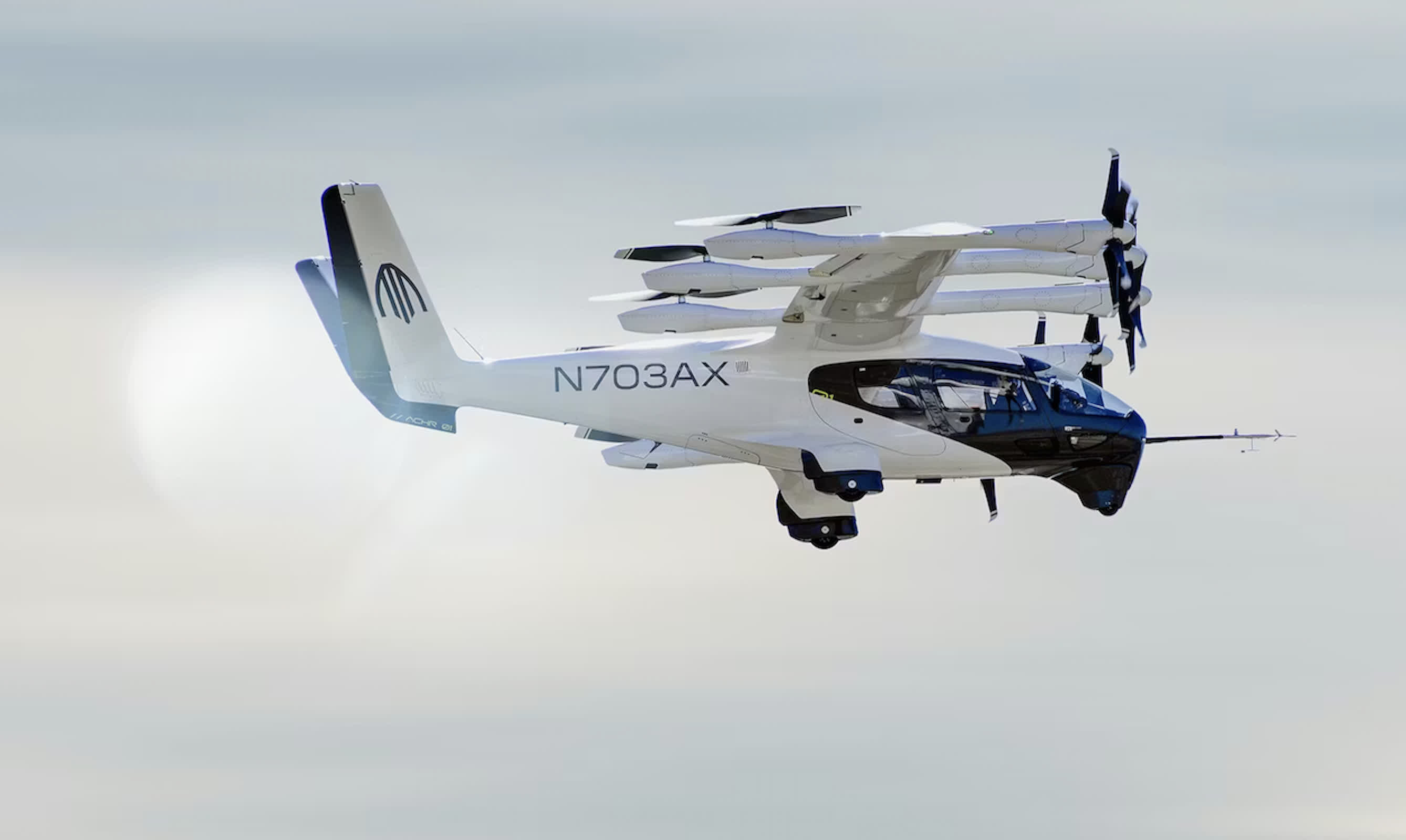
Several US aerospace startups are leading the effort. Archer Aviation, backed by Stellantis and United Airlines, will test its Midnight electric air taxi in Texas, Florida, and New York. Designed to carry up to four passengers for trips lasting 60 to 90 minutes, Midnight aims to bridge short-range city connections.
"Now the goal is to have half a million people in the biggest cities in the country start to see these aircraft as part of everyday life," CEO Adam Goldstein told investors this month during the company's earnings call, describing the initiative as "our Waymo moment."
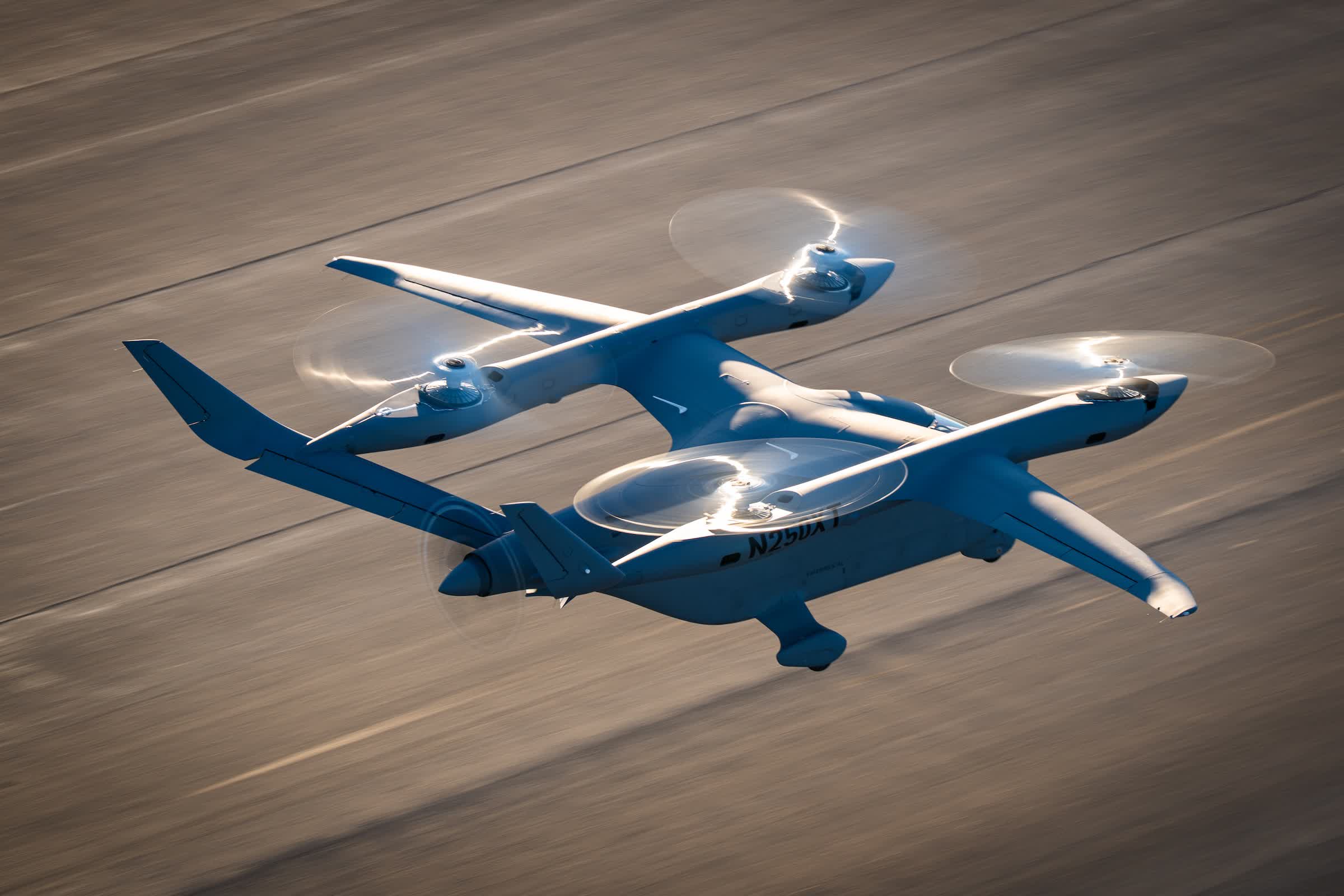
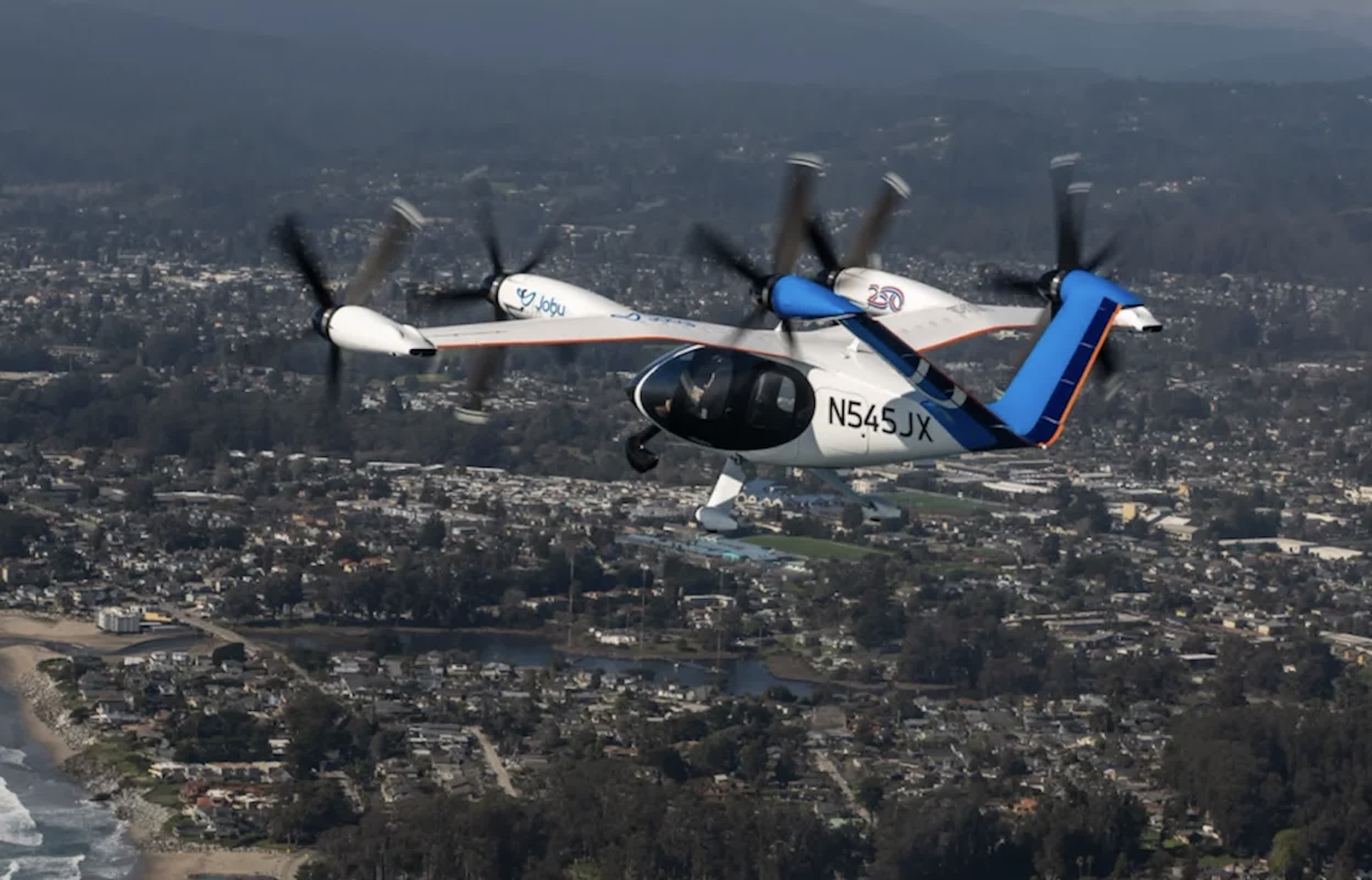
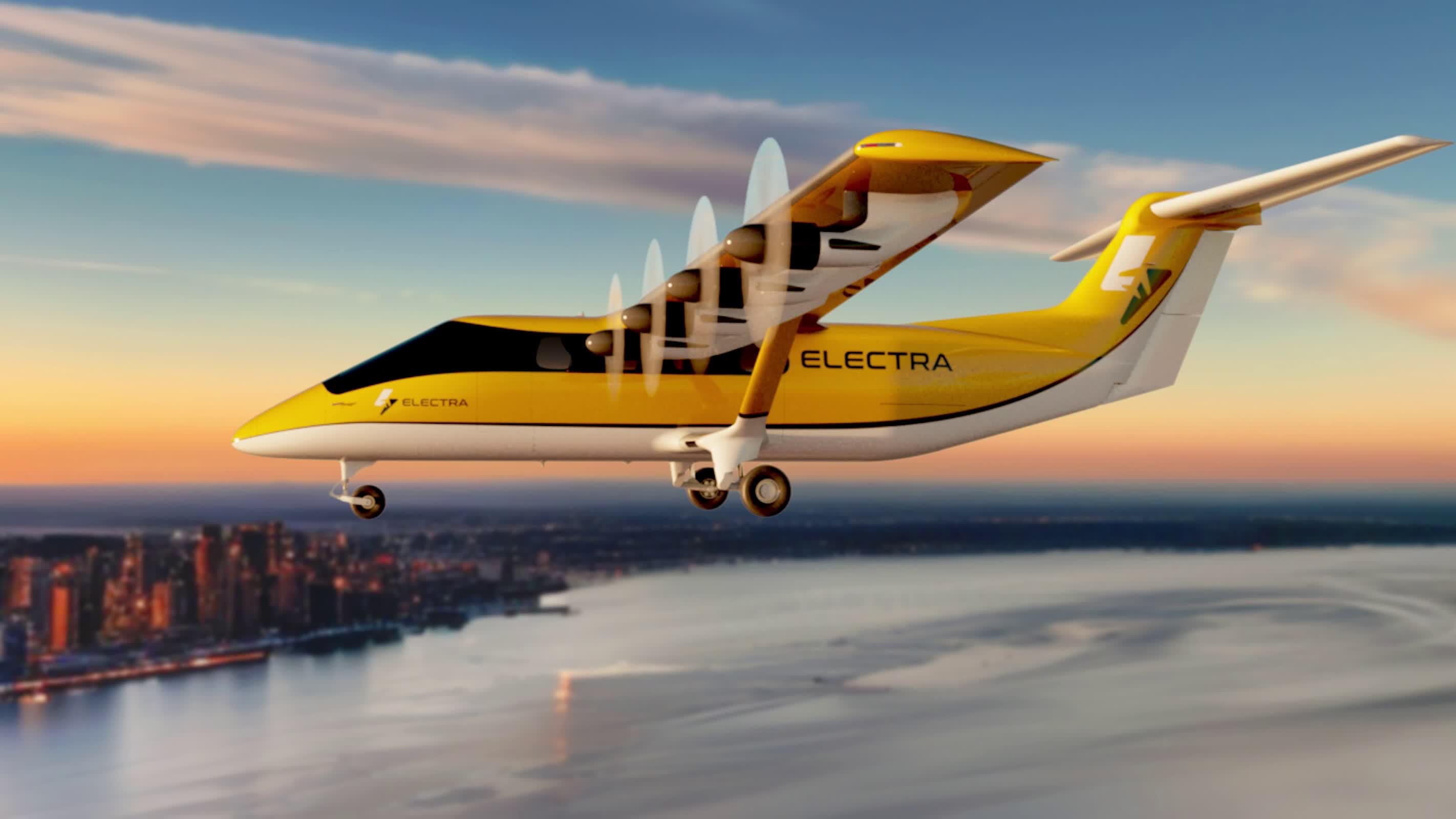
Other participants include Joby Aviation, supported by Toyota and JetBlue Ventures; Beta Technologies, which builds small electric planes for regional transport; and Electra, whose hybrid aircraft require just a few hundred feet for takeoff. All four companies have completed test flights in the US.
"What we love about the pilot is the chance to demonstrate that this is not fantasy," Electra CEO Marc Allen told WIRED. "It's in the real world."
Although the Biden administration had previously targeted 2028 for commercial rollout – timed for the Los Angeles Olympics – the pace has accelerated under the new policy environment. An executive order signed by President Trump last June sought to eliminate what it called burdensome red tape surrounding drone, supersonic, and urban air-mobility regulations.
The DOT emphasized, however, that the current pilot is not a shortcut around safety oversight. "Aircraft included in the partnership must already be going through the FAA's formal type certification process," FAA spokesperson Donnell Evans said in a statement.
The agency will use data from trial operations to refine standards for vehicle design, pilot training, and air-traffic coordination as more advanced air-mobility services emerge.
The US is not alone in pursuing this technology. China's EHang has already obtained certifications for its autonomous air taxis and plans sightseeing flights in several cities. Dubai, meanwhile, partnered with Joby Aviation to launch eVTOL air taxi services as early as 2026.
The American tests will extend beyond urban commuting. The DOT says pilot projects will explore cargo logistics, regional passenger routes, and emergency-response use cases such as medical evacuations. Some of the participating firms also maintain parallel contracts with defense agencies, viewing the technology as a dual-use platform adaptable for surveillance, resupply, and disaster relief.
If the technology proves viable under the FAA's supervision, everyday commuters could one day look up to see – not just airliners – but a new breed of small, efficient electric craft hopping between city centers and suburbs. The pilot program represents the first real test of whether that future can be engineered safely into today's skies.
Electric air taxis will enter US skies this summer under FAA pilot


