
A hot potato: Humanoid robots are entering another industry. This time, the latest generation of machines, already used in some Amazon warehouses, are being sent to Kansas, where they will assist in the manufacture of balers, mower conditioners and self-propelled windrowers for one of the world's largest farm equipment makers.
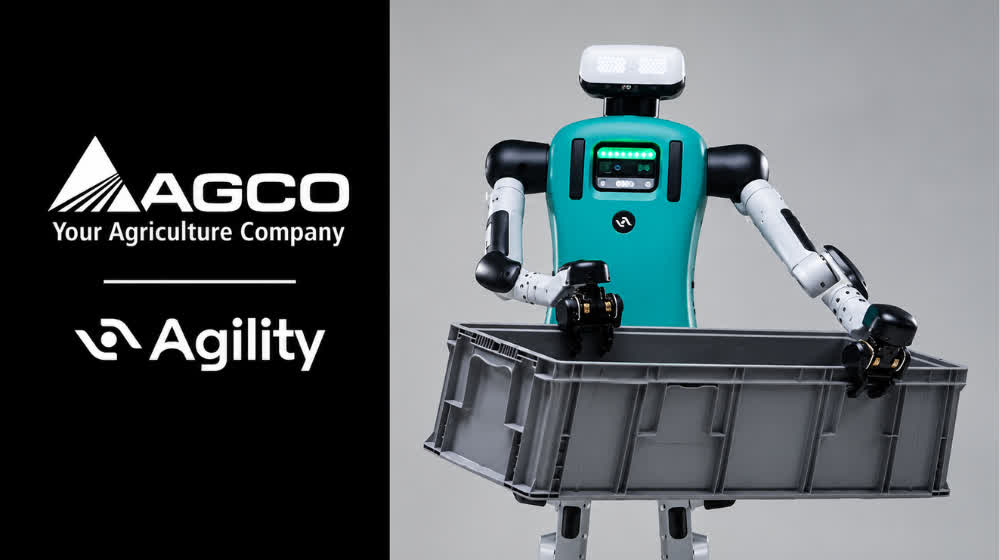
AGCO, the farming giant behind Massey Ferguson and Fendt tractors, has partnered with Agility Robotics on a pilot program set to begin in 2027.
The initiative, taking place at AGCO's Hesston, Kansas, plant, will explore the ways in which humanoid robots can integrate into manufacturing operations.
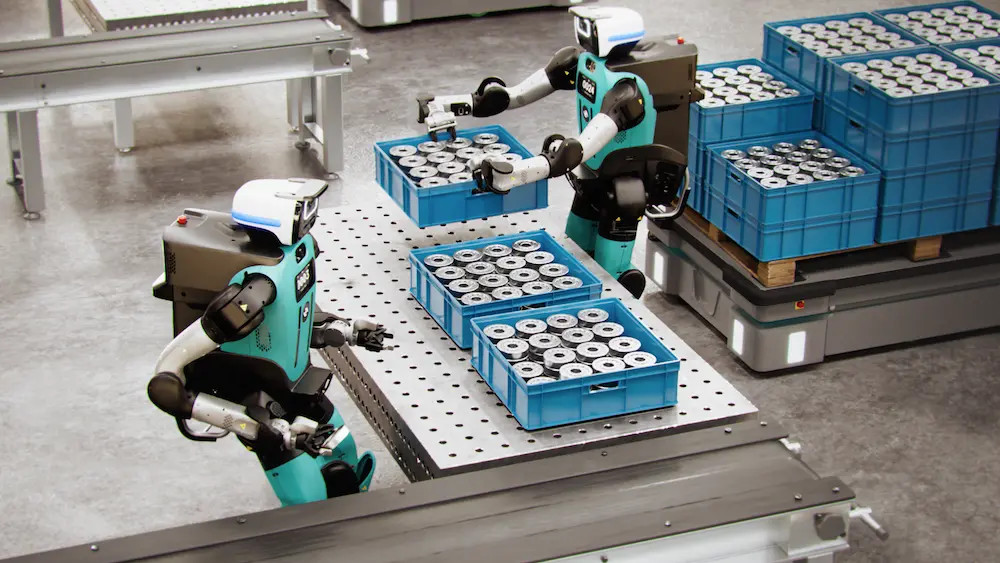
The robot involved is Digit, Agility's two-legged machine designed for repetitive tasks in workplaces built for humans. Its first assignments at the plant will involve sorting and stacking parts and moving storage totes into position, rather than anything as complex as assembling tractors or operating farm machinery.
Neither company has revealed how many robots will be deployed, how much the deal is worth, or whether a successful trial will lead to a wider rollout.
Digit is no stranger to warehouse work. Amazon began testing the humanoid in its facilities in 2023, initially assigning it the task of moving empty totes. Logistics firm GXO has also deployed Digit to shift containers in a warehouse operated for Spanx. Agility counts Toyota and industrial supplier Schaeffler among its other customers.
As is always the case when robots enter a workplace, the companies insist the machines are there to help employees, not replace them. AGCO says handing over strenuous and repetitive jobs to these machines will improve safety and let human workers concentrate on more skilled tasks.
"They unlock automation in complex, human-centric workflows, augmenting human capabilities by absorbing repetitive, strenuous or hazardous tasks," said Thomas Enghof, AGCO's director of manufacturing technology.
Agility says Digit's AI can adapt to changing workflows, while its cloud-based Agility Arc platform helps manage fleets without requiring major factory modifications. The company claims Digit has accumulated more than 65,000 hours of real-world operation.
Not everyone is convinced by the familiar claims about robots being helpful colleagues rather than humans' eventual replacements. Hyundai's union warned of a "huge employment shock" after the automaker announced plans to introduce Boston Dynamics' Atlas humanoid to its factories in 2028.
Amazon has also insisted its robots won't take jobs, despite a report citing internal documents that suggests the company hopes automation will eliminate the need to hire more than 600,000 US warehouse workers by 2033. Amazon later disputed the report's characterization of its hiring plans.


