FCKGW: How an internal Microsoft leak fueled Windows XP piracy

Alfonso Maruccia

Posts: 2,603   +978
Staff
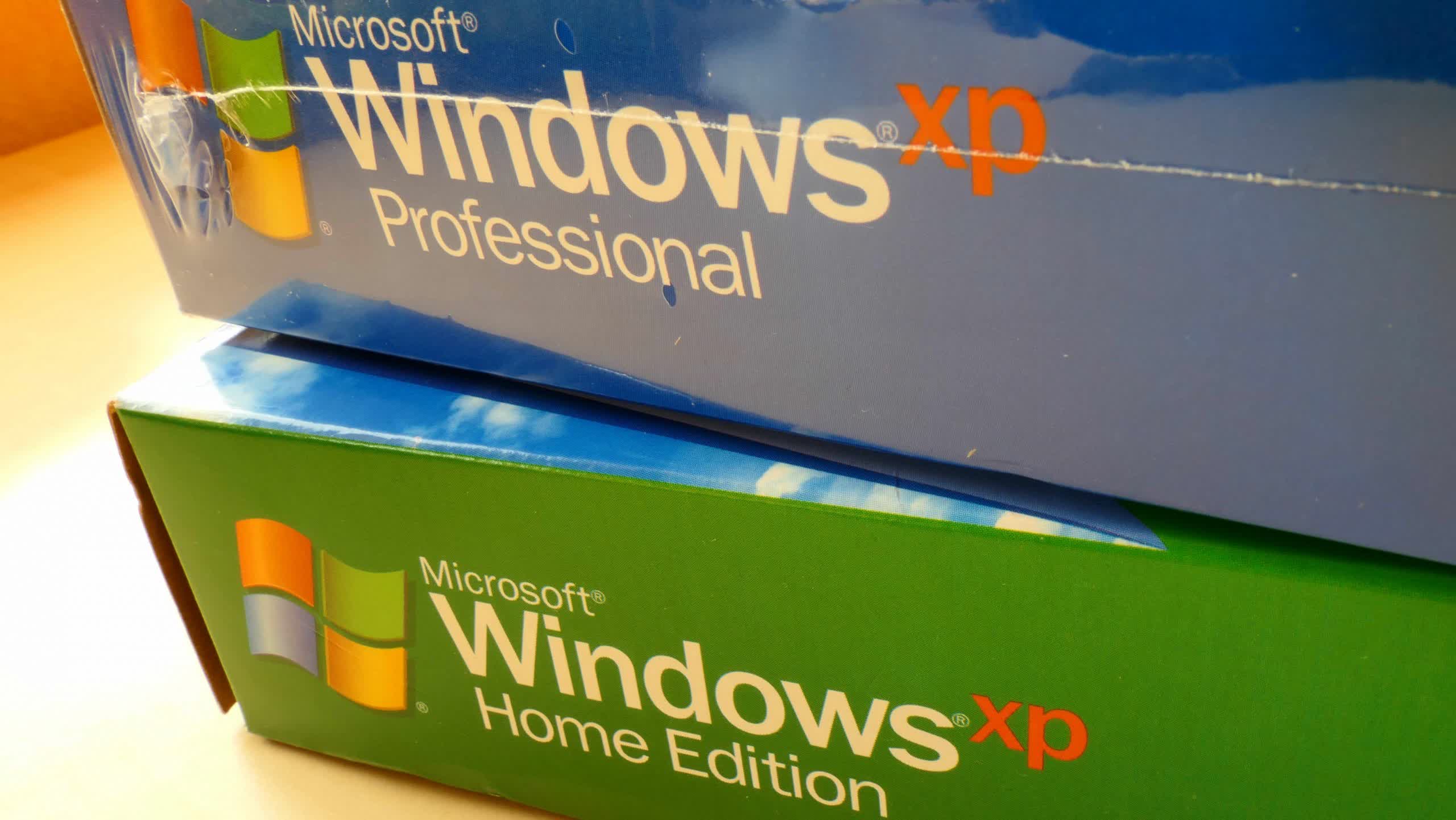
In context: Piracy has been a part of Windows history from the very beginning. Microsoft began taking the issue seriously with Windows XP, and Dave Plummer has now revealed that the first unauthorized copies of the operating system were actually the result of an internal information leak.
David William Plummer began his career at Microsoft as an intern on the MS-DOS team and was later offered a full-time position. During his 10 years with the company, he developed several major components for both DOS and Windows, giving him firsthand knowledge of what was really happening in Redmond.

Plummer's latest inside story focuses on the infamous "FCKGW" key, widely used to activate original editions of Windows XP. The Canadian-American programmer worked on the first version of Windows Product Activation, Microsoft's early attempt to protect Windows with DRM technology.

Plummer explained that the FCKGW key was a valid volume licensing key, which allowed multiple copies of Windows XP to be activated when paired with a specific VLK copy or ISO of the operating system. The key quickly spread across P2P platforms and piracy forums and is now considered the first major "hack" targeting Microsoft's WPA technology.

However, Plummer emphasized that there was no hack. It was, in fact, a "disastrous leak" of information that should have remained inside Redmond. To this day, the identity of the person responsible for leaking the key – or the location where it first appeared online – remains unknown.

Plummer's disclosure suggests the key originated from within Microsoft, which explains why the so-called "hack" was so effective and why Windows XP soon became the most pirated operating system in PC history.

Plummer designed WPA to generate a hardware ID tied to a user's CPU, RAM, and other installed components. This ID would then be sent to a Microsoft server along with the product key for validation as a legitimate copy of Windows XP.

Because FCKGW was a legitimate corporate volume licensing key, it was whitelisted in XP's activation logic. The WPA system effectively skipped the activation process, allowing pirated copies of the OS to even install early updates via Windows Update.
"Technically, you could still use it today on an old XP disc (if you can find one), but Microsoft's servers shut down validation years ago, and the key's long since been blacklisted," Plummer said.

Microsoft issued its last security update for Windows XP in 2019. The OS is now used by less than one percent of Windows PCs, according to StatCounter.

WPA technology was fully bypassed years ago, and modern Windows editions can be cracked even more easily thanks to open-source tools in the Microsoft Activation Scripts project – something Microsoft appears largely unconcerned about today.

Permalink to story:

 
Microsoft does not make it difficult to pirate their operations systems.

Just google MASS GitHub. Microsoft has to know about it....they own GitHub. Defender doesn't even care about the script.

Even back in the NT 4.0 days all 1s would work as a key.
 
The open-source MAS project has interesting blogs on how they implemented their HWID and Tsforge methods. It took a lot of digging into how the Windows software licensing system works; their final implementations did it without modifying system files---apart from, in Tsforge's case, writing forged cache data to the "trusted store"---and getting valid authentication from Microsoft's side or Windows' components.
 
Why would they care. Private customers literally never buy Windows (except a couple of fools who actually believe that $10 keys on Amazon are indeed legit), and corporations will pay up no matter how easy or hard it is to circumvent activation.
 
MS doesn't care if you pirate their operating system because it's all about getting you into their ecosystem.
Why would they care. Private customers literally never buy Windows (except a couple of fools who actually believe that $10 keys on Amazon are indeed legit), and corporations will pay up no matter how easy or hard it is to circumvent activation.
I guess you guys didnt read the article. This is about windows XP being cracked open, not modern Windows editions. Microsoft ABSOLUTELY cared about XP piracy when it was an active OS.
 
I guess you guys didnt read the article. This is about windows XP being cracked open, not modern Windows editions. Microsoft ABSOLUTELY cared about XP piracy when it was an active OS.
Or perhaps they did read it and were commenting on the last 7 words in this article?
 
Activation isn't required. It's strongly "encouraged" with continuous messages about it. Updates still happen the same activated or not.
 
Come on people, you are smart, you must understand it was all for a show.

"Oh no, they are pirating our Windows" all while being super happy ate number of Windows XP users going up.

Because what would be alternative to all those that got their copy like that?
Some small number of them would buy it, but many would move either to MacOS or even Linux or just stay on old Windows.

What do you think is the least bad thing from all of these situations for MS?
To see people moving away from Windows and potentially from other MS products too or to let those , who can't or do not want to pay have the copy of their software, keeping them in their eco system?
 
Why would they care. Private customers literally never buy Windows (except a couple of fools who actually believe that $10 keys on Amazon are indeed legit), and corporations will pay up no matter how easy or hard it is to circumvent activation.

Keys cannot be "legit", they can only be functional or non-functional
If usage of the OS / software is legal is not dependant on the key, but the license
 
Because what would be alternative to all those that got their copy like that?
Some small number of them would buy it, but many would move either to MacOS or even Linux or just stay on old Windows.
The alternativer would be:
"many of them would buy it, some would stay on old Windows, small numbers would move to MacOS or even Linux (more like OS/2 at that time)"

What do you think is the least bad thing from all of these situations for MS?
To see people moving away from Windows and potentially from other MS products too or to let those , who can't or do not want to pay have the copy of their software, keeping them in their eco system?
Most people would not have moved away... MS OS usage was already way over 50 percent before WinXP was even relased (Win 9x alone had over 50% with MS-DOS/Win3.x and Windows NT having two digit % each), so the most logical assumption would be that users would have bought it or used older versions - both which would have kept them in the "MS eco system"
 
Back then, the license came with a pretty paper and a CD with a holographic logo that made it look special. Nowadays, it's just a number.
cxBYHJX.jpeg
 
The FCKGW key was basically the golden ticket of the early 2000s. Everyone knew it, nobody admitted to using it, and somehow half the world ended up running “evaluation copies” of Windows XP forever.
 
Back