TL;DR: Ford spent years testing every variable of human-machine handoff before its BlueCruise driver-assistance system reached consumers. The company's goal was both straightforward and ambitious: to deliver hands-free driving that feels natural while keeping drivers alert enough to intervene when the system errs. Yet, as BlueCruise rolled out widely, its real-world performance has prompted both the automaker and federal regulators to reassess the trade-offs of highway-speed automation.
The National Highway Traffic Safety Administration (NHTSA) is investigating fatal crashes involving vehicles using BlueCruise, following incidents in 2024 where Fords failed to respond to stopped vehicles on highways. According to federal data, Ford has reported 32 crashes – including three fatalities – linked to its automated driving technologies since BlueCruise was introduced in 2021.
Regulators are focusing on how the system detects stationary objects, particularly in low-light conditions – a challenge that has affected driver-assist technologies across the industry.
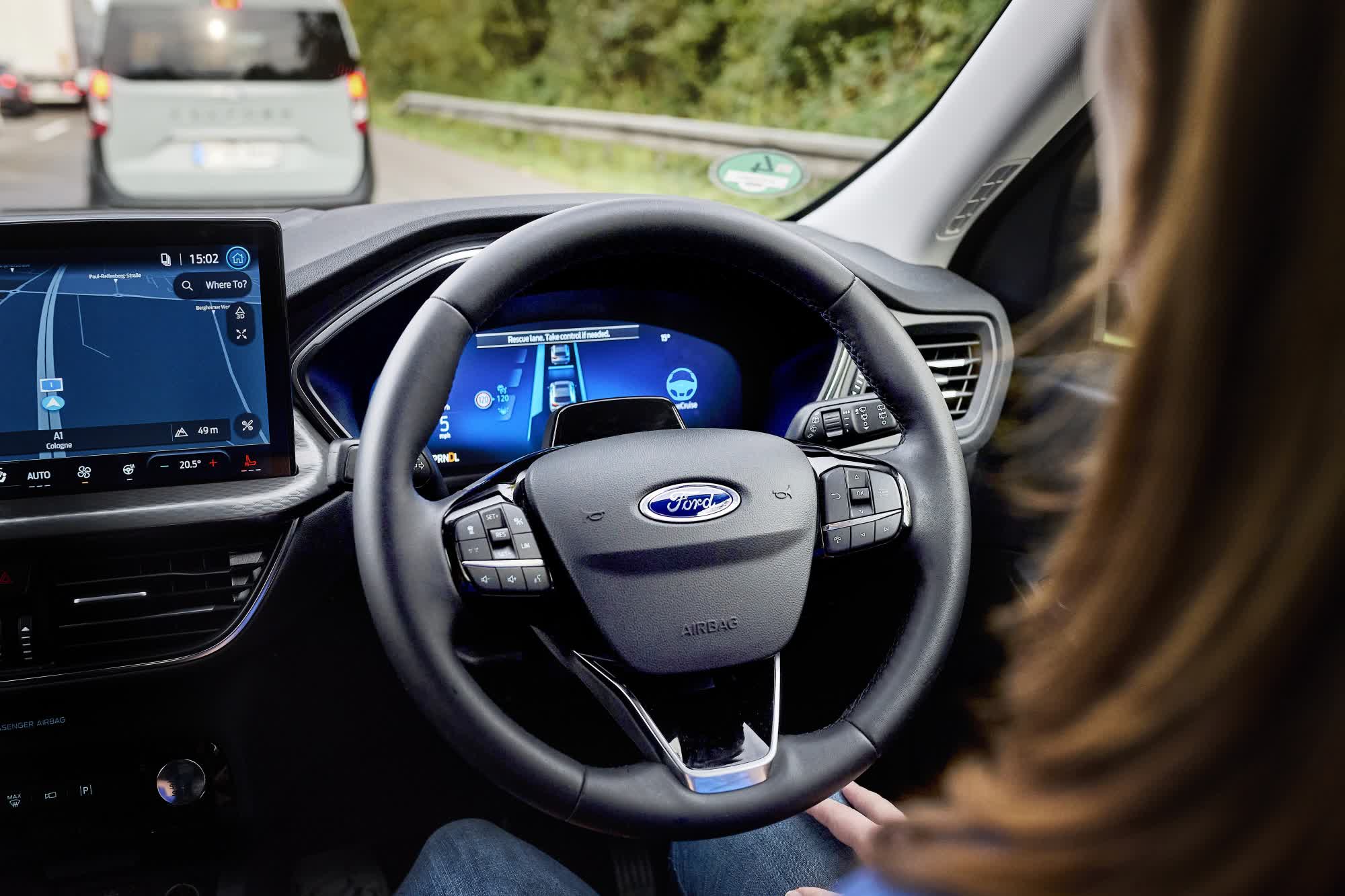
BlueCruise combines radar, cameras, and software to control steering and speed on pre-mapped highways. The system can automatically maintain lane position, adjust speed based on traffic, and issue visual and auditory alerts when a driver's attention drifts. A camera behind the steering wheel monitors eye movement to ensure vigilance. While drivers can remove their hands from the wheel, they must keep their focus on the road – a safety requirement Ford has repeatedly emphasized.
Research conducted by Ford prior to the system's launch, and recently reviewed by regulators, found that many test users misunderstood these boundaries. In an early trial using General Motors' Super Cruise for benchmarking, 80 percent of participants missed critical warning cues when the system disengaged, and a quarter assumed the car could steer itself if lane markings were lost.
Similar Ford-run studies in 2019 showed that more than half of participants pressed the wrong control buttons or incorrectly believed the system would automatically correct lane drift. Those findings prompted redesigns in dashboard displays and clearer alert phrasing – improvements Ford says addressed confusion before the system's public release.
Despite these changes, questions remain about how drivers interact with semi-autonomous technology once it leaves the lab. BlueCruise's adaptive cruise control can decelerate in traffic, but at speeds above 62 mph it stops responding to stationary objects to avoid "phantom braking" – sudden, unnecessary slowdowns triggered by bridges or roadside signs.
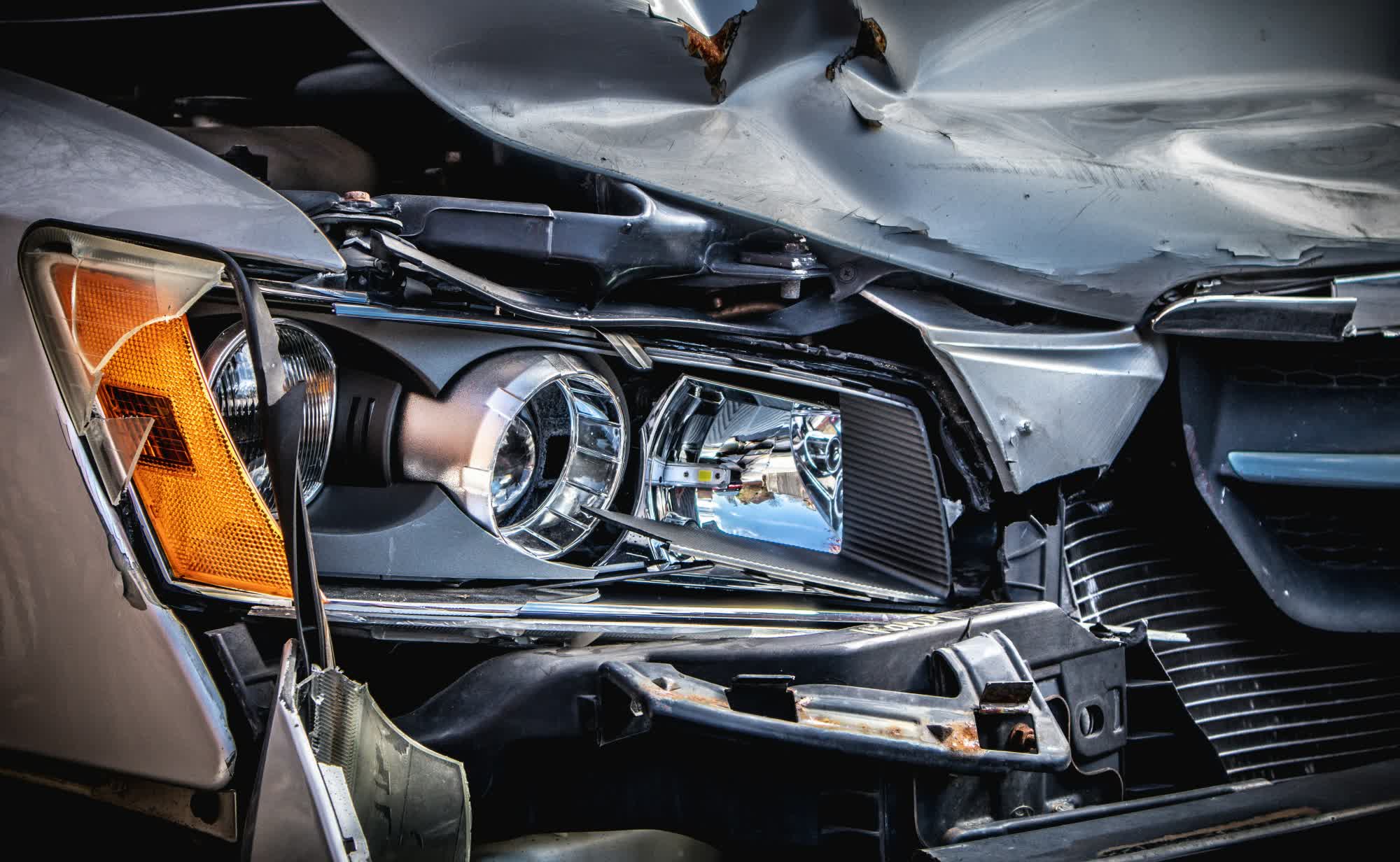
Beyond that threshold, collision detection relies on other systems, such as automatic emergency braking, which may not always respond in time under low-visibility or high-speed conditions. Federal investigators say these technical parameters may have contributed to the collisions currently under review.
Ford told regulators that its safeguards functioned as designed and that most incidents resulted from driver inattention or misuse. In its submission to the NHTSA, the company said roughly three dozen of the 2,000 reports filed by drivers since 2021 involved crashes, nine of which occurred while BlueCruise was engaged in hands-free mode.
"If drivers pay attention," Ford said in a statement, the system "is safer than driving unassisted." The company cites over half a billion miles driven under BlueCruise control as evidence of that record.
Still, the broader pattern of driver misunderstanding echoes Ford's own early warnings. Internal presentations from 2018 – 19 highlighted common "areas of confusion" when users were asked to retake control, including missed dashboard signals and overestimating the system's autonomy.
The problem is not unique to Ford. Tesla's Autopilot, GM's Super Cruise, and Waymo's driverless robotaxis have all drawn scrutiny for similar gaps between technological intent and human expectation. For regulators, the challenge is defining accountability in an increasingly hybrid driving landscape.
Ford CEO Jim Farley has said the automaker remains committed to advancing beyond current limitations, targeting an "eyes-off" driving experience that could arrive by 2028. Unlike today's systems, which operate only on mapped roadways and under limited traffic conditions, this next-generation platform would manage high-speed travel and complex lane changes without requiring the driver to keep their gaze fixed on the road.
Ford's hands-free BlueCruise under federal safety review following fatal crashes


