In brief: The brake pedal could become optional in some future autonomous vehicles. The National Highway Traffic Safety Administration has proposed changes to federal safety rules covering fully self-driving vehicles. Under the plan, vehicles built without manual driving controls could be certified without foot-operated service brakes or manually operated parking brakes.
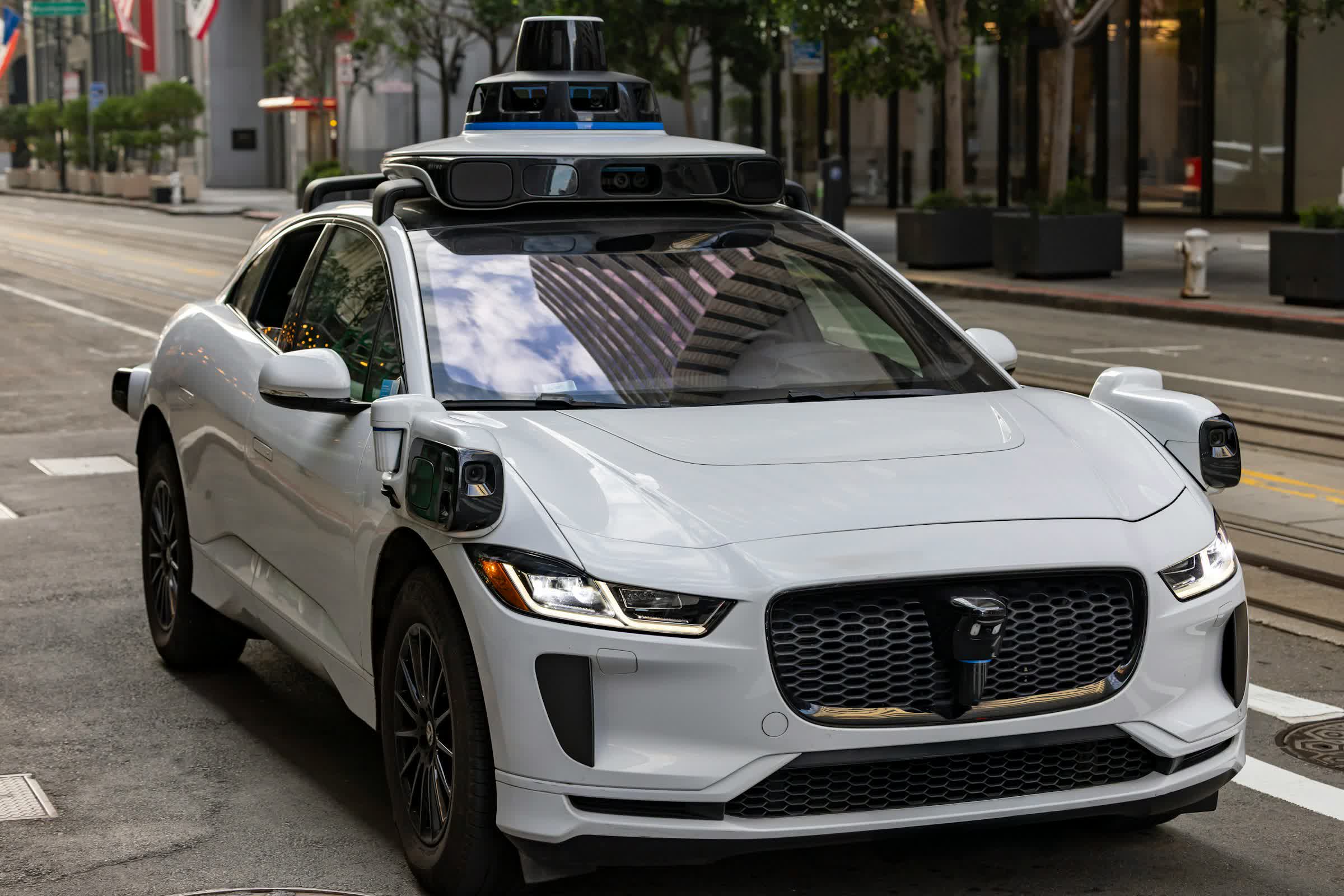
The change targets purpose-built robotaxis rather than ordinary cars with driver-assistance systems.
Vehicles that still include steering wheels, pedals, or other manual controls would remain subject to the existing requirements. So would consumer cars featuring systems such as Tesla Autopilot, Full Self-Driving, or Ford BlueCruise – your next car is not suddenly going to arrive with an empty footwell and a reminder to trust the system.
Today, companies that want to deploy vehicles missing required manual controls generally have to seek exemptions, which are capped at 2,500 vehicles per manufacturer per year. NHTSA has spent years reviewing some of those petitions, making the proposed rule a potentially important shortcut for purpose-built robotaxi fleets.
NHTSA says Federal Motor Vehicle Safety Standard No. 135 was written around vehicles designed for human drivers, making some of its language awkward or impossible to apply to automated driving systems (ADS).
The agency argues that a vehicle built to be operated only by an ADS does not need a brake pedal for an occupant to use because that occupant is not supposed to be driving.
Existing stopping-distance and braking-performance requirements would remain in place, and NHTSA says the rule would update how those vehicles are tested. The agency is also working on separate safety performance tests for ADS-equipped vehicles.
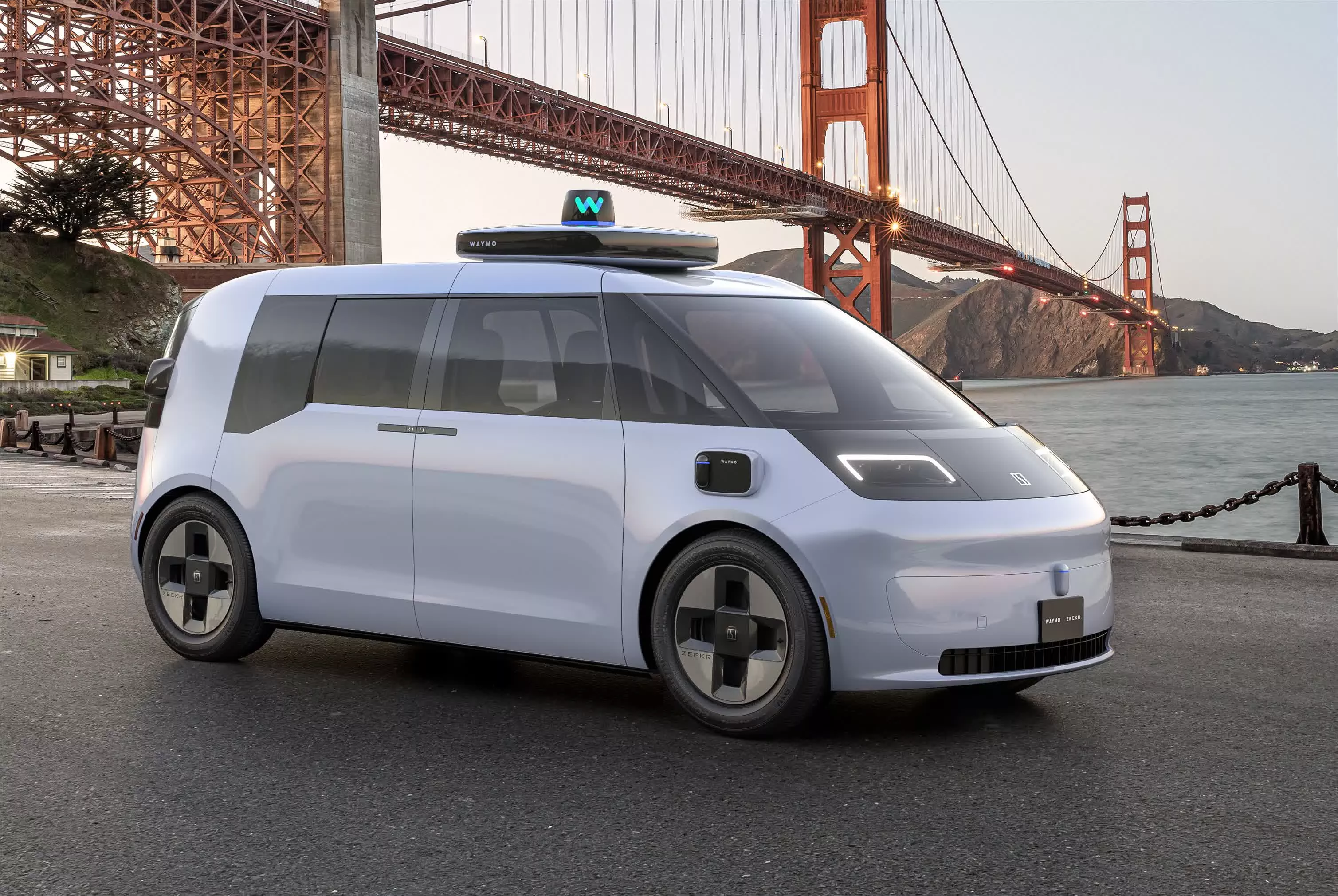
A brake pedal in a driverless pod could give passengers the illusion that they can control the vehicle, or allow someone to interfere with the system accidentally or deliberately.
NHTSA says passengers should have a way to tell the car to stop, but it is not proposing to mandate a single physical control or interface.
The rule would be a boost for companies trying to build vehicles around autonomy. Amazon's Zoox has long pursued a boxy, steering-wheel-free robotaxi, while Tesla's Cybercab concept also lacks traditional controls. GM's Cruise Origin was meant to follow the same path before the company shelved the program, citing cost and regulatory uncertainty.
Robotaxis still have plenty to prove. Waymo recently recalled nearly 3,900 robotaxis after vehicles entered freeway construction zones, while Tesla's autonomous systems have drawn scrutiny over crashes, remote support, and how much is truly hands-off.
For now, allowing autonomous cars to drop the brake pedal is only a proposal. Public comments are open until July 27, and NHTSA says it can still use defect-enforcement powers if an ADS behaves unsafely.
Future robotaxis may not need brake pedals under new proposal