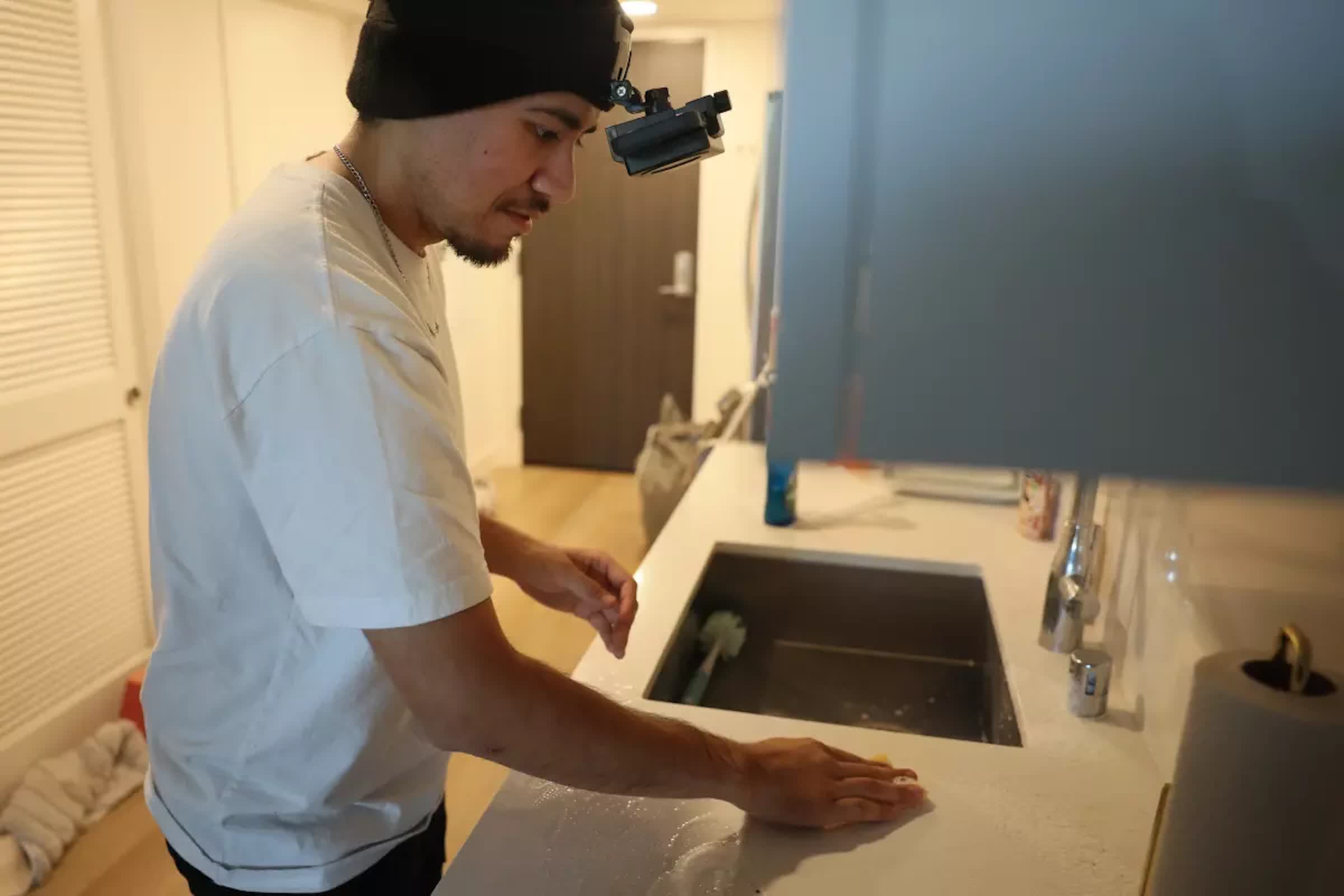
Through the looking glass: In Los Angeles, one of the city's hottest new gig-economy jobs involves training the next generation of robots to move like humans. Across the city – from Santa Monica apartments to downtown coffee shops – hundreds of residents wear head-mounted cameras as they clean, cook, and go about their daily routines. The footage they capture is fueling the development of physical AI, an emerging field focused on teaching machines how humans interact with the world.
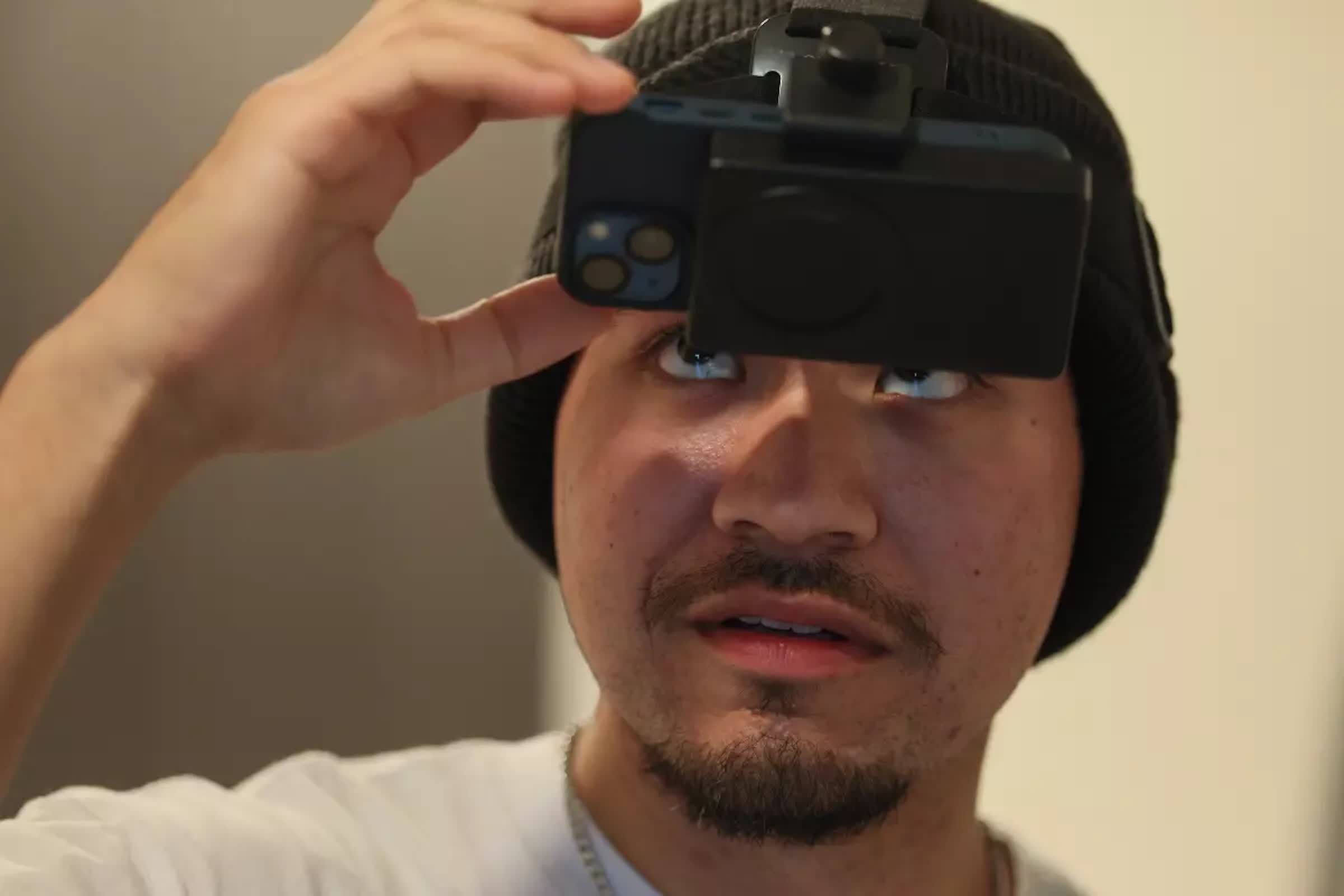
Unlike chatbots, which learned to imitate human language through vast stores of online text, robots require something the internet doesn't provide in abundance: detailed examples of real-world movement. How a person grips a sponge, stirs soup, or shuts off a running tap contains a level of nuance that sensors and algorithms alone cannot infer. To bridge that gap, companies are paying ordinary people to record intimate, first-person views of their most mundane actions.
At a downtown café, a manager from San Francisco – based Instawork quietly distributes packages containing elastic headbands fitted with phone mounts. The company, long known for staffing stadiums, hotels, and kitchens, now also recruits workers to create motion datasets for robotic systems. Each participant films themselves performing household chores, earning about $80 for roughly two hours of usable video.
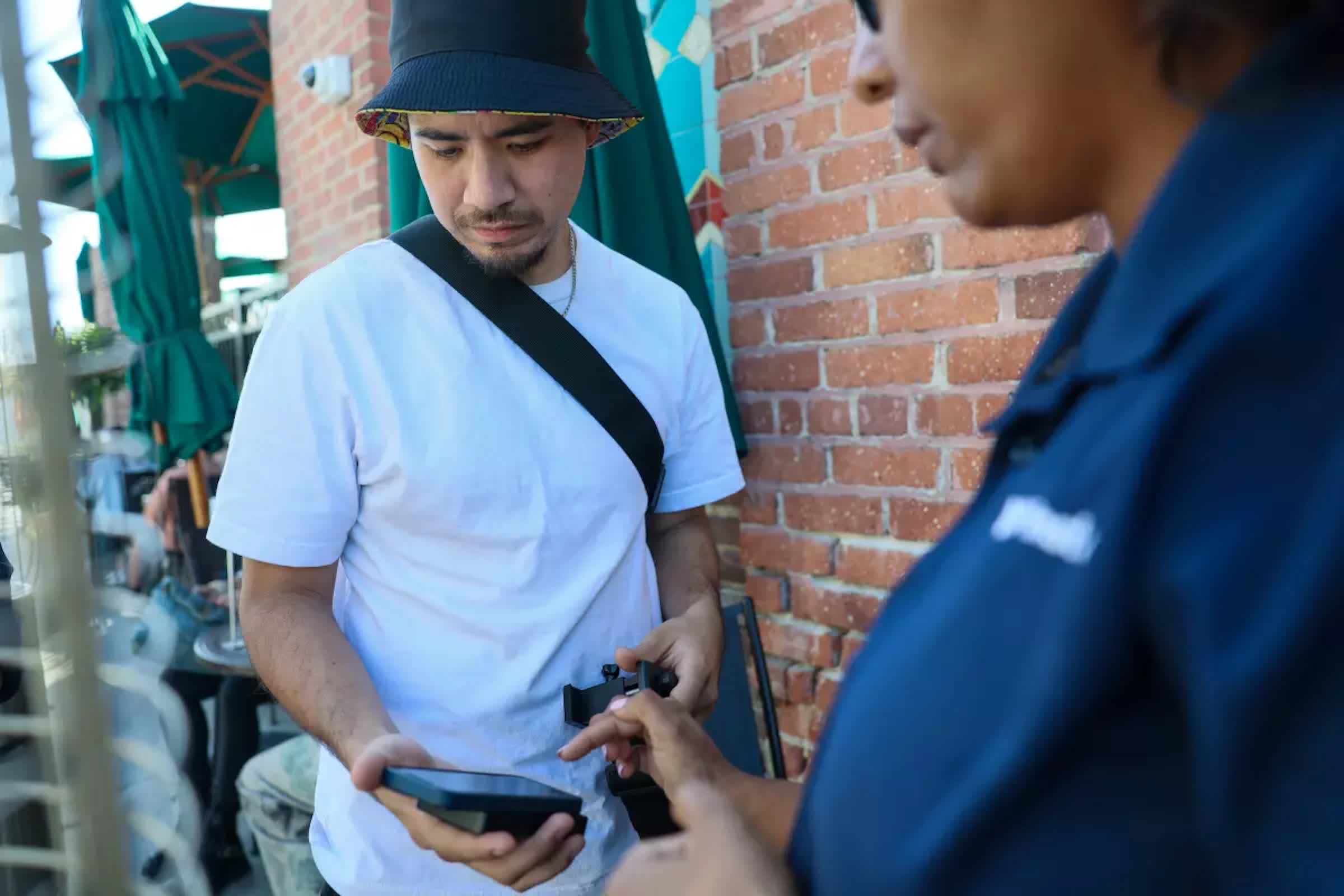
For longtime gig worker Salvador Arciga, who has done everything from delivering food to hanging holiday lights, the task is both easy and oddly futuristic. "I need to do chores anyway," he tells the Los Angeles Times. "Now I get a chance to be paid to do it."
Behind this seemingly simple work lies a high-stakes race to help machines master the physical world. Technology companies – from Tesla and Google to California startups like Figure AI and Dyna Robotics – are competing to build humanoid robots capable of performing complex tasks. Goldman Sachs estimates that the global market for such machines could reach $38 billion by 2035.
Training a robot to behave naturally demands more than static images. It requires synchronized data on human posture, grip strength, balance, and even decision-making context. Some companies are developing specialized hardware – wrist- and body-mounted cameras, 3D depth sensors, and pressure detectors – to better map how hands and bodies move during tasks.
Sunain, a data-capture startup with more than 1,400 contributors in Los Angeles, has turned local homes into miniature motion labs. The company mails out wrist-mounted cameras that capture detailed hand and arm movements as contributors cook, clean, or play. Azzam and Samra Ahmed, Egyptian immigrants living in Pasadena, often wear the recording gear in their one-bedroom apartment. When they chop vegetables or grill chicken for dinner, every gesture becomes data.
For Sunain, that authenticity is essential. Unlike scripted sequences, spontaneous actions such as walking away from the stove to turn off a running faucet show robots how to handle interruptions and shift priorities mid-task.
"These robots need to understand the context switching that humans do," says CEO Shahbaz Magsi. The startup has signed up more than 1,400 contributors across Los Angeles and manages similar projects in Turkey, Singapore, Canada, and Malaysia. Globally, it coordinates 25,000 contributors across 30 countries working on voice, video, and text completion tasks.
The scramble to obtain real-world behavioral data has become one of the fastest-growing corners of the AI industry. Market intelligence firm Grand View Research projects that the global data collection and labeling market could reach $17 billion by 2030. Scale AI, a Meta-backed firm, claims to have gathered at least 100,000 hours of footage for robotics. Another competitor, Encord, raised $60 million this year after reporting a tenfold surge in revenue from its physical AI operation.
"Humans are supplying ground truth, judgment, or structured feedback that models can't reliably produce on their own yet," explains Jason Saltzman of CB Insights.
Similar efforts are unfolding worldwide. In China, state-owned training centers employ workers who operate robots via virtual reality headsets, while some countries host "arm farms" dedicated to capturing motion data, such as opening doors or folding laundry.
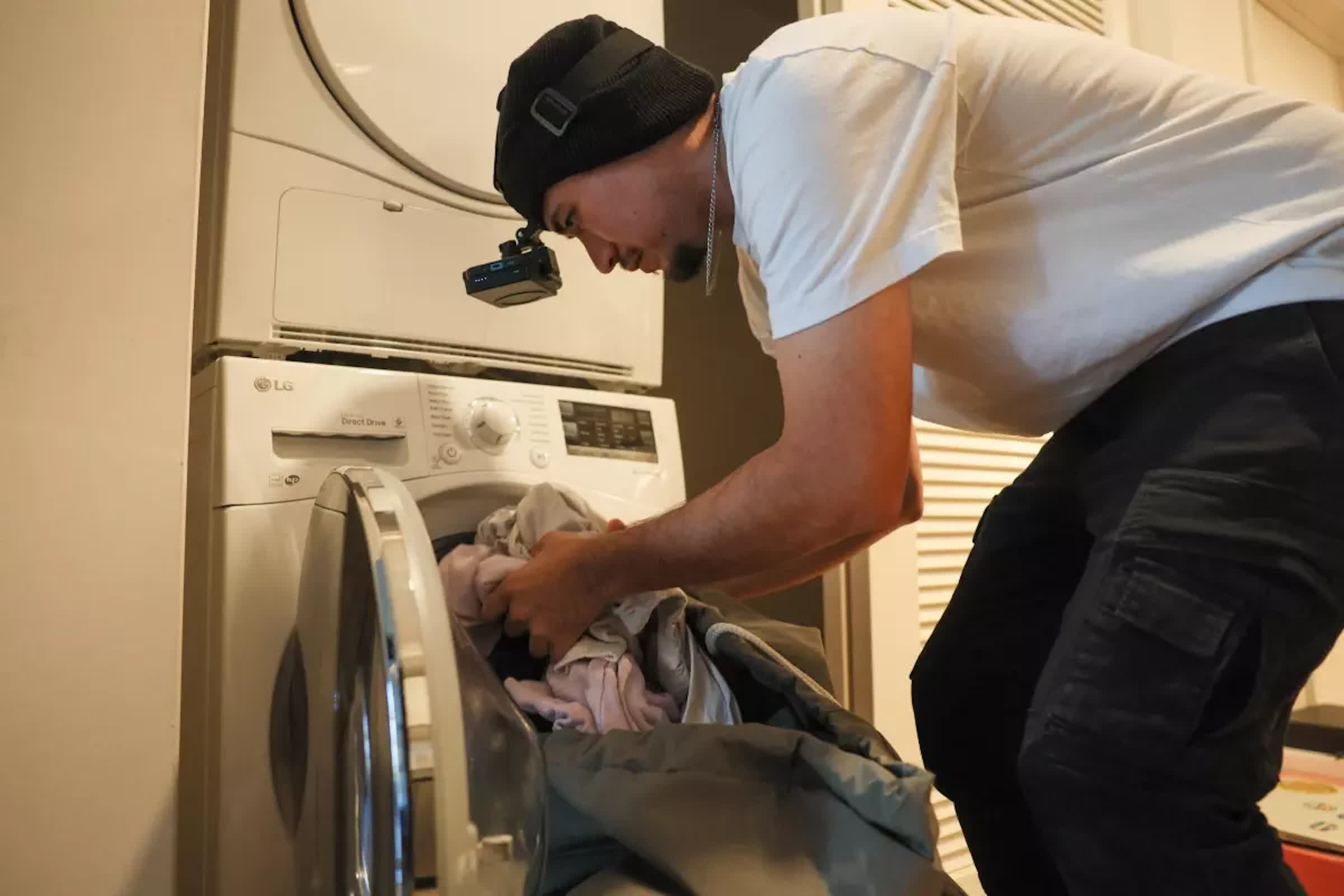
Critics have warned that this labor, while necessary, is often underpaid and could one day enable automation that displaces the very workers performing it. But for many participants, quick cash outweighs longer-term concerns. The Ahmeds each earned $1,200 by filming their chores – money they've set aside for savings. "We are making money off something that we do every single day," Azzam Ahmed said. "That's like getting paid for breathing."
The job isn't without frustration. Interruptions from calls can spoil a session, and videos are sometimes disqualified for poor lighting or blocked views; steam from the Ahmeds' cooking once voided a recording. Even so, both continue. Their apartment has effectively transformed into a studio where digital systems learn human grace in slow increments.
The prospect of everyday workers training systems that may one day replace them raises uncomfortable questions. Some of Arciga's friends tell him he's "the problem." He shrugs off the criticism, viewing it instead as another inevitable shift in technology's long relationship with labor. "New technology always brings fear and change," he says. "People will still need people."
Image credit: The Los Angeles Times
Gig workers are getting paid to film their daily chores to train robots


