Bottom line: Global chipmakers are heading into 2026 with overflowing order books... and surprisingly little clarity about when the current AI spending spree might crest. The semiconductor industry is now on track to post $1 trillion in global sales this year, a figure that would have sounded completely out of reach not long ago. The milestone underscores just how deeply AI has reshaped demand across the sector.
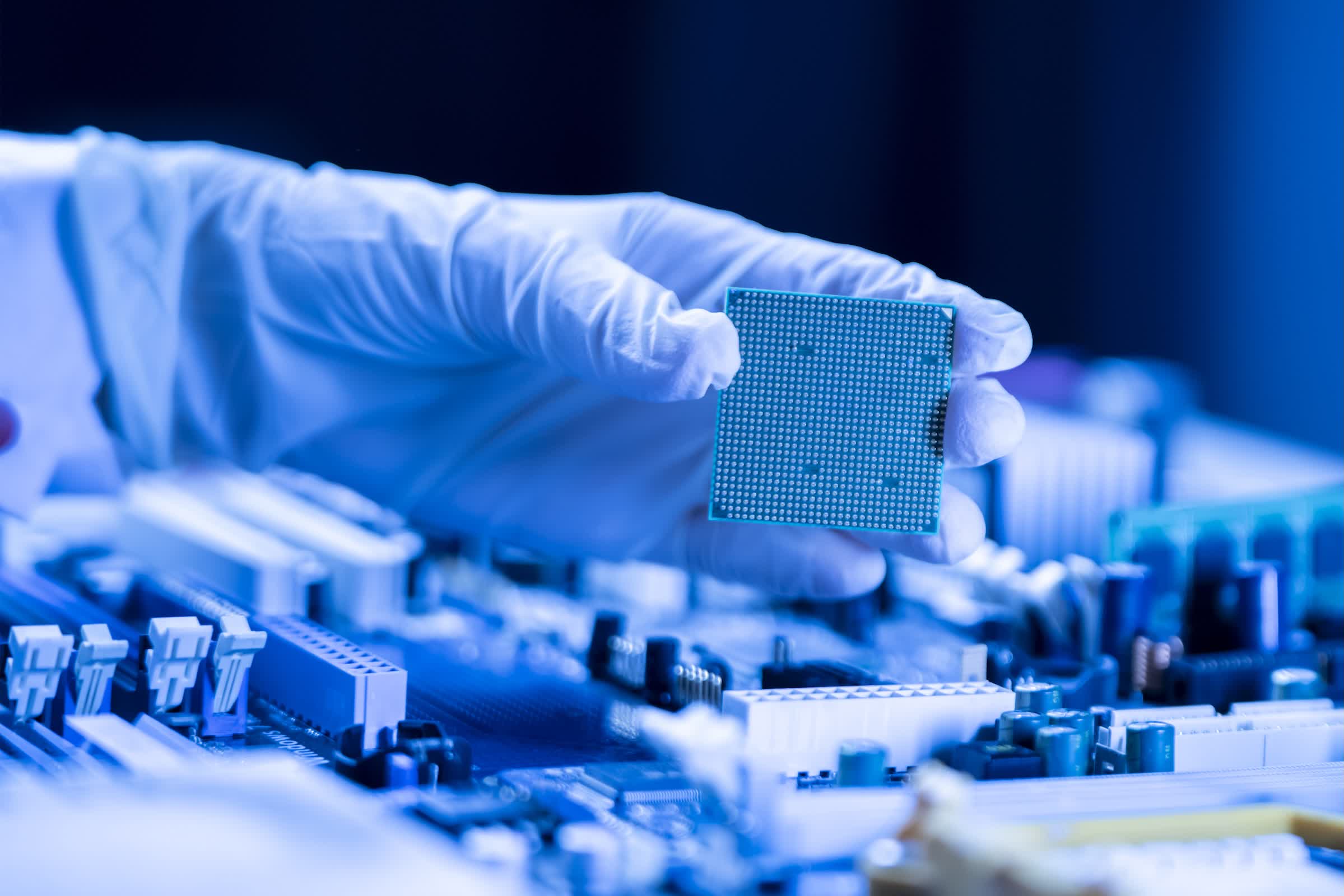
According to the Semiconductor Industry Association, worldwide chip revenue hit $791.7 billion in 2025, up 25.6 percent year over year. The surge reflects an unprecedented wave of capital spending as tech giants race to build out AI infrastructure in data centers around the world. Rather than a narrow spike in a niche product, the surge is running through the core of the industry's product mix and supply chain.
The biggest gains came from advanced computing chips designed for data center workloads, including AI training and inference. That category is dominated by Nvidia, AMD, and Intel, who generated $301.9 billion in sales last year, a 39.9 percent jump.
These processors sit at the center of modern AI clusters, optimized for massively parallel workloads and typically deployed in dense racks alongside high-bandwidth memory and specialized networking. Their rising share of total revenue highlights the industry's shift away from general-purpose CPUs toward accelerators purpose-built for large-scale machine learning.
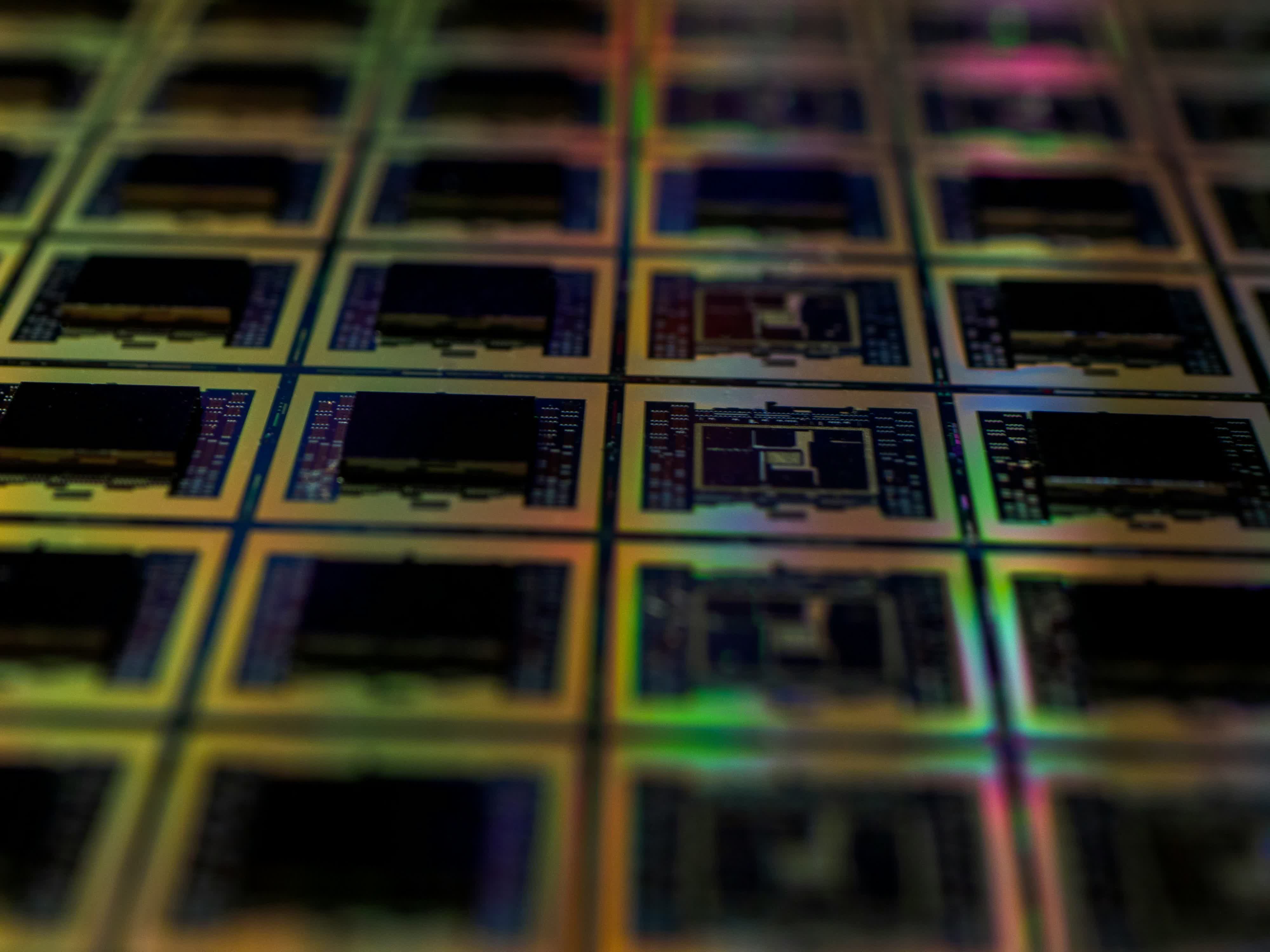
Memory was the second-largest segment in 2025, propelled by AI's relentless appetite for capacity. Sales of memory products climbed 34.8 percent to $223.1 billion, driven by both higher volumes and rising prices.
The same workloads that demand more compute also require enormous pools of DRAM and other memory to keep large models fed with data. That pressure has strained a market already known for volatility, with shortages pushing prices higher and forcing some customers to rethink deployment timelines.
The SIA says demand is touching nearly every corner of the chip ecosystem, from small design houses to specialized manufacturers.
After meeting with executives in Silicon Valley, SIA president and CEO John Neuffer summed up a sentiment he's hearing repeatedly: "No one knows what's going to happen with the AI build out a year from now, but my orders are completely full," he told Reuters. That mix of long-term uncertainty and near-term confidence is shaping how companies approach the next phase of investment.
Beneath the optimism, familiar risks are resurfacing. Supply chain resilience remains a concern after years of disruptions forced the industry to reconsider its reliance on a narrow set of manufacturing hubs and logistics routes. Capacity planning is another challenge, as companies weigh how aggressively to invest in new fabs, advanced packaging lines, and test facilities while utilization is sky-high but future demand remains hard to model.
Lurking in the background, too, is the industry's long memory of boom-and-bust cycles, in which a rush to add capacity during strong years left the industry exposed when demand eventually cooled. Those patterns have long shaped SIA commentary and still factor into decision-making, even as AI appears to be driving a more structural shift in demand.
For now, the data points to what Neuffer called "a pretty, pretty strong glide path" for at least the next year. Advanced computing and memory products tied to AI infrastructure are setting new records, and order books remain full across much of the supply chain. Whether the industry can carry that momentum into the trillion-dollar era without repeating past excesses may be one of the defining questions for chipmakers in the years ahead.
Global chip sales are on track to hit $1 trillion thanks to AI


