
Through the looking glass: As passwords continue to face criticism for being generally insecure or sometimes difficult to remember, tech giants have introduced numerous alternatives. Google's latest option resembles Apple's Face ID but is slightly more complex and can unlock accounts on multiple devices. Users in the wild will doubtlessly test its resilience against fraud.
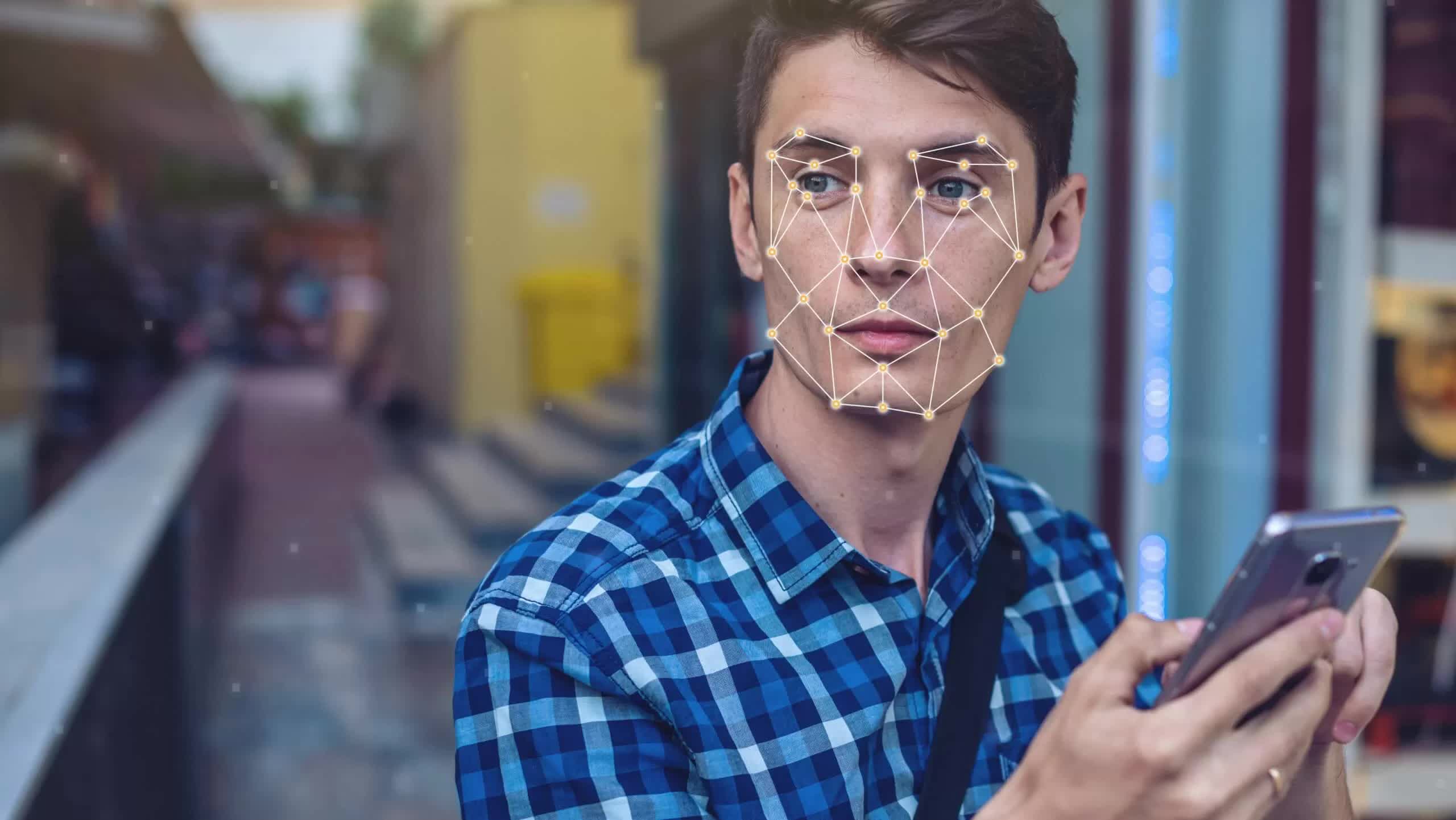
Google account holders can now check their eligibility to test a new sign-in method that compares a selfie video with an encrypted version stored on the company's servers. Google aims to provide a last resort when users cannot remember passwords or utilize passkeys.
Eligible users can set up a selfie video by signing into their Google accounts and navigating to Security & sign-in > How you sign in to Google > Selfie video. On the page for adding a sign-in selfie, click or tap Continue and follow the onscreen directions. The company recommends that users record selfie videos alone and without sunglasses, masks, or hats. If users attempt to set up a selfie video on a PC or other device without a camera, a QR code can migrate the process to a smartphone or other camera-equipped device. Child accounts, Workspace accounts, and accounts in recovery mode are ineligible.
Once users store a selfie video, they can sign in from any other device by taking another selfie video, which is compared to the original. To protect against impersonators using photos or other circumvention methods, the feature instructs users to move their heads. Furthermore, Google claims that multiple security layers can detect deepfakes.
Tech companies and experts have long advised against using passwords. Hackers can brute-force most conventional passwords relatively easily, and a shockingly high number of people still set awful passwords such as 123456 to avoid forgetting them.
Also Read: Are Passwords Dead? What Are Passkeys, and Why Everyone's Talking About Them
Passkeys, which tie authentication to PINs and biometrics on specific devices, are highly recommended. However, Google's new selfie videos might help when users do not have access to their usual devices or recovery contacts.
Whatever authentication method users choose, security experts also widely recommend multi-factor authentication, usually involving temporary codes, as long as the codes are not sent over SMS, which attackers can easily intercept. Microsoft recently confirmed plans to stop supporting SMS codes, encouraging users to delete their passwords and switch to passkeys.
Google now lets you sign into your account using a selfie video


