High-end audio brands are ditching CD players because nobody makes disc drives anymore

DragonSlayer101

Posts: 1,056   +15
Staff
Facepalm: The collapse of optical disc drive manufacturing might prove to be the final nail in the coffin for the few remaining players in the hi-fi audio industry. According to reports, premium brands like PS Audio and Naim have either halted the production of new CD players entirely or ditched optical media drives in their streaming amplifiers due to a severe supply crunch.
In January 2026, PS Audio sent an email to customers, informing them that the company was ending production of its PMG Signature Audio CD Transport due to the unavailability of optical disc drives used in these devices. The company did not identify the CD drive mechanism or its supplier.
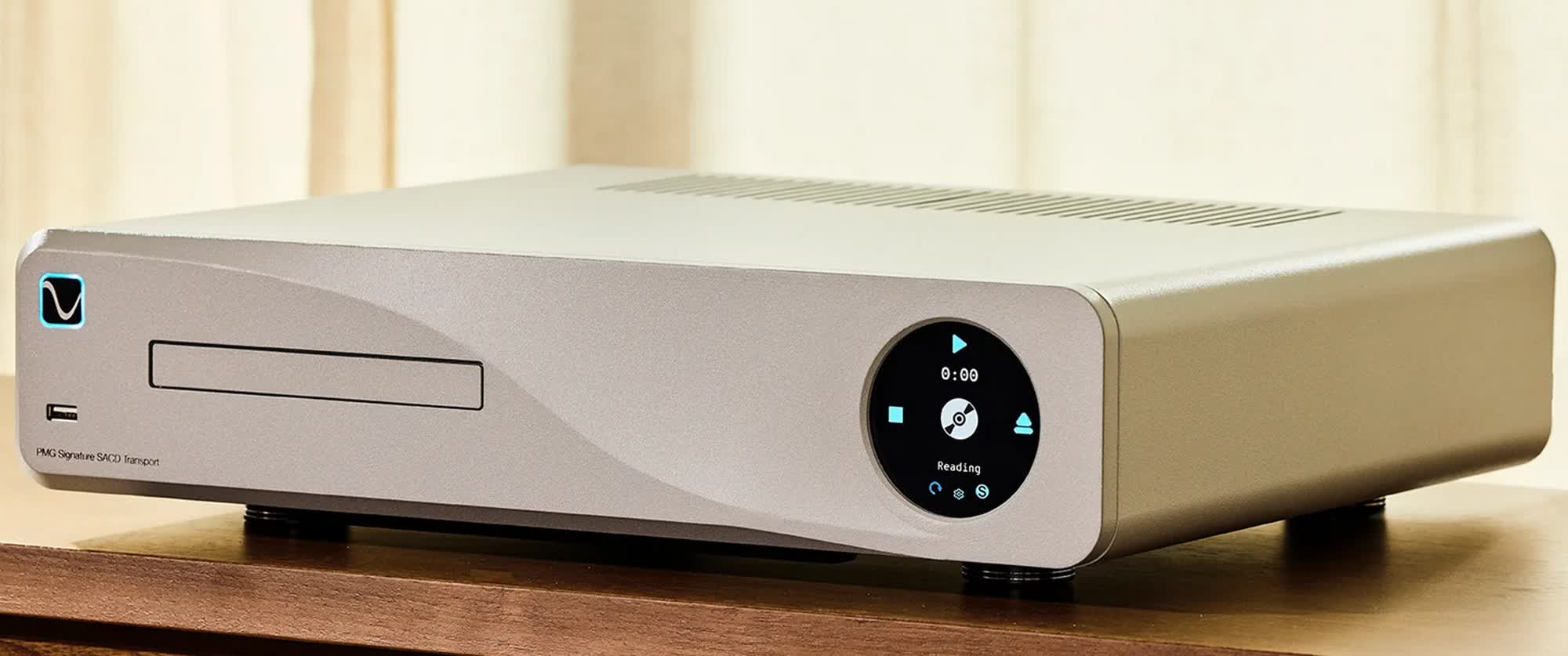
Replying to a customer on the official PS Audio forums about whether PS Audio plans to introduce new models with CD transports, founder and CEO Paul McGowan stated that building the disc-playing mechanism from scratch is "waaaaaay beyond our skills," and that the company would ideally continue working with "transistors, tubes, capacitors and code."

McGowan, however, offered some hope for the CD faithful, saying the firm could launch a new CD transport device in 2027, but that "it won't be a PMG. It'll likely be a Stellar." While PMG is PS Audio's uncompromising high-end flagship series, Stellar and Stellar Gold are positioned as mid-tier devices with more affordable price tags.

While PS Audio has officially ceased production of the PMG Signature Audio CD Transport, Naim ditched the CD player in the latest version of its Uniti Star streaming amplifier. The company launched the new Uniti Star Lite last month, but unlike the original Uniti Star, it lacks a built-in CD player.
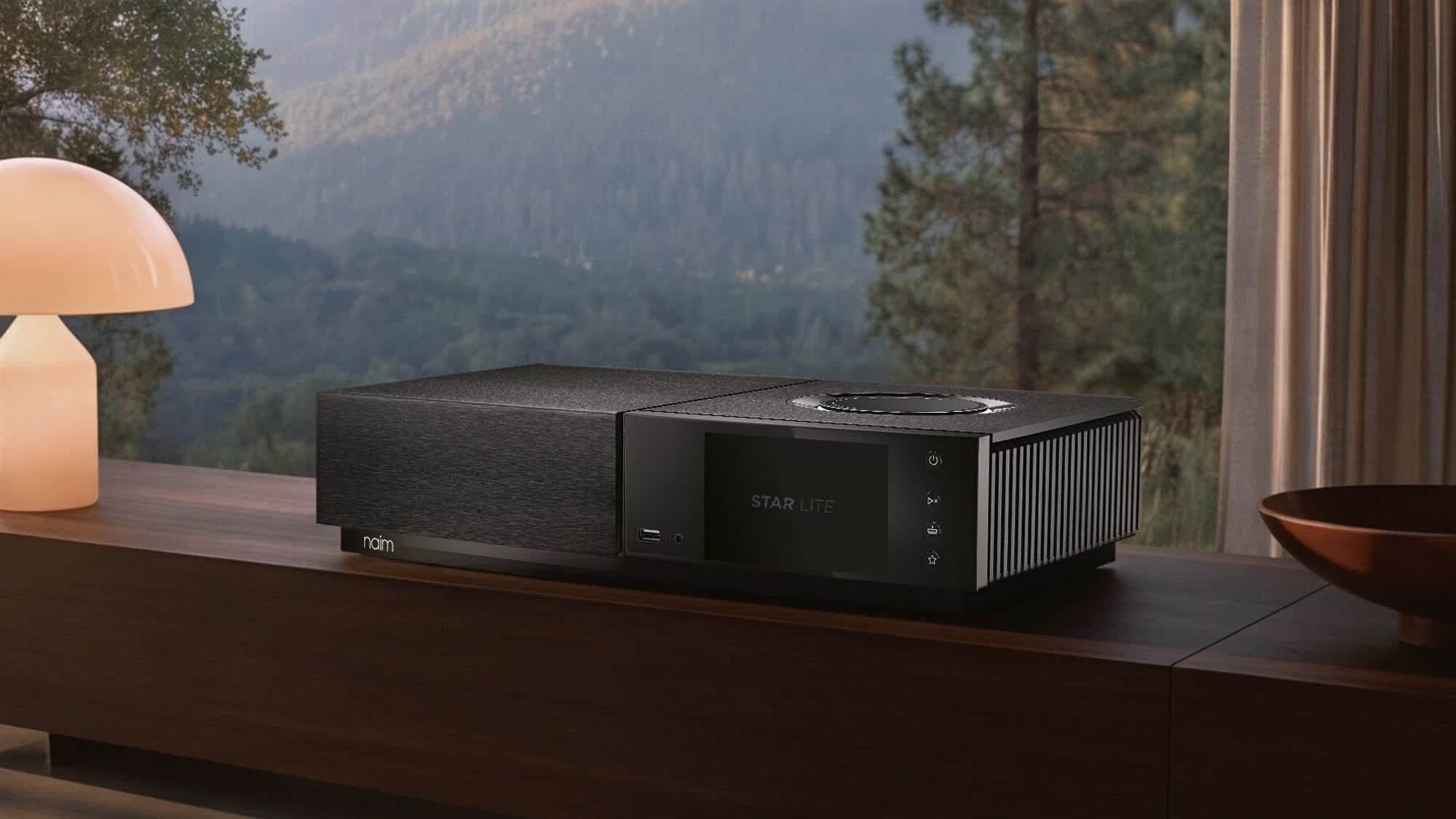
According to Naim, the CD player was removed because the disc mechanism found in the Uniti Star was no longer manufactured. Naim did not identify the drive mechanism, but a 2023 forum post by company representative Neil S. claimed that the UnitiServe ripper contained a Teac DV516GB DVD-ROM drive typically seen in older desktop computers.

While customers were unhappy about Naim's decision to ditch the optical disc drive, the company claimed that removing it improved the audio quality by reducing internal electrical noise, which created a cleaner signal path and greater audio transparency. Thanks to the absence of the CD drive, the new device is 2.2 pounds lighter and £300 cheaper than the original Uniti Star.

Permalink to story:

 
Vinyl is one thing, but optical disks are literally just a storage medium for digital binary data, with a shelf-life too. There is no fidelity advantage they could possibly offer compared to data stored in flash memory or data streamed over the internet. It's time to relegate them to the history books.
 
The only defense I have for CD players is that the music is balanced. Same bitrate, same loudness/volume... When you use digital files on a flash drive, the music is all over the place.
 
As long as we can purchase CD/DVD drives for PC, and burnable CD in the supermarket, I'm fine.
Like it or not, optical drives are still a solution to consider when you need to store some data in the long term.

Also, some of us still enjoy buying music CDs in stores. There are other manufacturers that sell players supporting music CDs.
 
Hifi audio was around long before the concept of a compact disc and will persist long after. It's a component tier, not a technology.

All you need is a high quality source, a high quality DAC if that source is digital, your choice of amp, and hifi speakers or headphones/IEM. That's it.

One company throwing up their hands and terminating their flagship premium tier box because they can't source CD drives does not constitute the end of high fidelity audio. Otherwise, what are they using in studios?
 
Vinyl is one thing, but optical disks are literally just a storage medium for digital binary data, with a shelf-life too. There is no fidelity advantage they could possibly offer compared to data stored in flash memory or data streamed over the internet. It's time to relegate them to the history books.
You are not wrong, but the problem is that most digital music out there are based on lossy formats and poor in quality when compared to what you find on audio CDs. And the real advantage is the fact that you actually own the disc, while you are more like renting on a digital store in most cases now.
 
As long as we can purchase CD/DVD drives for PC, and burnable CD in the supermarket, I'm fine.
Like it or not, optical drives are still a solution to consider when you need to store some data in the long term.

Also, some of us still enjoy buying music CDs in stores. There are other manufacturers that sell players supporting music CDs.
Apart from photos, I hardly store anything long term. Having said that, you need to remember that if everyone stops producing optical drives, then you won't have anything to read these discs. Current optical drives will eventually kick the bucket.
 
..There is no fidelity advantage they could possibly offer compared to data stored in flash memory or data streamed over the internet..

A CD stores audio uncompressed with no loss of fidelity. Flash memory could do the same thng.

Streaming music is surely compressed before it is transmitted, and it may be stored in a compressed, lossy format too.
 
Back