We're losing the night sky as light pollution makes it 10% brighter every year

Shawn Knight

Posts: 15,864   +203
Staff member
Editor's take: I've always wanted to capture an image of the Milky Way galaxy – or, at the very least, see it with my own eyes in real time. I've got the photography know-how to pull off what would be a frame-worthy shot of our galaxy, as well as the desire to make it happen, but the opportunity simply hasn't presented itself yet. And if the statistics are to be believed, I might never get to cross this one off my bucket list.
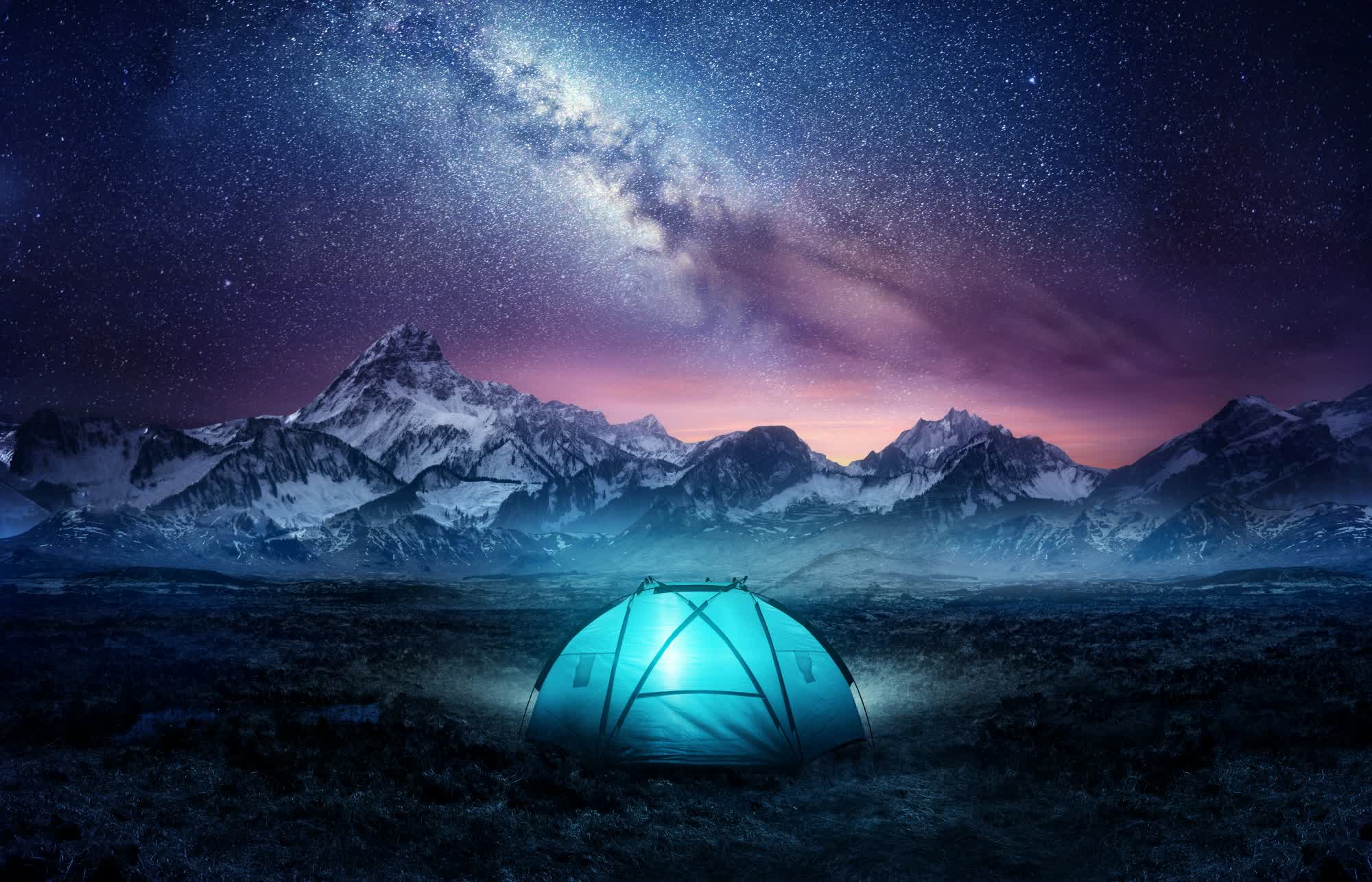
Man-made light pollution is the culprit, and it's not just from above. You've no doubt heard of the growing headache that orbiting satellites are causing astronomers trying to photograph the night skies. Compounding the matter is the modern amenity that is artificial light on the ground. Thanks to technologies like LED lighting, large cities and neighborhoods are brighter than ever.
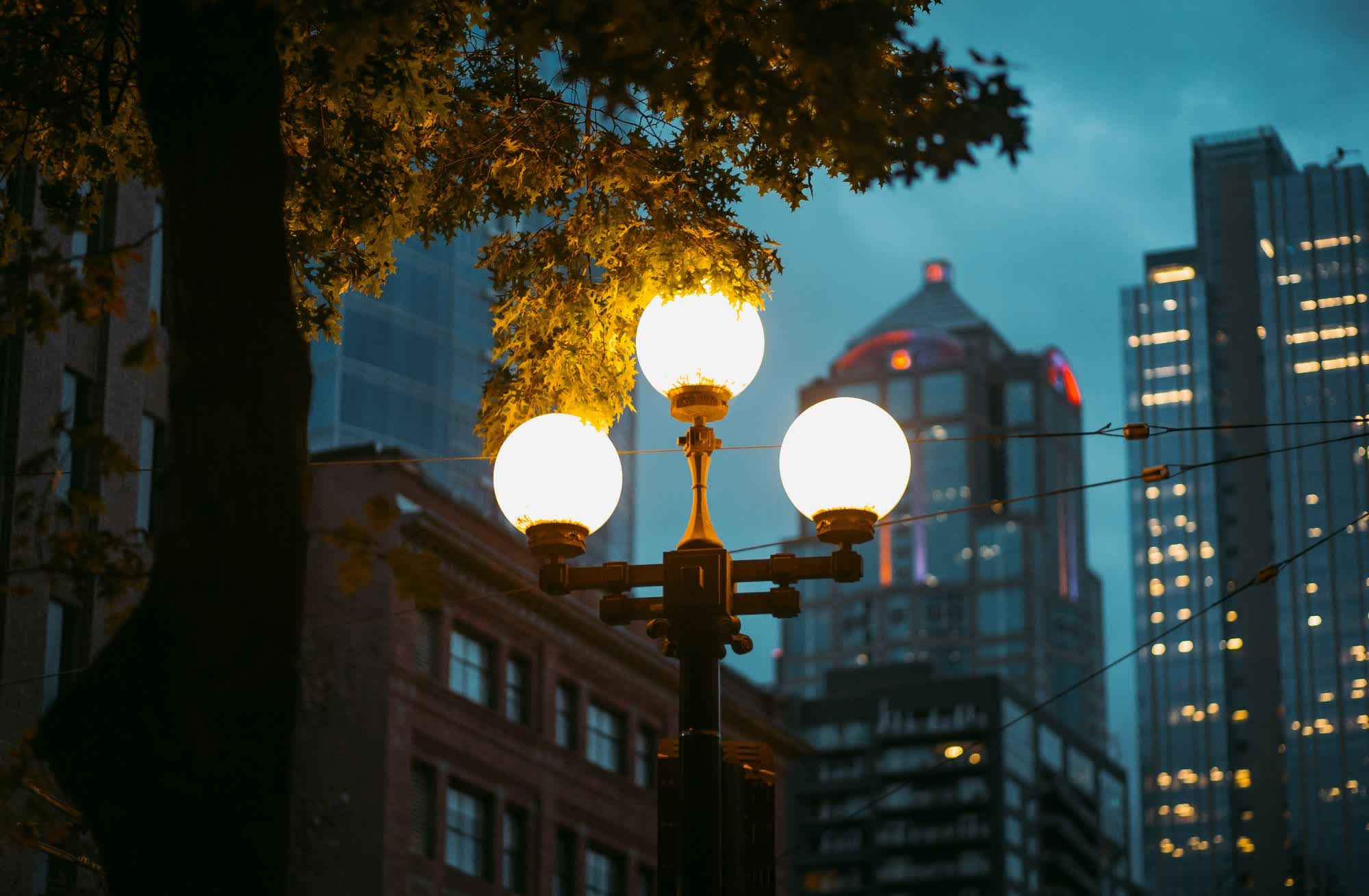
And we're not just talking small numbers here. According to one report, the average night sky got brighter by 9.6% per year from 2011 to 2022. That equates to a roughly doubling of the sky's brightness every eight years. Another study notes that four out of five people live under light-polluted skies. Given those odds, it's likely that you've never even seen the night sky as it was intended.

As Tove Danovich with The Guardian highlights, access to a dark sky is about more than just stargazing. Light pollution can confuse nocturnal animals that use moonlight to navigate, and being in a brightly lit environment around the clock can throw off the circadian rhythm of most all living creatures – humans included.
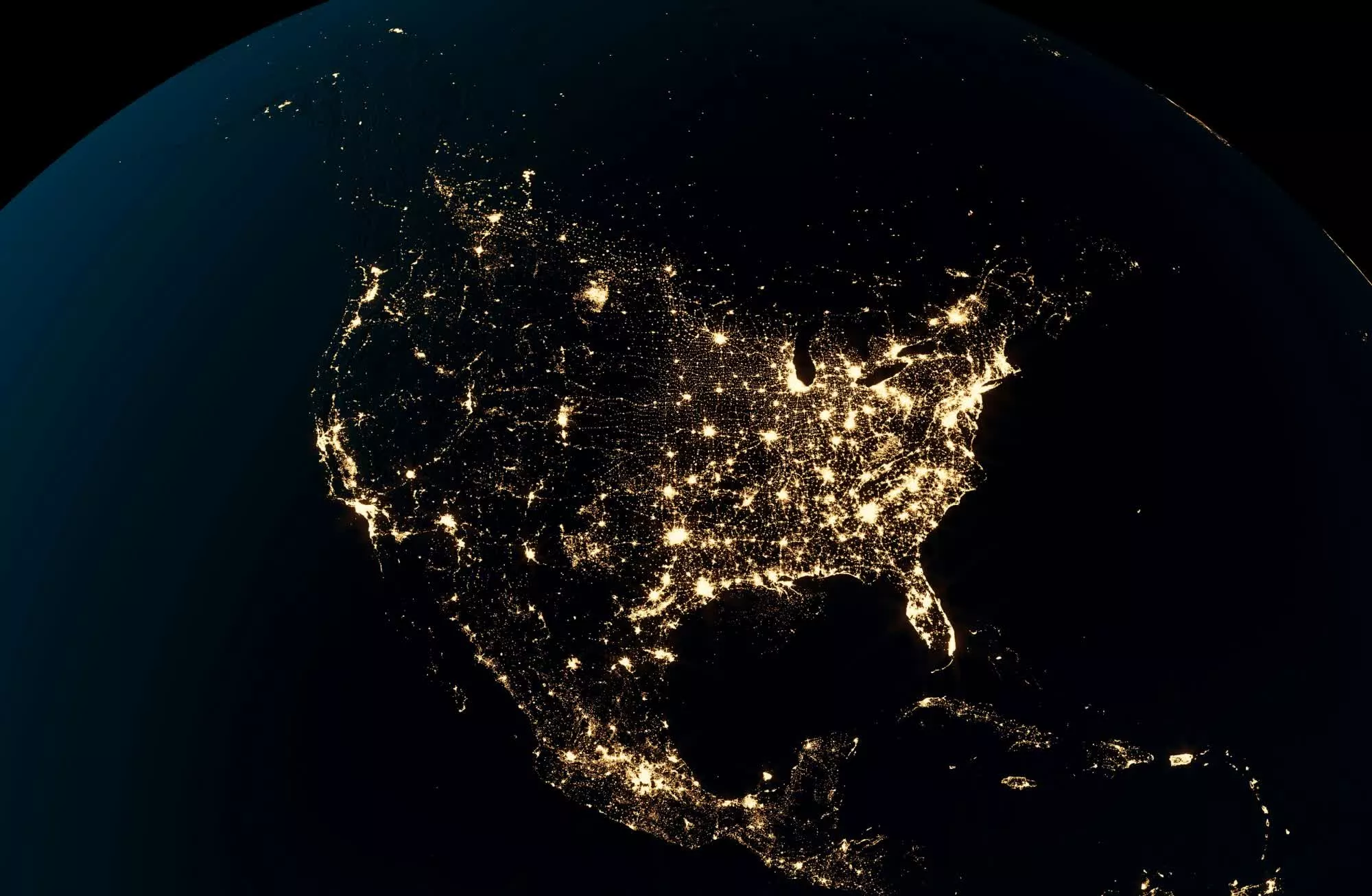
Some communities are already taking steps to reduce ground-based light pollution. Flagstaff, Arizona, has rules in place to regulate how much light can be used at night, what type, and where it can legally shine. New York state is also considering similar restrictions. But as Danovich correctly notes, such restrictions do nothing to combat space-based light pollution sources like satellites designed to beam sunlight to Earth at night.

Indeed, it feels like darkness is quickly becoming a luxury.

Permalink to story:

 
As a star gazing hobbyist, it’s a real shame. Truly dark skies are being banished to the middle of the desert in the US and that’s not even considering satellite pollution.

What’s annoying is how much of it is unnecessary. Pointing lights at the ground instead of 360 degrees is more efficient for it’s useful purpose while also preventing light pollution. It’s mostly laziness and ignorance driving it.
 
This is true in densely populated areas, but calling it 'pollution' is kinda ridiculous.

I doubt there is a non-negligible amount of people who would prefer to live without electricity and without light 'pollution', as opposed to having electricity and light 'pollution'.

You can always observe the night sky from unpopulated areas.
 
As a star gazing hobbyist, it’s a real shame. Truly dark skies are being banished to the middle of the desert in the US and that’s not even considering satellite pollution.

What’s annoying is how much of it is unnecessary. Pointing lights at the ground instead of 360 degrees is more efficient for it’s useful purpose while also preventing light pollution. It’s mostly laziness and ignorance driving it.
I hate all the bright blueLED street lights. I miss the warmer light of high pressure sodium lamps. The worst part is that it doesn't have to be this way, we can make warmer LEDs to use as streetlights.
 
As a star gazing hobbyist, it’s a real shame. Truly dark skies are being banished to the middle of the desert in the US and that’s not even considering satellite pollution.

What’s annoying is how much of it is unnecessary. Pointing lights at the ground instead of 360 degrees is more efficient for it’s useful purpose while also preventing light pollution. It’s mostly laziness and ignorance driving it.

All of this. Point 50% of your light up and it wastes 50% of your money and spends 50% more power than needed. Full cutoff lights with reflectors gets close to 100% of your light and money on the ground where you want it so you use half the power for the same coverage. The huge reduction in light pollution is merely a great side-benefit. It's an easy win-win but as usual ignorance rules the day.
 
The fact you post here means you use electricity. Should we consider your posts 'pollution'?
Maybe we should.
False equivalency. You just love your logical fallacies. Look dude, I know the word "pollution" triggers you, but simply pointing out that light can be considered a pollutant in some instances isn't the equivalent of wanting to return to the stone age. You do know there are other ways of limiting light pollution instead of going back to burning candles, right?
 
I remember as a kid, growing up in a small town middle America (3k population), sitting out during the NASA launches and watching skylab as it flew over one night. Once in a while in the summer, you'd see a comet, asteroid or something flash across the sky and wow the amount of stars you'd see.
Now, living in a city, population 200K, you are lucky to see the big dipper!
 
Back