Something to look forward to: Intel and BOE have an ambitious plan to deliver significantly better power efficiency for laptop users – not just by optimizing the CPU, but by teaching the display itself to sip power. The two companies have now shared more details about the initiative, which is nearly ready for market debut a year after it was first announced.
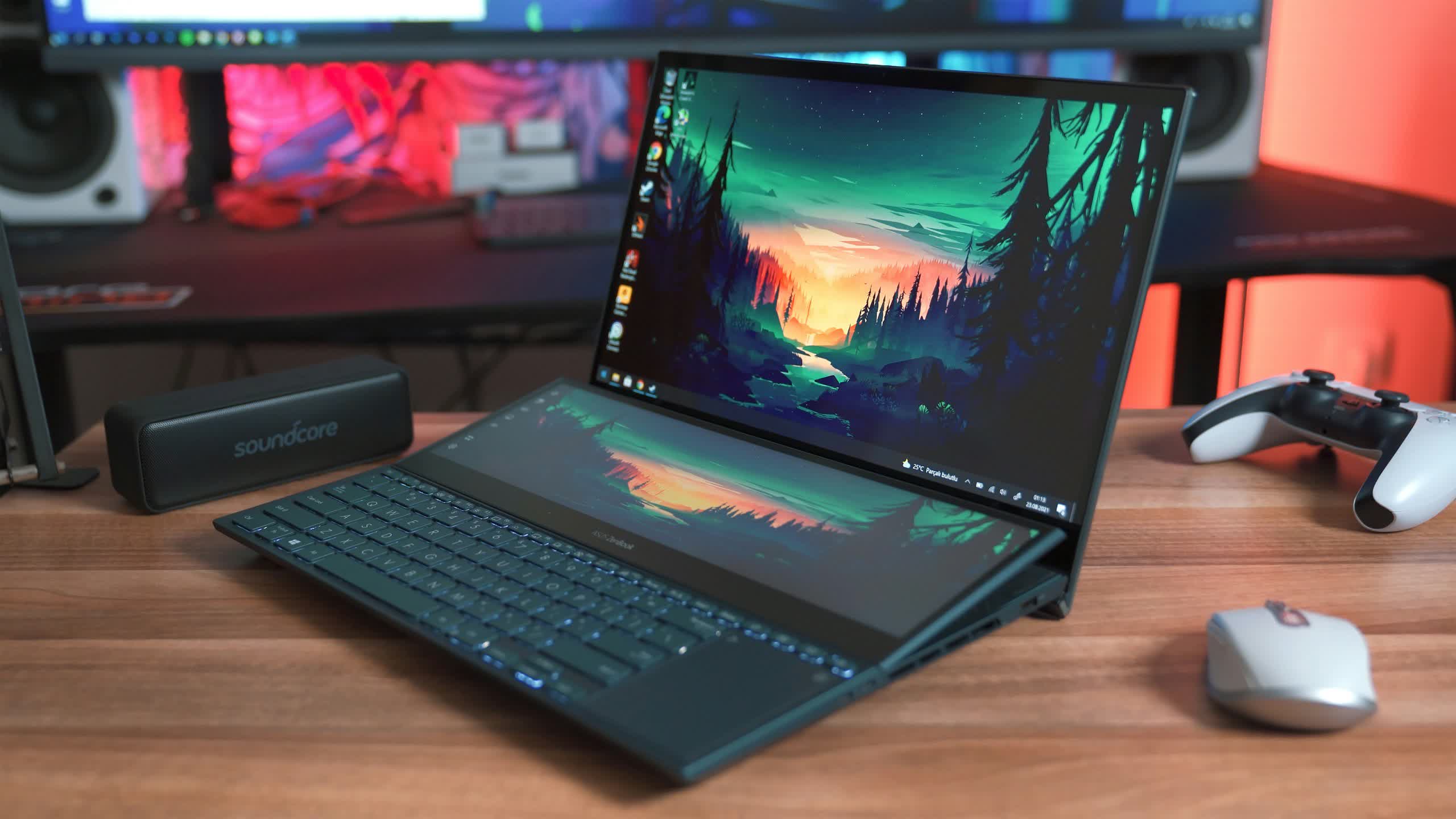
Intel has partnered with BOE Group to develop some new, promising technology advancements for portable PCs. The collaboration is finally bearing fruit, as the companies announced that their "AI-based" solution will debut in laptops built on the Intel platform in 2026.
According to Todd Lewell, VP and general manager of Intel's PC ecosystem, the two companies have been working on energy-saving technologies for nearly a decade. Their primary goal has been to "significantly" extend the battery life of Intel-powered laptops, allowing users to enjoy their devices longer, whether for work or leisure.
About a year ago, Intel unveiled a major innovation for laptop power efficiency designed to slash power consumption by up to 65% by reducing the display refresh rate to 1Hz. This extreme refresh rate "trick" isn't exactly groundbreaking, as modern smartphones like Apple's iPhone 17 already use similar adaptive refresh-rate systems, but the innovation marks a notable step toward energy-efficient PC displays.
Now, Intel and BOE – one of the world's largest manufacturers of LCD, OLED, and flexible displays – have announced two additional power-saving technologies. The first, called Multi-Frequency Display, is designed to intelligently detect and coordinate with both the operating system and Intel's integrated graphics hardware to optimize energy use.
The second, SmartPower HDR, targets the high power demands of displays running in high dynamic range (HDR) mode. HDR has become an increasingly popular feature in modern laptops and desktops, but its constantly shifting brightness levels often lead to unpredictable spikes in energy consumption.
SmartPower HDR dynamically adjusts display voltage based on the brightness required for the content being shown. According to Intel and BOE, this can "significantly" reduce power draw during darker scenes while still delivering "superior" visuals in high-brightness moments.
BOE is expected to become a key supplier of OLED panels featuring SmartPower HDR. The company will collaborate with Intel and OEM partners to integrate the new technologies into laptops launching in 2026. Hopefully, BOE will eventually bring these power-efficiency innovations to non-Intel laptops as well.
Intel and BOE want your next laptop screen to drop to 1Hz – and save a ton of battery


