Intel could sell up to 49% of foundry business under US restrictions, but full spinoff or IPO is off the table

Skye Jacobs

Posts: 2,013   +59
Staff
The big picture: Intel's foundry business remains a focal point of speculation in Washington and throughout the semiconductor industry. For months, rumors have circulated about potential moves, ranging from Intel spinning off its manufacturing arm into a separate company to the US government pressuring the chipmaker to sell a significant stake to TSMC. So far, none of these scenarios has materialized.
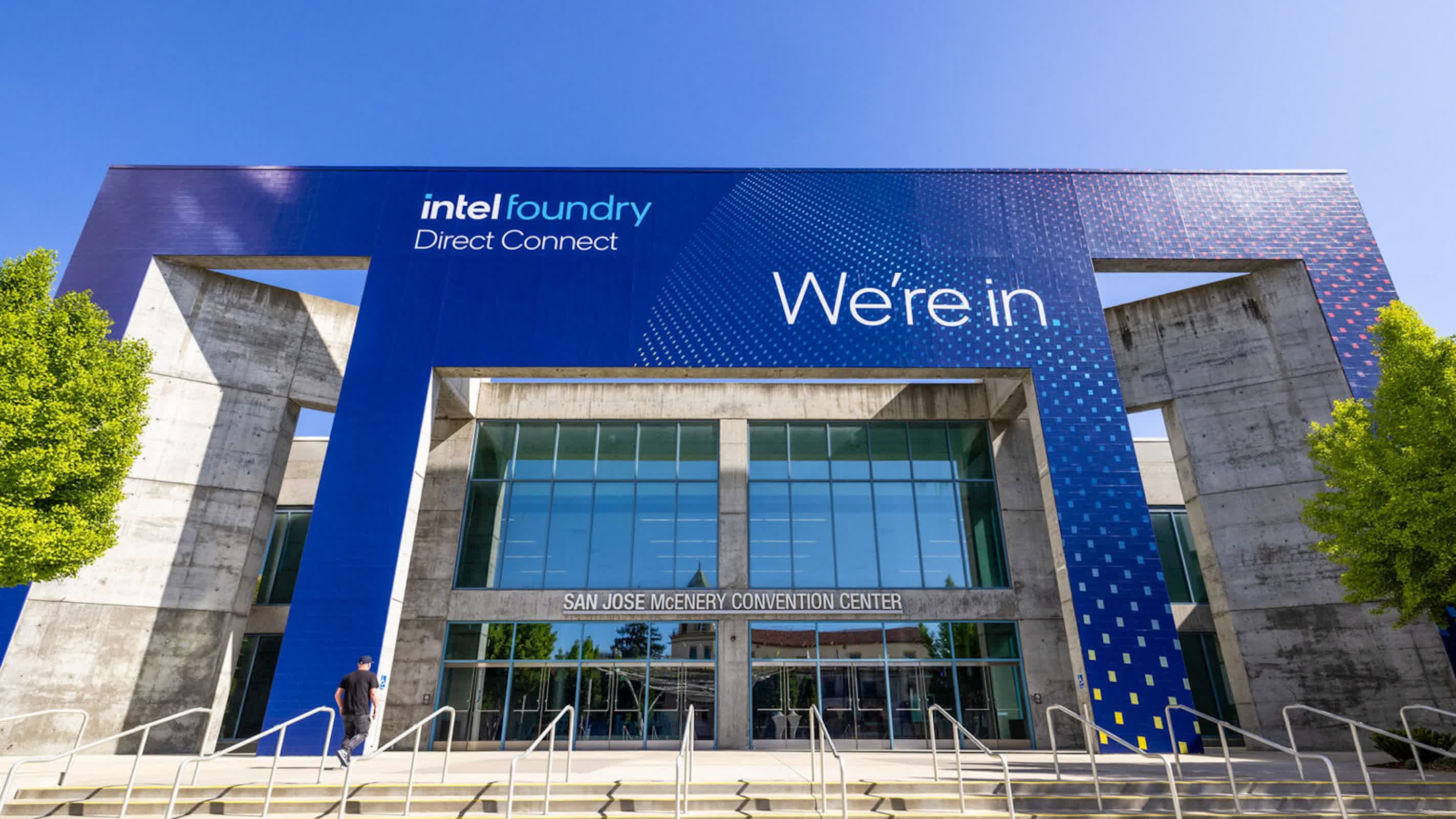
What is clear now is that Intel faces strict structural limits on what it can do with Intel Foundry for at least the next five years.

At a recent investor conference in New York, Intel Chief Financial Officer David Zinsner signaled that while the company could sell a minority stake in its foundry business, it would avoid relinquishing control. "As long as we hold 51 percent, essentially it does not trigger," Zinsner said during Citi's 2025 Global TMT Conference. He stressed that Intel is unlikely to push its ownership below that threshold: "Our motivation will probably be not to sell below 51 percent because that would dilute investors significantly."

The U.S. government has tied strict conditions to the financial assistance Intel received under the CHIPS and Science Act – support that was not limited to grants and loans.

As part of the deal, the government also secured warrants convertible into Intel stock. These provisions take effect if Intel sells more than half of Intel Foundry or attempts to divest control of the unit. The agreement requires Intel to maintain majority ownership for at least five years, effectively ruling out a true spinoff during that period. Only after that window could Intel consider restructuring the foundry as an independent company, similar to the model rival AMD adopted in 2009 when it launched GlobalFoundries.
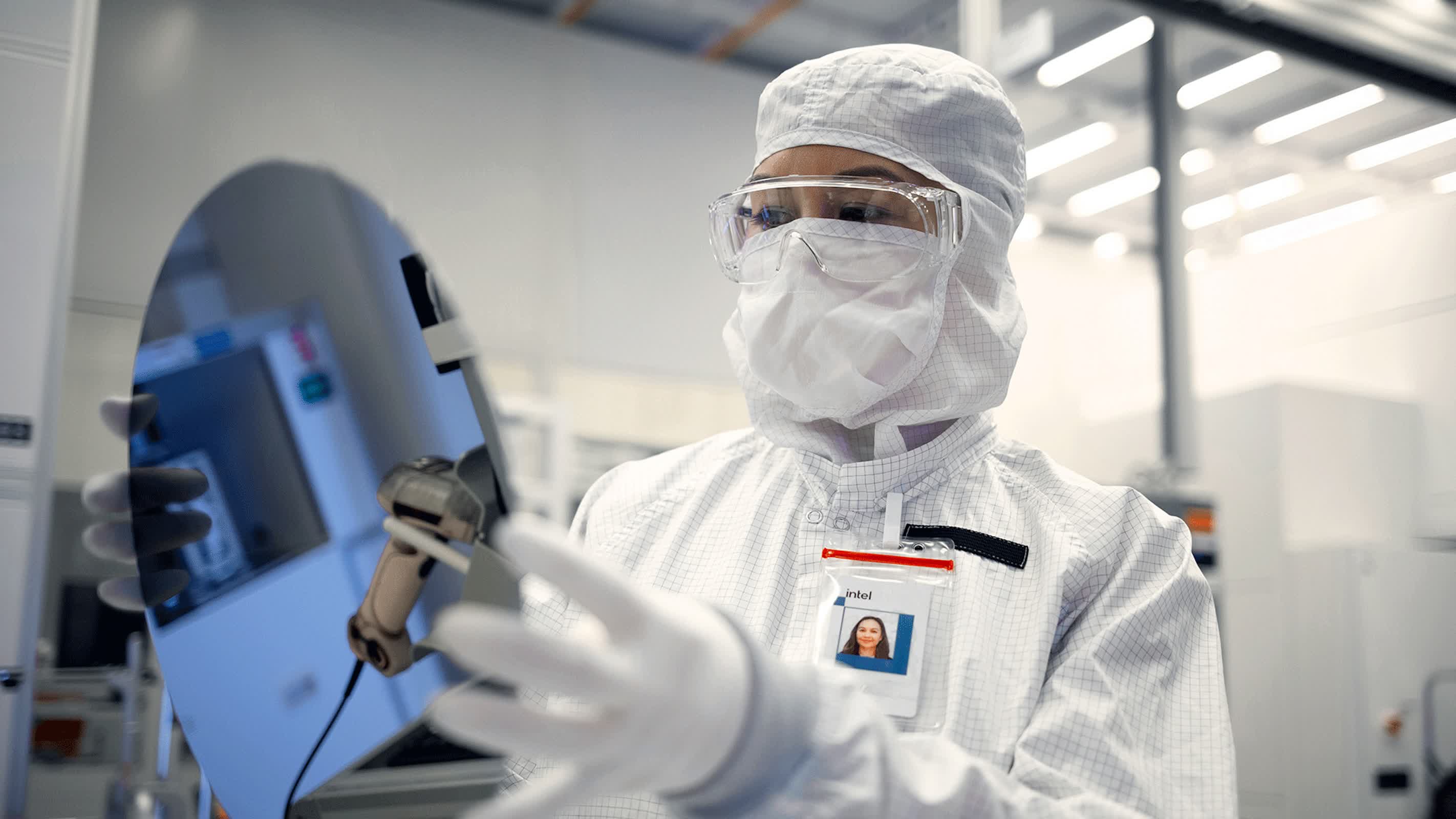
For Washington, that requirement carries a strategic dimension. Keeping Intel Foundry under US control ensures that advanced manufacturing capacity remains aligned with national security priorities, particularly as tensions over Taiwan's role in the global chip supply chain remain high. Allowing a foreign competitor or even a financial consortium to take control could undermine those objectives.

Intel itself does not exercise full autonomy over its factories today. While the company owns and operates foundries in the US, Ireland, Israel, Puerto Rico, Malaysia, and China, several of its most advanced plants are structured as joint ventures through the Semiconductor Co-Investment Program launched in 2022.
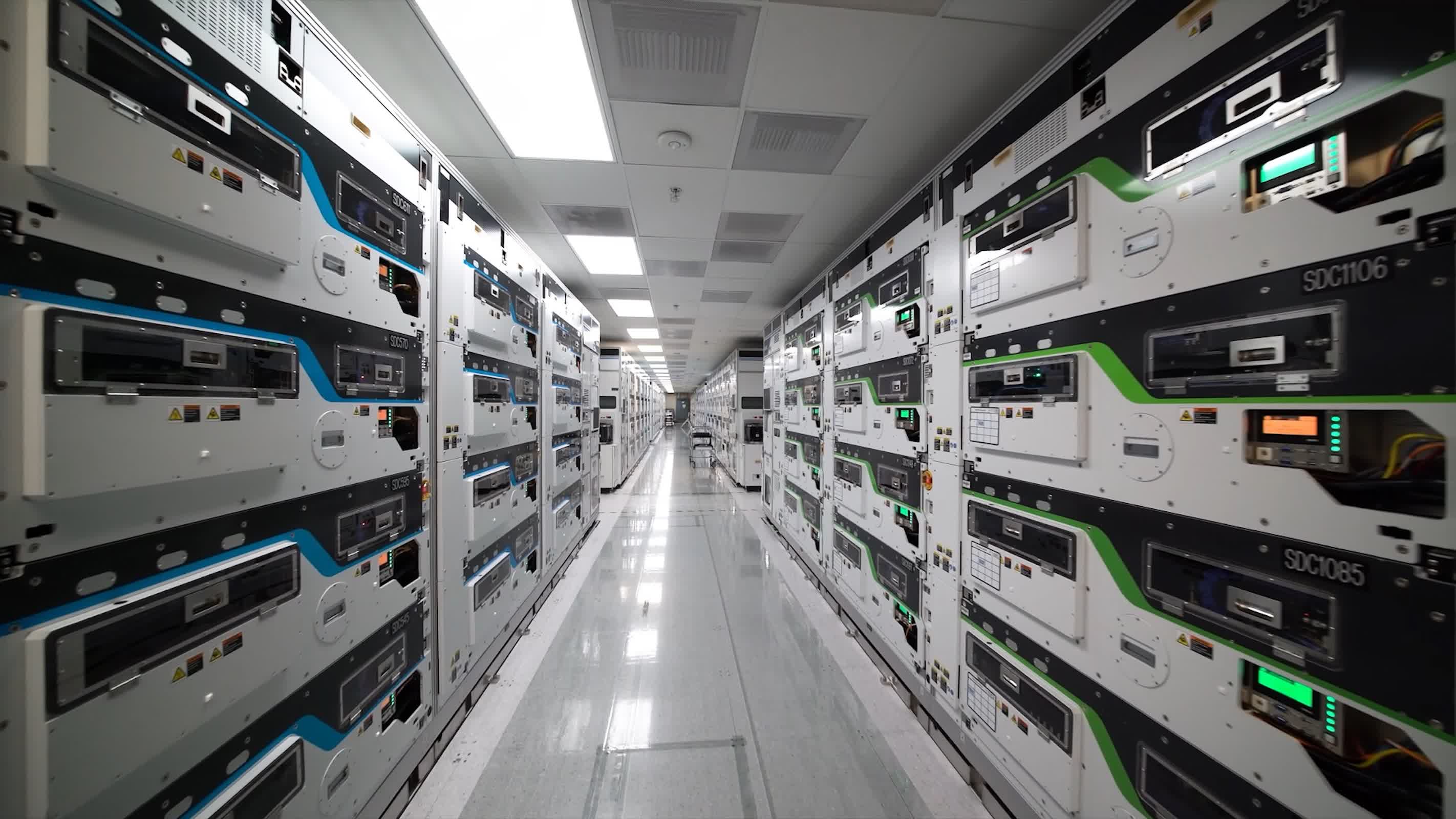
Under SCIP, Intel raised billions in outside capital without violating the government's 51 percent rule. But those investments came at a cost: the company no longer holds full ownership of some of its key sites.

In Arizona, Intel's Fab 52 and Fab 62 are structured as 51 – 49 joint ventures with Brookfield Infrastructure, while Fab 34 in Ireland follows the same model with Apollo Global Management. Intel retains majority equity and full operational control, but profits and capital obligations are shared with its partners.

That arrangement has allowed Intel to free up funds for expansion without ceding control of its foundry business to outside stakeholders. Similar structures could be used if the company proceeds with its long-delayed Silicon Heartland campus in Ohio, a $100 billion project now not expected to bring its first fab online until 2030.

Whether Intel could pursue a public offering for the foundry unit remains an open but complicated question. Selling stock in Intel Foundry would not necessarily mean giving up ownership of individual fabs, Zinsner explained. Instead, such an offering would give investors exposure to the broader business, including its process technology, customer contracts, and design services.

The co-ownership of Fab 52, Fab 62, and Fab 34, however, introduces valuation challenges. Because Intel does not collect 100 percent of the profits from those sites, any IPO would need to account for minority interests. Investors would see the foundry as a business that manages cutting-edge resources but does not fully own them, a factor likely to reduce its market valuation.

Analysts caution that if Intel tried to sell as much as 49 percent of Intel Foundry through an IPO, buyers would inevitably apply a discount to reflect the fact that parts of the business are not wholly owned. Paired with strict US ownership requirements, that financial reality makes the path to a spinoff or even a partial public listing in the near term look narrow.

Permalink to story:

 
So thanks to repulikans and their convicted sex abuser and fraud in chief, intel CANNOT get rid of the boat anchor around its neck, and will continue to spiral slowly down the drain, like the Ohio 14a FABS that nobody wants to buy from due to unproven tech that intel KEEPS BOTCHING and because of higher costs associated with US only wages, and tariffs on imported materials ...

if you wanted to kill intel, this is a good way to do it, keep burning through cash, keep losing customer, keep losing to AMD, Nvidia, ARM and RISC-V... +golf clap+
 
So thanks to repulikans and their convicted sex abuser and fraud in chief, intel CANNOT get rid of the boat anchor around its neck, and will continue to spiral slowly down the drain, like the Ohio 14a FABS that nobody wants to buy from due to unproven tech that intel KEEPS BOTCHING and because of higher costs associated with US only wages, and tariffs on imported materials ...

if you wanted to kill intel, this is a good way to do it, keep burning through cash, keep losing customer, keep losing to AMD, Nvidia, ARM and RISC-V... +golf clap+

Brother, take your meds and keep that TDS under check, ok? whatever you spouted in there did not make sense at all, just gibberish.
 
So thanks to repulikans and their convicted sex abuser and fraud in chief, intel CANNOT get rid of the boat anchor around its neck, and will continue to spiral slowly down the drain, like the Ohio 14a FABS that nobody wants to buy from due to unproven tech that intel KEEPS BOTCHING and because of higher costs associated with US only wages, and tariffs on imported materials ...

if you wanted to kill intel, this is a good way to do it, keep burning through cash, keep losing customer, keep losing to AMD, Nvidia, ARM and RISC-V... +golf clap+

The largest problem with TDS it's total impairment of logic and reading comprehension. For instance, the article clearly states how the restrictions came about: "several of its most advanced plants are structured as joint ventures through the Semiconductor Co-Investment Program launched in 2022."

Note how TDS prevents those infected by not allowing them to either read or comprehend the fact that Trump was NOT in charge in 2022. Nor were the fab investors with the government for those that have co-investors.
 
The largest problem with TDS it's total impairment of logic and reading comprehension. For instance, the article clearly states how the restrictions came about: "several of its most advanced plants are structured as joint ventures through the Semiconductor Co-Investment Program launched in 2022."

Note how TDS prevents those infected by not allowing them to either read or comprehend the fact that Trump was NOT in charge in 2022. Nor were the fab investors with the government for those that have co-investors.
:rolleyes:
As part of the deal, the government also secured warrants convertible into Intel stock. These provisions take effect if Intel sells more than half of Intel Foundry or attempts to divest control of the unit. The agreement requires Intel to maintain majority ownership for at least five years, effectively ruling out a true spinoff during that period. Only after that window could Intel consider restructuring the foundry as an independent company, similar to the model rival AMD adopted in 2009 when it launched GlobalFoundries.
And
For Washington, that requirement carries a strategic dimension. Keeping Intel Foundry under US control ensures that advanced manufacturing capacity remains aligned with national security priorities, particularly as tensions over Taiwan's role in the global chip supply chain remain high. Allowing a foreign competitor or even a financial consortium to take control could undermine those objectives.
So, DC, Trump or not, has its fingers deep into Intel.

IMO, that last paragraph reads like a bad joke - especially if Intel is unable to turn its foundry business around.

Yup. Trump waves his magic wand and Intel is healed. Praise the Lord!
 
Last edited:
At some point Intel needs to either finish this prolonged bowel movement or get off the pot.

IFS is both a huge boon and a massive boat anchor. Intel needs to get its act together or just spin it off.
 
weekly3.jpg
 
At some point Intel needs to either finish this prolonged bowel movement or get off the pot.

IFS is both a huge boon and a massive boat anchor. Intel needs to get its act together or just spin it off.
I agree, but that, so far, has not been in Intel's game plan. IMO, their game plan was to make their line of Marketing BS as long as they possibly can and ignore the fact that they are and have been spouting Marketing BS for at least a decade.
 
Back