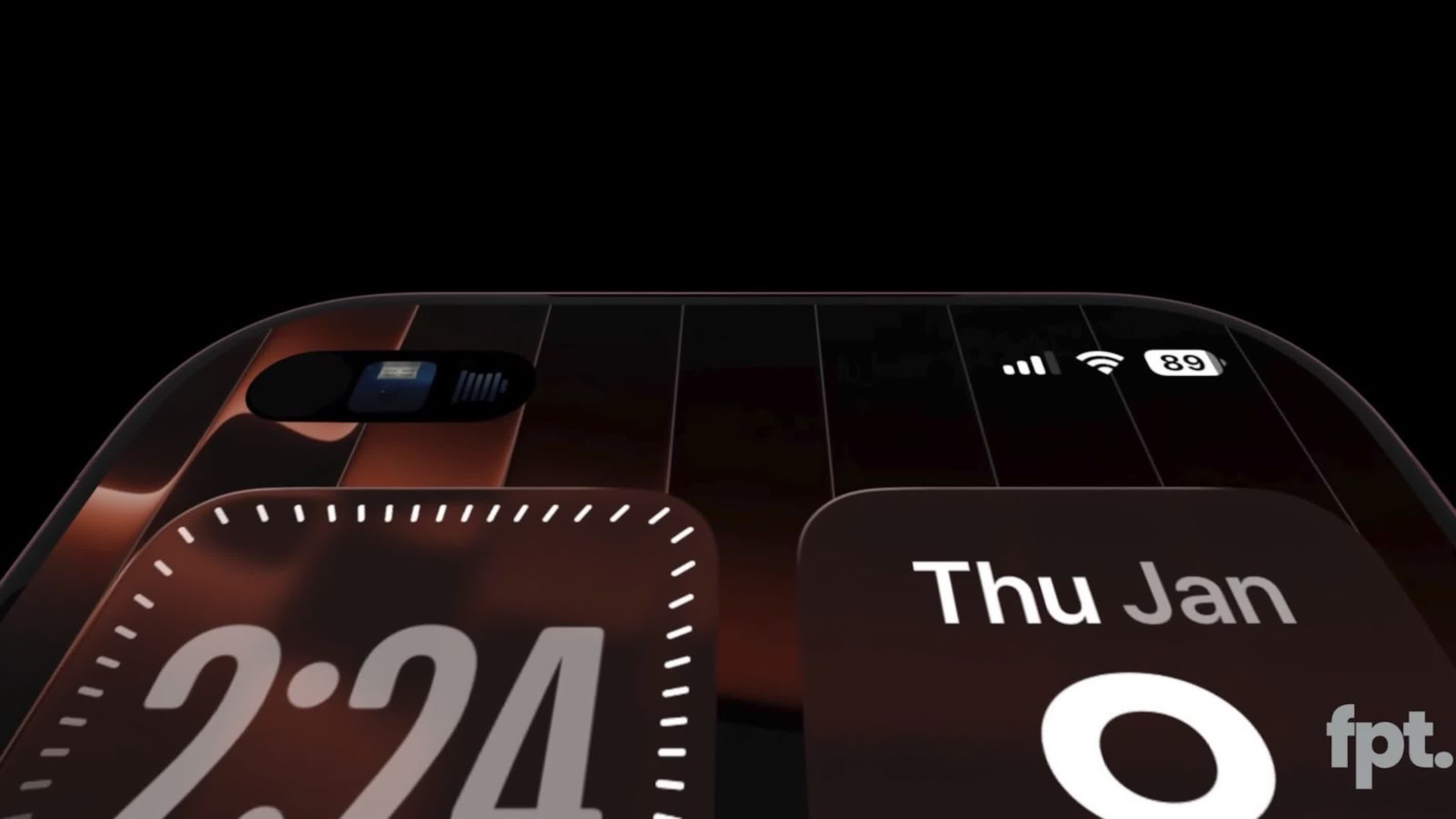
Rumor mill: Apple's upcoming iPhone 18 Pro may bring one of the most significant visual and technical changes to the iPhone in years. According to recent leaks, the company is planning to move core display components including the selfie camera and parts of the Face ID system away from the familiar Dynamic Island to the top-left corner of the screen. The potential redesign would mark Apple's first major departure from its long-standing, symmetrical screen layout.
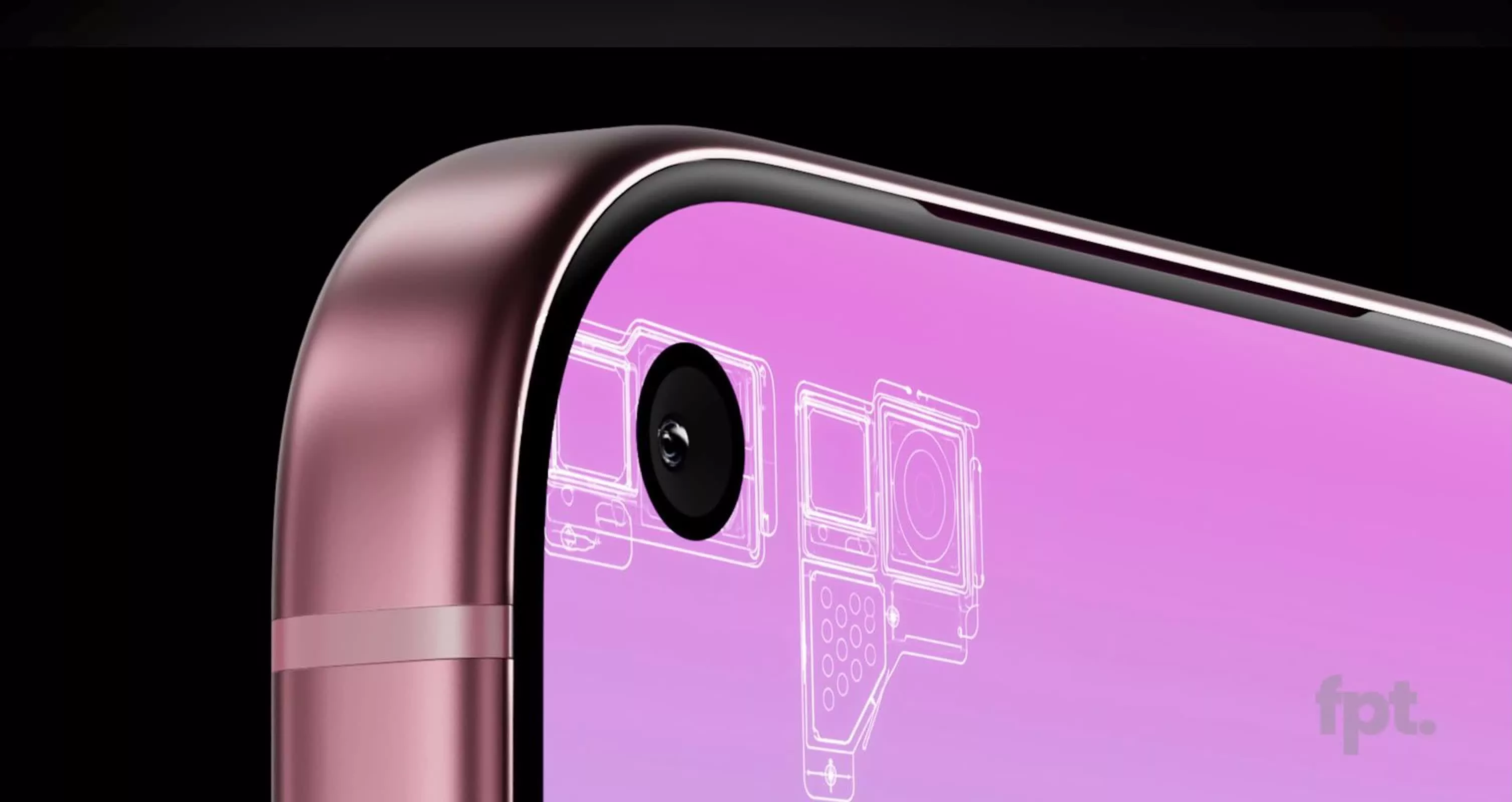
According to Jon Prosser of Front Page Tech, this change would coincide with a redesigned under-display Face ID system, allowing the iPhone to conceal components such as the infrared flood illuminator beneath the front glass.
The original Dynamic Island, introduced with the iPhone 14 Pro, integrated hardware sensors into a software-driven interface that expanded to display system alerts, timers, and background activities. Moving it to the corner would present Apple's user interface team with a new challenge: translating the same level of interactivity to a less central location.
The rumored top-left camera placement has sparked debate because it echoes older Android designs, such as Google's Pixel 5 from 2020, which used a similar positioning.
Other reports suggest there may be some confusion over the specifics. What Prosser describes as a left-side relocation could reflect the movement of one Face ID component under the display, while the primary selfie camera remains centered. Until Apple confirms the design, interpretations of prototype information remain speculative.
Internally, the iPhone 18 Pro is expected to run on Apple's new A20 Pro chip. Reports also indicate that it could replace Qualcomm modems entirely with Apple's in-house C2 modem. This change would give Apple full control over cellular performance and allow seamless integration with next-generation 5G and satellite networking – referred to in leaks as "5G via Satellite," similar to features recently introduced on the Apple Watch Ultra 3.
Photography hardware may see the most significant upgrades. The main camera is rumored to feature a variable-aperture lens, in which mechanical blades adjust to widen or narrow the opening, controlling light intake and enabling finer adjustments to exposure and depth of field.
This system adds a level of sophistication typically reserved for professional DSLR or mirrorless cameras. Samsung experimented with variable-aperture lenses in its Galaxy S9 and S10 series but ultimately abandoned the concept. It remains unclear whether Apple will include the technology across all Pro models or reserve it for the larger iPhone 18 Pro Max.
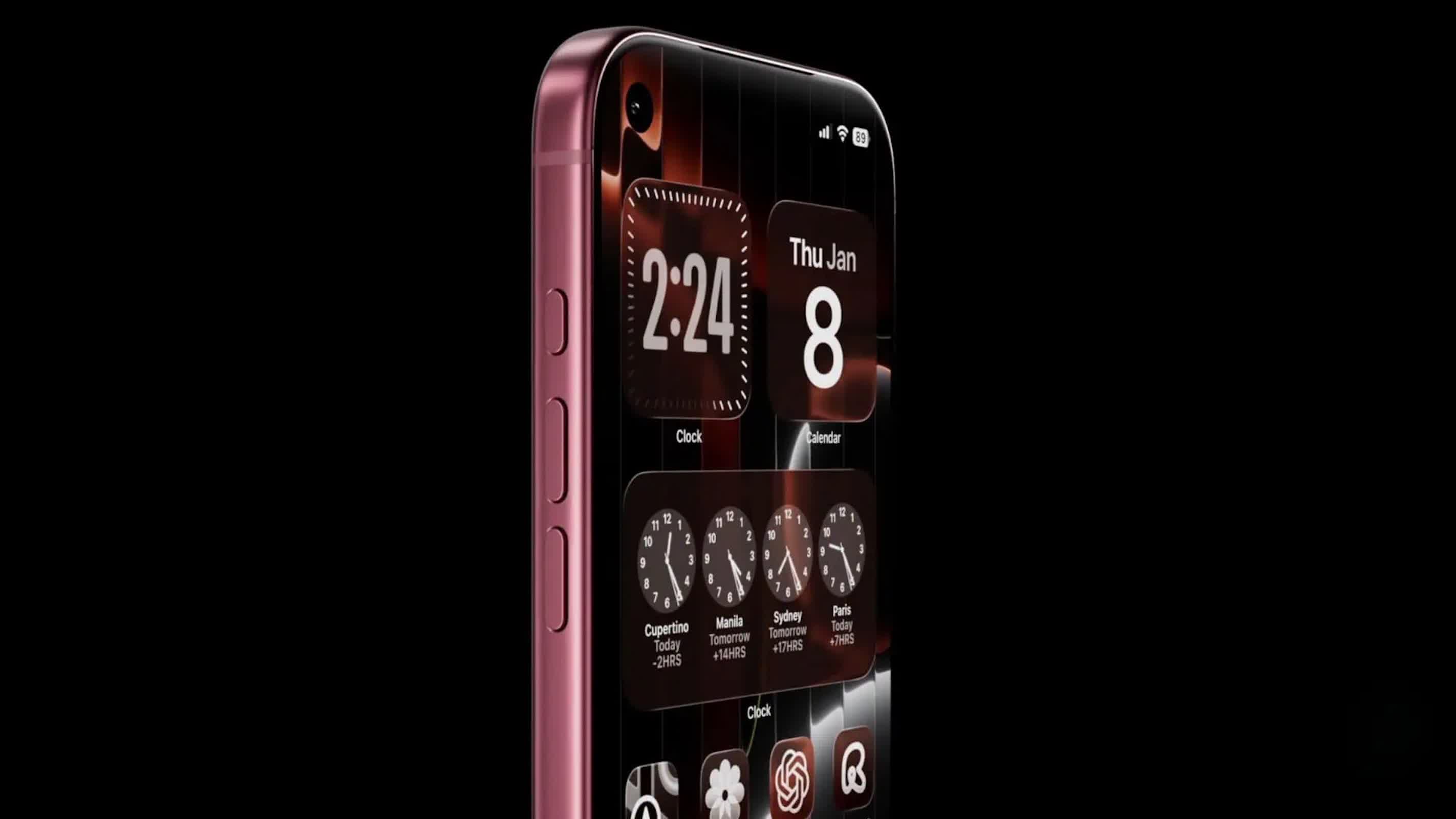
Other refinements could make the device feel more streamlined. Prosser reports that Apple is simplifying the Camera Control button introduced on recent models. Instead of combining capacitive and pressure-sensitive input, the new design may rely solely on pressure sensitivity. While this change would remove some swipe-based gestures, it could provide more tactile and reliable control for both still photography and video recording.
Visually, Apple is reportedly experimenting with new finishes, including deep burgundy, soft brown, and muted purple, continuing its tradition of incremental color updates for Pro models. No standard iPhone 18 is expected this fall; sources indicate that Apple will delay that version, as well as any iPhone Air successor, until 2027 due to slower-than-expected sales of the first-generation iPhone Air.
Apple typically finalizes hardware designs months ahead of its September launch window, making the current leaks an early look at a device that is still in flux.
Prosser has been both right and wrong in past predictions. For example, he incorrectly reported a flat-edged Apple Watch redesign in 2021. Nevertheless, his track record ensures that each new leak continues to fuel the pre-launch speculation that surrounds every iPhone.
Image credit: Front Page Tech
iPhone 18 Pro rumors point to corner camera cutout and Face ID under the screen


