iPhone 18 Pro to lead Apple's four-phase camera upgrade strategy

Shawn Knight

Posts: 15,819   +202
Staff member
Forward-looking: Apple is reportedly moving forward with a four-phase camera upgrade plan for future iPhones that's expected to kick off this fall with the iPhone 18 Pro. According to a reputable Chinese leaker, the next premium iPhone will feature a variable aperture camera lens – a first for Apple.
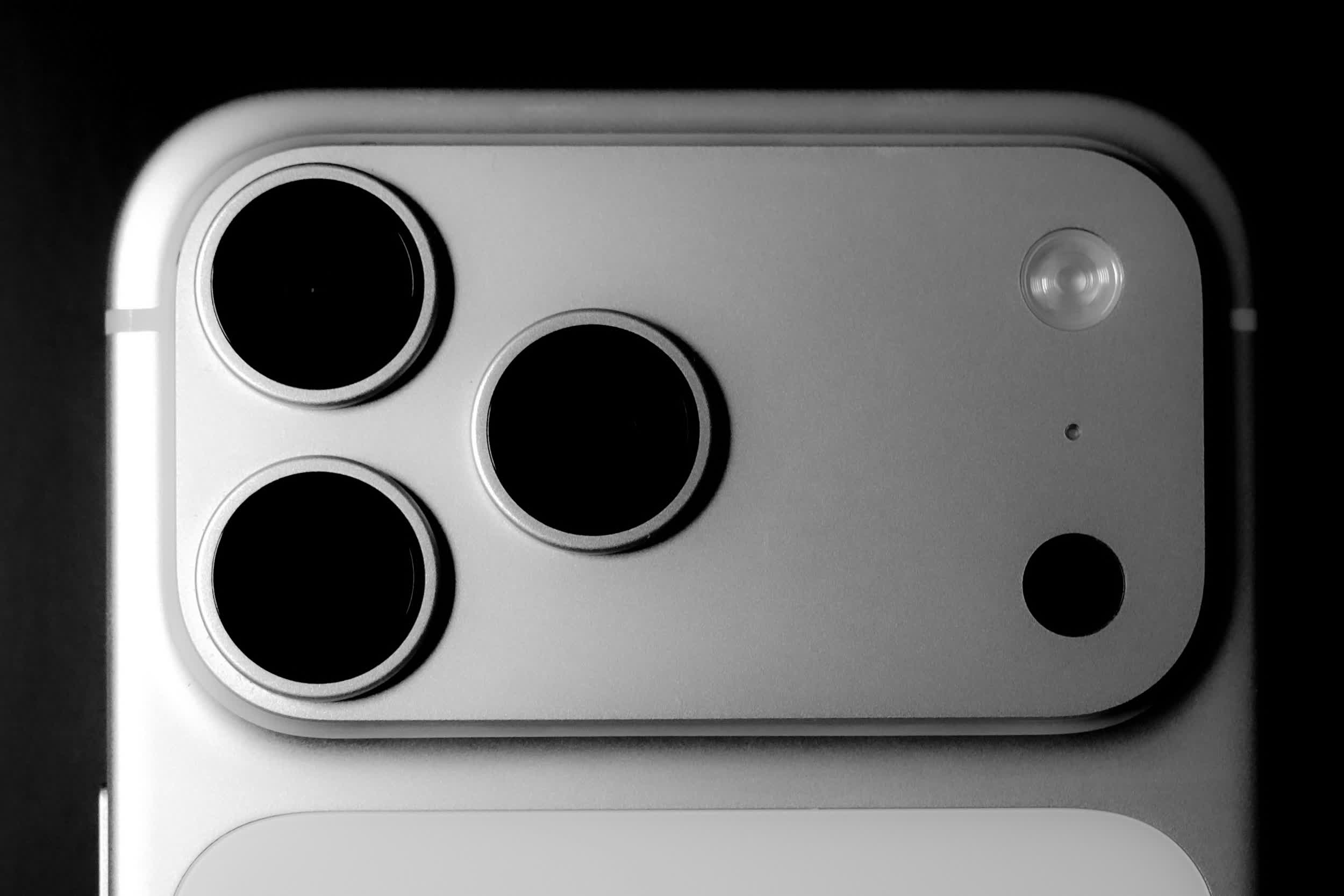
Digital Chat Station, a popular account on the Chinese social media app Weibo, claims the iPhone 18 Pro and Pro Max will ship with the new feature on the main rear camera. Since the iPhone 14 Pro, the primary cameras on the rear of the top-tier iPhones have used a fixed f/1.78 aperture lens.

The aperture of a camera lens is the technical term for the opening that controls how much light makes its way to the image sensor, which in turn plays a key role in creating a perfectly exposed image along with things like shutter speed and ISO. Aperture is measured in f-stops. A lower number translates to a larger opening, which lets in more light, and creates those blurry backgrounds that everyone loves. Higher numbers equate to smaller holes and less light, but bring more of the image into focus.
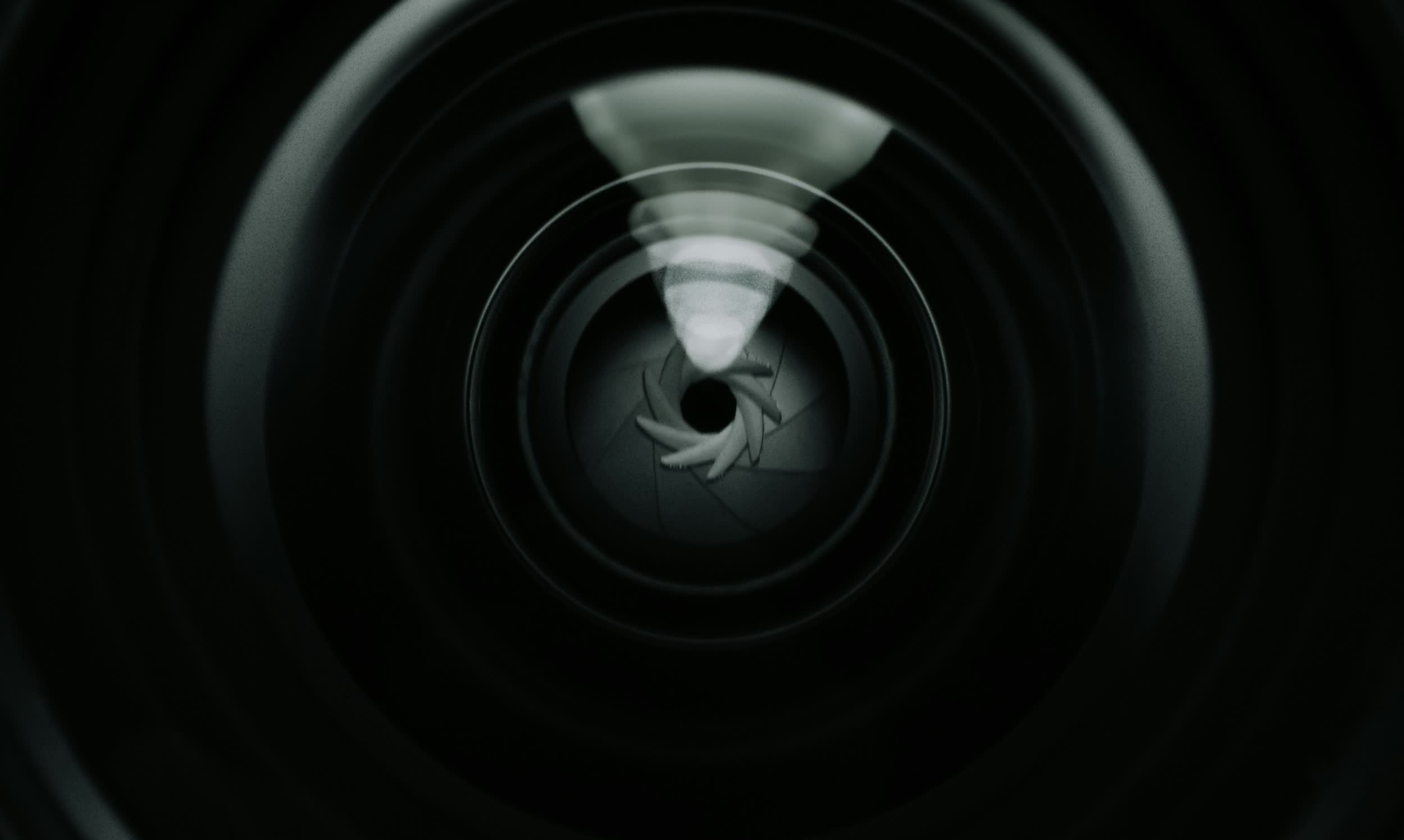
Traditional cameras often feature adjustable apertures comprised of diaphragm blades that open and close to let in light as desired, but it's relatively rare to see on mobile devices. Samsung experimented with variable aperture on its earlier Galaxy phones including the S9 and S10 series, but eventually abandoned the feature.

A variable aperture on an iPhone would give users more control over their photography – for example, helping to avoid overexposure in brightly-lit environments.

The leaker also mentioned a 1/1.12-inch "ultra-large" main camera sensor, enhanced optical image stabilization for ultra-wide lens, and a 200-megapixel periscope telephoto lens, although the indication is that these features are planned for later models beyond the iPhone 18 Pro family.

The 200-megapixel rumor isn't new, as we reported on it last month as a potential way for Apple to better challenge Samsung in the mobile photography space.

Permalink to story:

 
Every year mobile devices get closer to approaching SLR quality… not that I really need it (nor does 99% of the population), but I’m still impressed that it’s happening.
 
This is great because as a catmaxxer, I need to spend a lot of time taking funny videos of my cat knocking everything off the counter in my brightly lit kitchen is a real concern.

(had to tack onto that hah)
 
This is all kind of pointless and is just for marketing. On sensors this small wheee everything is computational it’s not going to matter and the 200MP sensors degrade image quality more than anything else
 
This is all kind of pointless and is just for marketing. On sensors this small wheee everything is computational it’s not going to matter and the 200MP sensors degrade image quality more than anything else
Very untrue. You can't get around the basic optical physics here. A larger aperture means a shorter exposure, generating much less sensor noise, whereas shrinking the aperture can give you a deep field of view that no amount of computation is going to give.
 
Very untrue. You can't get around the basic optical physics here. A larger aperture means a shorter exposure, generating much less sensor noise, whereas shrinking the aperture can give you a deep field of view that no amount of computation is going to give.
Aside from the fact the sensor is so small and the lens is of such poor quality it doesn’t actually matter? Plus the fact that there’s so much computation baked into it that it’s not going to change anything. It’s been done before, it’s a gimmick. They’re not of the same quality as DSLR/Mirrorless systems even from years ago nor do they have to be and you can’t apply the same rules when one side is playing tennis and the other rallycross.
 
Aside from the fact the sensor is so small and the lens is of such poor quality it doesn’t actually matter?
If that were true, cameras would be able to take no photos whatsoever. And a variable aperture isn't "a gimmick". No one's saying it'll span the gap between a cell phone camera and a full-frame SLR -- but it will irrefutably improve image quality.
 
This is all kind of pointless and is just for marketing. On sensors this small wheee everything is computational it’s not going to matter and the 200MP sensors degrade image quality more than anything else

This! 100%
 
Probably because considering the cost to create a variable aperture it wasn't worth it because 99.9% of the people that use a camera, or a smartphone camera shoot in AUTO mode.
I'm in my 60's...learned photography from my dad who in the early 60's was a photographer for a news paper. I use to help him develop the film in the dark room.
I never used the "green A" automatic mode and even today my d-slr I don't think has ever been in auto mode. It's just second nature to set the iso, f/stop, shutter speed manual knowing what I want from a photo.
Onto the thing that bugs me the most about smartphones is the obsession with the number of pixels in the image sensor. If the number of pixels were THAT important, don't you think most d-slr's and mirrorless have 200mp also?
It's not the number, but mostly the SIZE of the pixels. The only substantial benefit to that many pixels is if you snap a photo, then zoom/crop the photo. You won't lose as much detail.
The other negative having that many pixels that close is the data lines are also that close. In a low light
photo, the camera will increase the gain to the sensors, hopefully to capture what little light is available.
With those data lines that close, that can increase the noise (signal to noise ratio) which gives the photos all of those sparkles. Then the camera "AI" software will try to remove it, and can result in a less than good photo.
I wish they would dump all of the camera sensors and just stick an at least 1" sensor with a 5-10x optical zoom lens. But, that would mean more bulk, more chance something would get into the mechanical part of the lens. Cameras have to be super thin, colorful, sexy & stylish ya know. ;)

Samsung experimented with variable aperture on its earlier Galaxy phones including the S9 and S10 series, but eventually abandoned the feature.
 
If that were true, cameras would be able to take no photos whatsoever. And a variable aperture isn't "a gimmick". No one's saying it'll span the gap between a cell phone camera and a full-frame SLR -- but it will irrefutably improve image quality.
Have you seen photos taken on phones with the computation taken out? Even on high end ones they look like a point and shoot from 15 years ago.

On a phone it’s a gimmick, which is why it’s been done before and abandoned. It doesn’t change their capabilities and the image quality will be unaffected or reduced. The sensors gather so little light as it is, which is the reason why the aperture is typically around f2 or less, that closing it would just ramp up the processing
 
Have you seen photos taken on phones with the computation taken out?
Red herring. No one's suggesting that computational optimization isn't critical to image quality on these phones.

On a phone it’s a gimmick, which is why it’s been done before and abandoned.
No, it was abandoned because at the time it was expensive to add and prone to failure.

The sensors gather so little light as it is, which is the reason why the aperture is typically around f2 or less, that closing it would just ramp up the processing
Oops! You forget that aperture is already "adjustable" on pretty much all cell phones -- by selecting which camera. A 3-camera iPhone, has an f1.78 low light camera, an f2.2 main camera, and an f2.78 telephoto/zoom. You also forget that the amount of light a sensor receives is a product of aperture times exposure -- if the main aperture is narrowed, exposure time increases to adjust for the amount of light received.
 
Red herring. No one's suggesting that computational optimization isn't critical to image quality on these phones.
It’s essential, the physical hardware though advanced is more focused on miniaturisation rather than outright quality.
No, it was abandoned because at the time it was expensive to add and prone to failure.
Which hasn’t changed, it also didn’t improve quality, it’s an advertising point and nothing more.
Oops! You forget that aperture is already "adjustable" on pretty much all cell phones -- by selecting which camera. A 3-camera iPhone, has an f1.78 low light camera, an f2.2 main camera, and an f2.78 telephoto/zoom. You also forget that the amount of light a sensor receives is a product of aperture times exposure -- if the main aperture is narrowed, exposure time increases to adjust for the amount of light received.
Aside from it’s not adjustable it’s all done in software. Having three different dedicated cameras isn’t the same thing as an adjustable aperture. If I get a Fuji A-10, XT-20 and a XH2 and put different fixed aperture lenses on them all it’s not the same as slapping a 16-55 F2.8 on the XH2 and adjusting it to the same aperture as the other two.
 
Aside from it’s not adjustable it’s all done in software. Having three different dedicated cameras isn’t the same thing as an adjustable aperture. If I get a Fuji A-10, XT-20 and a XH2 and put different fixed aperture lenses on them all
Oops! The entire point of those different apertures values is that aperture does indeed matter. If exposure and field of view were infinitely adjustable via software calculations, SLRs would use this method as well.

it’s not the same as slapping a 16-55 F2.8 on the XH2 and adjusting it to the same aperture as the other two.
Eh? A 16-55 f2.8 lens has a fixed aperture. The only thing adjustable is the focal length.
 
Last edited:
Oops! The entire point of those different apertures values is that aperture does indeed matter. If exposure and field of view were infinitely adjustable via software calculations, SLRs would use this method as well.
Smartphone camera not really. It’s as wide as you can get it to improve the amount of light you can collect.
Eh? A 16-55 f2.8 lens has a fixed aperture. The only thing adjustable is the focal length.
Nope it has a constant 2.8 max aperture through the entire zoom range with a 22 minimum. There’s a reason why it’s called a box of primes and is ludicrously expensive for the platform it’s on.
 
Back