The big picture: Apple is entering its fall product cycle with a foldable iPhone, a voice-aware smart display, and an updated Siri platform positioned as core parts of its artificial intelligence strategy. The launches will also provide the first major test for John Ternus, who becomes Apple's new chief executive on September 1.
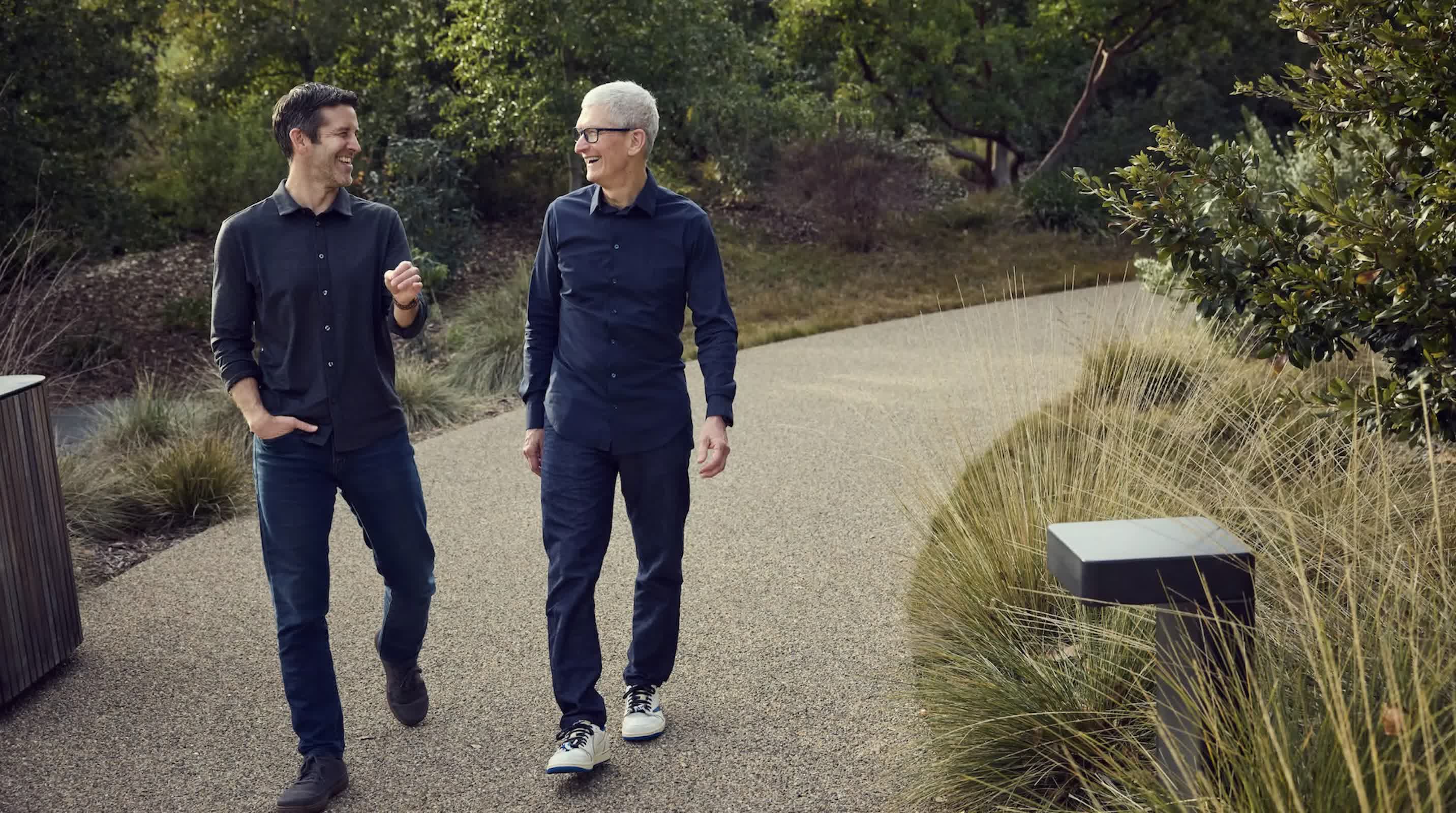
Ternus is regarded inside Apple as a leader who can move between broad product planning and the technical details of a device, a skill Tim Cook highlighted when he announced the succession.
His test now is whether he can apply that hardware focus to a company facing more than product decisions: Apple is dealing with a memory shortage, pressure on App Store revenue, employee departures, and an AI effort that has yet to match rivals. How he handles those problems while Cook remains executive chairman will shape how quickly he can establish his own authority.
Ternus arrives from the hardware organization at a moment when Apple is trying to turn AI from a software catch-up effort into a broader device strategy. The company is preparing products designed to put AI into more settings: in the home, through a display that can identify speakers and adjust information accordingly; in wearable devices, through planned camera-equipped AirPods and smart glasses; and in product-development systems used internally by Apple's engineering teams.
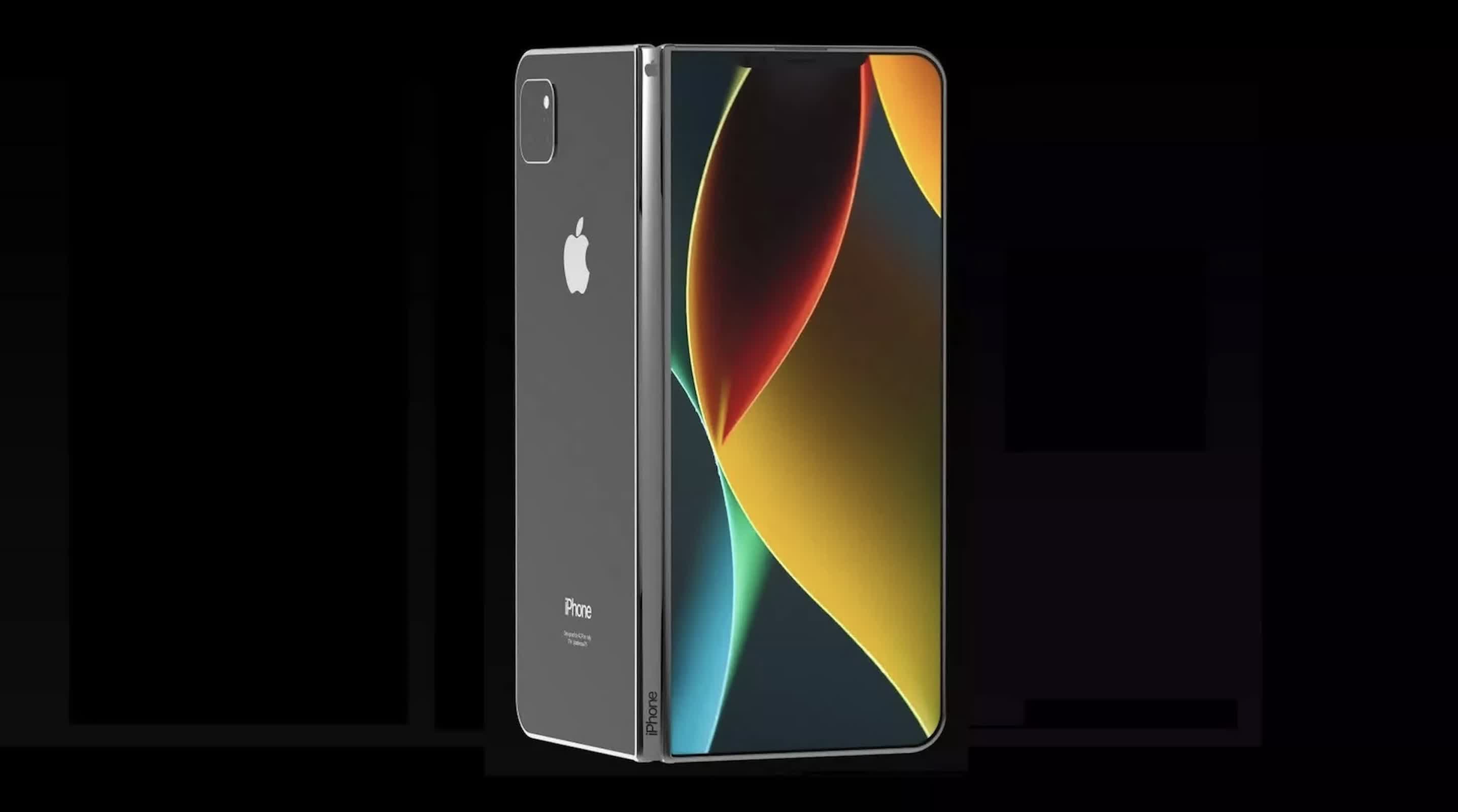
The foldable iPhone is expected to be among the most closely watched products in the coming rollout. It continues a multiyear redesign of Apple's most important device, following last year's thinner Air model and preceding a glass-focused iPhone planned for the product line's 20th anniversary in 2027.
Ternus has argued to Wall Street analysts that the iPhone will remain central to customers' lives and Apple's product strategy, despite persistent industry speculation about whether phones could eventually be displaced by glasses or other AI hardware.
That position helps explain Apple's more cautious approach to mixed reality. The Vision Pro has struggled commercially, and Ternus had concerns about whether its weight and price would allow it to become a mass-market product, according to people who discussed the matter with Bloomberg.
Apple has recently cut jobs tied to Vision Pro work, particularly in gaming and immersive-video content, while also reducing roles across functions including security, audio engineering, Siri integration, testing, and the operating system that will be shared with future glasses.
The company still intends to introduce non-augmented-reality smart glasses, code-named N50, next year. But Ternus is open to scaling back Apple's work in head-worn computing if the category does not gain traction. That could affect the longer-term prospects for an updated Vision Pro, code-named N224, which is slated for possible release as early as late 2028.
For Apple, the larger issue is AI. Its Apple Intelligence rollout has been uneven, and the company has reorganized leadership for both its AI work and Siri. After struggling to advance with internally developed technology alone, Apple began rebuilding the models behind Siri using Google's Gemini technology. The decision unsettled members of Apple's large language model group and contributed to departures, including the unit's leader.
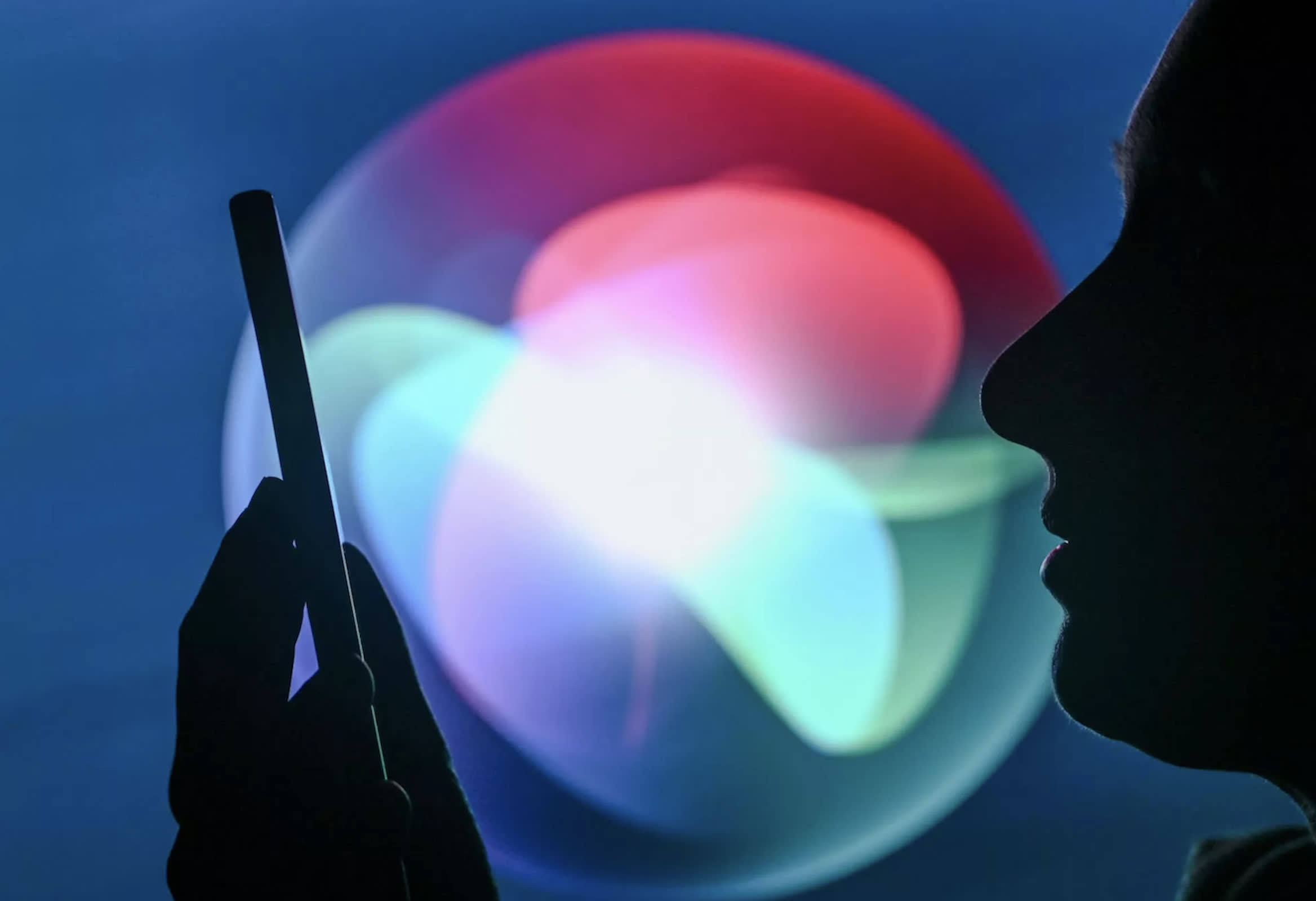
A fuller deployment of Siri AI is expected in September. Apple wants the system to compete more directly with ChatGPT and eventually create revenue opportunities, either through paid access or integrations with third-party apps. Before that can happen, Siri will have to overcome a reputation for unreliable performance and limited usefulness. Early reviews of the new AI version have been positive.
Ternus has also promoted AI as an engineering tool. Before leaving the chief hardware role, he introduced an internal platform intended to speed product development, improve testing, and strengthen device reliability. "We're going to be able to solve even harder problems," Ternus told employees during an all-hands meeting, describing AI as a way to apply lessons from previous products to devices still in development.
Some of the devices now on Apple's roadmap depend on whether that software improves. The company has repeatedly delayed its camera-equipped AirPods and its flagship home display because of shortcomings in AI features.
Apple is also developing a home security product, a robotic-arm display, and a wearable camera pendant. Its planned AirPods cameras and home-security cameras would not produce conventional viewable video. Instead, they would send information to AI systems for environmental analysis, an approach intended to reduce privacy concerns.
That distinction matters for Apple, whose brand has long emphasized privacy. A growing number of AI devices depend on cameras, microphones, and sensors placed in homes or worn on the body. Apple will need to persuade customers that AI-powered awareness can be useful without becoming intrusive.
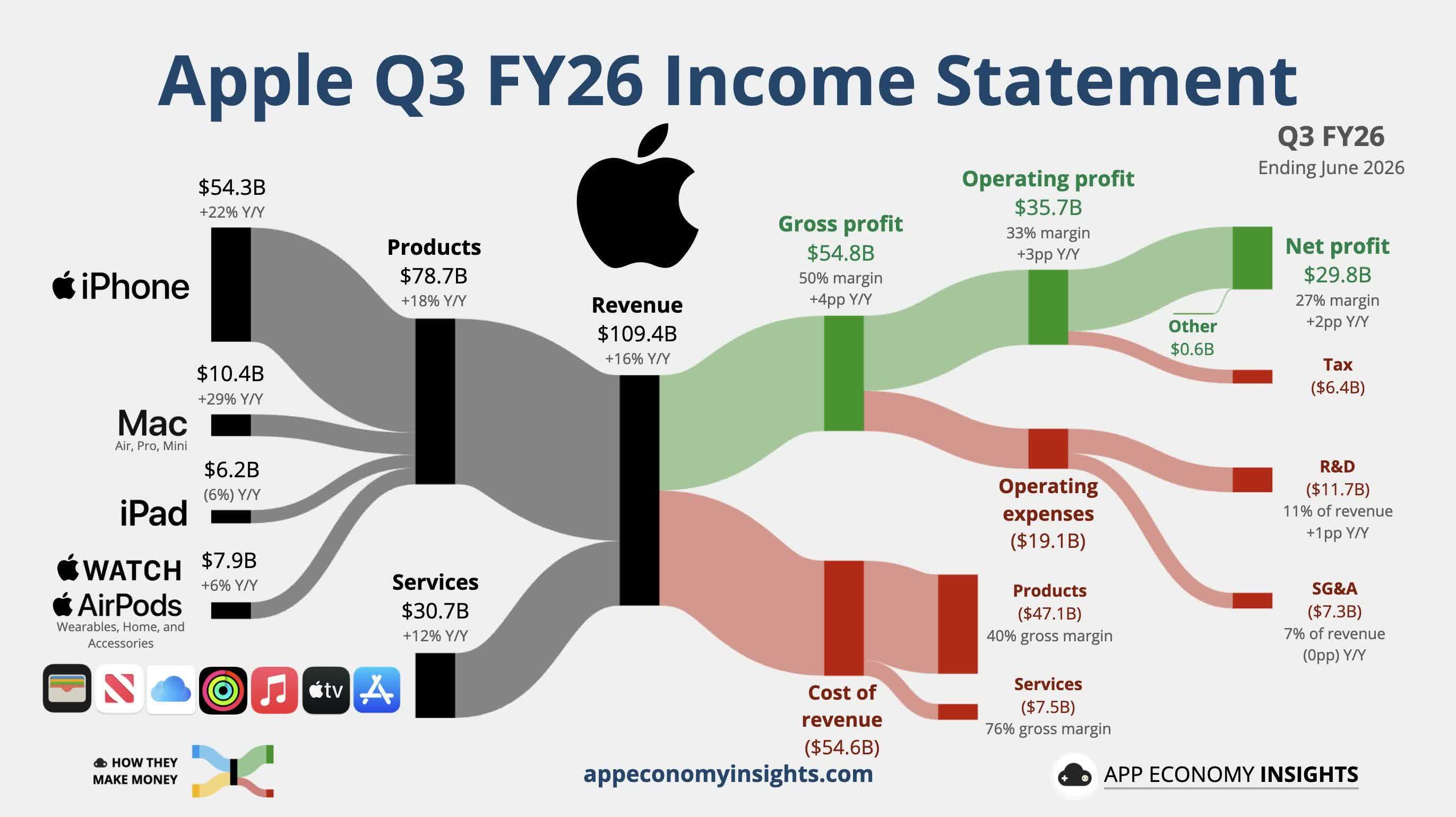
Ternus inherits other challenges that extend beyond product design. Apple is confronting a continuing memory shortage and higher component costs, areas in which Cook built much of his reputation. Ternus is expected to lean on Chief Operating Officer Sabih Khan, finance chief Kevan Parekh, procurement teams, and operations leadership to manage supply constraints and limit disruption.
Services also face pressure from weaker game purchases, regulatory changes to App Store fees and the European Union's requirement that Apple permit independent app stores. Meanwhile, Apple has lost hardware talent to competitors offering higher compensation and opportunities to develop new products from the ground up. Hundreds of former Apple employees now work in OpenAI's hardware division, which Apple has accused in a lawsuit of taking trade secrets.
Cook, who led Apple from 2011, will remain executive chairman and plans to continue handling relationships with the Trump administration and the Chinese government. He told employees, "there can only be one CEO at a time." Even so, his continued presence will make Apple's transition gradual rather than abrupt.


