Microsoft ends HoloLens 2 production, with no successor in sight

Shawn Knight

Posts: 15,826   +202
Staff member
What just happened? Microsoft has ended production of its HoloLens 2 mixed-reality headset and as it stands today, there are no plans for a successor. Could this be the end of the road for HoloLens as we know it? It sure seems that way.
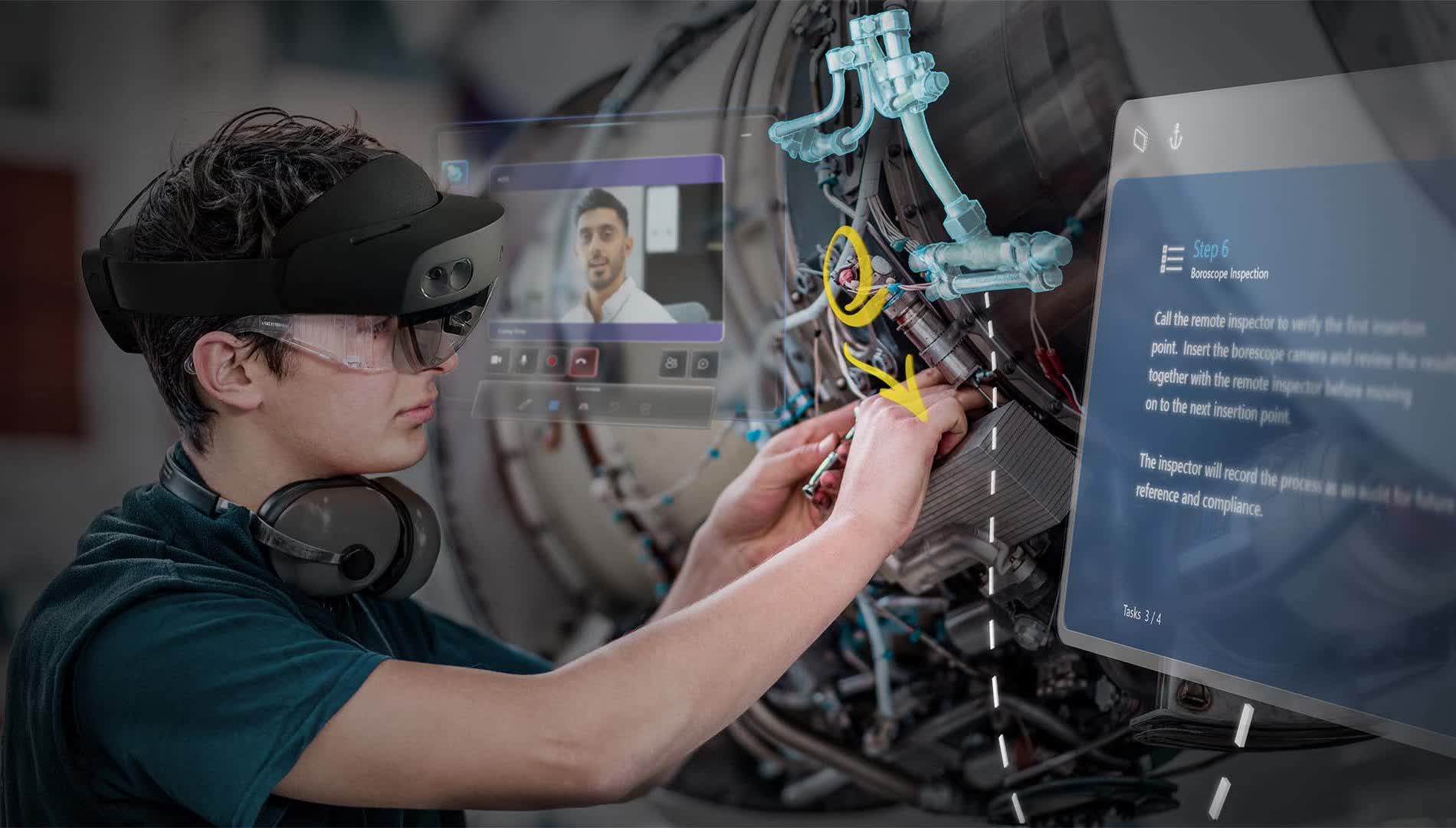
Microsoft has ended production of its HoloLens 2 mixed-reality headset and as it stands today, there are no plans for a successor. Could this be the end of the road for HoloLens as we know it? It sure seems that way.

Microsoft announced its second-gen visor in early 2019 as a direct successor to the original HoloLens. It boasted numerous improvements over the first model, but was also more expensive at $3,500. Despite its price, Microsoft was in a position to dominate the enterprise market but just one month after HoloLens 2 launched, rival Magic Leap shifted its focus to go after the same set of business customers.

A third version of HoloLens was in the pipeline but according to a 2022 report from Business Insider, the project was canceled during the previous year.
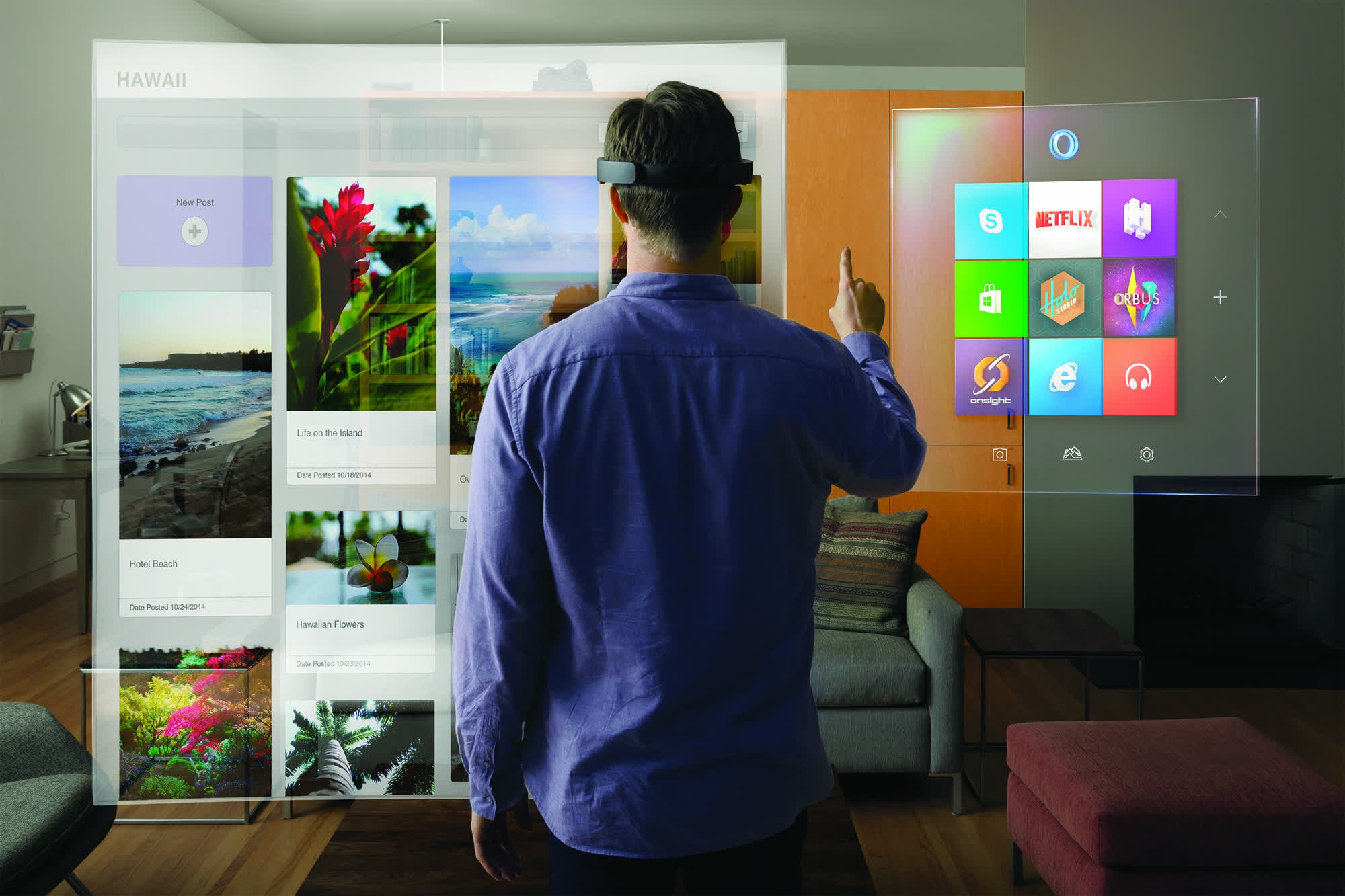
As for HoloLens 2, UploadVR claims Microsoft told them the device has been discontinued. Redmond reportedly told partners and customers that now is the final opportunity to buy the hardware. Once current inventory is depleted, that'll be it. Microsoft stopped manufacturing the original HoloLens in 2018, roughly three years after launch.

A company spokesperson told the publication that HoloLens 2 will continue to receive software support until the end of 2027. Once the calendar rolls over to 2028, however, the updates will stop. Software support for the first-gen HoloLens is set to end on December 10 of this year.

It's not entirely surprising to learn that Microsoft is halting HoloLens 2 production. The hardware is almost five years at this point, the division's leader left in 2022, and Microsoft made cuts to its mixed reality segment just a few months ago. Mixed reality devices haven't exploded in popularity like some imagined they would, and selling a product at $3,500 a pop is a big ask.

Permalink to story:

 
I think they used there for helmet tech in some fighter jets. Beyond that, I don't think they saw any significant usage.

VR barely works for gaming where it is the most relevant. People do not want VR/AR for anything else.
 
I think they used there for helmet tech in some fighter jets. Beyond that, I don't think they saw any significant usage.

VR barely works for gaming where it is the most relevant. People do not want VR/AR for anything else.
VR/AR could be cool, but they have to solve the problem with it becoming extremely uncomfortable after about 45minutes.
 
I waited for almost 30 years for VR. As a kid at 7 years old, I had the pleasure of playing a traveling VR “setup” with helmet, wands and what we would later refer to as a VR treadmill, that was presented at an Incredible Universe (later, Fry’s Electronics). It was almost a religious moment. I craved more.

That “more” would finally come as Oculus and Vive. I owned both. I upgraded often to new tech. I purchased tons of games. I was hooked.

And then, reality set in. As amazing as VR was, its caveats quickly overshadowed its benefits. Even with lighter tech, it was a chore to wear for any length of time via the weight. The setup and the cords was a mess. The face cushion needs constant cleaning if you share it. There was never a “killer” game, only expanded tech demos (this later changed with a few titles like Alyx but AAA games are very few) and poorly done ports (Skyrim needed mods to be usable).

And then…nothing changed. PiMax is cool but the novelty wears off and the GPU requirements to this day are still demanding. Your average gamer doesn’t care much let alone the pop cap game crowd that made the Nintendo Wii popular.

It’s still a market with money to be made, but not even Apples Vision Pro can save it. AR might just be the future, but even Metas glasses are not it.

No…it has a ways to go, if even, that VR and AR get to mainstream. Even cars with projector HUDs are costly and not a driving feature.

As techies, we’ll keep a light on for the tech, but like 3D TVs, it’s not likely to ever be the “next big thing”.

 
I waited for almost 30 years for VR. As a kid at 7 years old, I had the pleasure of playing a traveling VR “setup” with helmet, wands and what we would later refer to as a VR treadmill, that was presented at an Incredible Universe (later, Fry’s Electronics). It was almost a religious moment. I craved more.

That “more” would finally come as Oculus and Vive. I owned both. I upgraded often to new tech. I purchased tons of games. I was hooked.

And then, reality set in. As amazing as VR was, its caveats quickly overshadowed its benefits. Even with lighter tech, it was a chore to wear for any length of time via the weight. The setup and the cords was a mess. The face cushion needs constant cleaning if you share it. There was never a “killer” game, only expanded tech demos (this later changed with a few titles like Alyx but AAA games are very few) and poorly done ports (Skyrim needed mods to be usable).

And then…nothing changed. PiMax is cool but the novelty wears off and the GPU requirements to this day are still demanding. Your average gamer doesn’t care much let alone the pop cap game crowd that made the Nintendo Wii popular.

It’s still a market with money to be made, but not even Apples Vision Pro can save it. AR might just be the future, but even Metas glasses are not it.

No…it has a ways to go, if even, that VR and AR get to mainstream. Even cars with projector HUDs are costly and not a driving feature.

As techies, we’ll keep a light on for the tech, but like 3D TVs, it’s not likely to ever be the “next big thing”.
While still a niche market, I really think that the Quest 3 is a great product and I'm having a lot of fun with it. Tech will continue to advance and we're seeing some cool new things. Prices and usability have finally reached a good balance. It just needs that extra thing that will push it forward into much more into mainstream use (and Apple's 3500$ product is not it :) ).
 
Like Rumiku says, it is not the next big thing.

Maybe it’s because the interface of the VR/AR sets is just a bit more fancy monitor in front of your face. And controllers are just another type of mouse.

Heck, might be that the problem that prevents success is that human only have 5 senses and that most intellectual information we gain through seeing and hearing and interact mainly through touch.

Some psychic new technology could boost the next big thing, but then again without some/any brain implants if possible.
 
So something no one cared about is going to go away and we needed to hear about it why?
 
Its value was never consumer focused. It had quite a number of uses in the commercial/industrial sector. I just used it for a project. However, it is very limited in its graphics and display in general. It does somethings extremely well, like motion tracking around a room. We really liked the "flip up" design of the goggles, as it we well suited to realistic "work" situations. The biggest down fall was the very limited AR overlay FOV, as it is pretty small and low resolution. It has a lot of potential in this "industrial" space, but not as a consumer headset for games and apps. It will be a real disappointment to see it discontinued. I guess the sales are just not enough for MS as they want to sell high volume and make $$$. This would be a great product for them to sell to a smaller company so they can run with it, but MS will likely just bury it, much like it did with the Kinect sensor.
 
Back