
In brief: Microsoft's long-teased free, ad-supported cloud gaming option has finally emerged. Recognizing the controversial nature of in-game advertising, the company stresses that it is testing solutions that gamers find tolerable in a bid to lower Xbox's barrier to entry.

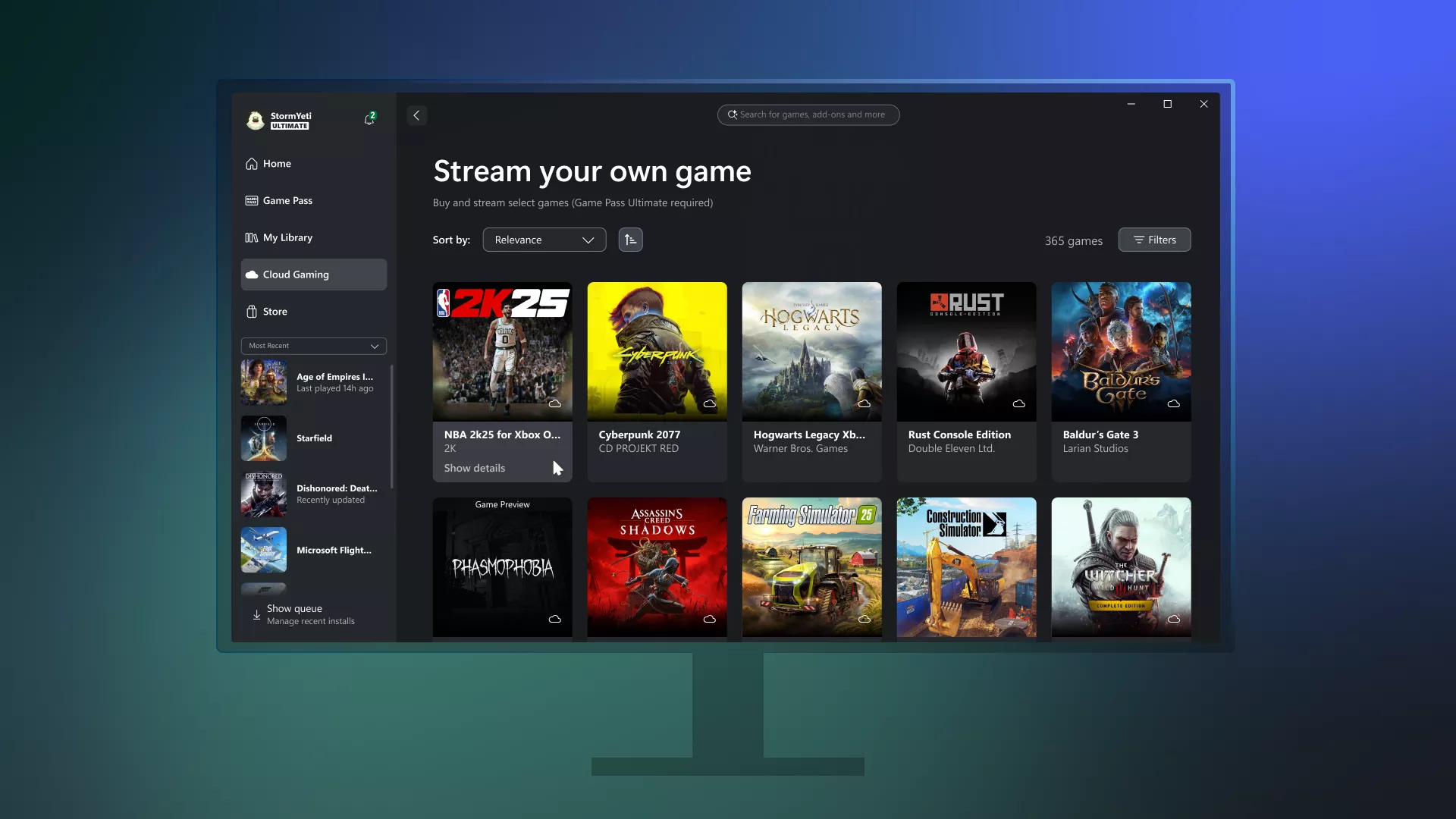
For a limited time, Xbox Insiders can now access games they own over the cloud on Xbox consoles, PCs, and mobile devices without subscribing to Game Pass. Microsoft promises that the ads will be unobtrusive.
Users are limited to one-hour game sessions. Ads play before each session, and Microsoft stresses that they will not interrupt the flow of gameplay. To "create value," the company promises that ads will meet the same quality bar as game content, adhere to player expectations for each platform, and maintain clarity about what is being advertised. Microsoft did not specify the test's duration but will improve the system based on player feedback.
Ad-supported free cloud gaming fits Microsoft's plan to offer more affordable gateways to its content. The company's Game Pass subscription service received a significant price hike last year that Microsoft admits pushed 4 million subscribers to cancel.
The company partially reversed the decision soon after the Xbox division's new CEO, Asha Sharma, took over. Xbox has since explored cheaper options, including free, ad-supported programs. Microsoft likely hopes that free cloud gaming can help alleviate affordability challenges since memory shortages – partially caused by the company's generative AI investments – pushed it and other tech companies to raise the prices of game consoles, PCs, smartphones, and other devices.
Reports about Microsoft's free cloud gaming service initially emerged last year, but details regarding advertising and session limits changed over time. Prior rumors stated that the program would limit players to a few hours per month. However, the current test system, which does not appear to limit overall playtime or the selection of games within users' libraries, resembles GeForce NOW's free tier.
Nvidia's service allows users to stream games they own from thousands of supported titles across Xbox, Steam, and other major PC gaming storefronts, displaying ads in the access queue and allowing one-hour sessions. GeForce NOW has been the only notable success in the ad-supported cloud gaming market since the failure of Google Stadia.
To join the Xbox Insider program, download the Xbox Insider Hub on console or PC.
Microsoft is testing free Xbox cloud gaming with ads, no subscription required


