Retro tech is cool: The 3dfx Voodoo was a truly legendary achievement in 3D graphics. The chip brought practical 3D acceleration to PC gamers for the first time, and many still remember the technology fondly. Meanwhile, a dedicated hardware enthusiast tested a brand-new 3dfx design, recording unprecedented performance gains.
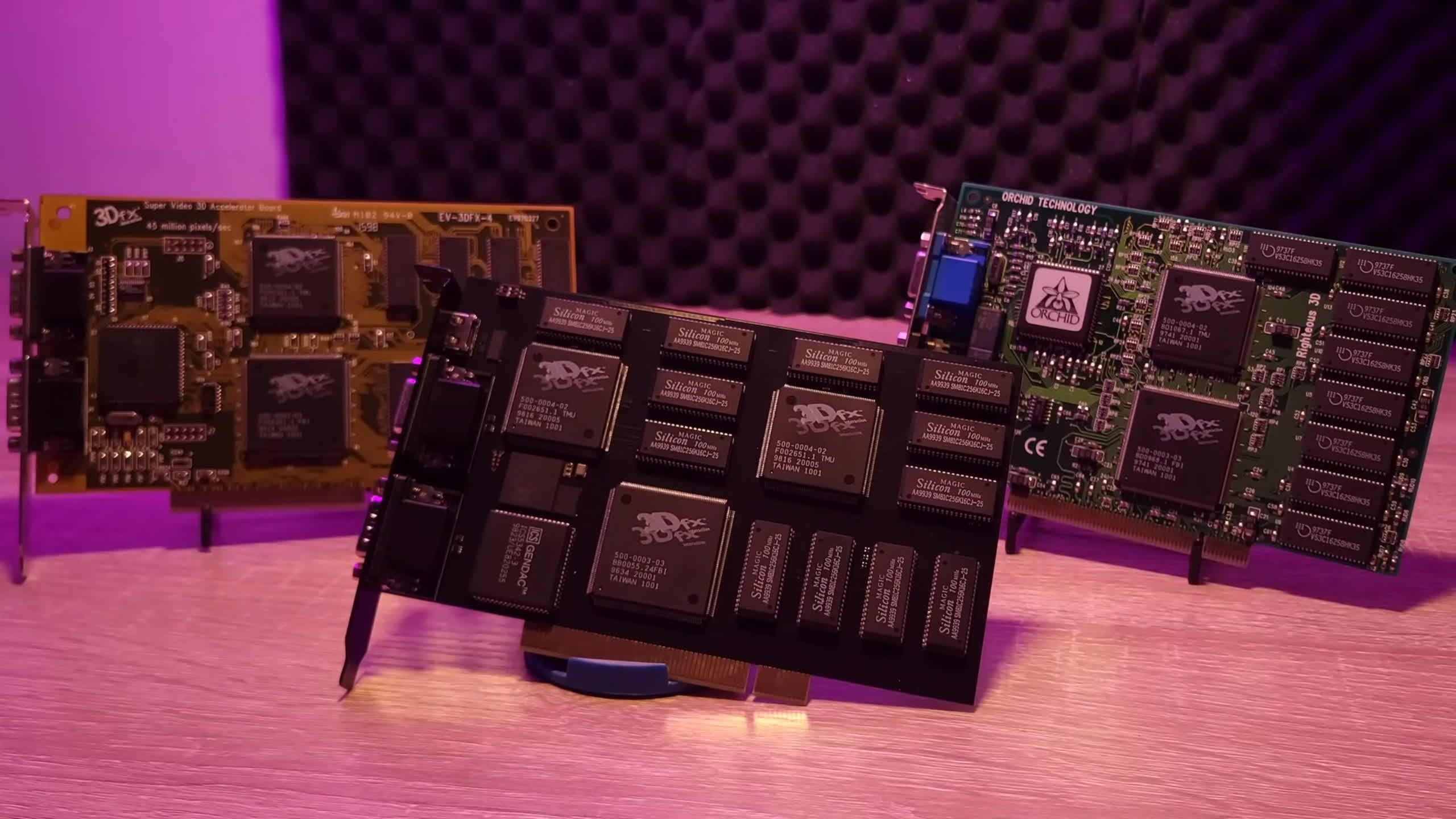
The 3dfx Interactive brand is Gone But Not Forgotten, as modders are still proving with new projects using the chip architecture that made 3D PC gaming possible. YouTuber PixelPipes recently tested a custom Voodoo design by Daniel "sdz" Simionescu, a modder who has been working with Voodoo chips for years. The result: the modded card can unleash the true power of the original 3dfx architecture.
The card in question is the Voodoo 4440H, a custom design Simionescu finalized in 2024. It delivers a traditional Voodoo 3D experience over the PCI bus but features two TMU (texture mapping unit) chips and one pixel pipeline chip. Each has its own 4MB memory pool, and there's even a native HDMI port for easier use with modern displays.
The design wasn't typical of late-Nineties Voodoo cards, as PixelPipes explains. Most consumer 3D boards shipped with a single TMU to keep costs down. However, the Voodoo chip – formally known as the SST-1 – was conceived from the start as a highly modular graphics architecture.
The Voodoo 2 card was the clearest example of 3dfx's modular design philosophy. Built on a refined manufacturing node, it ran at higher clocks and added a second TMU to double texturing throughput. Dual-TMU Voodoo 1 boards were virtually unheard of in the Nineties – until Simionescu's custom design.
Must read: 3Dfx Interactive: Gone But Not Forgotten
The Voodoo 4440H brings the Voodoo 1 chip into the Voodoo 2 era, unlocking the original 3D processor's full potential. Paired with a "modern" retro setup – Pentium III and Windows 98 SE – PixelPipes found it delivered significant frame rate gains across several games.
The YouTuber tested the card with Quake, Quake II, Unreal, and Unreal Tournament, seeing up to 60 percent faster graphics performance compared to a standard 4MB, single-TMU Voodoo card. The 30-minute video is worth a watch, offering a technical trip down memory lane for one of PC gaming's most influential 3D technologies.
Modding project unleashes the full potential of the 3dfx Voodoo graphics architecture


