NAND shortages could finally ease in 2027, but ADATA warns the DRAM crisis may last another 10 years

midian182

Posts: 11,755   +179
Staff member
Crystal ball: Maybe we're worrying too much about the current memory crisis: according to TrendForce, NAND flash supply growth will outpace demand next year, with supply constraints easing in the second half of 2027. Or maybe we're not worrying enough: Adata's chairman says DRAM shortages will last another decade and that memory and electricity will become the world's two scarcest resources.
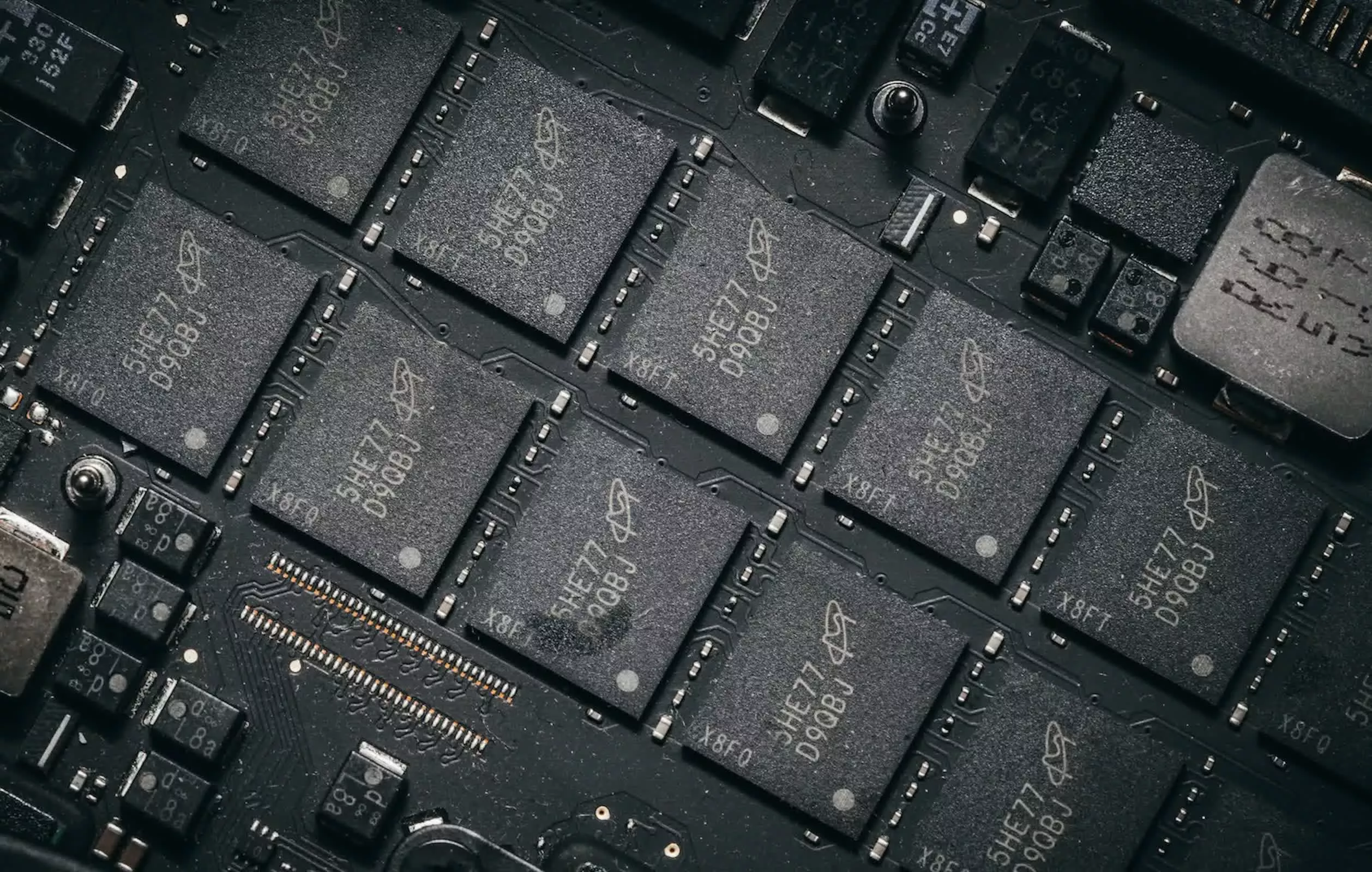
TrendForce's latest NAND flash report is a rare piece of good news for those hoping SSD prices will eventually return to something approaching normal. The analyst firm says the market will remain undersupplied throughout 2026, recording a supply deficit of between 4% and 5%, as booming AI demand clashes with limited capacity expansion.

Thankfully, the situation should begin improving during the latter half of next year. Suppliers are migrating to newer manufacturing processes, steadily increasing bit output, and selectively upgrading existing production lines. Chinese manufacturers are also installing new equipment, which is expected to increase their share of global NAND bit output to almost 19%.

Servers now account for more than 40% of NAND consumption, and shipments of Intel and AMD's next-generation server platforms are expected to push total server shipments up 17% this year. However, smartphones and notebooks, which together represent almost another 40% of demand, remain weak. TrendForce expects smartphone production to fall 15% to 20% in 2026, while notebook shipments decline around 10%.
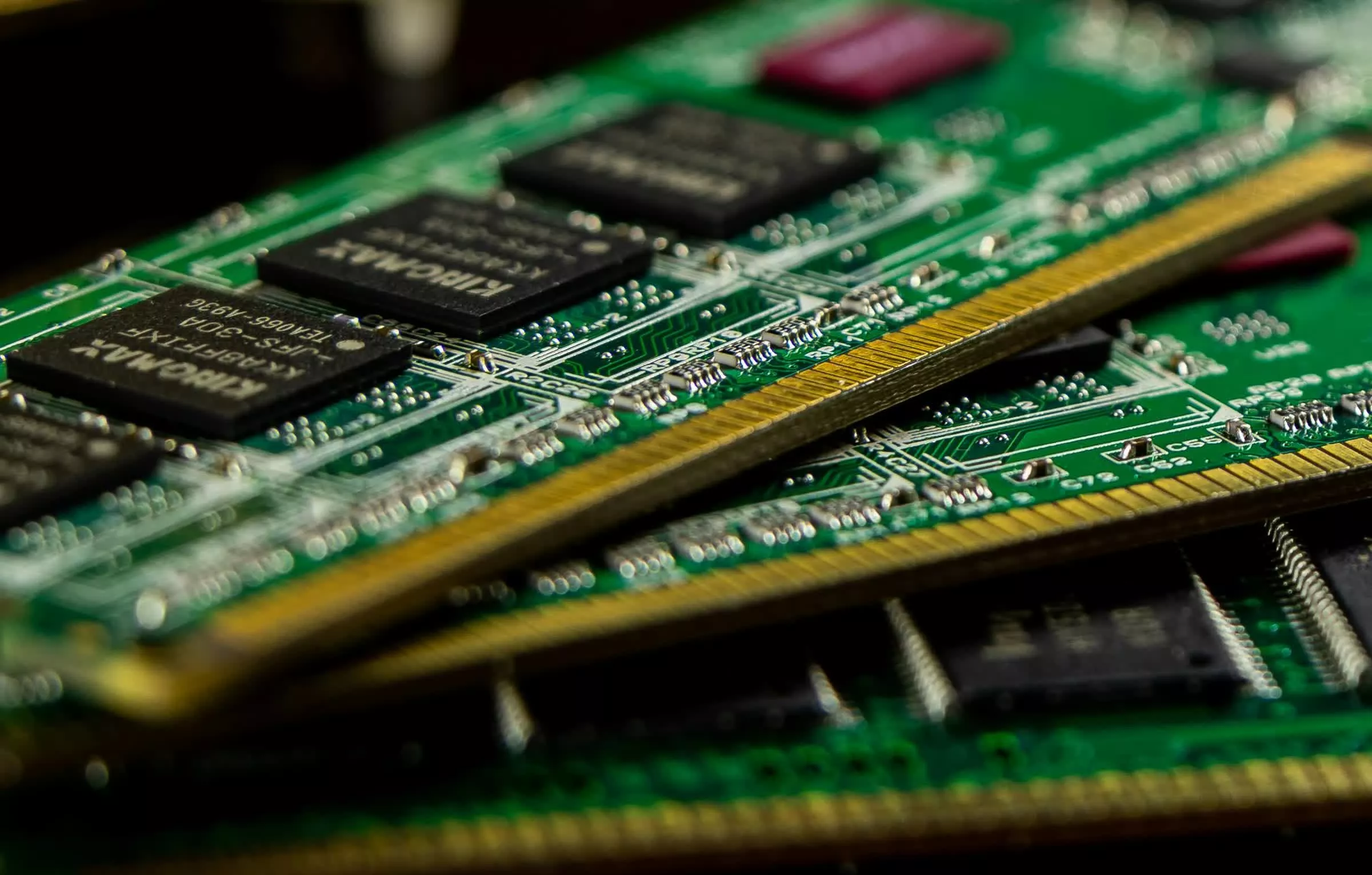
The forecast is more optimistic than Silicon Motion's recent warning that 2027 would be the worst year yet for NAND availability as cloud companies receive priority over consumer products. TrendForce agrees that capacity will remain constrained into next year, but believes supply growth will finally overtake demand during the second half.

DRAM appears to be a very different story. Adata chairman Chen Li-bai says the industry has underestimated future demand from AI infrastructure and believes shortages could continue for another ten years, despite expansion plans from Samsung, SK Hynix, and Micron.

Chen said new factories scheduled to come online between 2028 and 2035 may still fail to satisfy demand. He also dismissed concerns about an AI bubble, suggesting the subject should not be discussed seriously until 2040 or even 2050. Reports that Meta and xAI are leasing excess compute capacity do not indicate demand is slowing, he argues, as AI expands into more commercial and government applications.

It was recently reported that SK Hynix predicts the memory crunch will peak in 2027 and continue through 2030, while Micron also expects memory shortages to stretch beyond 2027. The crisis has already helped push DDR5 kit prices from around $100 to more than $400, revived demand for DDR4 hardware, and prompted warnings that memory costs could raise PC and smartphone prices by as much as 8%.

Permalink to story:

 
They have been predicting supply to catch up in 2027 since last year (new fabs take time but not forever).

It's funny how this same fact is framed as either the end of the world or our salvation depending on the article.
 
Well there are several lawsuits being launched against the big 3 memory makers around the world so maybe we will see some change.
 
You are correct and a shortage that can be solved in court is a fascinating study.
Well the what many of these lawsuits say is that it's odd that HBM is now less profitable to make than DDR and micron has stated publicly that it has no intentions to expand capacity. You'd think SK and Samsung would swoop in to scoop up market share, but they haven't. All of the big 3 all have roughly the same 30% market share. There is actually a lot of crazy stuff that's coming out seemingly everyday about the memory cartel and what new lawsuits are alledging is happening. I'm surprised tech spot isn't covering it. There is wild stuff coming out almost everyday about this lawsuit. One lawsuit tracked the movements of former executives of all 3 companies and show them meeting and alledges that the companies are colluding through former executives who were found guilty in the previous case in the 2000s
 
Well ... micron has stated publicly that it has no intentions to expand capacity.
Why do you continually spread this absurd disinformation, no matter how often it's debunked? Micron is rapidly building several new fabs, and is currently investing some $200 billion -- that's billion with a "b" in new memory capacity:

 
Why do you continually spread this absurd disinformation, no matter how often it's debunked? Micron is rapidly building several new fabs, and is currently investing some $200 billion -- that's billion with a "b" in new memory capacity:

There are people who will claim that it was a myth that the big 3 suffered any sort of financial loss in 2023....despite their financial records being public.
 
It's entirely possible price fixing or collision of some sort will someday be proven. It's also possible it existed in some form and won't be proven. That said ...

A court decision won't change conditions. Only an increase in supply, decreases in demand, or both, will impact the situation. Chinese fabs have every incentive to take advantage of the market situation to build market share even at the expensive of profitability. The "Big 3" can choose to be production limited and cede market share to maintain profits however this is short term gain for long term pain. If it wasn't the Chinese, outsized profits eventually justify the massive investment for other related semiconductor companies.

Also, the AI bubble can absolutely pop unless profits start flowing fast. Interest rates are already rising and the AI boom is a major contribution to overall inflation. Just like the .com bust, it doesn't mean AI goes poof, rather capital is pulled back and invested more efficiently and at a pace that makes better economic sense. Soon, hopefully.
 
Why do you continually spread this absurd disinformation, no matter how often it's debunked? Micron is rapidly building several new fabs, and is currently investing some $200 billion -- that's billion with a "b" in new memory capacity:

I haven't been able to stop thinking about AC refrigerant
 
Why do you continually spread this absurd disinformation, no matter how often it's debunked? Micron is rapidly building several new fabs, and is currently investing some $200 billion -- that's billion with a "b" in new memory capacity:

That link is a bit outdated; Micron has bumped their investment plans another $50 billion on top of that $200 billion mentioned. But yeah your point stands. Sk Hynix and Samsung have also recently announced similar levels of expansion in their investments.

 
Back