In context: As NASA prepares for human missions beyond low Earth orbit, the agency is confronting one of long-duration spaceflight's most persistent risks: limited access to medical care. On the International Space Station, astronauts can consult a physician almost instantly, receive medicine resupplies every few weeks, and return to Earth within hours if necessary. But these conditions will change as missions venture farther from Earth – to the Moon under the Artemis program and, eventually, to Mars.
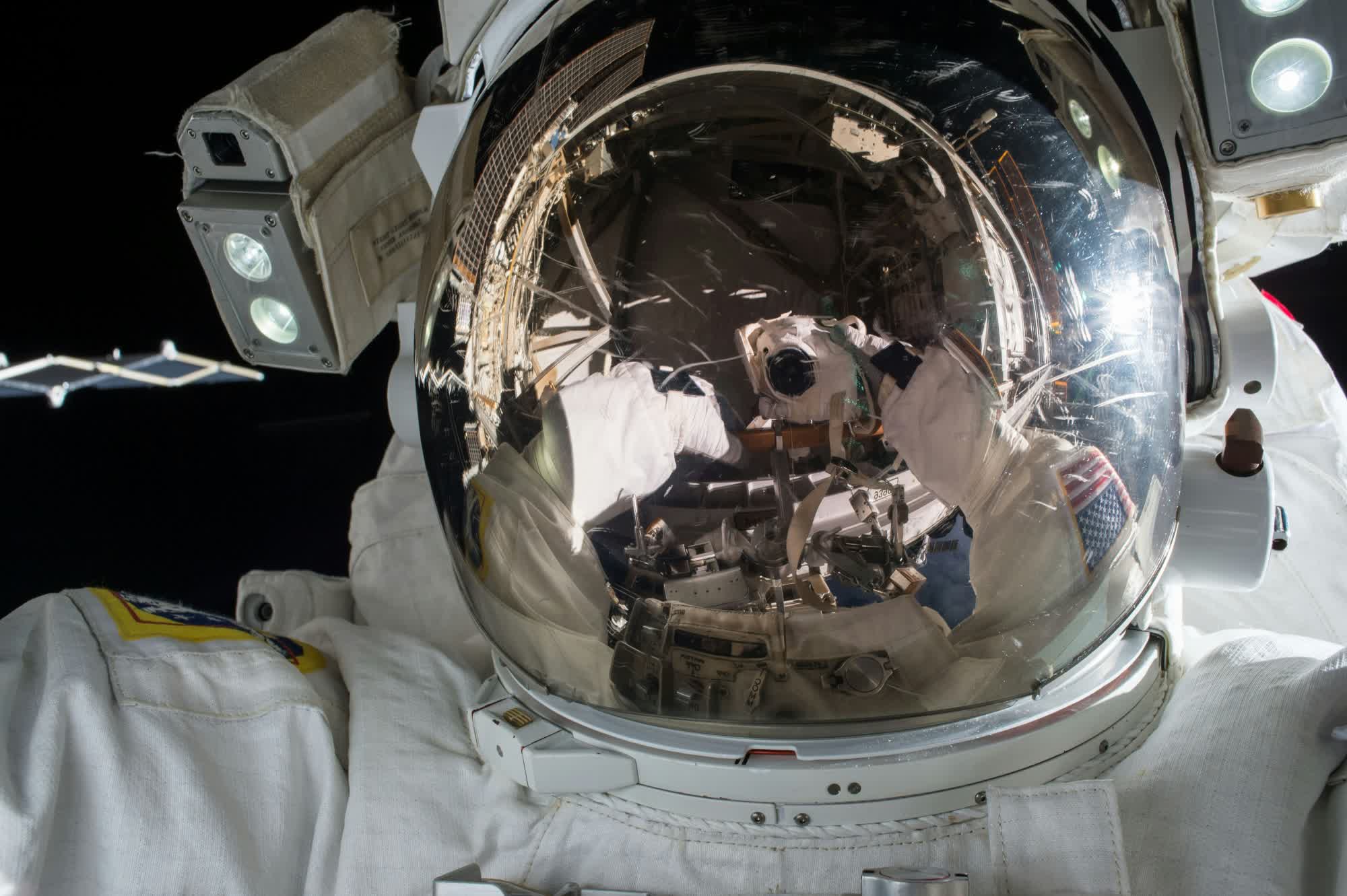
To address this challenge, NASA is partnering with Google to develop an artificial intelligence tool that could help astronauts diagnose and treat illnesses without real-time support from Earth. The system, called the Crew Medical Officer Digital Assistant (CMO-DA), is designed to guide medical decision-making in environments where communication is slow or limited.
CMO-DA runs on Google Cloud's Vertex AI platform and features a multimodal interface that can process speech, text, and images. The software was developed under a fixed-price Google Public Sector subscription agreement, which includes cloud services, application development infrastructure, and model training.
"NASA owns the source code to the app and has helped fine-tune the models," David Cruley, a customer engineer at Google Public Sector, told TechCrunch. Vertex AI allows users to access AI models from Google as well as from other providers.
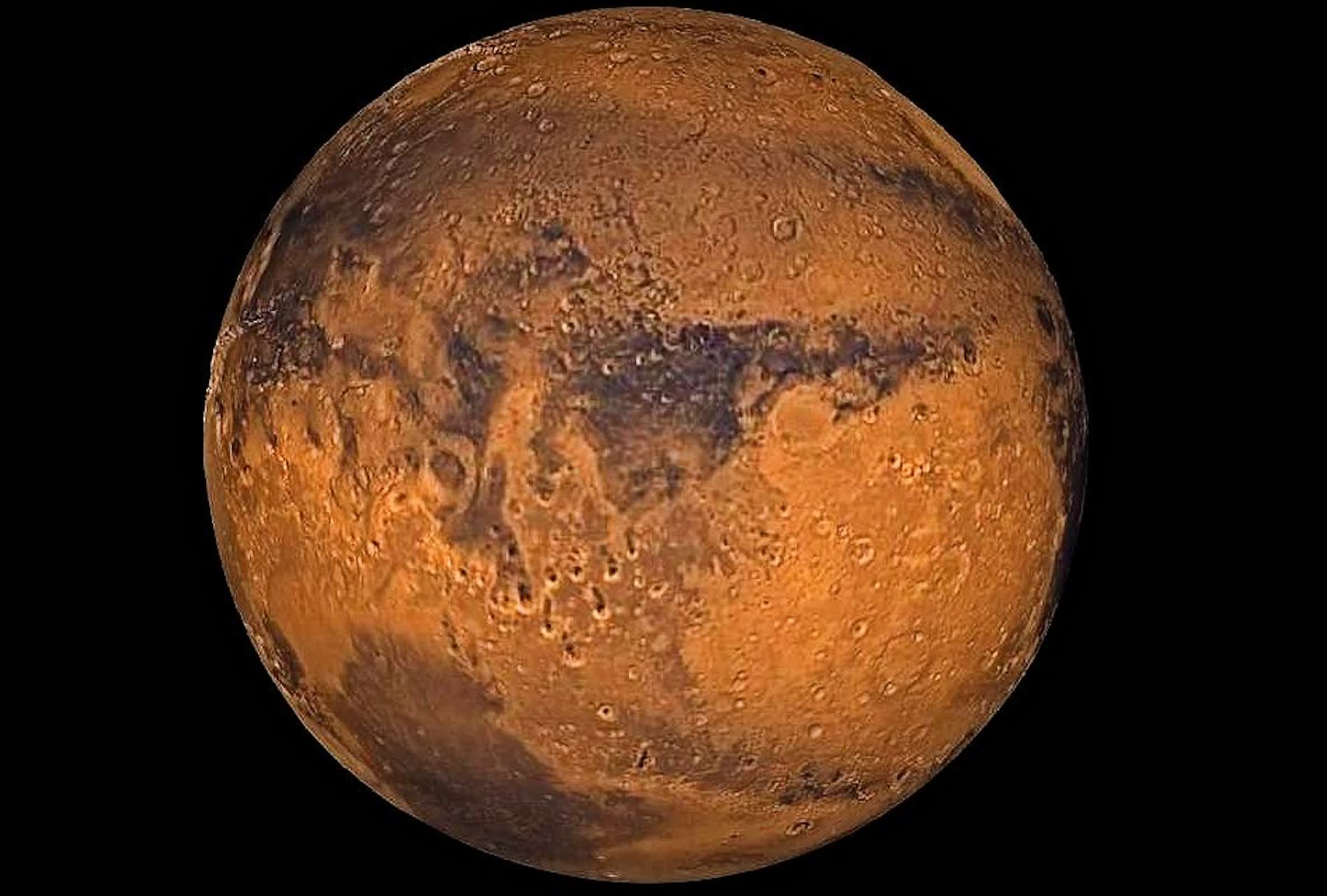
CMO-DA is designed to provide medical care for astronauts on long missions to distant destinations like Mars.
In its first round of testing, the assistant was evaluated in three simulated medical scenarios: an ankle injury, flank pain, and ear pain. A panel of three physicians – one of them an astronaut – assessed the AI's performance in initial examination, history-taking, clinical reasoning, and treatment recommendations. The results showed a diagnostic accuracy of 88 percent for the ankle injury case, 80 percent for ear pain, and 74 percent for flank pain.
NASA plans to gradually expand the system's capabilities. Future versions will draw on real-time data from onboard medical devices and learn to detect health issues unique to spaceflight, such as the effects of microgravity on the human body. The system is designed to handle both structured and unstructured data, improving its adaptability to the unpredictable conditions of missions to the Moon, Mars, and beyond.
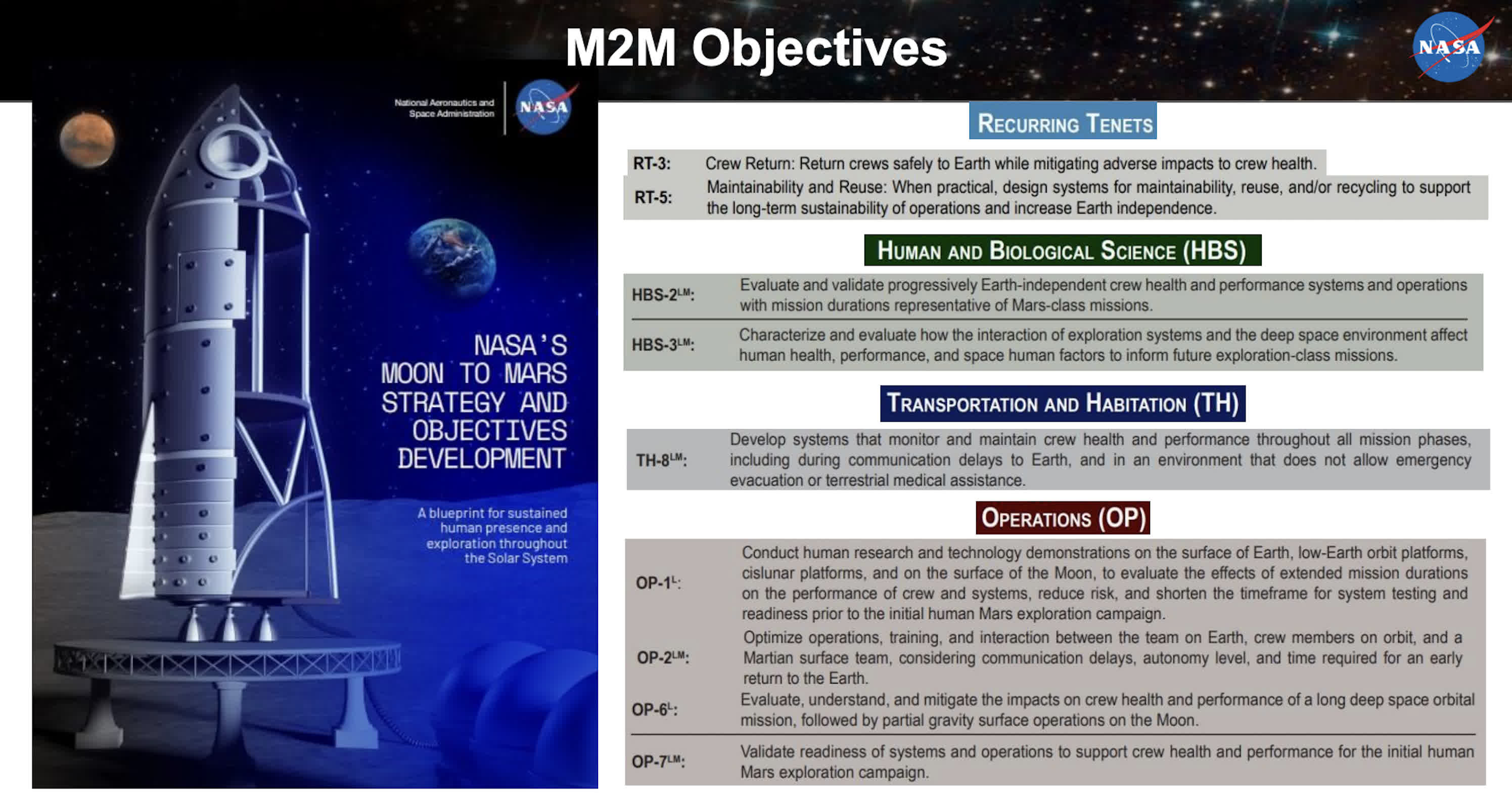
The system is currently designed for use in space, but Cruley did not say whether Google plans to seek approval for use in terrestrial healthcare. He did, however, emphasize its broader potential. "The tool not only could improve the health of astronauts in space," he said, "but the lessons learned from this tool could also have applicability to other areas of health."
NASA and Google developed an AI medical assistant to keep astronauts healthy on deep-space missions


