Forward-looking: Apple has spent years designing its own processors to control the performance and security of its most important products – and to set them apart from the competition. Its A- and M-series chips have already transformed iPhones, iPads, and Macs, setting industry benchmarks and reducing reliance on outside suppliers. Now, by adding wireless chips to that portfolio, Apple is taking aim at another critical layer of its devices.
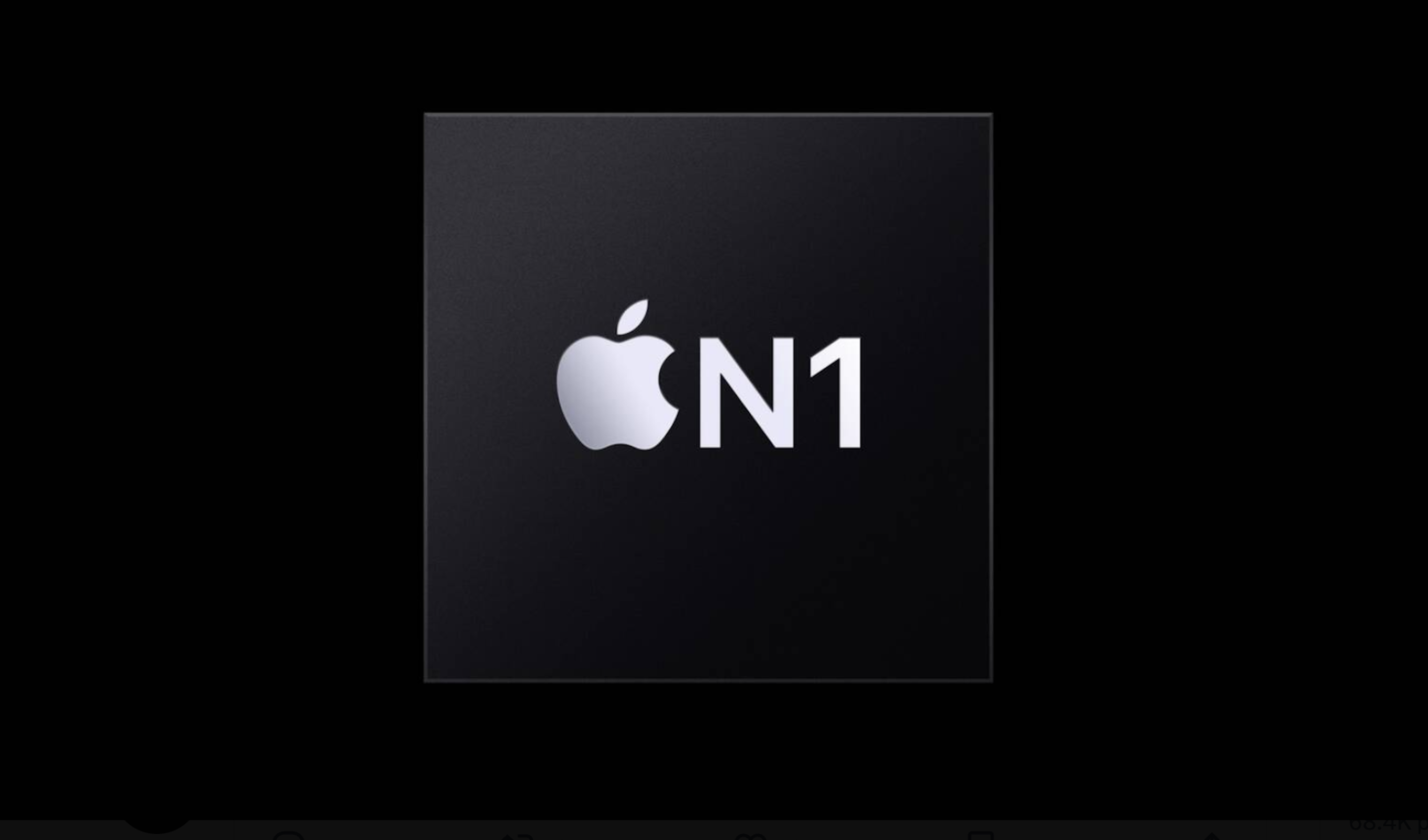
Apple's years-long push into wireless chip design just crossed a major milestone. With the launch of its first in-house Wi-Fi and Bluetooth processor – debuting in the latest iPhones – the company has taken a decisive step toward deeper control over the technology that powers its most popular devices.
The shift signals a deeper strategy: to bring more of the technology that powers its ecosystem fully in-house, giving Apple tighter integration, faster innovation, and greater independence in a market where connectivity is everything.
The new Apple N1 wireless chip delivers support for Wi-Fi 7, Bluetooth 6, and Thread – a mesh networking protocol gaining traction in smart home devices. While Apple didn't share detailed technical specs or explain its shift away from longtime supplier Broadcom, the implications are clear. Wireless features like Continuity, Personal Hotspot, and AirDrop should now be more reliable, while cross-device capabilities such as extending a Mac desktop to an iPad are expected to see tangible performance gains.
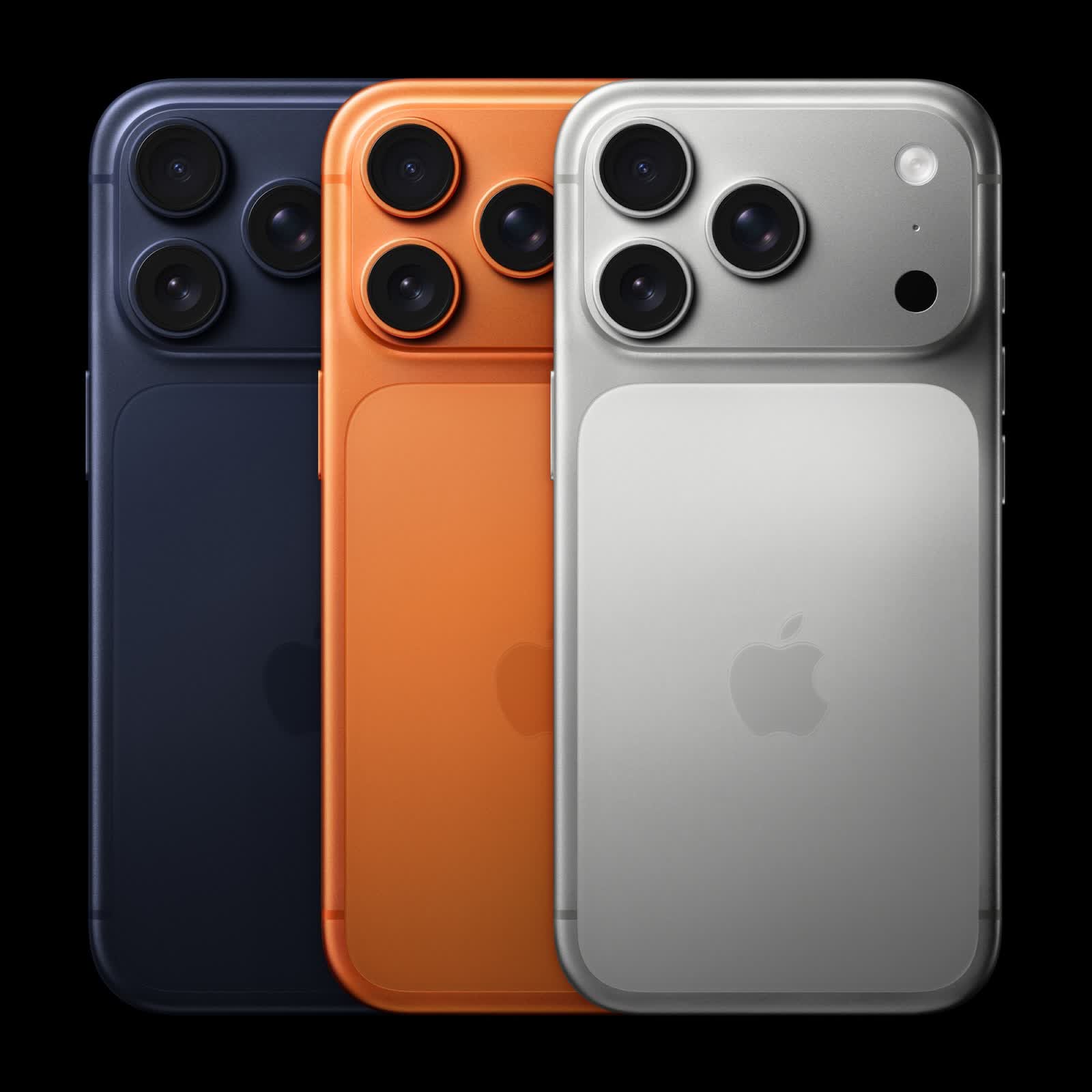
Apple's journey into custom wireless silicon started small, with chips like the W-series in Apple Watches and the H1 and H2 in AirPods. But until now, iPhones have relied on third-party components for Wi-Fi and Bluetooth.
The recent rollout of the C1 and C1X modems hinted at a larger internal push, and with the arrival of the N1, Apple signals that its engineering teams have reached the performance and power efficiency needed to take full ownership of these critical functions.
Industry analysts expect the N1 to spread quickly across Apple's product line. With built-in Thread support, it could serve as a hub for next-generation smart home standards, making devices like Apple TV and HomePod likely early adopters.
Over time, Macs and iPads could also gain the N1, further unifying Apple's wireless ecosystem and giving the company even more leverage as it continues to weave its hardware tightly together.
New iPhones get Wi-Fi 7 and Bluetooth 6 via Apple's in-house N1 wireless chip


