
Forward-looking: Most highly recommended microSD cards offer maximum read speeds of around 250 MB/s, but the impending release of the Nintendo Switch 2 has increased demand for significantly faster memory cards. Just as microSD Express technology begins to gain mainstream acceptance, one vendor has introduced a new standard that doubles the theoretical performance.
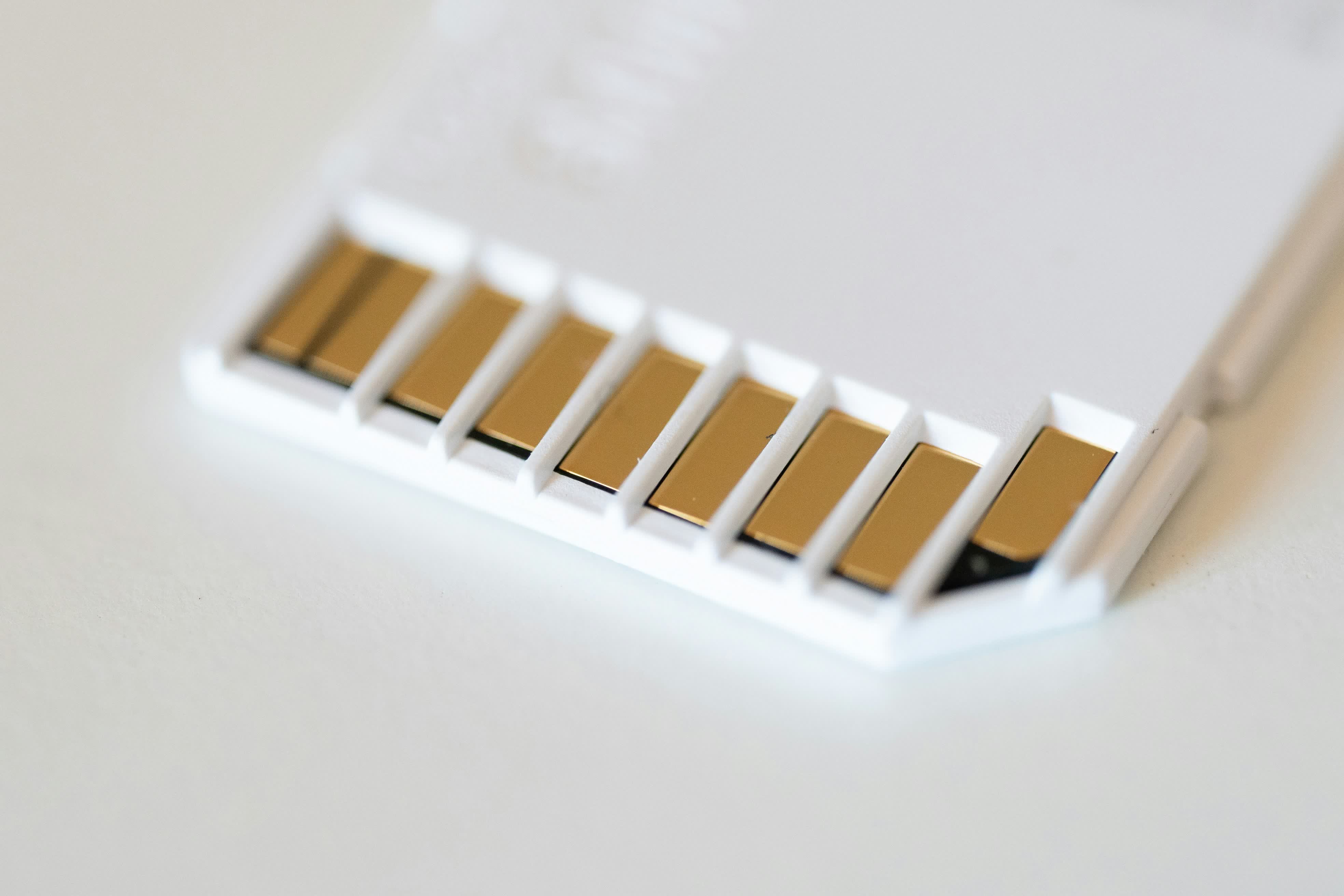
Adata has unveiled a new performance standard for SD Express cards, boasting a 1.6 GB/s maximum read speed and a 1.2 GB/s write speed – roughly double the fastest models currently available. Although the company hasn't disclosed release details, users shopping for Nintendo Switch 2 memory cards will have another, faster (and likely more expensive) option.
The SD Express standard was introduced in 2018 with version 7.0, offering read speeds of up to 1 GB/s by leveraging NVMe SSD technology. However, because few portable devices required such high transfer rates, SD Express languished in obscurity for years, while most users and manufacturers stuck with more affordable and established options.
Also read: microSD and SD Card Buying Guide
Nintendo's upcoming Switch 2 handheld could change that when it launches on June 5. It is expected to be the first mass-market device to require microSD Express cards, and stores across Japan have already reported selling out of them.
Games purchased on physical Switch 2 game cards or installed on memory cards will benefit from significantly faster load times compared to the original Switch. For example, Nintendo recently demonstrated that The Legend of Zelda titles can load new areas more than twice as quickly on the Switch 2, taking just a few seconds.
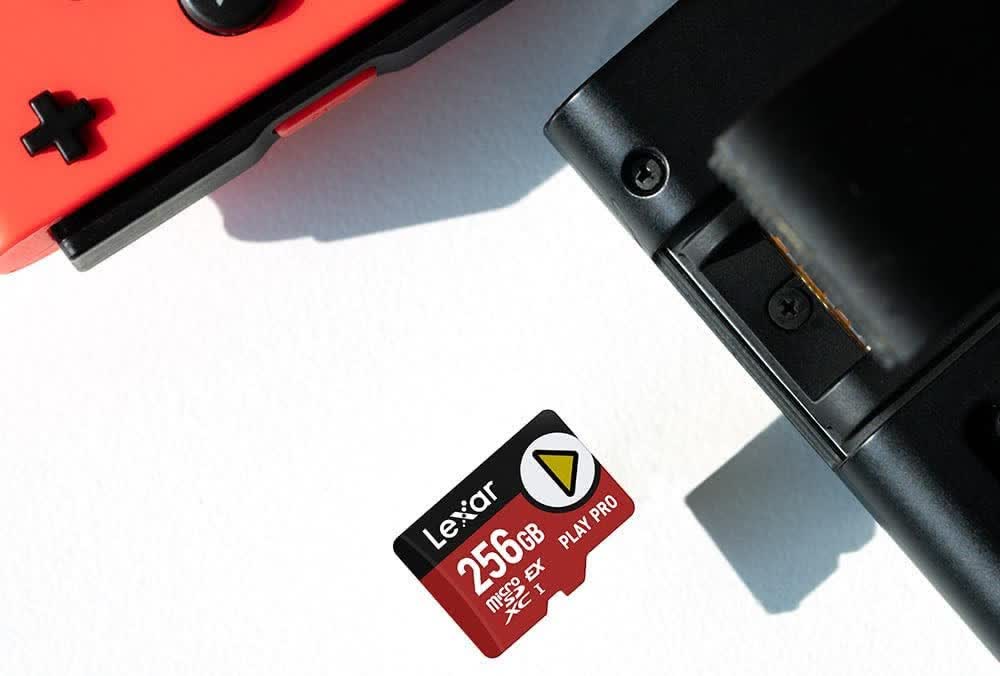
Lexar microSD Express card
Online retail listings show that only SanDisk and Lexar currently offer microSD Express cards, featuring read speeds of around 900 MB/s. Adata has raised the bar with the new SD 8.0 standard, although it remains unclear how quickly other vendors will follow suit.
Adata has yet to reveal pricing details, too, but these next-gen memory cards are unlikely to be cheap. SanDisk's 256 GB SD 7.0 cards start at $60, while Lexar's 512 GB models retail for around $100.
In addition, Adata recently announced several new flash memory and SSD products. The UE720 is a USB 3.2 Gen2 flash drive with read and write speeds of 500 MB/s and 450 MB/s, respectively, available in capacities up to 256 GB. The company's new EC680 M.2 SSD enclosure uses a USB 3.2 Gen2x1 interface and a Type-C connector to achieve read/write speeds of approximately 1,050/1,000 MB/s. It supports 2230, 2242, and 2280 form factors.
New SD Express 8.0 cards double the speed of today's fastest microSDs


