Nintendo redesigns Switch 2 for EU rules with a user-replaceable battery

Skye Jacobs

Posts: 2,030   +59
Staff
Forward-looking: Nintendo is preparing changes to its forthcoming Switch 2 console to meet Europe's stricter repairability standards, a move that signals how the EU's new rules could reshape hardware design across the consumer electronics industry. The company is developing a version of the hybrid console with a user-replaceable battery to comply with the bloc's new battery rules under the EU Batteries Regulation, which include a user-replaceable requirement that takes effect in February 2027.
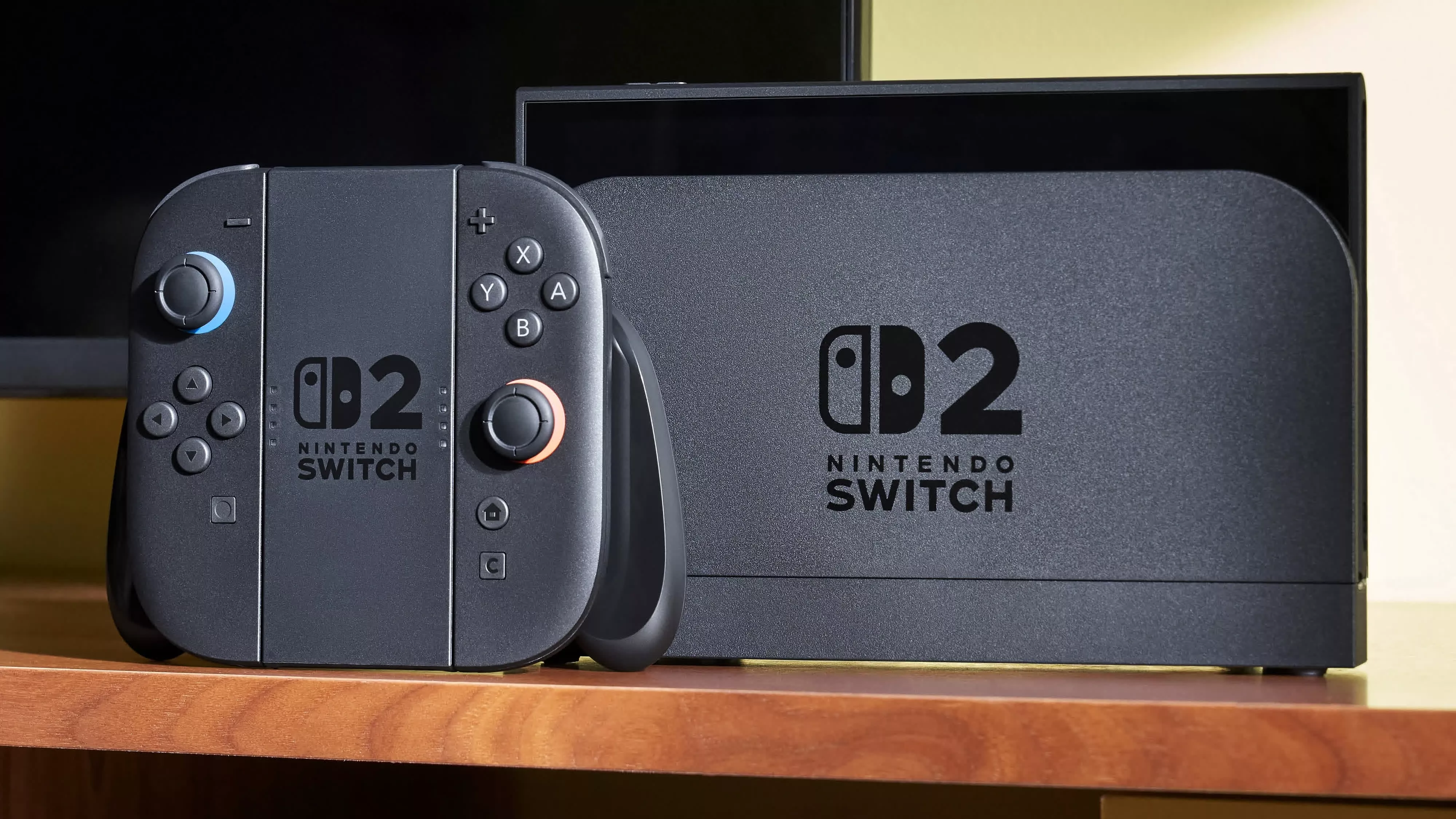
According to a Nikkei report, the update will allow consumers to remove and replace batteries using ordinary tools, without special equipment or risking damage to the device. The more easily repairable model is expected to debut in Europe, with the design expanding to other markets if required by similar legal frameworks.

While the specifics of the redesign remain undisclosed, a teardown by iFixit gives some clues about what may change. In its disassembly of the current Switch 2 and related Joy-Con controllers, iFixit found that both devices use adhesive to secure their batteries.

The teardown process involved prying out the cells with a spudger – a common tool, but one that can pose risks if force is required or if adhesive must be dissolved. Even minor design adjustments, such as reducing adhesive strength or implementing battery brackets, could substantially improve safety and ease of repair.

The EU's 2027 mandate aims to curb electronic waste by requiring that batteries in portable devices, including smartphones and game consoles, can be replaced without relying on proprietary parts or inaccessible tools. Manufacturers will need to design products with simpler disassembly and component replacement in mind.

The Switch 2 is expected to carry Nintendo's gaming platform forward for several years, making early compliance with EU regulations both a legal and logistical advantage. It may also ease future updates should other jurisdictions follow Europe's lead on right-to-repair standards, as several US states are already exploring similar legislation.

The extent of Nintendo's hardware modifications remains to be seen. The company may opt to replace internal fasteners, such as the tri-point screws used in earlier models, with standard ones to make repairs more consistent and accessible for consumers. Other changes could include new casing or a more modular design to make battery swaps easier.

Although the EU's rules will not take effect for nearly a year, Nintendo's early compliance points to an industry increasingly responsive to regulatory pressure around sustainability and repairability. If these changes make the console truly user-serviceable, the Switch 2 could be a key moment for right-to-repair in mainstream gaming hardware.

Permalink to story:

 
A long time ago, I was disgusted by Apple bending to the EU and swapping to USBC. The lightning plug, for me, has been far more durable than the USBc plug. But now I can appreciate the EU a little more as all of my devices are USB and I an easily charge them without worrying about compatibility. I have a Switch 2 and I don't want to worry about user replaceable batteries either. But my issue is: for products that are water resistant and water proof, how will these compromises effect them?
 
Why this even needs to be forced is beyond me. It can only benefit device makers if consumers can swap batteries. If the battery is dying well before the next iteration of your product is released, a consumer is more likely to switch brands.
 
Can we just make it a law to make batteries that have to be easily replaceable? Because there’s basically no downside except maybe for the producers of the products.
US made laws to not allowing even repair what you own. If something doesn't benefit biggest corpos, just normal citizens, no one will bat an eye. Why would they care? Anything made with quality of life for a normal person without strings attached will straight away be labelled as communism, and dangerous, because it could have made people think.
 
The lightning plug, for me, has been far more durable than the USBc plug

I have dozens of USBC products, from smartphones like the Samsung S8 up to tablets, SSD, fans, power banks etc.. Not a single one had absolutely any issue. Heck, not even a micro USB, let alone a more robust USBC...

So your "data" is just a personal guess of yours.
 
Can we just make it a law to make batteries that have to be easily replaceable? Because there’s basically no downside except maybe for the producers of the products.
There's a serious downside in enforcing hardware design decisions, because it severely limits the design choices.
A replaceable battery needs to have a specific shape. If you want to retain the device overall size/ volume, a replaceable battery should either have lower capacity, or be more expensive. I'm not saying forcing replaceable batteries is bad, only that everything is a trade-off - better something means a less-better other thing.

"there's basically no downside" is simply false. The question is, which downside is bigger.
 
A long time ago, I was disgusted by Apple bending to the EU and swapping to USBC. The lightning plug, for me, has been far more durable than the USBc plug. But now I can appreciate the EU a little more as all of my devices are USB and I an easily charge them without worrying about compatibility. I have a Switch 2 and I don't want to worry about user replaceable batteries either. But my issue is: for products that are water resistant and water proof, how will these compromises effect them?


I should also say that making product batteries easier to replace ensures less E-waste. I had a pair of Apple Air Pod Max with a dead battery. Apple refused to touch them. Replacing them would be a $300+ option. iFixit charged just $100. There's no good reason that our devices shouldn't have reasonably replaceable batteries and universal connectors to charge them.
 
Back