In a nutshell: The official debut of Nova Lake, Intel's powerful new architecture for next-generation consumer PCs, is approaching quickly. According to raw code submitted to the Linux kernel, the new processors will represent a significant departure from Intel's past, both in terms of silicon technology and naming conventions.
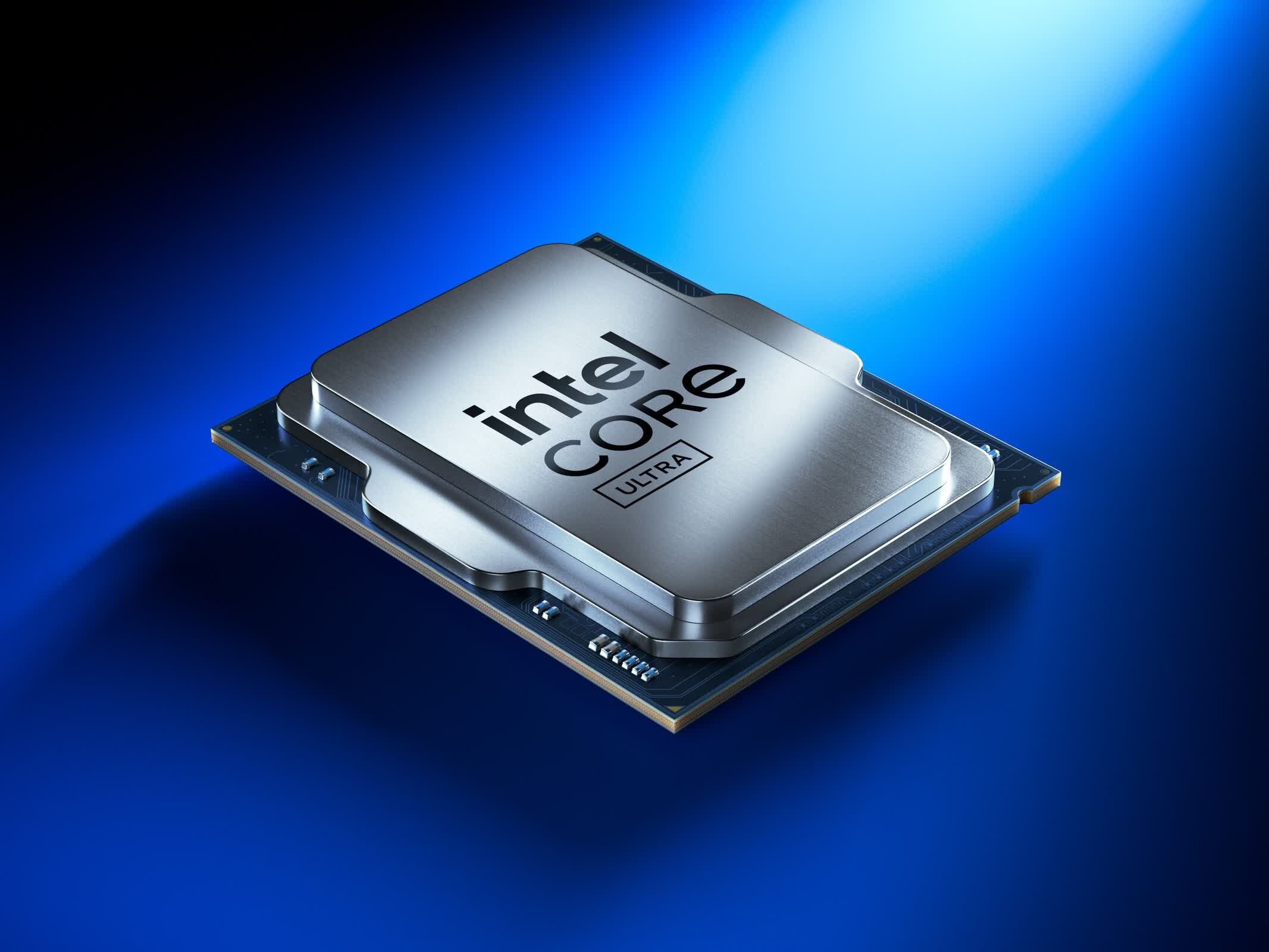
Intel engineers recently submitted a few lines of code that contain a major change to the company's long-standing CPU identification scheme. The patch defines two new CPU models, "Nova Lake" and "Nova Lake L," both classified under the newly introduced "Family 18" ID.
The Santa Clara chipmaker has relied on the "Family 6" designation for nearly three decades, ever since the ID debuted with the original P6 architecture (Pentium Pro, Pentium II) back in 1995. Earlier Intel processors with a 32-bit ISA were categorized under Family 4 (486) and Family 5 (P5/Pentium), while all subsequent 64-bit consumer processors have remained under the Family 6 umbrella.
The latest Linux patch confirms that Nova Lake will introduce some notable changes to Intel's CPU architecture. The code defines two Family 18 models: Family 18 Model 1 (Nova Lake) and Family 18 Model 3 (Nova Lake L). Notably, Intel already introduced a new processor family in 2024 – the Family 19 ID – reserved for Xeon 7 chips based on the Diamond Rapids architecture.
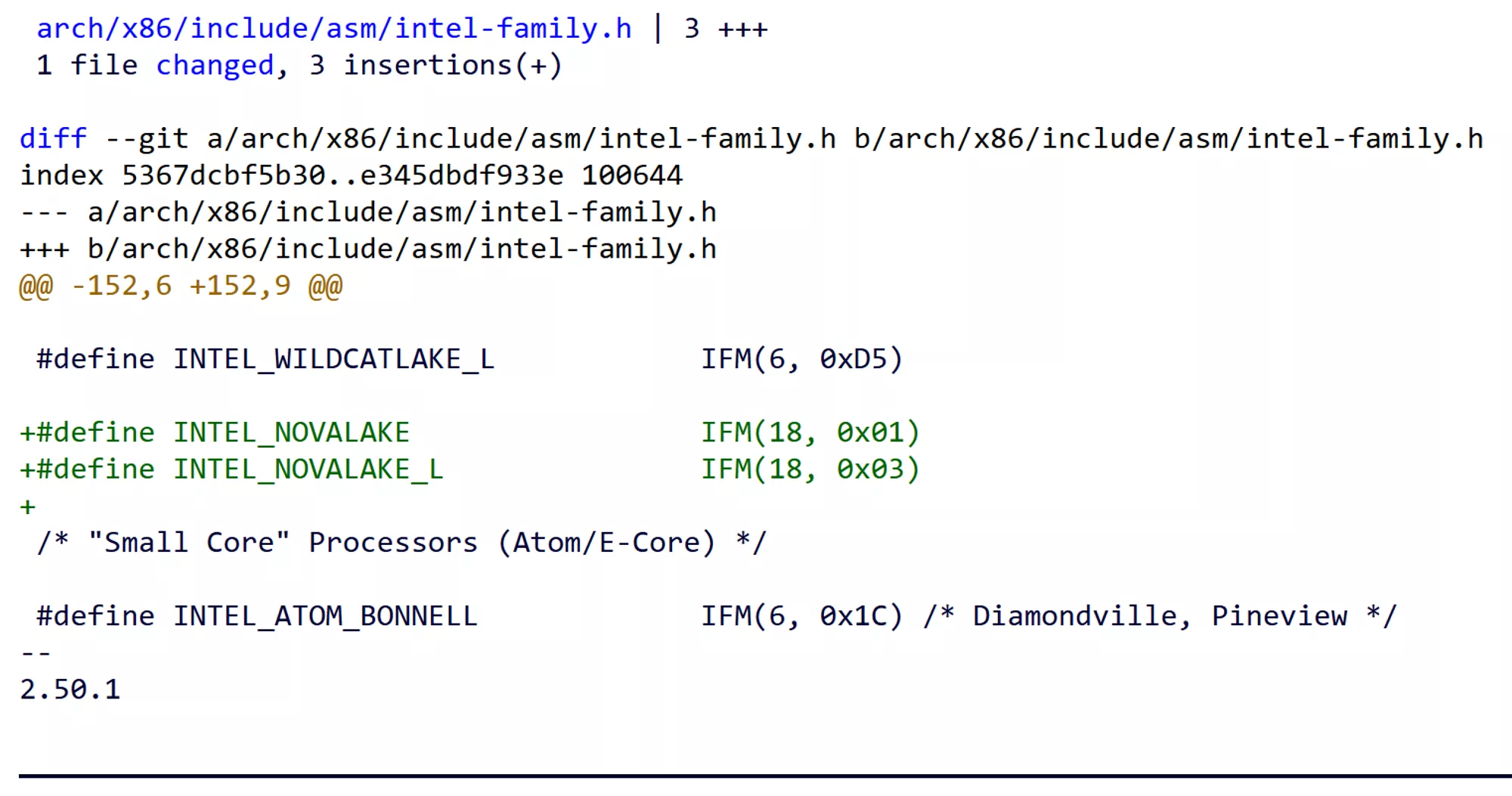
The new Family 18 and 19 identifiers aren't just a marketing move like the recently introduced "Core I" rebranding. Linux and Linux-based operating systems rely on the Family naming scheme to accurately identify a computer's processor, and Intel has consistently used the Family 6 designation for over 30 years. In contrast, AMD is known for routinely changing its Family and Model ID values with each new CPU generation.
While Intel's patch confirms the upcoming Nova Lake CPUs, it offers no meaningful information regarding actual release dates. The new architecture is expected to bring a wide range of technological advancements to Intel's x86 chips sometime next year. Intel is betting big on Nova Lake, which was originally designed to be built on its next-gen 18A manufacturing process.
However, recent reports suggest that the architecture will instead use TSMC's advanced N2 process. Due to less-than-ideal production yields with the 18A node, Intel has chosen a hybrid foundry strategy to ensure the successful launch of the Nova Lake project. The architecture's desktop variant (Nova Lake-S) is rumored to include a large number of processor cores, along with significant improvements in both performance and energy efficiency.
Nova Lake architecture breaks from Intel tradition with Family 18 ID


