Big quote: Nvidia CEO Jensen Huang said he was caught off guard by AMD's decision to give OpenAI the option to acquire a significant stake in the company, describing the move as both unusual and inventive for a firm still preparing its next major chip release.
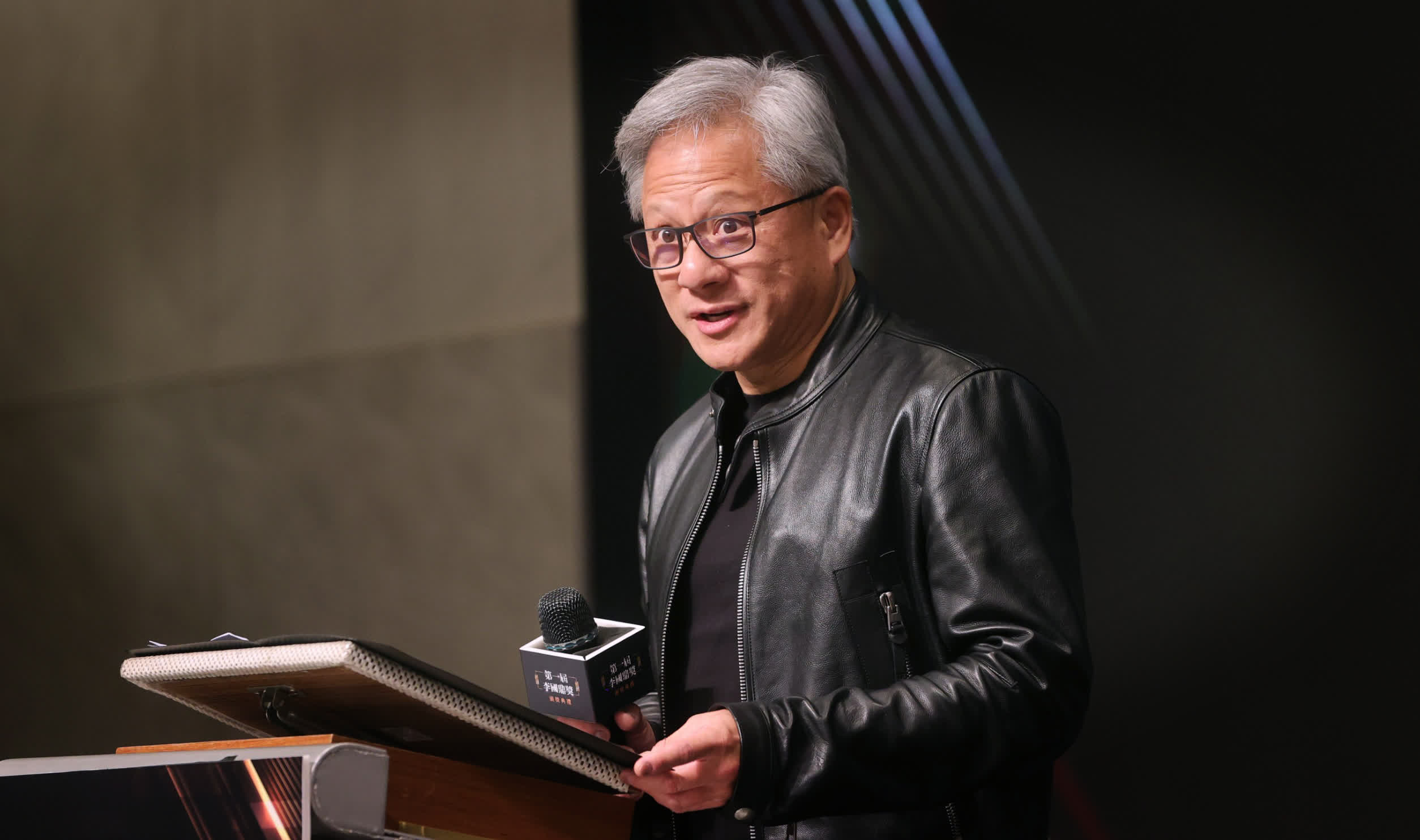
In an interview on CNBC's Squawk Box, Huang called the arrangement "unique and surprising," given AMD's excitement about its upcoming hardware. "I'm surprised they would give away 10 percent of the company before they even built it," he said. "It's clever, I guess."
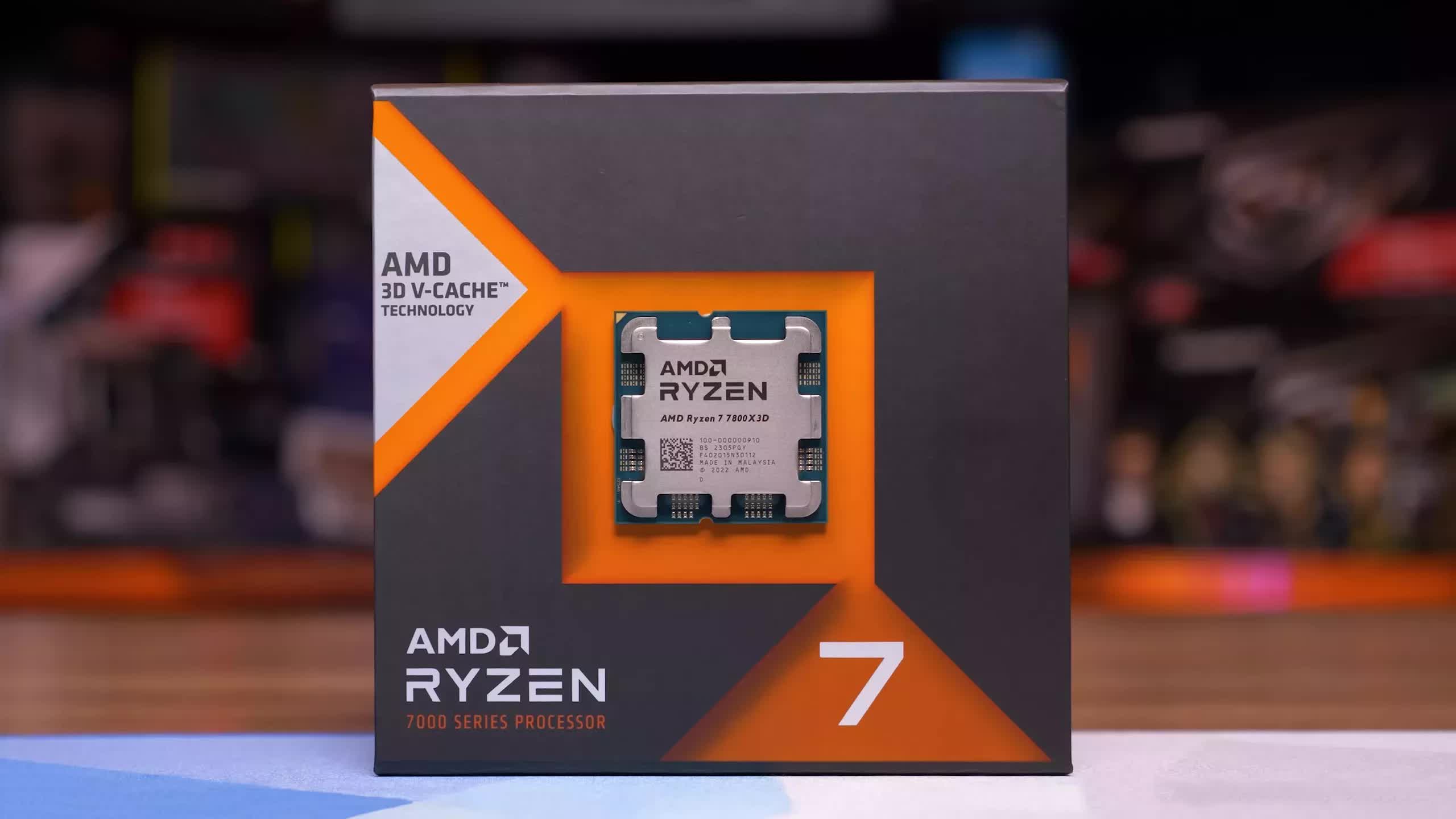
AMD's deal with OpenAI, announced this week, commits the ChatGPT maker to purchasing six gigawatts of computing power over several years, including future shipments of AMD's upcoming MI450 series accelerators. In this context, gigawatts refer to the total energy capacity required to operate the chips, highlighting the massive scale of the deployment.
As part of the agreement, OpenAI has received warrants for up to 160 million AMD shares. The warrants will vest based on the extent of chip deployment and AMD's stock performance. Exercising the full allotment would make OpenAI one of AMD's largest shareholders.
The partnership is widely seen as an attempt to challenge Nvidia's dominance in the AI semiconductor market. Nvidia's H100 and forthcoming Blackwell GPU architectures currently power most large-scale AI training operations – a lead AMD has sought to narrow through aggressive pricing, higher memory bandwidth designs, and tighter integration with custom cloud hardware.
The deal also comes as major cloud providers, including Amazon and Google, ramp up development of their own in-house AI chips to reduce dependence on Nvidia's supply chain.
Huang contrasted AMD's approach with Nvidia's own investment package announced in late September. Nvidia has committed up to $100 billion to OpenAI over the next decade, tied to a requirement that OpenAI deploy systems consuming 10 gigawatts of electrical capacity – equivalent to between 4 million and 5 million GPUs. Huang noted that Nvidia's deal structure allows it to sell directly to OpenAI, avoiding some of the equity-based conditions present in AMD's agreement.
The scale of the investment has sparked industry discussion about what Huang described as the "circular nature" of certain AI infrastructure deals, a reference to arrangements in which funding from major tech firms is largely used to purchase the same companies' hardware.
Asked how OpenAI plans to finance its commitment to Nvidia, Huang said the company has yet to secure the funds and will likely raise capital through expanding revenue streams, equity sales, or debt financing. He added that Nvidia has been invited to invest alongside other partners when the opportunity arises.
Reflecting on Nvidia's early investment in OpenAI several years ago, Huang said his "only regret" was not committing more capital at the time. Beyond OpenAI, Nvidia is positioning itself within other marquee AI ventures.
Bloomberg reported Tuesday that Elon Musk's xAI is seeking roughly $20 billion in new funding, including about $2 billion from Nvidia. Huang confirmed Nvidia's participation, calling the project "super exciting" and adding, "Almost everything that Elon is part of, you really want to be part of as well."
Nvidia's investment portfolio also includes CoreWeave, an AI-focused cloud infrastructure provider specializing in high-density GPU deployments for model training and inference. Huang described CoreWeave as one of several "terrific investments" aimed at building an ecosystem of companies supporting global AI infrastructure. "They're really special companies," he said, "and they're part of our ecosystem building out the AI infrastructure for the world."
Nvidia CEO surprised by AMD's deal giving OpenAI a 10% stake


