Bottom line: Nvidia's latest remarks suggest its deep-pocketed relationship with leading AI developers has entered a new phase. At the Morgan Stanley Tech, Media & Telecom conference this week, CEO Jensen Huang said the company's earlier investments in OpenAI and Anthropic are likely its last, pointing to their upcoming public listings as the natural end of such deals.
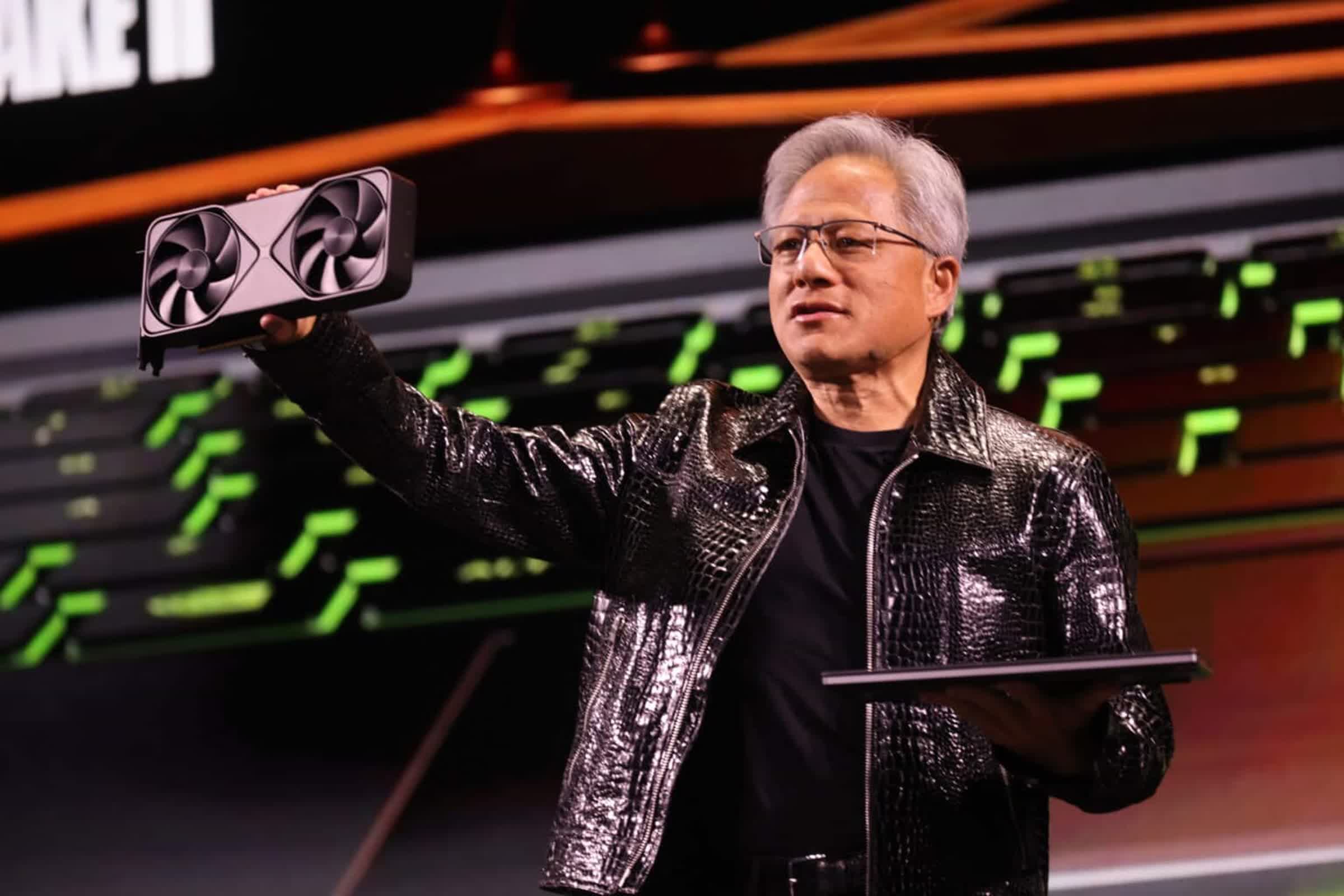
Huang's explanation was brief, but the implications are broad. Nvidia, whose products have become indispensable to generative AI infrastructure, sits in a position few companies have ever occupied: both supplier and shareholder to the firms building the software atop its hardware. That arrangement, once mutually reinforcing, now appears increasingly tangled.
The company declined to elaborate beyond its previous statements. A spokesperson directed reporters to comments from Nvidia's fourth-quarter earnings call, where Huang described the company's venture activity as being "focused very squarely, strategically on expanding and deepening our ecosystem reach."
That mission, he argued at the time, has largely been accomplished through earlier stakes in OpenAI and Anthropic, each of which became cornerstone customers for Nvidia's chips.

Source: App Economy Insights
Yet the relationships that once looked symbiotic now raise questions. When Nvidia floated the idea last September of investing up to $100 billion in OpenAI, many in the market saw circular logic rather than strategic alignment, prompting speculation that the AI sector's capital cycle has turned self-referential.
By the time Nvidia finalized its portion of OpenAI's latest $110 billion funding round last week, its actual contribution had shrunk to about $30 billion. Analysts interpreted that cutback as less a financial constraint than a signal of reduced appetite for circular commitments. The concern that AI startups and their suppliers are inflating one another's valuations has fueled broader talk of an investment bubble across the industry.
If Nvidia's ties with OpenAI have become opaque, its engagement with Anthropic has been outright fraught. In November, the chipmaker committed roughly $10 billion to the developer of the Claude models, deepening what was then framed as a multi-cloud partnership spanning Google and Microsoft.
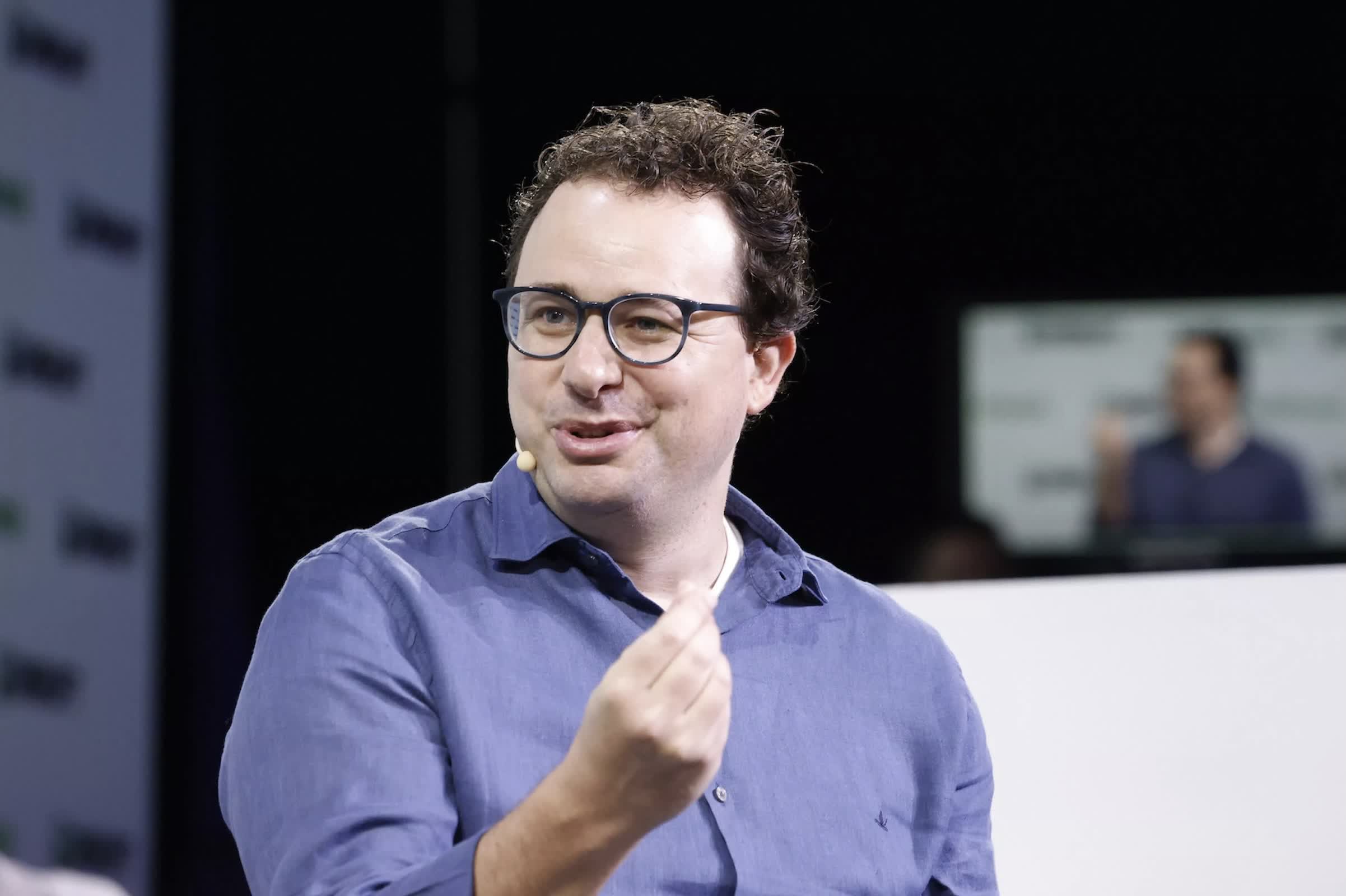
But only two months later, Anthropic CEO Dario Amodei appeared at the World Economic Forum in Davos and sharply criticized US chipmakers for selling high-performance AI systems to Chinese customers, likening such deals to "selling nuclear weapons to North Korea" – a remark widely read as a veiled jab at Nvidia.
Since then, the fallout has accelerated. In late February, the Trump administration sort of blacklisted Anthropic as a "supply-chain risk," blocking federal agencies and defense contractors from deploying its models although that seems to be an ongoing discussion behind the scenes. The move followed the company's refusal to allow its AI systems to be used for autonomous weapons or domestic surveillance.
Within hours, OpenAI announced a new partnership with the Pentagon – a deal Amodei publicly denounced as "mendacious," arguing that OpenAI had exaggerated the scope of military cooperation. The public response was swift and ironic: Anthropic's Claude app climbed to the top of Apple's free app rankings, displacing ChatGPT after spending months below the top 100, according to Sensor Tower data.
Also read: Nvidia's secret weapon: It's the software, stupid
Huang's comment in San Francisco during this week's conference – that once OpenAI and Anthropic go public, new investment opportunities effectively end – fits a tidy narrative of natural progression. But late-stage investment norms in Silicon Valley suggest otherwise: firms often buy into rounds right up to initial offerings.
That disconnect has led some observers to interpret Nvidia's recent caution as pragmatic retreat rather than procedural timing. With geopolitical pressure mounting, regulatory scrutiny increasing, and AI valuations climbing into the hundreds of billions, the world's most valuable semiconductor company may be deciding that its hardware (and software) advantage is leverage enough.
Nvidia says its investments in OpenAI and Anthropic are likely its last


