Nvidia RTX Spark CPU is now official: "superchip" will power Windows laptops and desktops

Julio Franco

Posts: 9,319   +2,252
Staff member
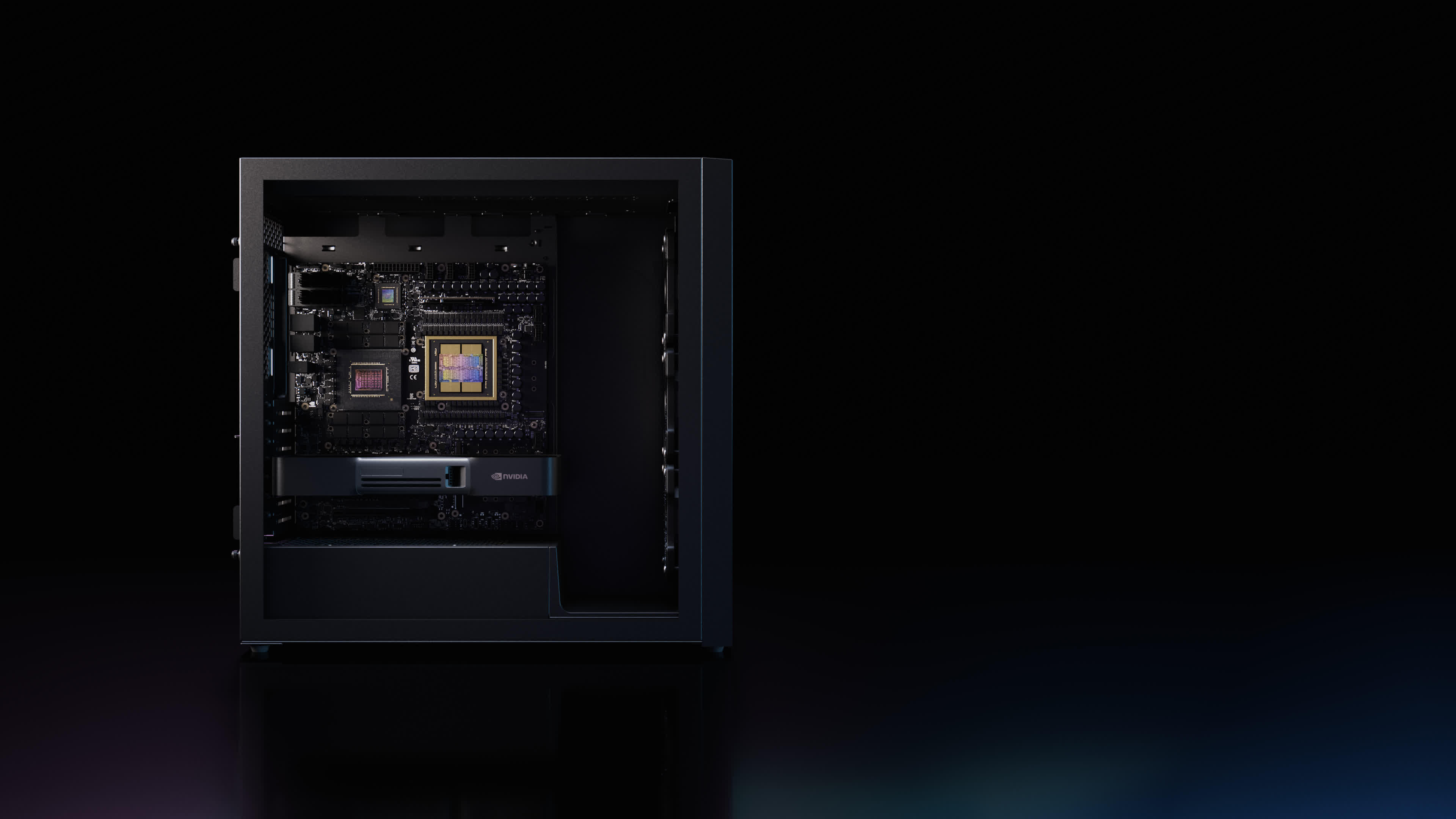
Why it matters: Nvidia just announced what it calls the most efficient PC chip ever built. RTX Spark is a Grace Blackwell system on a chip, 70 billion transistors on TSMC 3nm, with a Blackwell RTX GPU, a 20-core Arm CPU built with MediaTek, and up to 128GB of unified memory. It is purpose-built for agents, and it runs full RTX gaming and creation on the same thin-and-light laptop. It is a genuinely impressive piece of silicon.
Ryan Shrout is a longtime technology analyst and industry veteran who has spent over two decades covering PC hardware, graphics, and semiconductors. He previously led technical marketing at Intel and was the founding editor of PC Perspective. He is currently President and GM at Signal65. You can follow him on X @ryanshrout.

RTX Spark is also, in its top configuration, the GB10 that is the same chip in DGX Spark, which we have already measured at Signal65.

So while we already know where this silicon lands against x86 and against Apple in real CPU and GPU throughput, there are going to be a lot of questions about the competitive comparisons in the Windows laptop space.

Start with the chip, then look past it

This is known silicon, not a surprise, and RTX Spark is arriving a little later than the original plan, which takes some shine off the raw spec reveal. We are not learning what the chip can do today. We mostly already knew.
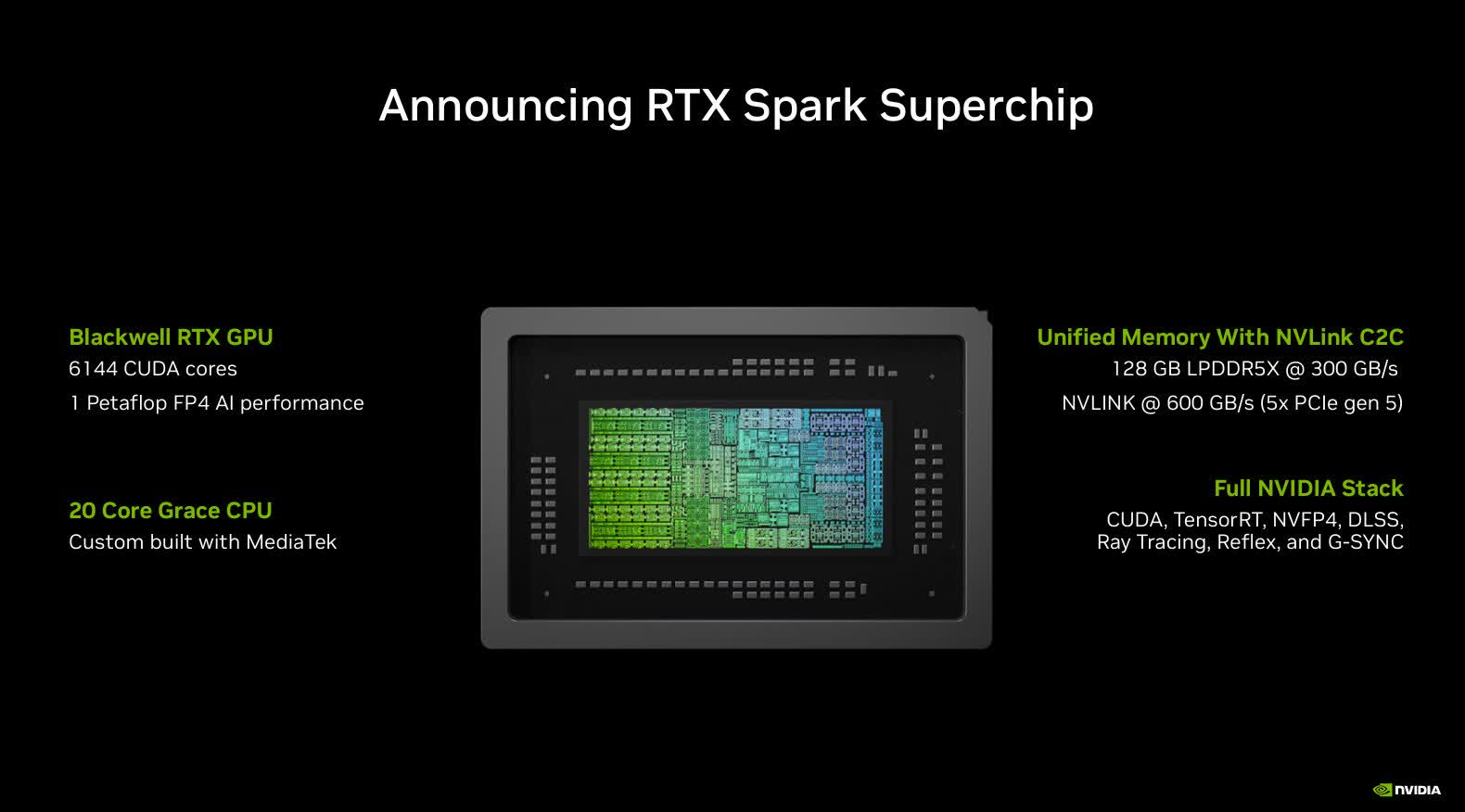
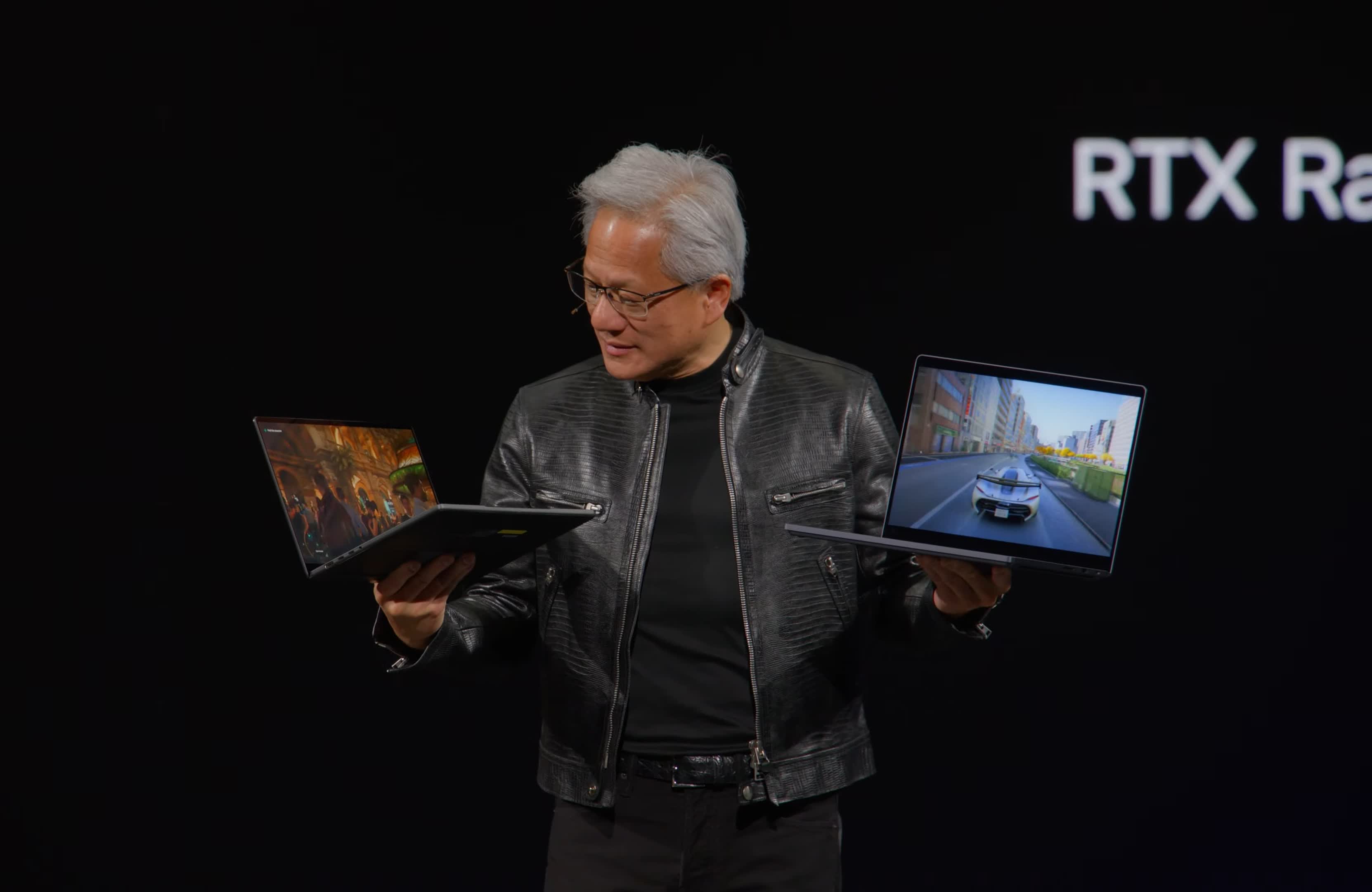
The GPU still holds up, and it is the part I am most excited about. An integrated graphics processor in the RTX 5070 laptop class, in a chassis as thin as 14mm and as light as 3 pounds, at far lower power, is a real achievement.

Nvidia pairs 6144 CUDA cores and 1 petaflop of FP4 with the 20-core Grace CPU over a 600 GB/s NVLink C2C link, and claims near-identical performance whether you are plugged in or on battery. If that unplugged parity holds, it removes a performance cliff that has shaped mobile computing for years.
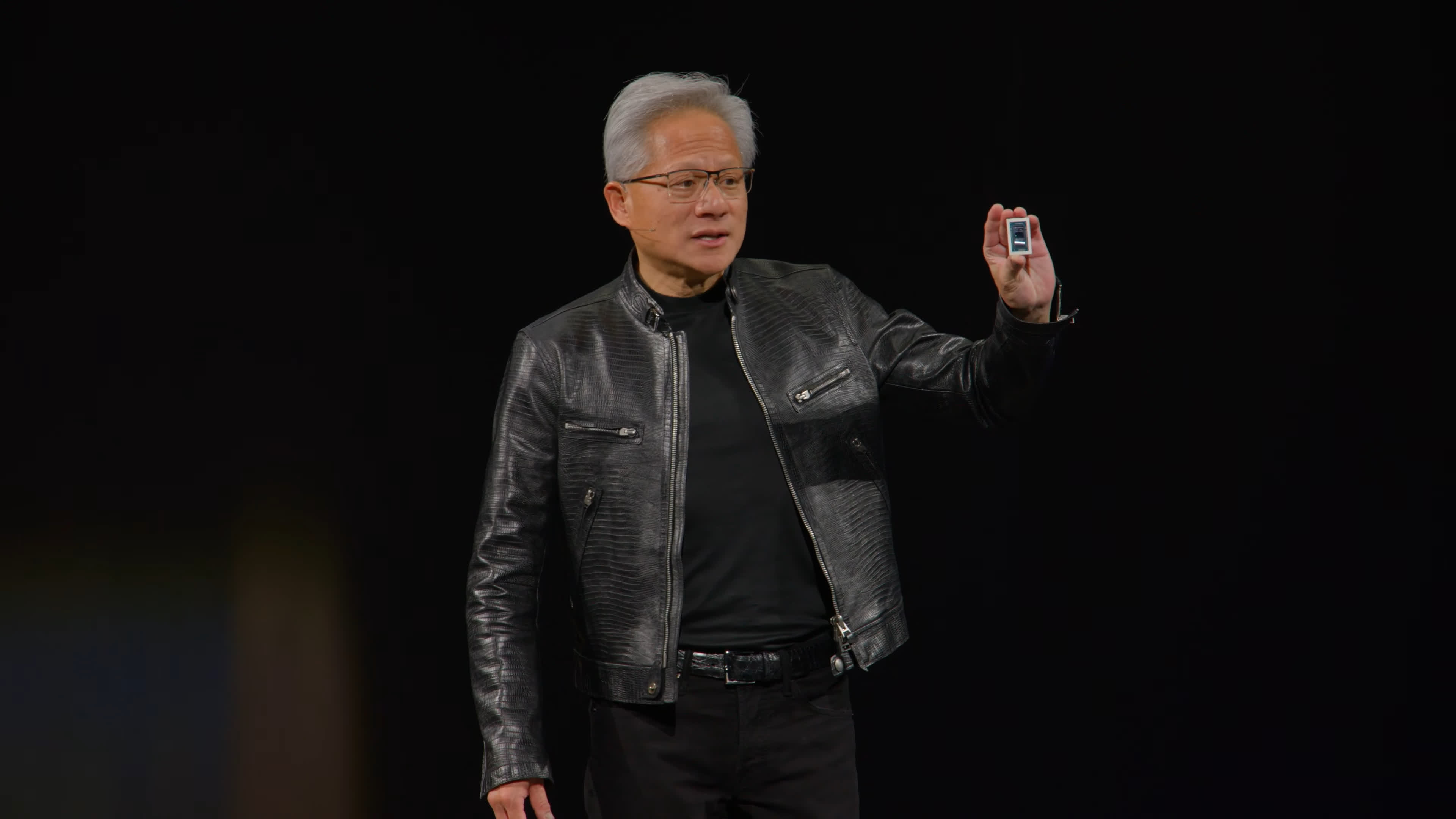
RTX Spark is just a chip, until you remember Nvidia has never won on chips alone.

RTX Spark also brings unified memory to the Windows PC in a serious way. It carries up to 128GB of unified LPDDR5X at 300 GB/s, which Nvidia calls the largest GPU-addressable memory ever on an RTX device.

This is a console and Apple-Silicon-style design brought to Windows, where the CPU and GPU share one pool. It is what lets a thin laptop run a 120 billion parameter local agent with a million-token context, something a discrete-GPU laptop cannot fit in its VRAM. (Yes AMD Strix Halo did this as well.)

The real story is the platform
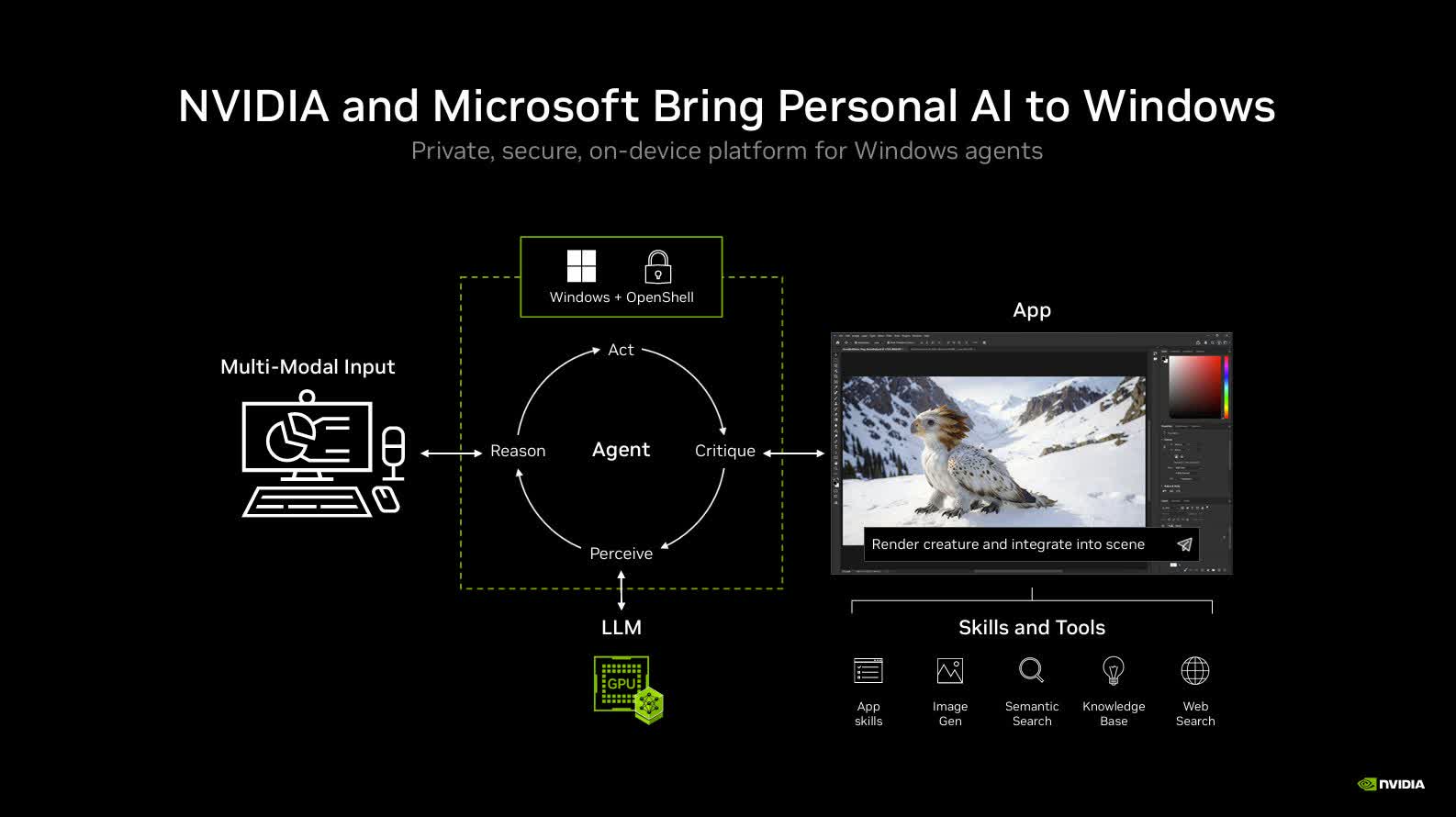
The spec sheet is not why this launch matters. The more important move is what Nvidia is doing with Microsoft. The pitch for RTX Spark is not a faster laptop, it is that your PC becomes an agent.

Agents change how you use the machine, from input that now includes voice, camera, and on-screen content, to an interface where you state intent and the agent picks the skills, to compute that keeps working when you step away.
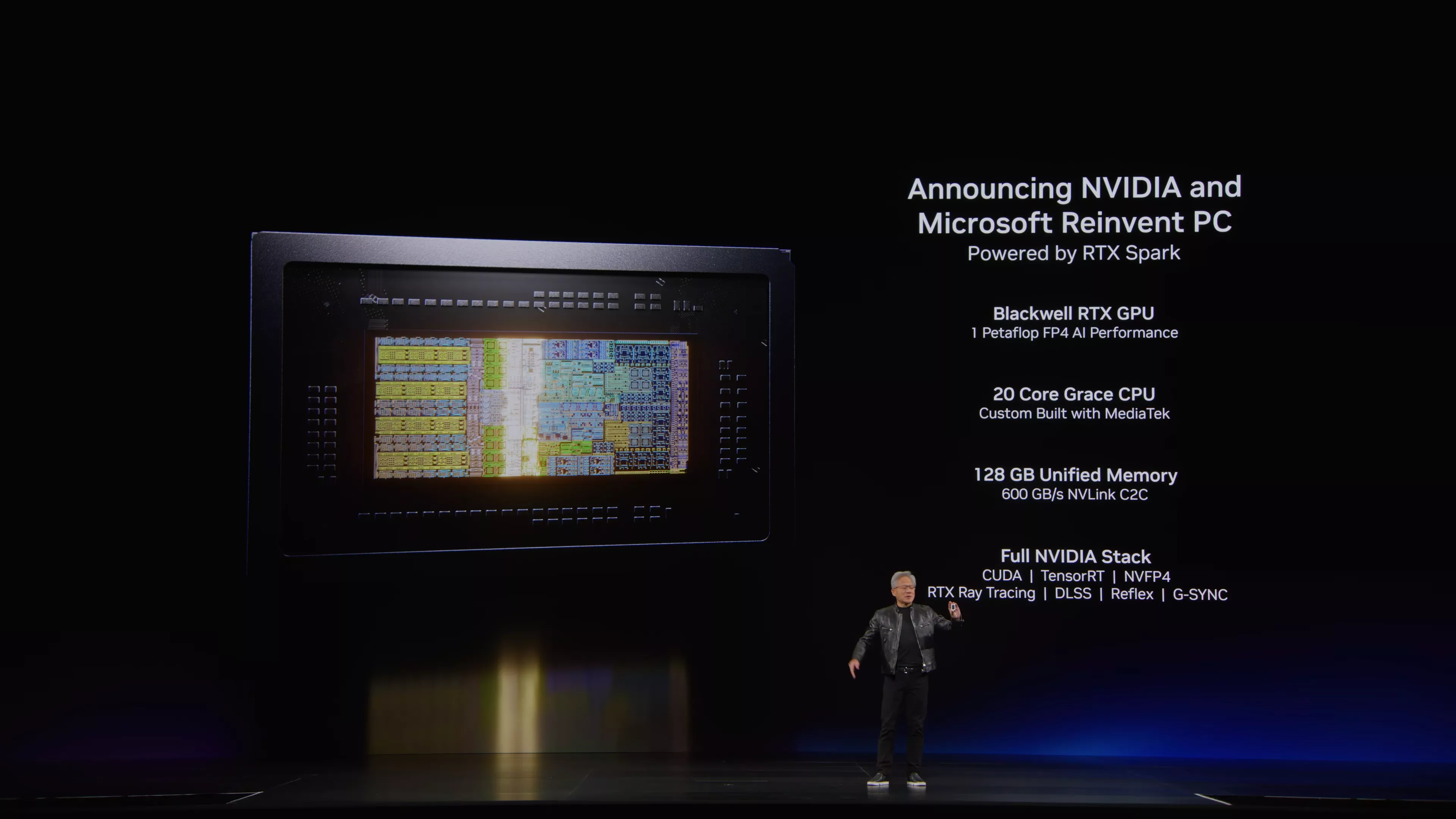
This is also where Nvidia brings something Microsoft has not been able to manufacture on its own. Microsoft spent two years trying to lead the AI PC story with Copilot, and it underwhelmed.

Asked directly how RTX Spark differs from that Copilot era, Nvidia pointedly declined to defend it and left the judgment to us. The combination of Nvidia silicon, the OpenShell agent runtime, and the Windows platform is a stronger agent story than either company has told alone.
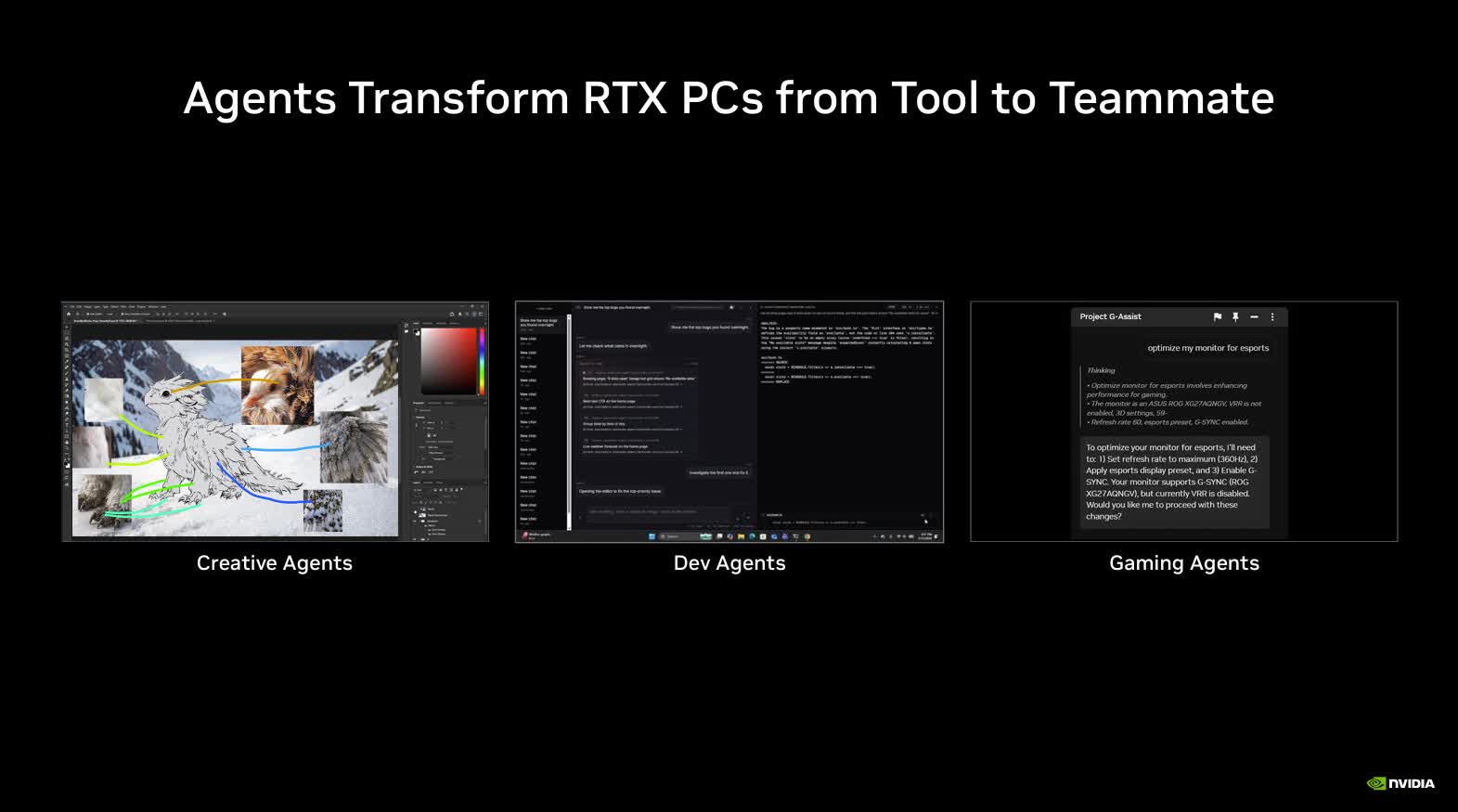
The open question is whether this stays an Nvidia story. Will the OpenShell model and the AI-as-the-UX idea extend to Qualcomm, AMD, and Intel silicon, or does the most compelling version of agentic Windows remain Nvidia-aligned? That answer shapes how big this actually becomes.

Nvidia enters the Windows PC processor war

RTX Spark is the first real consumer (in a very long time at least) Windows PC processor from Nvidia, and it walks straight into a fight with Intel Panther Lake, AMD Strix Halo and its successors, Apple M5, and Qualcomm Snapdragon X. The obvious question is why Windows on Arm works this time when it has stumbled before.
The Nvidia answer is the combined weight behind it, Nvidia, Microsoft, the application developers, and the OEMs, plus a CUDA and RTX software stack no competitor can match.

Compatibility for older apps runs through the Microsoft Prism emulator, now tuned for the RTX Spark microarchitecture, alongside a deep bench of native Arm software.

On the creative side, Adobe is rearchitecting Photoshop and Premiere from the ground up for RTX Spark, tapping the unified memory, the Blackwell GPU, and TensorRT for up to 2x faster AI, editing, and color, and extending both so Windows agents can edit inside them.
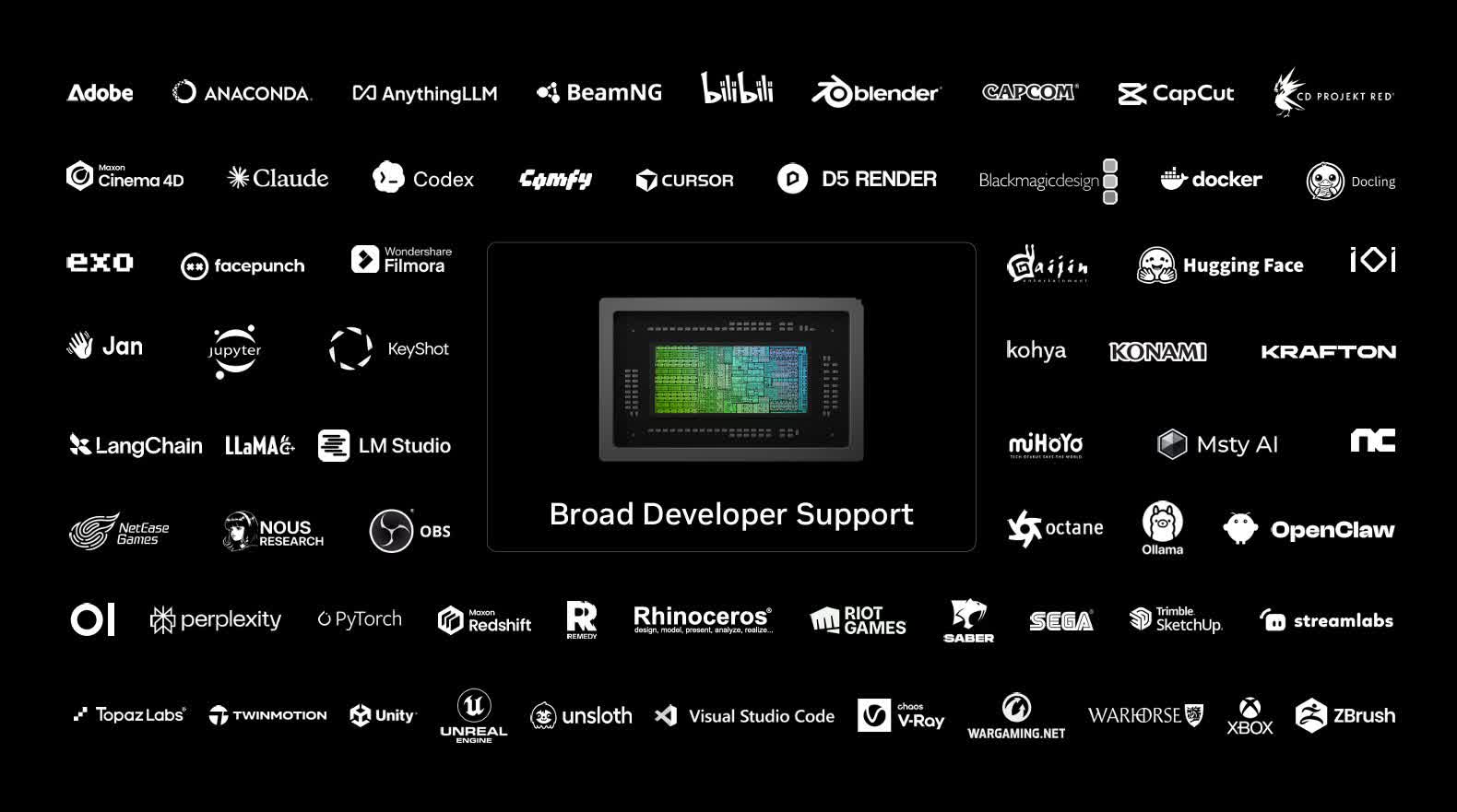
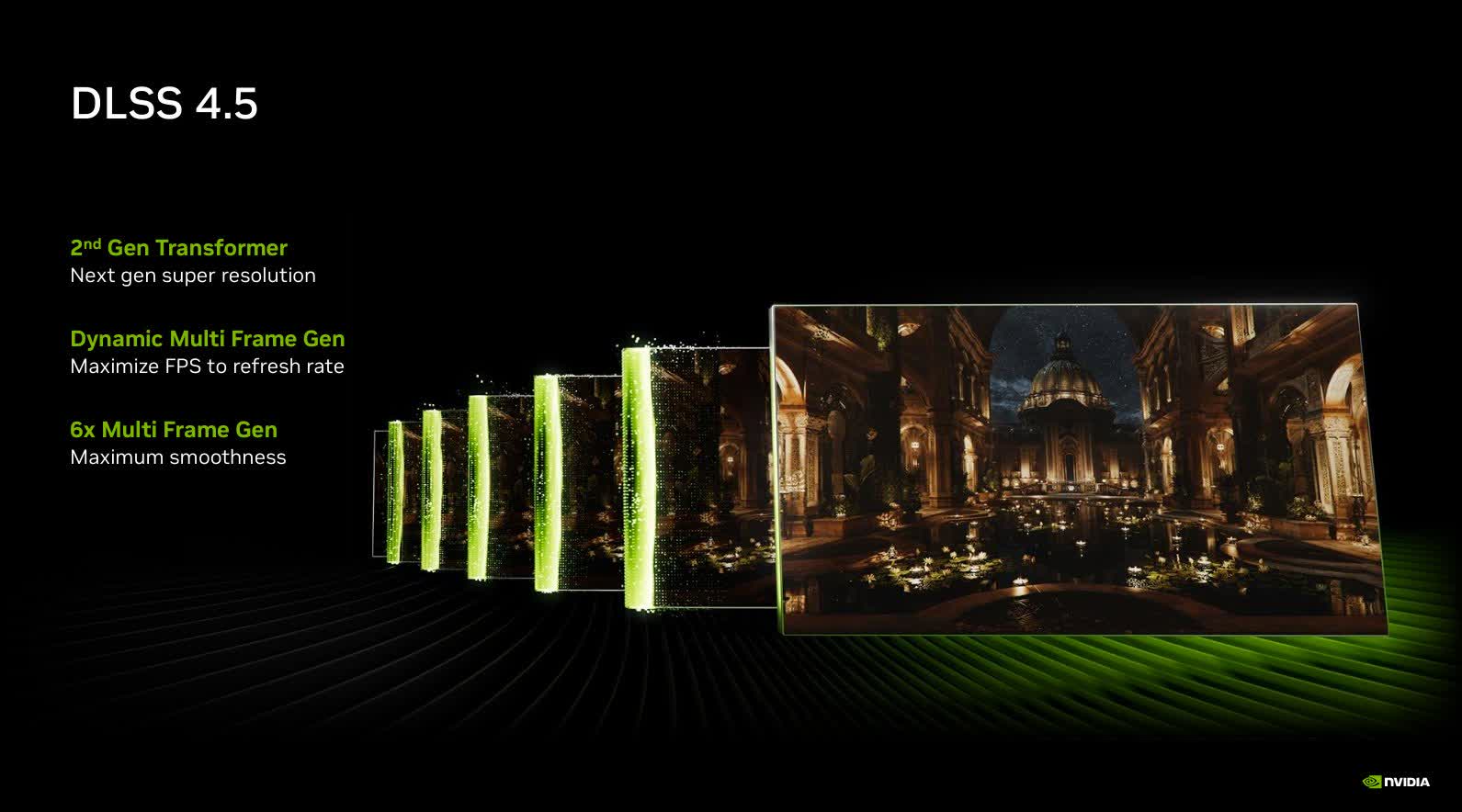
Blender, DaVinci Resolve, Cinema4D, and even MATLAB, which now officially supports Windows on Arm, fill out a genuinely deep day-one list. For gaming, the full RTX and DLSS 4.5 stack is present day one, with native anti-cheat from Easy Anti-Cheat and BattlEye, so this is not a compromised gaming machine.

The lineup

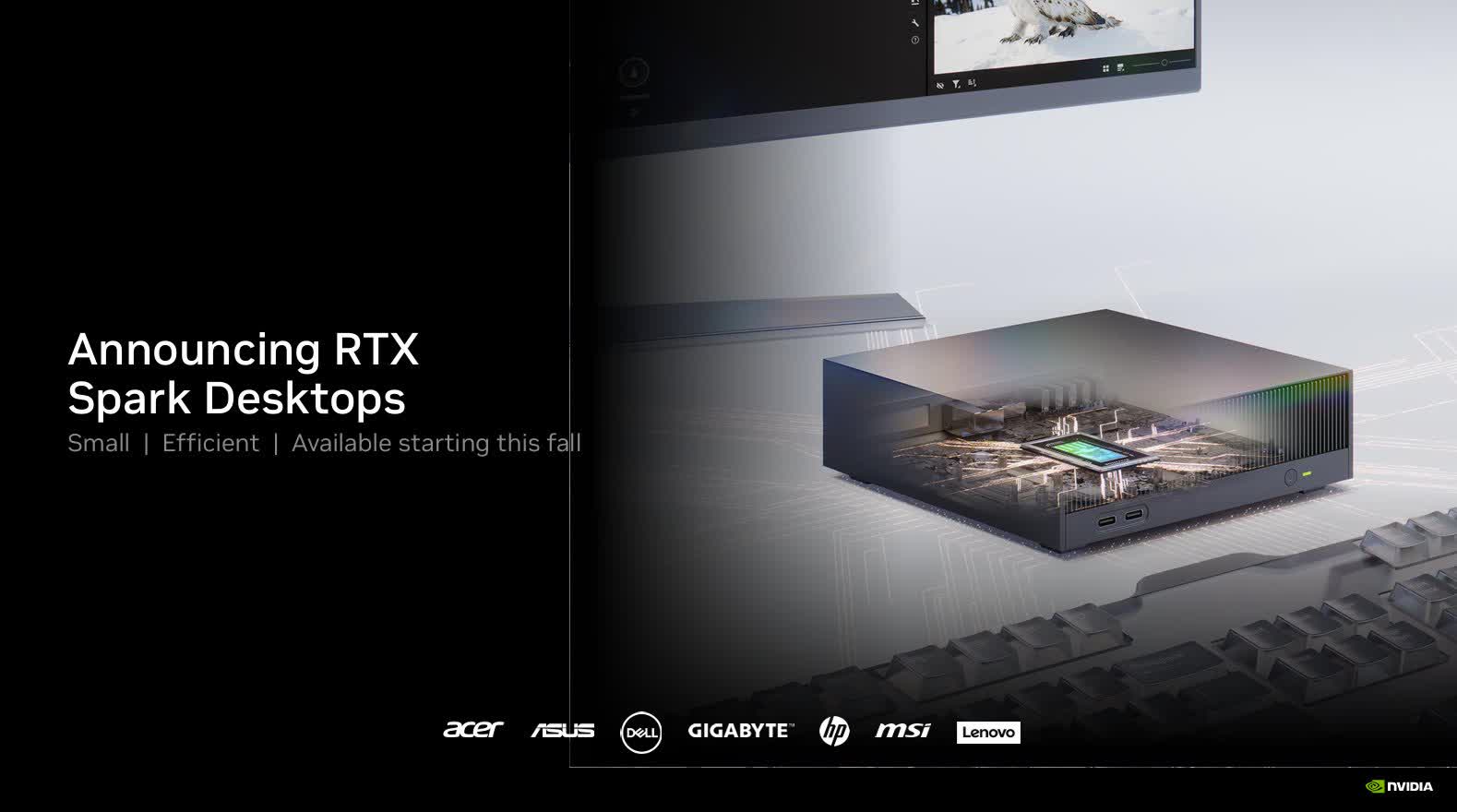
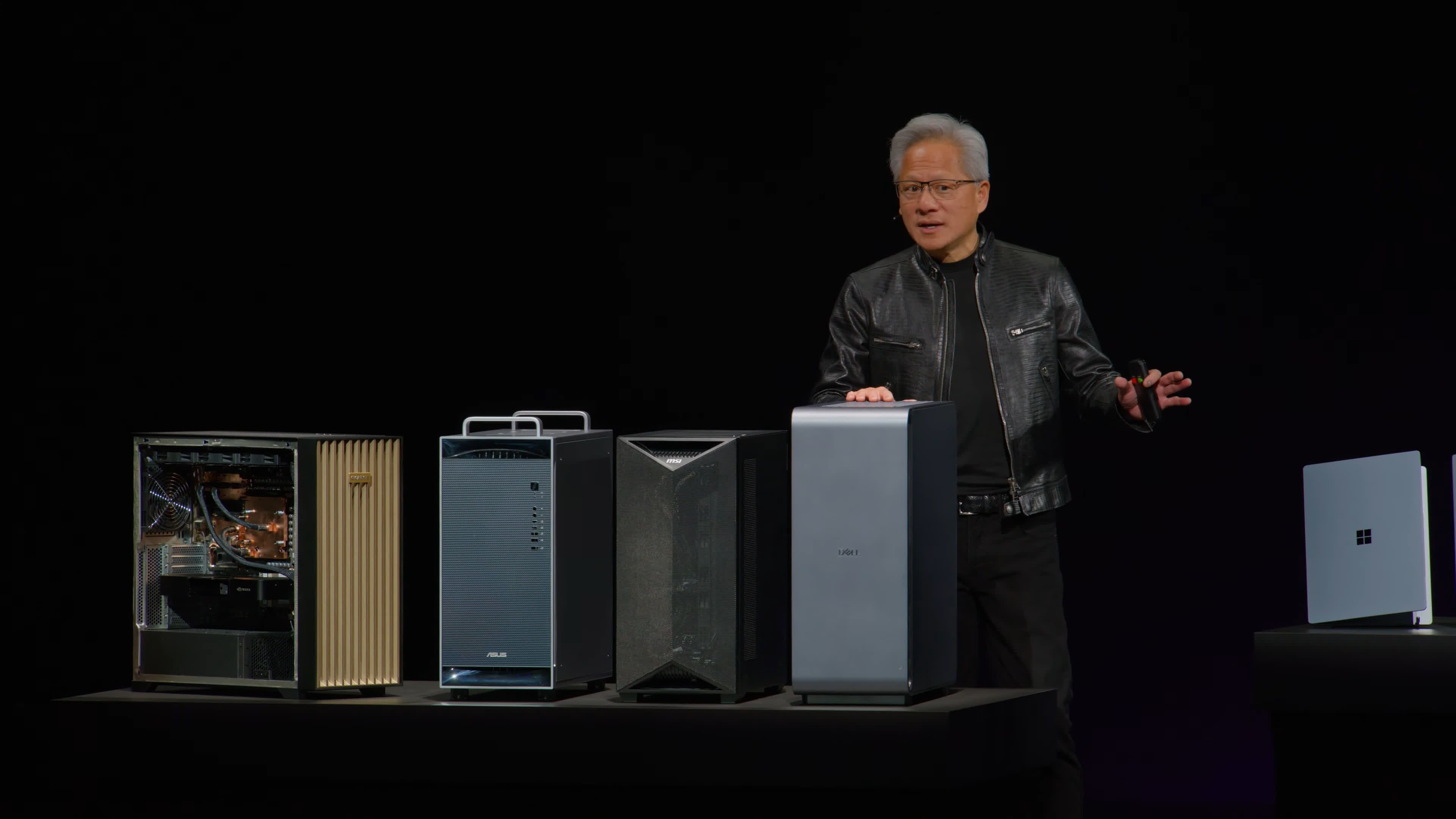
This launches with scale. Laptops and compact desktops arrive this fall from Asus, Dell, HP, Lenovo, Microsoft Surface, and MSI, with Acer and Gigabyte to follow.
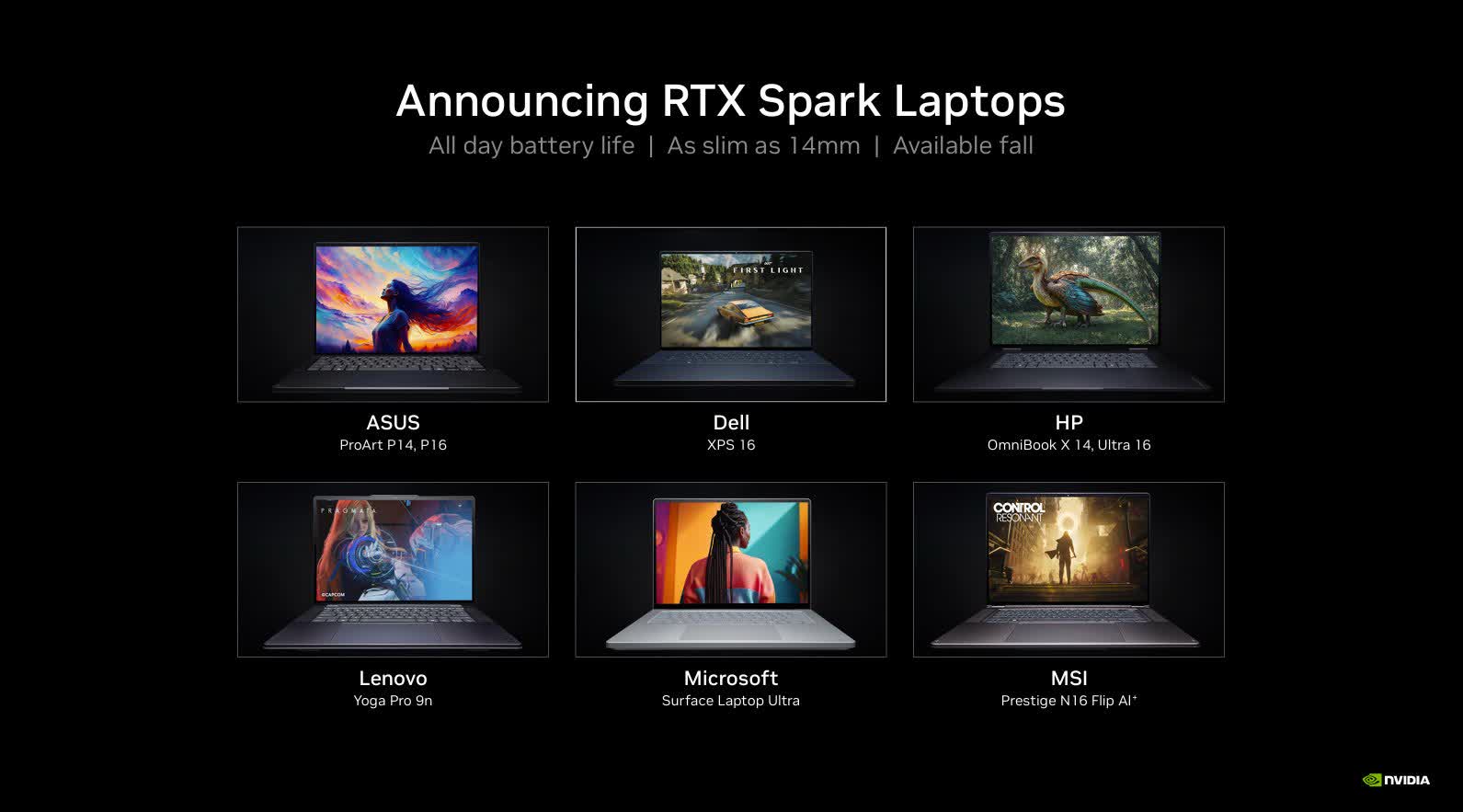
Nvidia has said more than 30 laptops and 10 desktops will come over time from every major OEM, starting premium and reaching many price points.
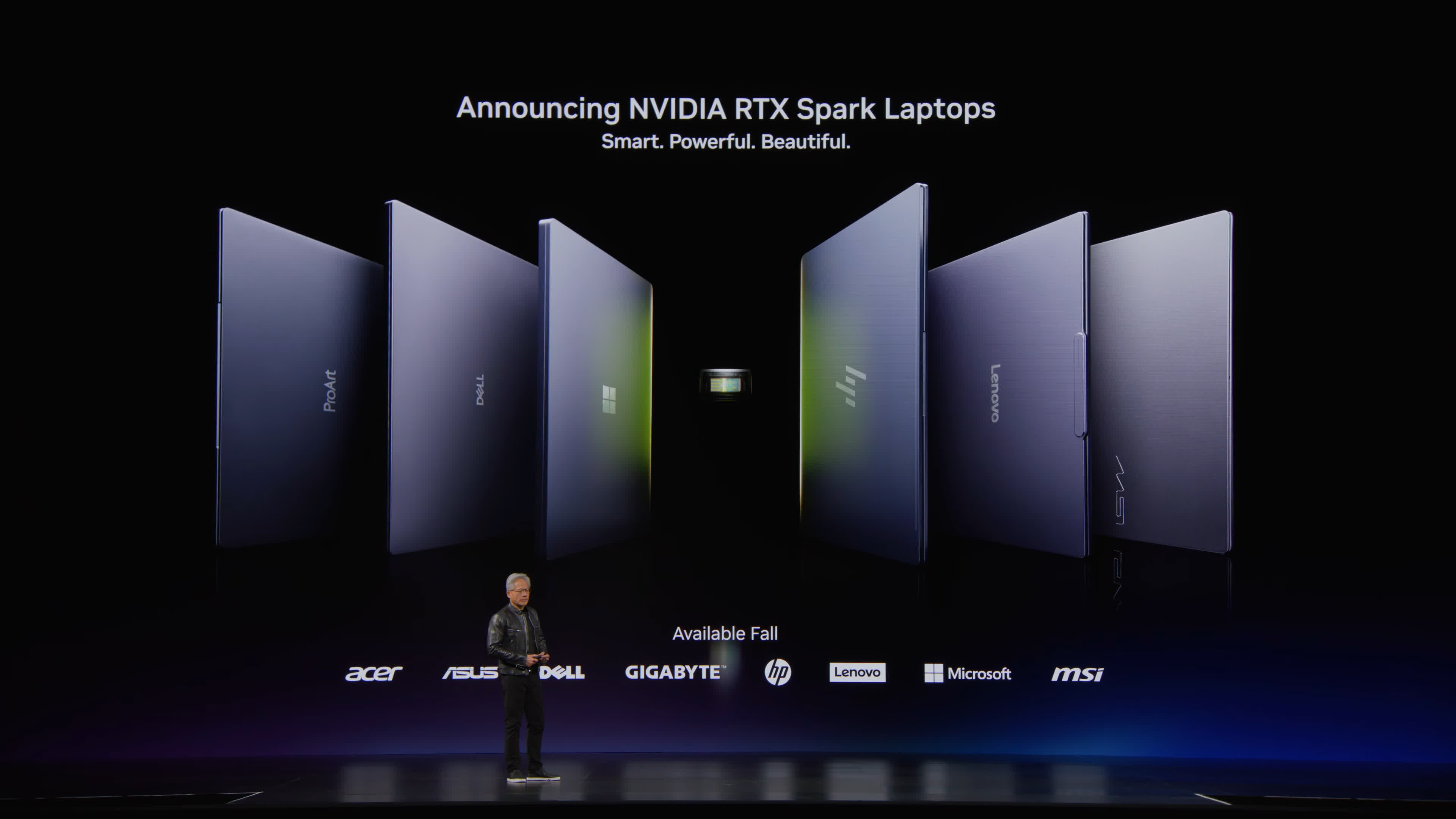
Microsoft putting its most powerful Surface Laptop ever on Nvidia silicon is the headline endorsement in that group, alongside the Dell XPS 16 Creator Edition.

What Nvidia did not say, and why it matters

There is a catch, though. For all the vision, Nvidia withheld nearly every number that would let you judge it. No comparative performance against Intel, AMD, Apple, or Qualcomm. No game benchmarks. No CPU performance specifics. No Prism emulation overhead, which is the single biggest swing factor for how well older apps and games actually run. No pricing beyond premium first. The keynote is a vision and an architecture, with the proof deferred.
The remaining unknowns are shipping-product specifics, not the core silicon, and they are the things worth testing independently. Performance per watt. Unplugged parity. Emulation overhead on real x86 apps and games.

Large-model throughput and context handling on device. Real-world performance in Premiere, Photoshop, Blender, and DaVinci. How do these new agentic flows actually work and how broad are they going to be?
Battery is the last open item. Nvidia claims all-day battery for productivity and, more notably, near-identical performance on battery, but all-day means very different things to different people and workloads, and there are no specific numbers yet.

The real bet

On the surface, RTX Spark is just a chip. Impressive, but a chip, the kind of spec sheet the industry ships every year.

That read misses the lesson from the data center. Nvidia did not win there on silicon alone. It won on CUDA, on twenty years of developer engagement, and on a willingness to create entire market segments that did not exist until Nvidia decided they should. Accelerated computing, the AI training market, the inference economy, Nvidia did not just supply those, it called them into being and then built the software and the developer gravity to own them.
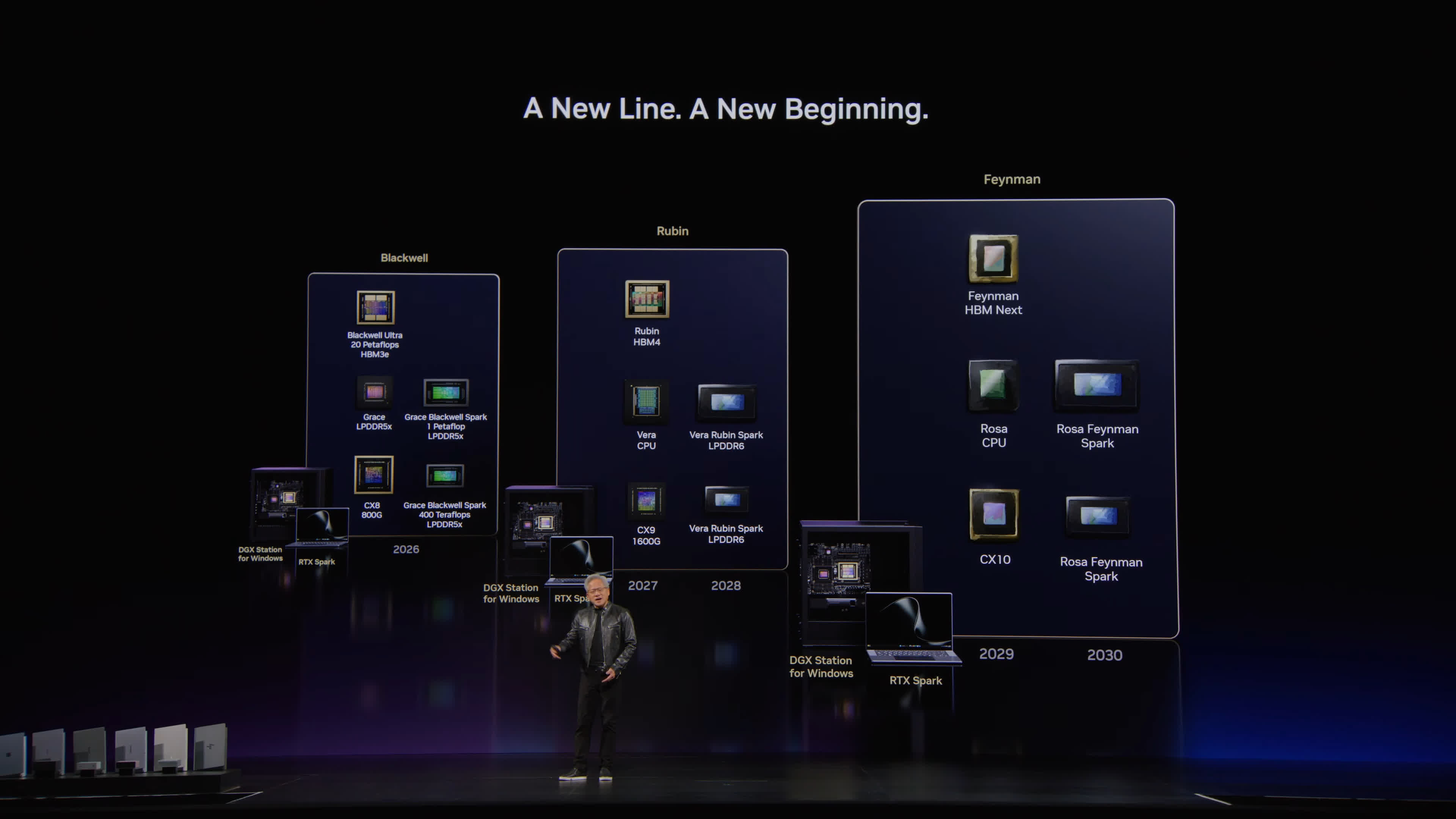
RTX Spark deserves that same lens. The question is not whether this chip is fast. It is whether Nvidia can run the same playbook on Windows, the software stack, the developer pull, and the segment creation, and whether it holds the kind of political power in this industry to make a new category stick where others have failed. No pure silicon vendor has had that sort of leverage over an ecosystem since Intel in the 90s. Nvidia might today.

It is not a sure thing. Microsoft controls Windows, the incumbents are entrenched, and the client market has humbled confident entrants before. But if any company can will a new computing segment into existence by force of ecosystem, it is this one. That, more than the petaflop or the memory, is what makes RTX Spark worth taking seriously.
Whether it works turns on the things Nvidia has not shown, the pricing, the real value to consumers and developers, and whether the platform stays open or stays Nvidia. Microsoft Build, the day after this news, is the next place we find out.

So I will leave you with the question I am sitting with. Is RTX Spark the start of Nvidia becoming a serious force in the Windows PC, or a premium niche the rest of the market routes around? And does your PC actually becoming an agent change how you work, or is that a vision still waiting for proof?

Permalink to story:

 
Well, Huang said the future will be agents, so, my guess is they`re trying to build some kind of terminal to sell you with an AI agent that will be connected to their cloud computing. It doesn`t have to beat Intel or AMD, it just needs to run the AI that will connect you to their platform and then you can basically do anything with it, from gaming to production. Of course, you will not own anything and your electricity bill will power their AI. Dystopian future here we come!
 
Well, Huang said the future will be agents, so, my guess is they`re trying to build some kind of terminal to sell you with an AI agent that will be connected to their cloud computing. It doesn`t have to beat Intel or AMD, it just needs to run the AI that will connect you to their platform and then you can basically do anything with it, from gaming to production. Of course, you will not own anything and your electricity bill will power their AI. Dystopian future here we come!

It depends on you, if you don't pay their cloud, that's it. You have a great hardware and LLM capabilities, that doesn't mean you accept their cloud. The same goes for our smartphones I use the AI technology to erase some stuff on photos and videos but if that is get being paid or uploaded for processing, I cut the cord and I won't use it.
 
Hold Your horses. 70billion transistors and 128GB of RAM? In this economy? We're talking CPU+RTX5090 with 128GB, so RTX PRO 6000, $10K territory. It will be very, very exclusive laptop, not for the masses, only extremely rich professionals. The ones that owns private equity that owns Your house, Your healthcare, Your car, Your food and water supply. Not for You.
 
Hold Your horses. 70billion transistors and 128GB of RAM? In this economy? We're talking CPU+RTX5090 with 128GB, so RTX PRO 6000, $10K territory. It will be very, very exclusive laptop, not for the masses, only extremely rich professionals. The ones that owns private equity that owns Your house, Your healthcare, Your car, Your food and water supply. Not for You.
Isn't this the same chip that's the in the DGX Spark? That goes for $4000, these laptops won't have ConnectX-7 NIC's, so there's a little bit of savings there.

You're overall right, I struggle to see how these are going to be any less than $3000, but they aren't going to be anywhere near the $10,000 territory.
 
Last edited:
Unfortunately the future seems to be "AI PC's" instead of personal computers, Jensen has said it himself. Once you look past the marketing jargon, we're seeing it happen already, hardware is moving into unaffordable territory as consumers are being pushed to rent a PC, or with these Nvidia SoC's, they will probably need a subscription in the cloud to have full functionality. These laptops with Nvidia SoC's will probably be priced at a premium too, and will be for the wealthy AI tech bros, not the average gamer.
It is also interesting to see Microsoft partner up with Nvidia to push for AI even harder, despite their promise to lessen the amount of AI being forced, so much for that claim.
 
It depends on you, if you don't pay their cloud, that's it. You have a great hardware and LLM capabilities, that doesn't mean you accept their cloud. The same goes for our smartphones I use the AI technology to erase some stuff on photos and videos but if that is get being paid or uploaded for processing, I cut the cord and I won't use it.

This argument could be valid ... two decades ago, but not today, not in 2026.
The "technocracy" nowadays is so clear that the big-tech's do show their powers to their consumers literally like we don't have other options.

We do have other options as long as there are educated consumers.
 
This argument could be valid ... two decades ago, but not today, not in 2026.
The "technocracy" nowadays is so clear that the big-tech's do show their powers to their consumers literally like we don't have other options.

We do have other options as long as there are educated consumers.
Ok.....nice doomposting, but you didn't say anything of note; just hand waving about a nebulous for, only to immediately contradict yourself with the last sentence.

Just don't pay for their cloud. Use a different provider, or roll your own. That's still a perfectly valid way of operating.

Unfortunately the future seems to be "AI PC's" instead of personal computers, Jensen has said it himself. Once you look past the marketing jargon, we're seeing it happen already, hardware is moving into unaffordable territory as consumers are being pushed to rent a PC, or with these Nvidia SoC's, they will probably need a subscription in the cloud to have full functionality. These laptops with Nvidia SoC's will probably be priced at a premium too, and will be for the wealthy AI tech bros, not the average gamer.
It is also interesting to see Microsoft partner up with Nvidia to push for AI even harder, despite their promise to lessen the amount of AI being forced, so much for that claim.
Yes yes yes....it's all a GRAND conspiracy to take away your bing bing wahoo! Just like crypto, as we know nobody was EVER able to afford a gaming PC after 2020!

Stop playing so many games and go touch grass.
 
Well at least the big companies will be able to afford these these no doubt ridiculously expensive laptops for their remaining employees, due to the savings from all those they fired.
 
Yes yes yes....it's all a GRAND conspiracy to take away your bing bing wahoo! Just like crypto, as we know nobody was EVER able to afford a gaming PC after 2020!

Stop playing so many games and go touch grass.
Your ridiculous exaggeration aside, PC's did get more expensive after 2020, and they've gotten more expensive again.
But it's no conspiracy and this push for everything to be AI powered is very much on purpose so you'll be reliant on the cloud with another subscription. You might want to take your own advice if you want to insist people are "doomposting" because PC ownership isn't a sustainable future, especially with companies like Nvidia and Microslop deeming the consumer market irrelevant.
 
You might want to take your own advice if you want to insist people are "doomposting" because PC ownership isn't a sustainable future, especially with companies like Nvidia and Microslop deeming the consumer market irrelevant.
Exactly. I mean for God's sake, look at Windows. It's clear that Windows is on life support in that Windows has turned into nothing more than a funnel to get more people in the Microslop services ecosystem because even they know that in the future, the PC as we know it today won't exist but who cares? You can run and use their services on anything be it your phone or even in a web browser.

The data is there, the pieces of the puzzle are laid out on the table. All one has to do is put the puzzle together to see where the ecosystem is going and it's not good for people like us in the PC enthusiast space.
 
Imagine, they don't want to waste AI power, while you sleep they turn on your system to run their system, they are not happy with the fact you typed "I dont like Windows! " they lock your PC and you cannot get in with the password or anything else.....We control what you can do, say, feel, think....this is the begining of the End
 
I won't even bother to read the rest of the thread as I know anyway what the direction will be. "Boo AI, boo Nvidia... boo... just boo! Because boo! All is bad!!111"

Always happy to see it, sounds good if Nvidia is involved. Maybe we can finally run an AI locally on the GPU soon, which can then help with certain tasks on the PC. Exactly what I want. Something like a Claw integrated into Windows would be awesome.
 
Imagine, they don't want to waste AI power, while you sleep they turn on your system to run their system, they are not happy with the fact you typed "I dont like Windows! " they lock your PC and you cannot get in with the password or anything else.....We control what you can do, say, feel, think....this is the begining of the End
?
 
Far more interested in the potential gaming performance and subsequent battery life on an ARM chip like this more designed around that than say Apple's M series or Qualcomm's stuff than any AI buzzwords, but this is Nvidia so who knows if we'll get any real benchmarks before release.
 
I'd be mostly interested to see how it weighs up against MacBooks.

I somewhat doubt that NVIDIA would aim to undercut Apples pricing.
Battery wise I would expect very similar numbers if Microsoft managed to optimize Windows for it (and it would be nice if sleep mode works properly for a change).
Apples 'non-native' (emulated) performance from numbers I've seen seems really impressive, can NVIDIA/Microsoft match that whilst keeping decent battery life?
Has Microsoft finally managed to resolve the seemingly many ARM quirks when it comes to performance/combability in general?

Also wondering if there'll be any attempts from the 'community' to try and get OS X working on this.

I sound surprisingly Apple minded - I am not, actively avoided their platform since the very first iPod. Not a fan of locked down ecosystems. My hardware, my rules. Just hoping for a good alternative from the Windows/Linux angle (yes, Linux runs on Apple Silicon - still means forking over money to Apple though).

[edit]
Watched the LTT video on it, seems like NVIDIA is tightlipped about pricing/performance.
That does not inspire confidence, although with the RAM situation everyone is tightlipped about pricing when it comes to new products lately. Might be more of a they don't know themselves yet thing.
 
Last edited:
Back