
Something to look forward to: Nvidia has spent months slowly pulling back the curtain on its RTX Spark processor, marking its entry into the CPU market and its big bet on PCs built for local AI agents. At this year's IFA event, the company finally outlined the specs and release window for both RTX Spark configurations.
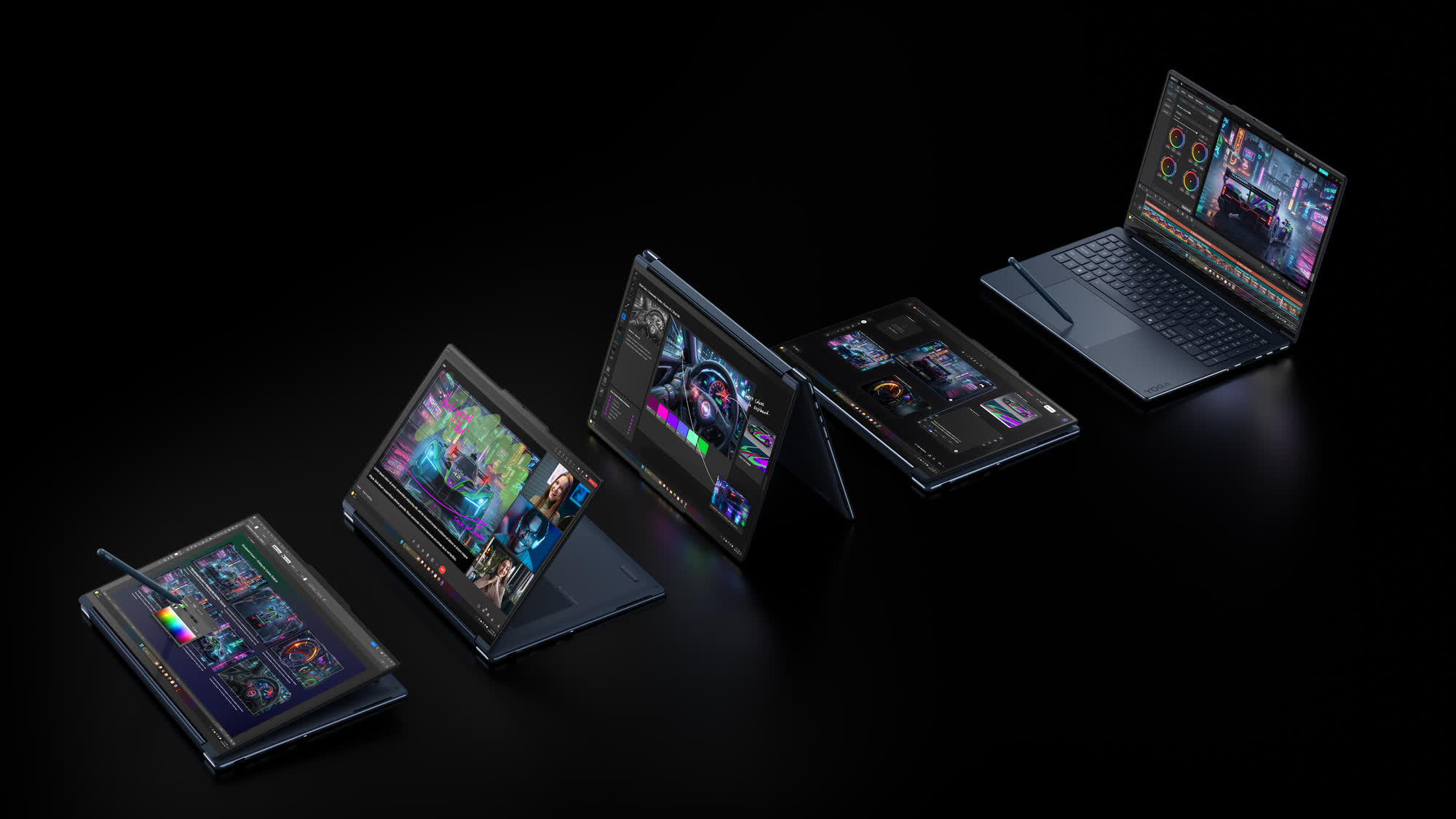
Nvidia has confirmed that the first laptops and desktops featuring its RTX Spark APUs will be available starting in October. Alongside previously revealed devices from Microsoft, HP, Dell, Asus, and MSI, upcoming products powered by Nvidia's first SoC in over a decade were also unveiled by Lenovo and Acer.
Team Green initially presented RTX Spark in June, when it confirmed the long-rumored specs for the top-end model: 6,144 CUDA cores, 1 petaflop of FP4, and a 20-core Grace APU linked via a 600 GB/s NVLink C2C connection with up to 128 GB of LPDDR5X unified memory. The full-fat chip will power mini desktops and laptops such as Microsoft's upcoming Surface Laptop Ultra. However, Nvidia's website also now details a lower-end laptop-only model, featuring 5,120 CUDA cores and an 18-core CPU.
RTX Spark marks the beginning of Nvidia's plan to bring the full RTX product stack – CUDA, DLSS, G-Sync, ray tracing, and other technologies – into the SoC arena, with an iGPU rated as comparable to the RTX 5070 laptop GPU. While an early benchmark suggests that the Arm-based chip might struggle against Apple's M5 Pro, Nvidia wants RTX Spark to win the race for AI agents and gaming on Windows laptops. In that market, it faces AMD's Ryzen AI platform, as well as Intel Panther Lake and Qualcomm Snapdragon X.
Early gaming collaborators pledged to support RTX Spark at Gamescom last month, including Electronic Arts, Ubisoft, Krafton, Riot Games, and Microsoft. F1 25, Apex Legends, Anno 117: Pax Romana, Arc Raiders, and The Finals might be the first big-name Arm-native Windows games, leveraging DLSS and Nvidia Reflex while bringing anti-cheat support to Arm. Sega also previously announced that Virtua Fighter Crossroads would support RTX Spark.
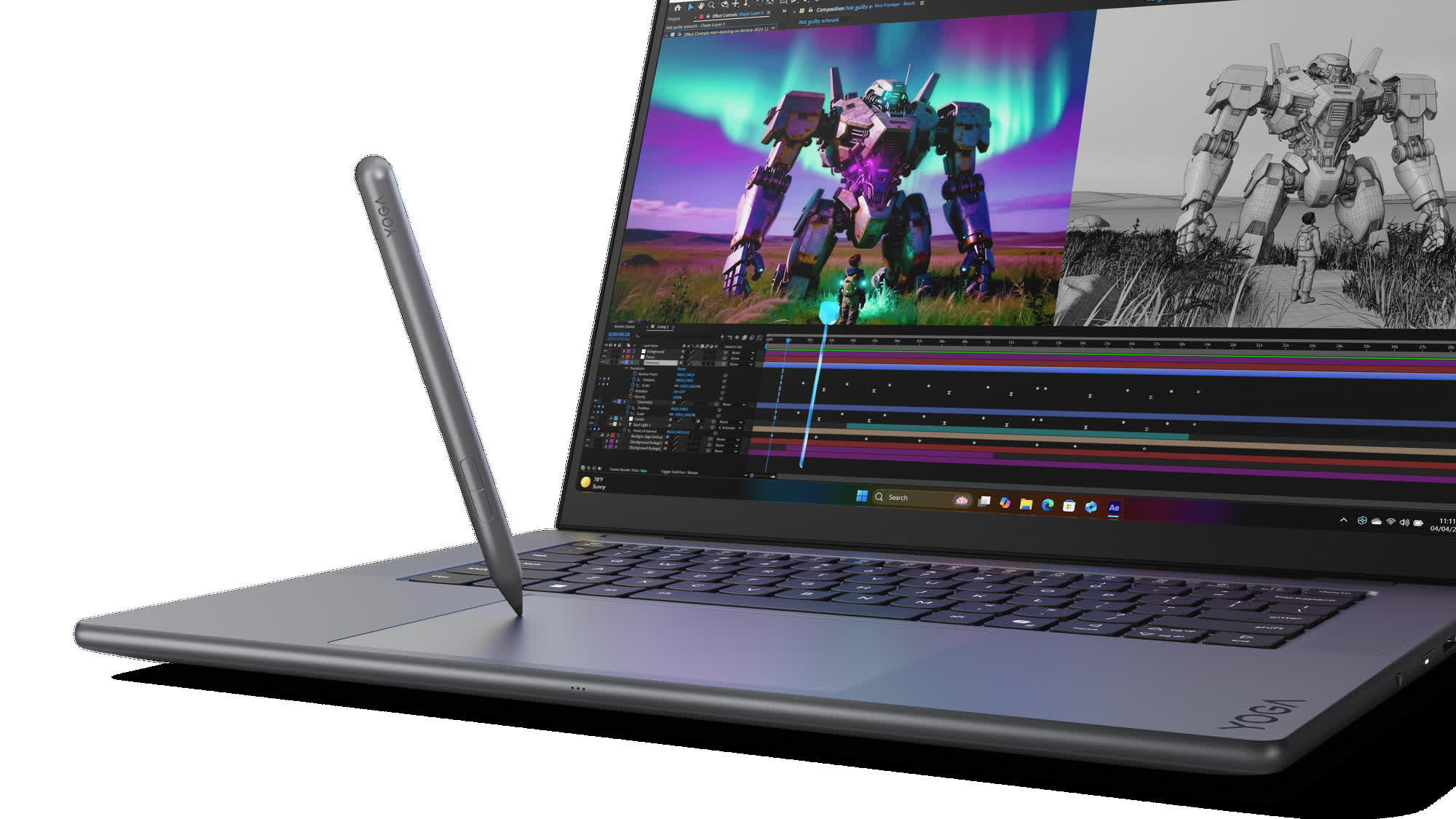
Meanwhile, Lenovo unveiled two new RTX Spark laptops at IFA, both packing the SoC with 6,144 CUDA cores. The 16-inch Yoga Pro 9n features a 2.5K OLED panel with 48-165Hz VRR, 128GB of unified RAM, and up to 4TB of storage. The Yoga 9n 2-in-1 focuses on AI tools for creators, with a 30-120Hz 2.8K OLED screen that swivels 360 degrees, 64GB of memory, and up to 2TB of storage.
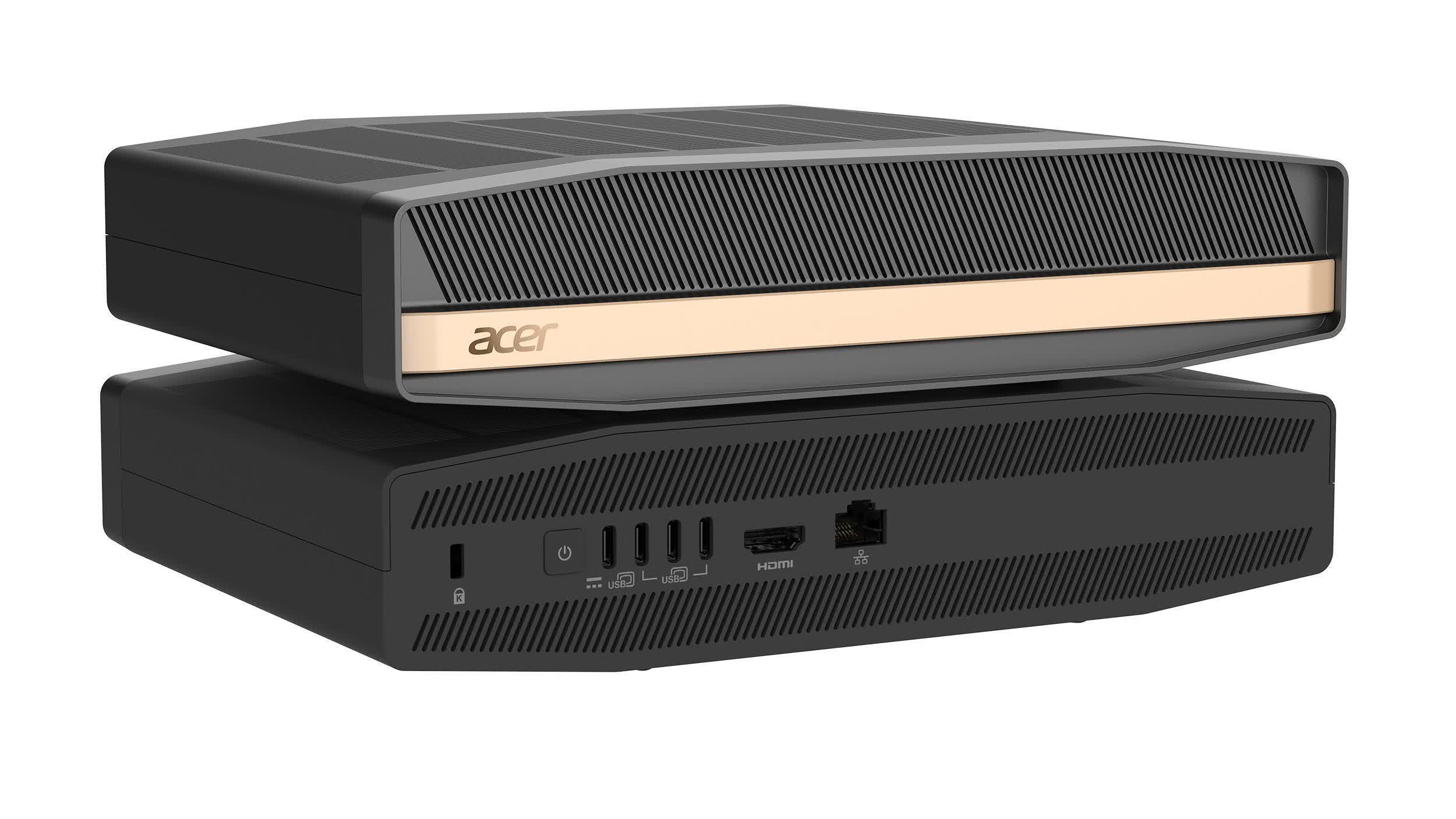
Acer also presented its SFF RTX Spark mini desktop, featuring the full-spec SoC and 128 GB of RAM. Like other RTX Spark desktops, it aims to evoke the Mac Mini's popularity as an AI agent workstation. Pricing and availability details for Lenovo and Acer's RTX Spark PCs are still to be confirmed.
Nvidia RTX Spark laptops, desktops arrive in October from six manufacturers


