The big picture: Nvidia CEO Jensen Huang's keynote at CES 2026 focused primarily on the company's AI hardware business, including the upcoming Vera Rubin chip. However, he also delivered a surprise announcement: Nvidia's first AI-powered autonomous vehicle platform, dubbed Alpamayo, will debut later this year in the new Mercedes-Benz CLA.
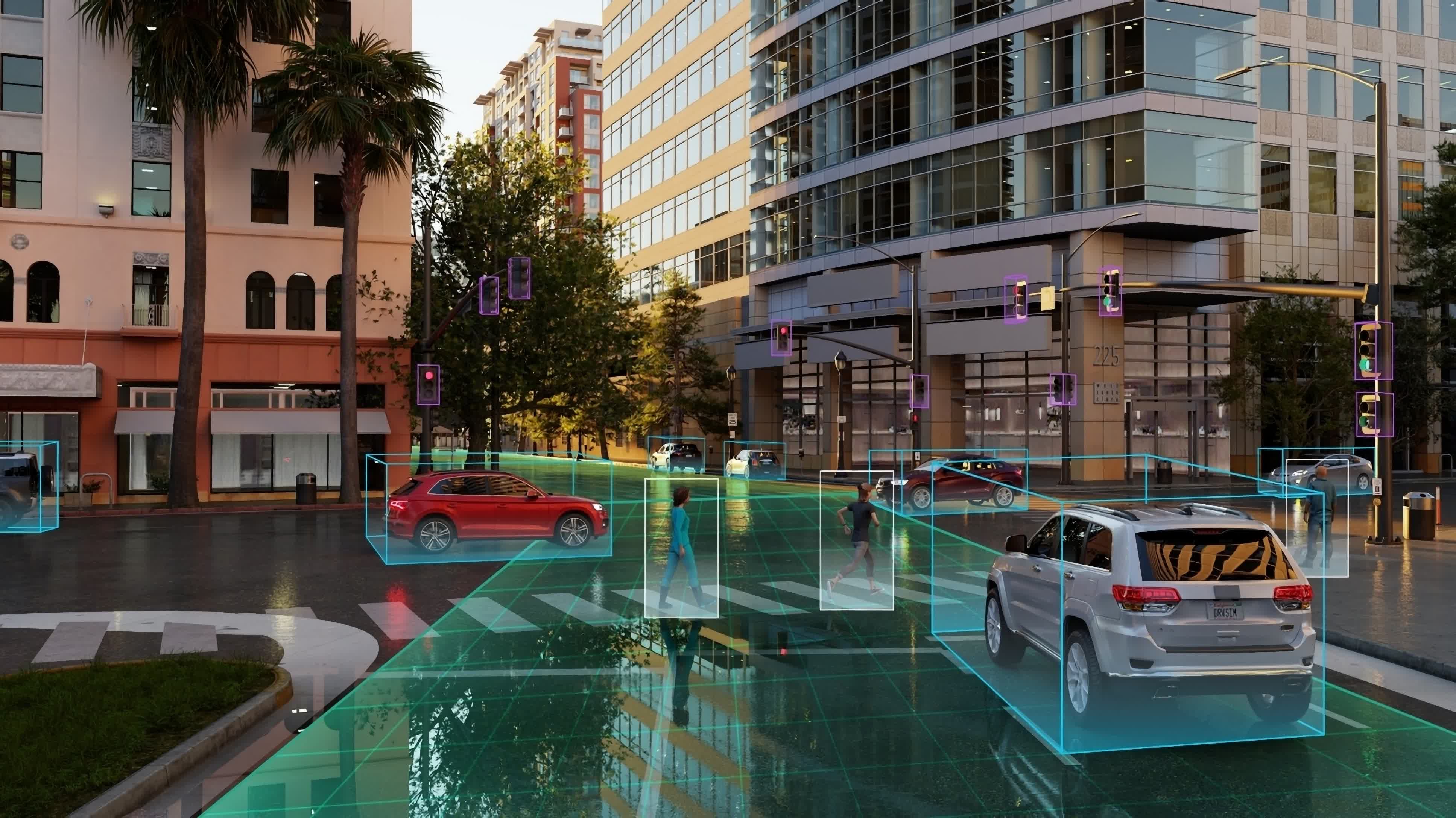
Nvidia describes Alpamayo as an open portfolio of reasoning vision-language-action (VLA) models, simulation tools, and datasets designed to power robots, industrial automation, and Level 4 autonomous vehicle architectures. The platform includes Alpamayo R1 – the first open reasoning VLA model for autonomous driving – and AlpaSim, an open simulation blueprint for high-fidelity AV testing.
According to Huang, Alpamayo can not only control the steering wheel, brakes, and accelerator like any self-driving car, but also apply "human-like" reasoning to decide what actions to take based on sensor input. Built on Nvidia's Cosmos Reason AI model, Alpamayo R1 also allows humans to decode and understand why an autonomous vehicle made a specific decision in any scenario.
The AI model behind Alpamayo uses 10 billion parameters and is subdivided into smaller, runtime-capable models deployed directly within the AlpaSim framework and the physical AI open datasets. This approach allows partners and AV software vendors to benchmark their experimental applications against real-world metrics.
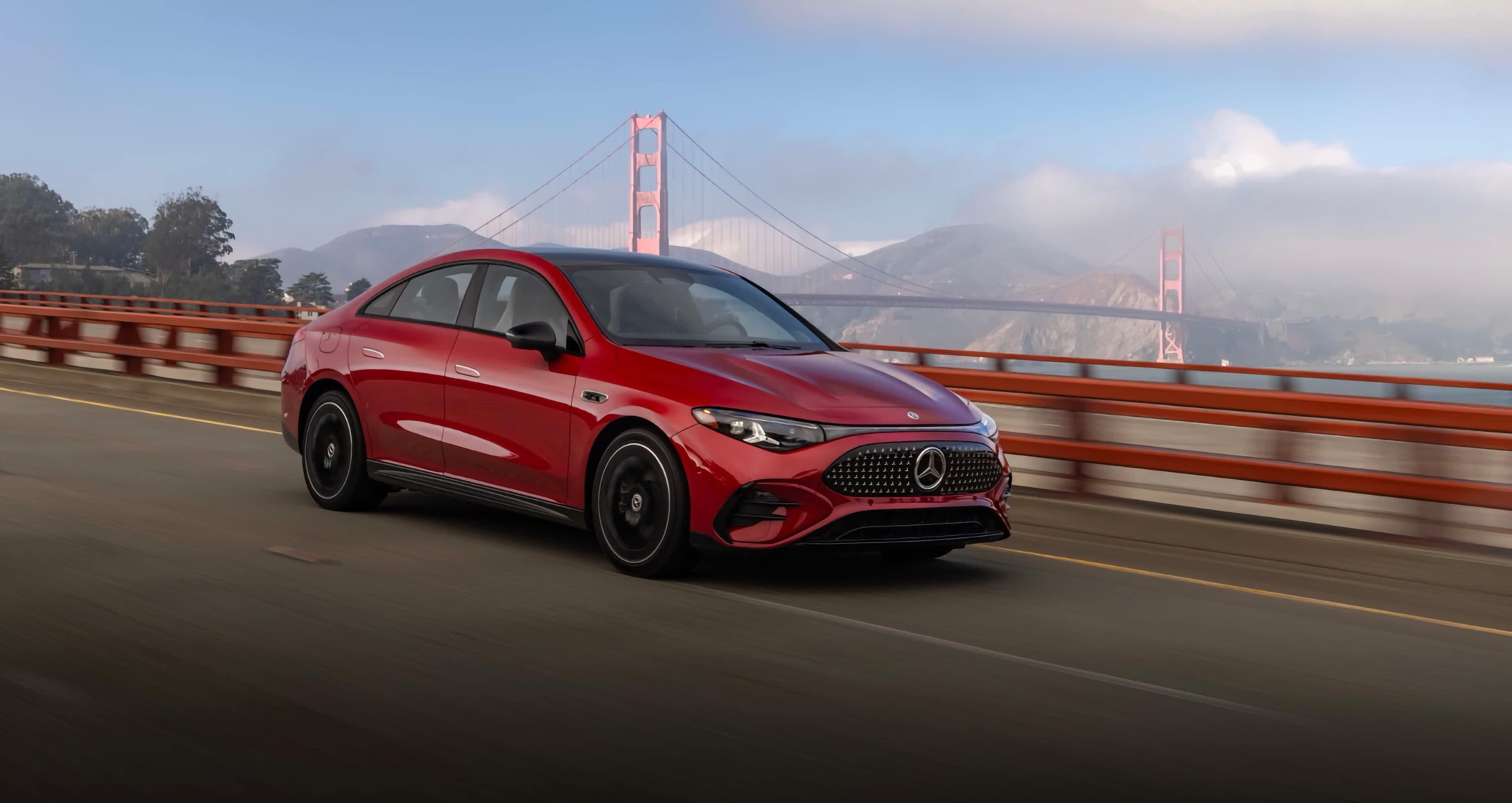
The first passenger car to feature Alpamayo will be the next-generation Mercedes-Benz CLA, scheduled to hit US roads in the first quarter of this year with Nvidia's so-called "Level 2++" driver-assistance features. The two-door coupe recently earned a 5-star Euro NCAP rating, scoring 94 percent for adult protection, 89 for child safety, and 93 for pedestrian protection.

Huang also highlighted Drive Hyperion – Nvidia's open, modular, Level-4-ready AI platform adopted by several automotive suppliers, including Aeva, AUMOVIO, Astemo, Arbe, Bosch, Hesai, Magna, OmniVision, Quanta, Sony, and ZF. Drive Hyperion is powered by two Blackwell-based Drive AGX Thor SoCs, delivering more than 2,000 FP4 teraflops of real-time compute to generate a 360-degree sensor view.
Beyond its automotive AI platforms, Nvidia unveiled the Vera Rubin AI chip and DLSS 4.5 at CES 2026. Gamers, however, were left waiting, as no new GeForce card was announced – further signaling the company's shift away from its gaming roots. Still, Team Green is expected to make gaming-related announcements soon, including official Linux support for GeForce Now.
Nvidia's Alpamayo AI platform for autonomous cars will debut in the new Mercedes-Benz CLA


