Oura is facing a lawsuit over whether its $300 ring can actually track sleep

Skye Jacobs

Posts: 2,128   +62
Staff
Crystal ball: Oura is facing a proposed class action lawsuit over the accuracy of its sleep-tracking claims. Filed this week in San Francisco by Clarkson Law Firm, the complaint argues that Oura's smart rings can't directly detect the physiological signals needed to assess sleep quality or identify sleep stages, and instead lean on AI-generated estimates the suit says amount to "a coin flip's chance of being correct."
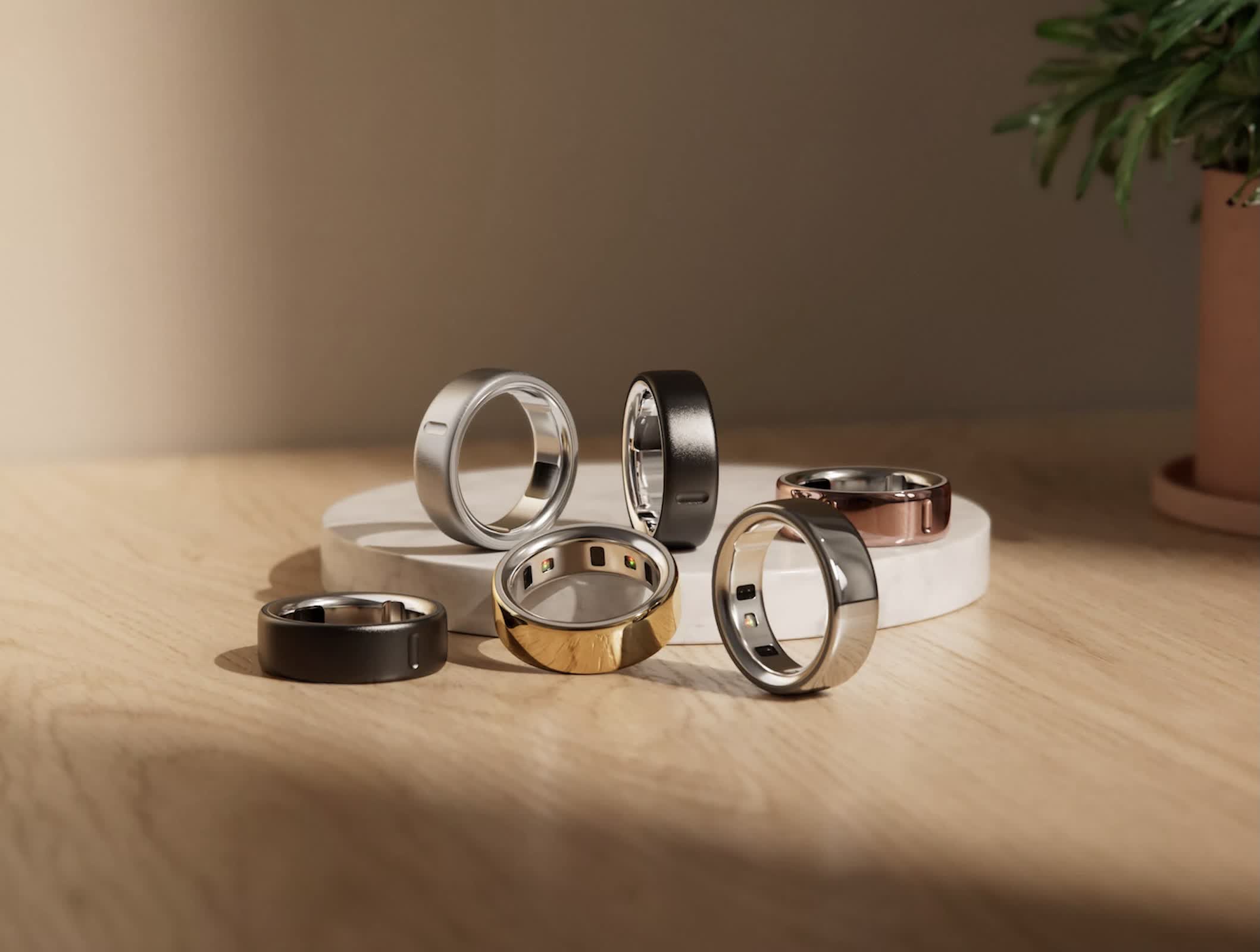
The lawsuit takes aim at a core feature of the product: its ability to turn data collected from a wearer's finger into scores for sleep, readiness, and activity. Oura rings track measures like heart activity and skin temperature, then run that data through software to generate sleep reports.

But the complaint argues this approach can't deliver the same information as a clinical sleep study. Sleep stages, it says, are determined through brain and eye measurements that require electrodes on the scalp and sensors near the eyes.

"Sleep happens in the brain, not on one's finger," the complaint states.

Oura has marketed its ring as "built for accuracy" and offering "unparalleled accuracy," according to the filing. The complaint says the company has claimed 79% accuracy in its measurements and, more recently, 95% sleep-staging accuracy compared with clinical sleep labs.
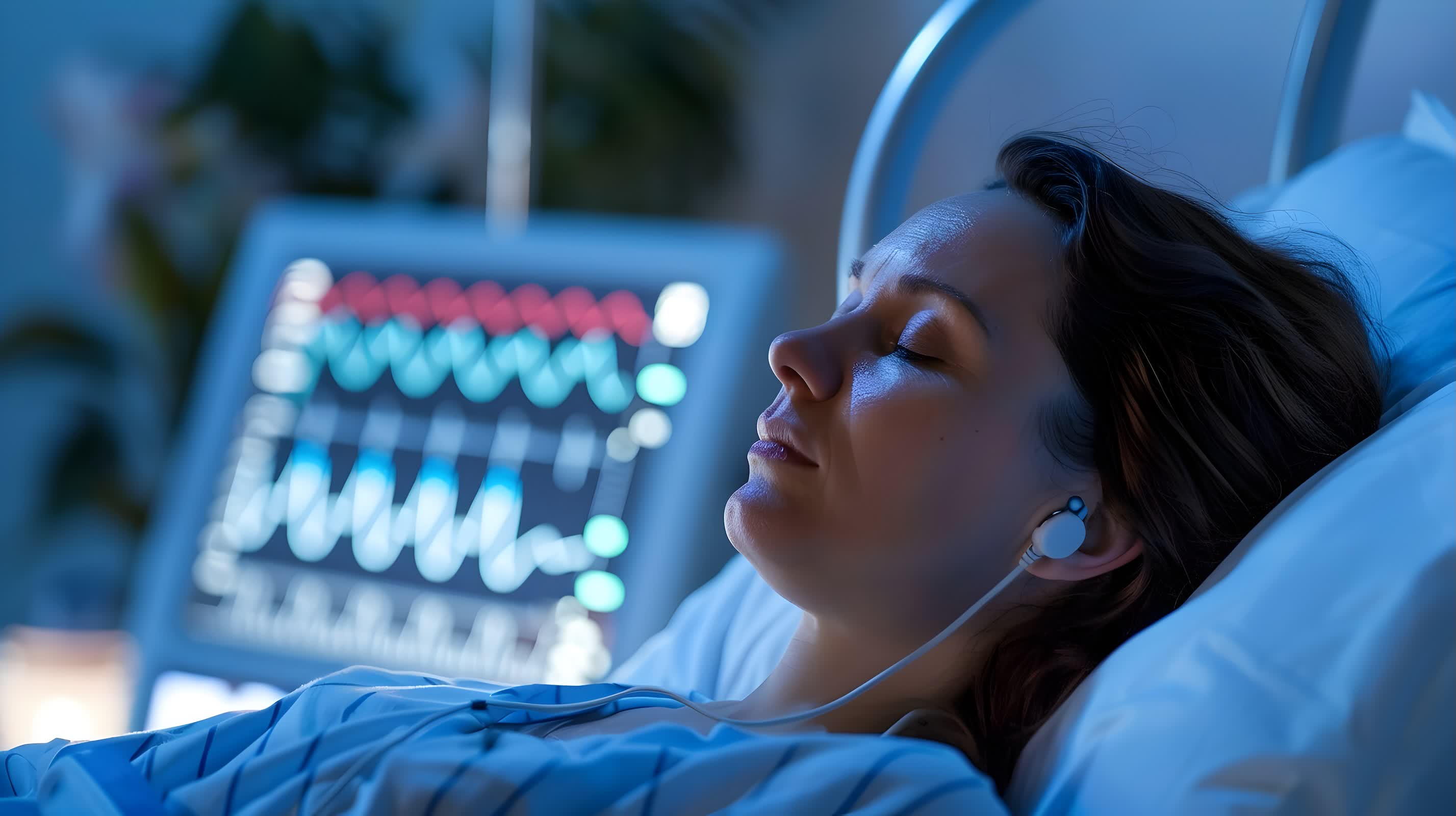
The complaint alleges Oura marketed rings costing $300 or more as tools capable of tracking sleep and identifying its four stages. It argues those claims overstate what a finger-worn device can do, since determining sleep stages requires the scalp electrodes and eye sensors used in clinical sleep studies.

The plaintiffs argue that Oura's marketing leaves consumers with the impression that the ring can measure sleep the same way a lab can. They say consumers may use the device's reports to shape health-related decisions, even though its estimates may not reflect their actual sleep.

The lawsuit follows years of online complaints from Oura users questioning the accuracy of the ring's sleep reports. Some have said the device logged a strong night of sleep when they felt exhausted. Others have questioned its ability to identify REM and deep sleep.

The complaint asks the court to stop Oura from making what it calls misleading claims about the ring's capabilities, and seeks restitution for consumers who bought Oura products based on those claims. Oura did not immediately respond to a request for comment.

Permalink to story:

 
Ya know what I do to track how well I slept? I see how I feel in the AM and how many times I had to get up during the night. Dreams are good to in evaluating sleep. Bad dreams equals not so good sleep. I plan ahead and do what I can to see that I am setting myself up to succeed at sleeping well. It's like most things the more you work at it the better the result.
 
I have an Apple Watch that actually was fairly accurately gauging my sleep… but… just finished a Mediterranean cruise and I think it got fooled by the rocking of the boat- cause it told me I got like 3 hours of sleep per night…
 
We live in abundant times if this is worth the time for a lawsuit.
LOL they can squeeze money off it (or so they think), that's what's worth the time for a lawsuit.

Of course a ring "can't deliver the same information as a clinical sleep study", anyone who believes it can is in urgent need of a clinical study of another type.
Obviously a ring can't fully replace wiring your head with dozens of sensors and the accompanying machinery. If the company claimed that, they really deserve it (although I often wonder what happened with the once popular 'I think with my own head', maybe a ring for that is necessary). However I doubt the company claimed that as it can be easily and cheaply proven wrong ... so my best guess is we have a firm of greedy lawyers with no prospective victim on the horizon, trying to bully a business into a settlement by threatening them with negative publicity.
 
Ya know what I do to track how well I slept? I see how I feel in the AM and how many times I had to get up during the night. Dreams are good to in evaluating sleep. Bad dreams equals not so good sleep.
I barely ever remember if I dreamt at all and barely ever get up to go back to sleep after so ehhhh your success may vary with that approach.

But yeah, can't say my sleep tracker has been very useful either (Huawei honor band... Some version, I've forgotten).
It does vibrate when the phone alarm goes off so it it's still contributing to the waking process

If I remember waking up multiple times I've slept poorly. If I have trouble concentrating throughout the day and feel like I'm at risk dozing off I've slept poorly.
If not, I guess I slept alright.

Some good earplugs and a blindfold (or good window blinds) do greatly help me both fall asleep faster and prevent waking up before I want to. Which are imo better and smaller investments than any mildly accurate sleep tracker.
 
Back