
What we know so far: The government's effort to restrict access to adult websites has largely failed. Rather than keeping minors off porn, the rules have pushed users – including adults – toward sites that are harder to regulate. Content on these platforms is often more extreme and, in some cases, outright illegal.
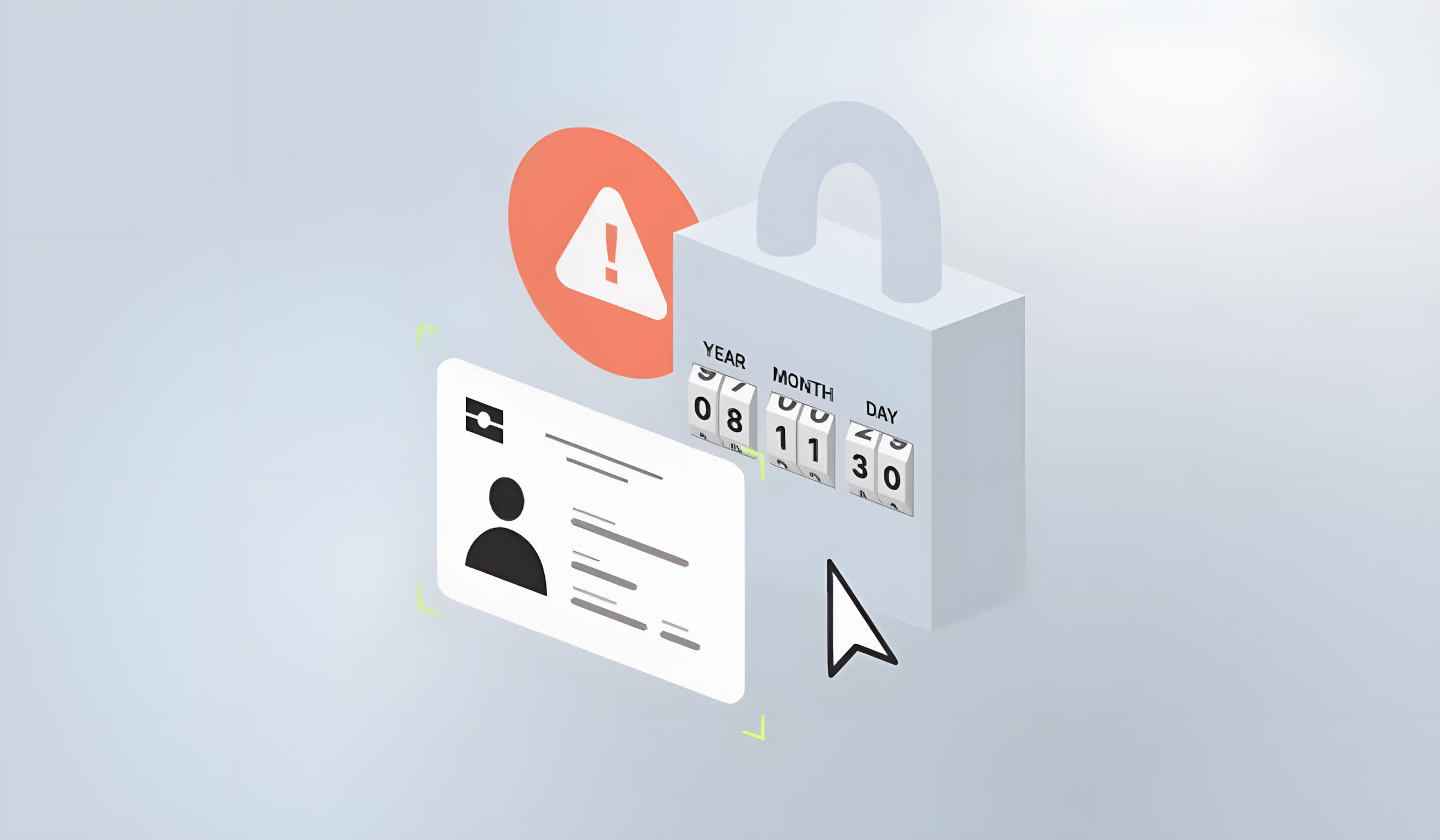
Last week, Pornhub sent letters to Apple, Google, and Microsoft, urging them to adopt device-level age verification. As governments in the United States and the United Kingdom tighten rules on adult content, site-by-site identification checks push users toward workarounds instead of keeping minors off porn websites.
Aylo, Pornhub's parent company, told the tech firms that a single age check performed on a phone, tablet, or computer could send a verified age signal across apps and browsers through an application programming interface. The company says the current model – uploading identification separately on each site through third-party vendors – has "failed to achieve its primary objective."
That system has also hit Pornhub's traffic hard. Nearly half of the states in the US now require an ID upload to access adult content, and Pornhub withdrew from most of them rather than comply. In Louisiana, the lone state where the company implemented ID checks, viewership fell by 80 percent. The company experienced a similar decline in the United Kingdom after the Online Safety Act's age verification mandate took effect.

Aylo asserts that handling verification at the device level would reduce privacy risk by limiting exposure of personal documents. It would also cut down on users fleeing to foreign or fringe sites that have no age controls in place. Aylo Vice President of Brand and Community Alex Kekesi told Wired that searches for unrestricted platforms have "surged exponentially" since states began implementing age-restriction laws.
California's Digital Age Assurance Act offers one model for shifting responsibility to operators like Apple and Google. Signed in October, the law requires app stores to verify user ages before allowing certain downloads, though both platforms already check ages for app purchases to some degree.
Google says it is developing tools, including its Credential Manager API, that would allow websites and apps to access verified age signals. The company also emphasized that adult sites "will always need to invest in specific tools to meet their own legal and responsibility obligations." Apple and Microsoft pointed to existing guidance but did not endorse Aylo's proposal.
Researchers say users can easily bypass current laws. Studies from New York University and the Phoenix Center found that people frequently evade restrictions using VPNs, fake selfies, or switching to foreign sites with little or no moderation. Mike Stabile of the Free Speech Coalition compared the laws to Prohibition, arguing that traffic has shifted to platforms hosting pirated videos, revenge porn, and child abuse material.
Supporters of device-based verification say that it would give governments a more enforceable framework. Critics worry it will accelerate the broader trend toward online deanonymization. For now, California stands alone – but Aylo believes more states will see it as a better solution.
Pornhub calls on Apple and Google to build device-based age verification APIs


