Connecting the dots: When Qualcomm announced its acquisition of Arduino in October, the move was met with lukewarm enthusiasm. Since then, the UK chip designer has implemented significant changes to Arduino's terms of service, prompting concerns within the community that the moves could effectively signal the end of the platform's open-source ethos.

Qualcomm recently acquired Arduino for an undisclosed sum, sparking immediate fears that the "death of Arduino" was imminent. According to New York-based electronics vendor Adafruit Industries (AI), the Qualcomm-owned Arduino has quietly rewritten its Terms of Service and Privacy Policy. The new documents are drastically different, with AI criticizing the changes as a shift toward a tightly controlled corporate platform.
Key updates reportedly include a perpetual license on any code or board designs uploaded by users, surveillance-style monitoring of AI features, and a prohibition on research into potential patent infringements. Additionally, Arduino can now retain account usernames indefinitely after account termination, while all user data is integrated into Qualcomm's global data ecosystem.
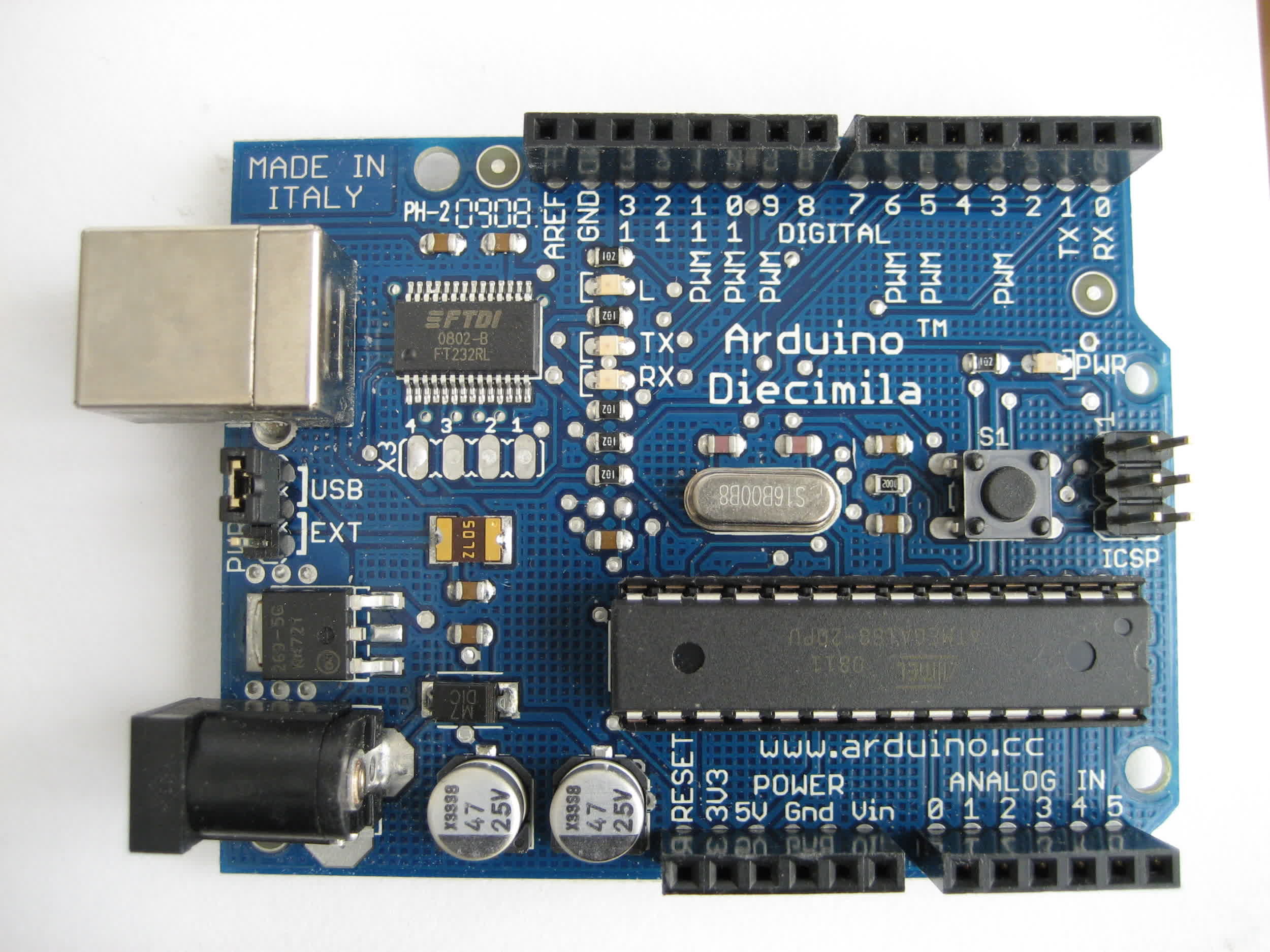
"Several sections effectively reshape Arduino from an open community platform into a tightly controlled corporate service with deep data extraction built in," Adafruit Industries said.
Even reverse engineering or attempting to study how components work without explicit permission is now reportedly forbidden.
Arduino was founded in Italy as an open-source hardware and software company and attracted millions of developers thanks to its permissive LGPL and GPL license agreements.
Adafruit Industries' post on LinkedIn drew significant attention, with many in the community concluding that Qualcomm has effectively dismantled Arduino's open-source ecosystem. According to Adafruit, both Qualcomm and Arduino's corporate leadership have historically been uneasy with the creations emerging from the FOSS community.
The controversy became so pronounced that the Arduino team issued official statements addressing the new Terms of Service and Privacy Policy. They emphasized that the "pillars" of the platform – open source principles, hardware reverse engineering, ownership of user creations, and minors' data privacy – remain intact.
Arduino stated that the revised documents are intended to improve clarity, ensure regulatory compliance, and support innovation. They are also designed to guide the platform in navigating emerging IT trends, including AI and new commercial opportunities.
"We have been open source long before it was fashionable. We're not going to change now," the Arduino team added.
Qualcomm rewrote Arduino's TOS, and the community is not taking it well


