
Rumor mill: Prior leaks suggested that Nvidia is developing enhanced variants of several RTX 50-series graphics cards featuring more VRAM. However, rising demand from AI data centers has recently depleted memory manufacturers' inventories, driving up prices for both companies and consumers. The situation could affect the launch timeline of future graphics cards.
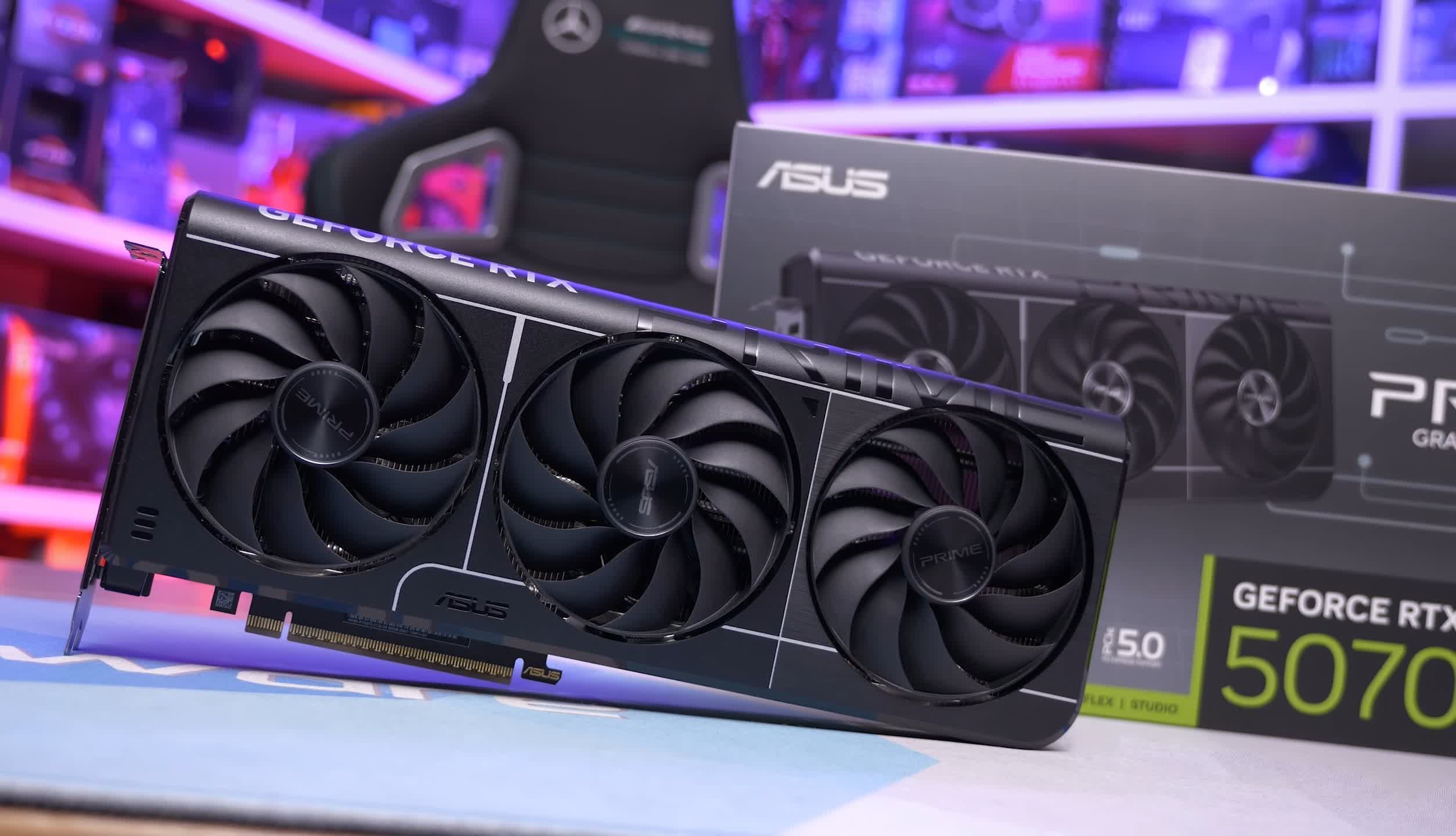
Tech outlet Uniko's Hardware reports that Nvidia may cancel its long-rumored RTX 50 Super series graphics cards due to ongoing GDDR7 VRAM shortages – a development that could also drive up prices for currently available GPUs. If accurate, this would mark one of the most significant consequences of the ongoing memory crunch fueled by the AI boom.
Tech giants such as Microsoft, OpenAI, and Amazon Web Services continue to ramp up investments in AI infrastructure, building more data centers that require vast amounts of memory and storage to process large language model workloads. The surge in demand has outpaced global supplies of DRAM, NAND, HBM, and flash memory across multiple manufacturers.
Looking at the current DRAM price trends, supplying 24Gbit products to client products through SUPER seems like an irrational business decision.
(@harukaze5719) November 7, 2025
Prices have surged dramatically in recent weeks. Companies ordering DRAM are reportedly paying inflated rates for partial shipments, while consumer memory prices – particularly DDR5 and especially DDR4 – have been steadily climbing for months.
Meanwhile, Nvidia's decision to use cutting-edge GDDR7 VRAM for its RTX 50 series graphics cards has become a liability for the lineup. Since 3GB GDDR7 modules weren't available when the GPUs debuted earlier this year, most models launched with disappointingly small memory pools, such as the 8GB RTX 5060 and 12GB RTX 5070. The difficulty in securing GDDR7 supplies also likely contributed to early stock shortages and inflated launch prices for the 50 series.
Leaked specifications for the rumored RTX 50 Super lineup suggested Nvidia was preparing to address some of these shortcomings. While their CUDA core counts indicate only modest performance gains, the RTX 5070 Super is expected to feature 18GB of VRAM, with the 5070 Ti Super and 5080 Super each packing 24GB.
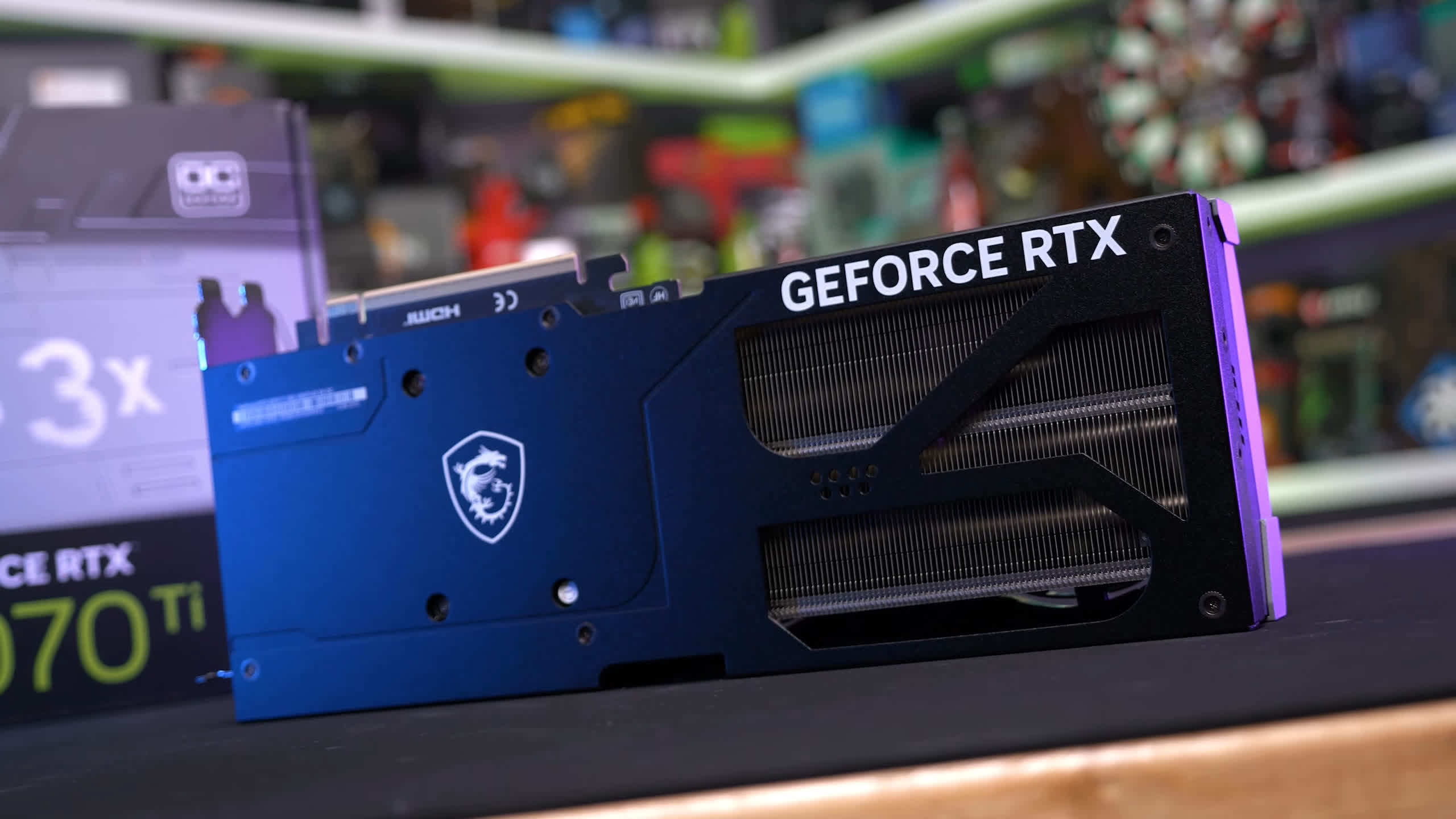
The expanded VRAM capacities are only possible thanks to 3GB GDDR7 modules, which memory manufacturers only began unveiling this year. However, ongoing memory shortages could persist well into 2026, potentially making it difficult – or even impossible – for Nvidia to produce a new lineup such as the RTX 50 Super series, which was previously expected to debut in the first half of next year.
Meanwhile, if existing graphics cards become scarcer and more expensive, prospective buyers may want to act sooner rather than later, as holiday discounts are already beginning to lower prices. Although RTX 50 GPUs were rarely available at MSRP when they first launched, many models have since moved closer to – or even dipped below – those prices. For instance, the RTX 5070 was briefly available for $100 under MSRP earlier this week.
RAM shortages could derail Nvidia's RTX 50 Super series launch plans


