Real-world data shows plug-in hybrids use far more fuel than advertised

Skye Jacobs

Posts: 2,029   +59
Staff
WTF?! The promise of plug-in hybrid electric vehicles (PHEVs) was simple: lower emissions and drastically reduced fuel consumption. However, real-world driving data tells a different story. In the most comprehensive analysis yet of vehicle behavior outside testing labs, Germany's Fraunhofer Institute found that PHEVs consume fuel at rates far higher than their manufacturers claim.
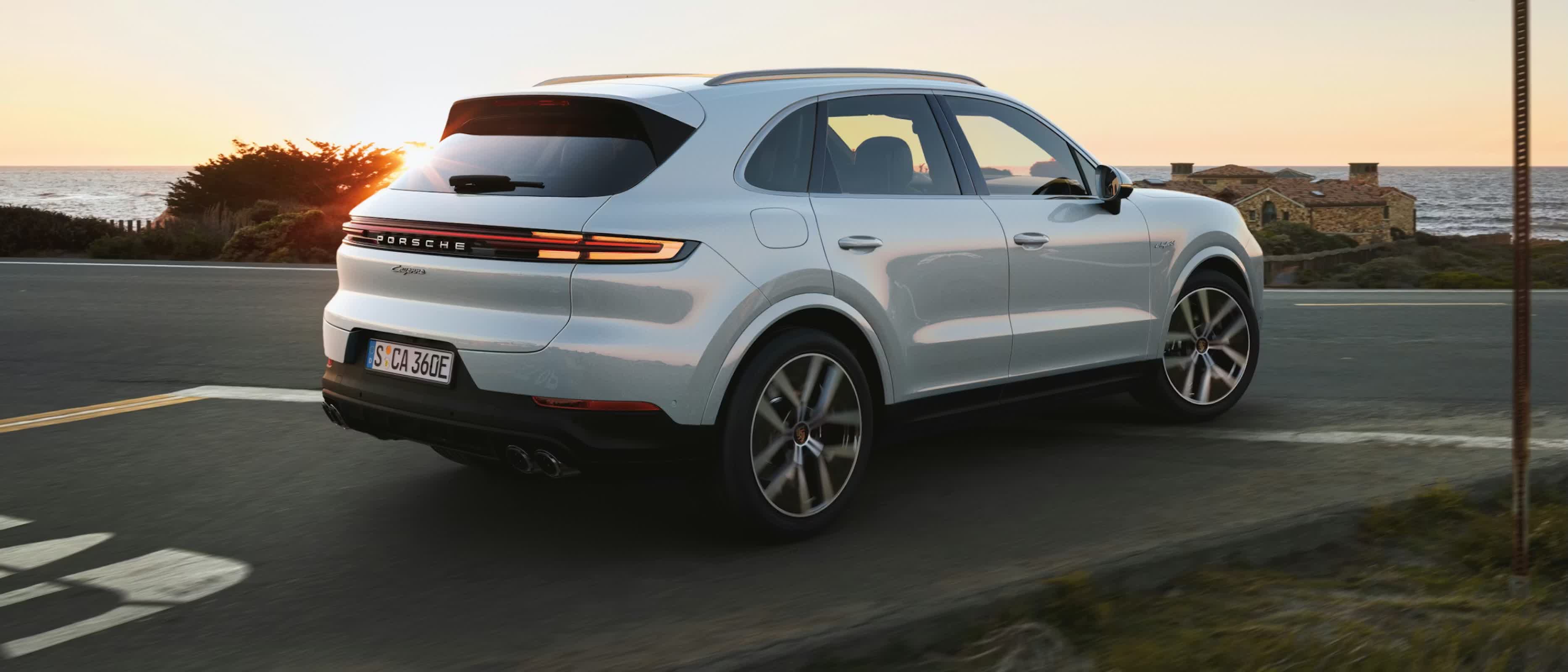
Using data transmitted wirelessly from roughly one million PHEVs produced between 2021 and 2023, the researchers measured actual fuel consumption across diverse driving conditions and found an average of six liters per 100 kilometers – roughly three times the officially certified figures.

The findings highlight a growing gap between laboratory tests and on-road performance in hybrid technology. PHEVs rely on two propulsion systems: a traditional internal combustion engine and an electric motor powered by an externally charged battery.

This dual-mode setup allows drivers to toggle between electric and fuel power, depending on speed, distance, or battery availability. In theory, the vehicles should rely primarily on electric power for short trips, minimizing fuel use.

In practice, the study found, the combustion engine engages far more frequently than expected. Patrick Plötz of the Fraunhofer Institute told German broadcaster SWR that researchers believe the combustion engine in plug-in hybrids is triggered to turn on much more often in everyday driving than previously assumed.
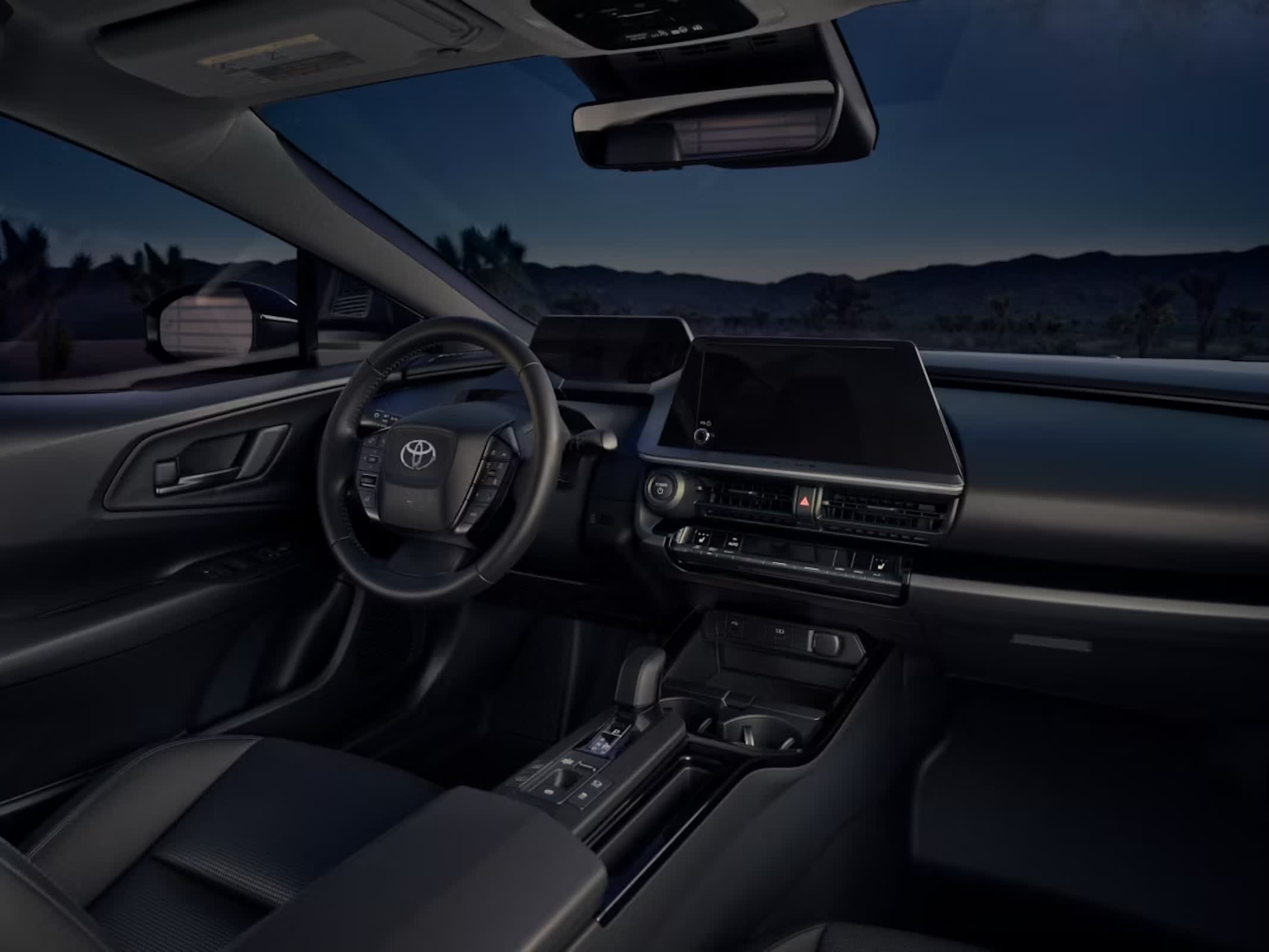
German-made hybrids accounted for many of the highest consumption figures, with Porsche models averaging around seven liters per 100 kilometers – more than any other brand studied. By contrast, smaller PHEVs from manufacturers such as Kia, Toyota, Ford, and Renault were more efficient, often consuming less than one liter per 100 kilometers when primarily powered by electricity.

Porsche attributed the discrepancies to "differing usage patterns," telling SWR that driver behavior, road conditions, and individual driving profiles affect results. The company emphasized that its official figures comply strictly with EU testing standards, ensuring uniform measurements across markets.

However, those standards, the Fraunhofer team warned, no longer reflect real-world conditions. Regulators should base emissions compliance on actual road data, Plötz said, and impose penalties for noncompliance if fleet CO₂ emissions averages exceed regulated limits.

The institute's report urges the European Union to revise how it measures and certifies plug-in hybrid fuel consumption, arguing that the current approach overstates efficiency and understates emissions. The European Commission, which sets CO₂ limits, declined to comment on the study's findings when contacted by SWR. Meanwhile, the German Association of the Automotive Industry defended the existing testing framework as reliable and representative.

The study adds weight to long-standing critiques from environmental organizations that question whether plug-in hybrids truly bridge the gap between combustion and electrification or simply postpone it. As automakers invest heavily in hybrid strategies to meet carbon targets, Fraunhofer's data suggests the technology's environmental performance depends less on laboratory optimization and more on real-world performance with actual drivers.

Permalink to story:

 
The mpg ratings have always been higher than reality. 6 and 4 cylinder gas cars usually advertise 30 mpg highway and end up getting 17 mpg in use.
 
I've read many articles that say the biggest problem with plug in hybrids, is that people simply never plug them in and drive them like a normal ICE car. Its hard to imagine that the slight inconvenience of plugging your car in when you get home is too much effort versus potentially only have to fill your gas tank once a month (assumes 'standard shorter commutes' type scenario)
 
I've read many articles that say the biggest problem with plug in hybrids, is that people simply never plug them in and drive them like a normal ICE car. Its hard to imagine that the slight inconvenience of plugging your car in when you get home is too much effort versus potentially only have to fill your gas tank once a month (assumes 'standard shorter commutes' type scenario)
Came here to say this. People leave a stupid amount of money on the table by not plugging them in. But I think man people in the US just bought them because they were able to get the tax credit and they do get better mileage than a straight gas car.
 
Again, keep in mind that whatever shortcomings they have in actual fuel economy also apply to EV's. They use exactly the same methods to extend range, and Porsche is 100% right. Peoples driving habits were carried over from their gas engine vehicles they learned to drive on. Drive a Tesla like most people do, and find out the range is far from what it should be. Jackrabbit starts and short stops use more energy and forgo regenerative breaking. Drive at highways speeds at 75 or higher? The battery is sucked down much faster, and again, no regenerative braking. Hybrids do the opposite of gas engines..Highway economy drops and city driving raises it......providing you learn to drive it properly.
 
Came here to say this. People leave a stupid amount of money on the table by not plugging them in. But I think man people in the US just bought them because they were able to get the tax credit and they do get better mileage than a straight gas car.
Getting "better mileage" is not the same thing as "saving money". That electricity is no more free than the gasoline you put in. From what I'm seeing, the average electric vehicle gets about 150 miles on ten dollars worth of electricity, on average, for most markets, and not assuming the smallest and lightest of vehicles.

The average gasoline powered vehicle gets about 100-120 miles on ten dollars worth of gasoline, assuming a current average price of about 2.50 where I am in Colorado. So, better, ok, but not by much and once you factor in the inconvenience of having to FIND a charger if away from home or the cost to have one installed in your home (If you want a decent 220/240v that doesn't take three days to charge your vehicle) applied over the course of the first two years, you ain't saving jack.
 
You need to compare the PHEV version to the purely ICE version, not look at the fuel numbers for the PHEV in isolation. If a PHEV version of the car uses less fuel than the ICE version with the same engine and/or total power output, then that's what matters.

Toyota's PHEV's for example do achieve their fuel ratings or very close. Car's like Porsche's are not using PHEV so much for fuel economy but for extra performance, they are not the cars I would be checking.
 
If a PHEV version of the car uses less fuel than the ICE version with the same engine and/or total power output, then that's what matters.
Actually, it's not. What matters is what it costs to go 100 miles, regardless of WHAT type of fuel you are using. Whether it's a PHEV, an EV or an ICE. Doesn't matter. The point of these cars was supposed to be to save money and to lower emissions. If a vehicle isn't doing those things, and was supposed to be, then THAT is a problem.

It doesn't much matter if you use 5 gallons of fuel for the PHEV version and 10 gallons of fuel for the ICE version if the electricity that is being used in place of the gasoline that isn't, costs more. Unless it's only emissions we care about and even then, it's really not, because the power plants ARE creating additional emissions in order to supply all this increased demand for electricity.

Anybody buying a PHEV Porsche, doesn't give a crap about fuel economy, convenience or emissions. I don't think these are the models that anybody is terribly concerned about although, if they are advertising a specific set of specifications for a given vehicle and they are grossly inaccurate, then that too really ought to be a problem.
 
You can’t get something for nothing.

F= MA
E=MC^2

You want to move around in a vehicle that is 3000 pounds or more, it’s gonna cost you.

Give me a regular unleaded sipping naturally aspirated 4 cylinder for small cars or a v6 for a larger car.
 
Not to mention the ENERGY required to generate the electricity to charge them back up too.
Pretty sure that's what I said.

It doesn't much matter if you use 5 gallons of fuel for the PHEV version and 10 gallons of fuel for the ICE version if the electricity that is being used in place of the gasoline that isn't, costs more. Unless it's only emissions we care about and even then, it's really not, because the power plants ARE creating additional emissions in order to supply all this increased demand for electricity.
 
Getting "better mileage" is not the same thing as "saving money". That electricity is no more free than the gasoline you put in. From what I'm seeing, the average electric vehicle gets about 150 miles on ten dollars worth of electricity, on average, for most markets, and not assuming the smallest and lightest of vehicles.

The average gasoline powered vehicle gets about 100-120 miles on ten dollars worth of gasoline, assuming a current average price of about 2.50 where I am in Colorado. So, better, ok, but not by much and once you factor in the inconvenience of having to FIND a charger if away from home or the cost to have one installed in your home (If you want a decent 220/240v that doesn't take three days to charge your vehicle) applied over the course of the first two years, you ain't saving jack.

Well it depends on your particular circumstance of course. For me here in Australia, the govt has said all electricity companies must offer a plan having 3 free hours of electricity in the day (due to excess solar), and if that doesn't suit there are nighttime plans offering $0.08/kWh for EV charging which for 400km range at 5km per kWh would fill you up for $6.40.

There are companies offering 4 free hours per day right now, and that's what I'm using, charging the house battries and running my pool etc effectively for free. As for the charger, it came with the car. Yes, I did have to pay to have it installed. And before you ask, by my careful figures the solar and batteries payed for themselves over a year and a hlaf ago and are still under warranty.
 
Came here to say this. People leave a stupid amount of money on the table by not plugging them in. But I think man people in the US just bought them because they were able to get the tax credit and they do get better mileage than a straight gas car.


Unless you have a house and a place to plug in, chances are you aren't gonna be plugging your car in. I had a friend with a Jeep 4xe who lamented the fact her Electric range was so low. Most people enjoy driving EV, but want the convenience of a gas engine. Here in NYC, many people try to run extension cords from their house to their car. trhey absolutely don't want to spend the time plugging in a J1772 charger in since most hybrids don't support Level 2 (CCS combo ) charging. J1772 is relatively slow for that handful of EV miles you do get.

For those few people where the stars align - when they have a house, a garage and can charge daily on 110v or 220v - you hear them brag about "never having to use a drop of gas". The Chevy Volt and Cadillac ELR owners I've heard say this the most. Everyone else has to figure something out.

I myself prefer either a pure EV or an appropriately sized naturally aspirated gas engine. No thank you to the turbos.

My Cadillac Vistiq is charging on the side of my house right now. It'll be finished within 4 hours at Level 2 speeds.
 
Unless you have a house and a place to plug in, chances are you aren't gonna be plugging your car in. I had a friend with a Jeep 4xe who lamented the fact her Electric range was so low. Most people enjoy driving EV, but want the convenience of a gas engine. Here in NYC, many people try to run extension cords from their house to their car. trhey absolutely don't want to spend the time plugging in a J1772 charger in since most hybrids don't support Level 2 (CCS combo ) charging. J1772 is relatively slow for that handful of EV miles you do get.

For those few people where the stars align - when they have a house, a garage and can charge daily on 110v or 220v - you hear them brag about "never having to use a drop of gas". The Chevy Volt and Cadillac ELR owners I've heard say this the most. Everyone else has to figure something out.

I myself prefer either a pure EV or an appropriately sized naturally aspirated gas engine. No thank you to the turbos.

My Cadillac Vistiq is charging on the side of my house right now. It'll be finished within 4 hours at Level 2 speeds.
This is the problem with "but sometimes!". Most Americans do own their homes and if an EV doesn't work for you, don't buy one. That's not an excuse for everyone to never own an EV, though.
 
Plug-in hybrids were the first answer from classical car companies to the drive towards electrification by policy makers after diesel-gate. That way car companies could keep selling the old stuff for longer (albeit in combination with a small battery and electrical motor), meeting CO2 restrictions, while offering their customers tax credits.

It's been mostly a scam, even pushing companies like Toyota towards PHEV's where they otherwise only offered full-hybrids. The reason Toyota's PHEV's are still efficient is that they are full-hybrids with a big battery and loading plug bolted on. When these vehicles use the engine, they also recharge the battery for a small amount.
 
Last edited:
Plug-in hybrids were the first answer from classical car companies to the drive towards electrification by policy makers after diesel-gate. That way car companies could keep selling the old stuff for longer (albeit in combination with a small battery and electrical motor), meeting CO2 restrictions, while offering their customers tax credits.

It's been mostly a scam, even pushing companies like Toyota towards PHEV's where they otherwise only offered full-hybrids. They reason Toyota's PHEV's are still efficient is that they are full-hybrids with a big battery and loading plug bolted on. When these vehicles use the engine, they also recharge the battery for a small amount.
do you know how much money I could save if my work truck was a plug-in hybrid? give me a 10KWhr battery on the back of my 6.6L V8 for towing and I could EASILY save $6-7 A DAY. And the extra torque of an EV motor would be nice when I have a few thousand pounds of gravel in the back of one of the dump trucks. There is getting 5-6 MPG, and then there is getting ~20 miles of electric range for $1 before I start getting 5-6 MPG. I know it's not that simple, but I feel that makes my point. And, frankly, lots of our trucks only drive 20-30 miles a day. Yes, there are certainly days when we drive 200+ miles, but that's like 2-3 days a month. This is why plug-in hybrids are perfect for work trucks. All electric? no, absolutely not, but a plug in hybrid to offset fuel cost? that's ****in' awesome
 
do you know how much money I could save if my work truck was a plug-in hybrid? give me a 10KWhr battery on the back of my 6.6L V8 for towing and I could EASILY save $6-7 A DAY. And the extra torque of an EV motor would be nice when I have a few thousand pounds of gravel in the back of one of the dump trucks. There is getting 5-6 MPG, and then there is getting ~20 miles of electric range for $1 before I start getting 5-6 MPG. I know it's not that simple, but I feel that makes my point. And, frankly, lots of our trucks only drive 20-30 miles a day. Yes, there are certainly days when we drive 200+ miles, but that's like 2-3 days a month. This is why plug-in hybrids are perfect for work trucks. All electric? no, absolutely not, but a plug in hybrid to offset fuel cost? that's ****in' awesome

It might make sense in your use case.
In many use cases and perhaps also yours going full-hybrid is a whole lot more beneficial. (I'm speaking of the Toyota hybrid system, or the Renault system where the engine is purely a generator.)

Yes, you use the engine on every drive, but the real life savings are there. All the time. Whereas with a PHEV it largely depends on how you use it.

But many (European) manufacturers did not have such a system, and admitting Toyota and co were technologically more advanced may have been to hard to swallow. While bolting the plug-in system on existing cars seemed like an easy solution.
 
It might make sense in your use case.
In many use cases and perhaps also yours going full-hybrid is a whole lot more beneficial. (I'm speaking of the Toyota hybrid system, or the Renault system where the engine is purely a generator.)

Yes, you use the engine on every drive, but the real life savings are there. All the time. Whereas with a PHEV it largely depends on how you use it.

But many (European) manufacturers did not have such a system, and admitting Toyota and co were technologically more advanced may have been to hard to swallow. While bolting the plug-in system on existing cars seemed like an easy solution.
"but sometimes!"
 
Back