GenAI in RRAM: Resistive RAM has yet to prove its value to the broader memory industry. Still, researchers are once again trying to put the long-promised technology to work – this time by targeting new applications that, unsurprisingly, involve AI and neural networks.
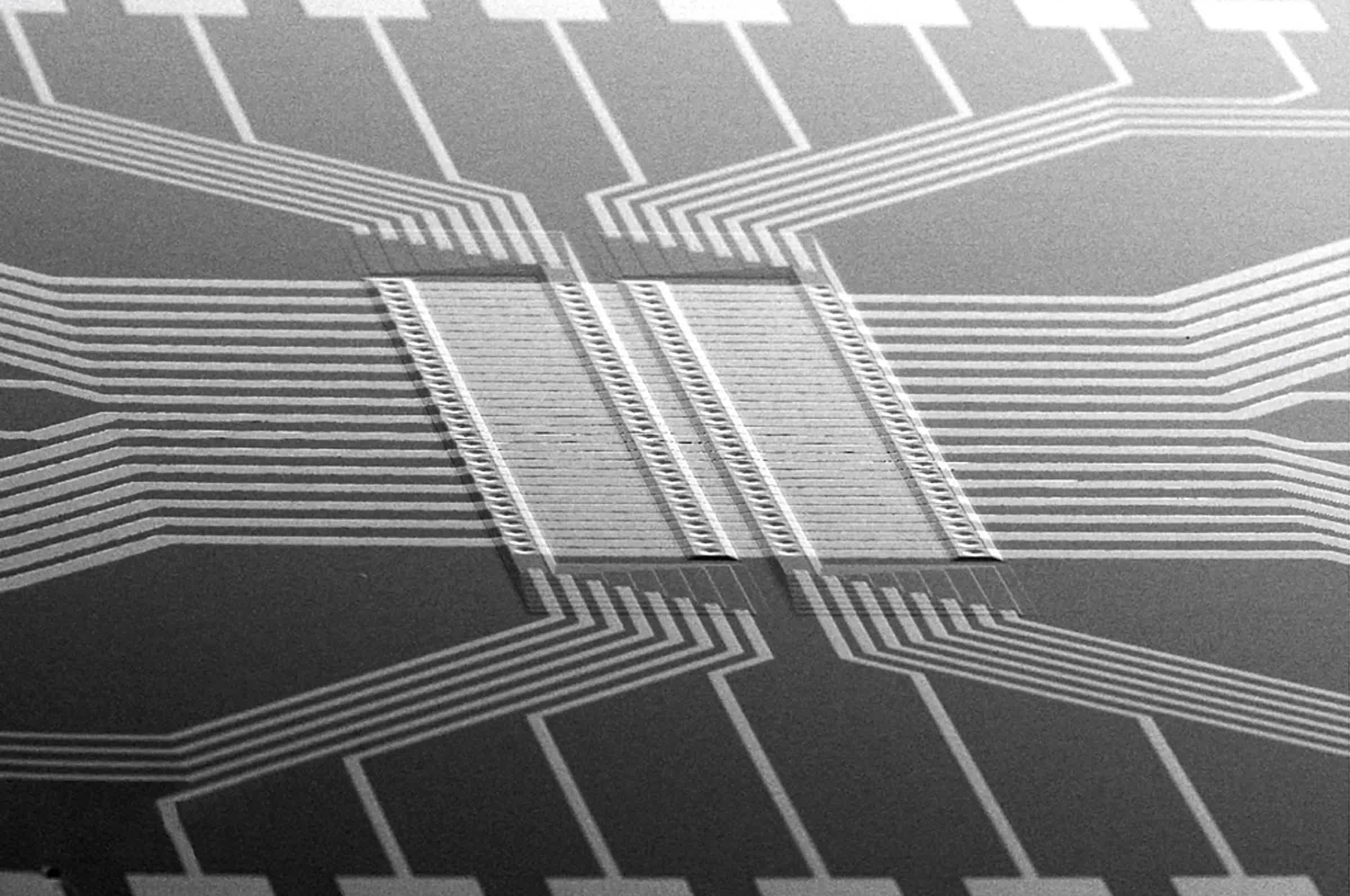
A team at the University of California, San Diego has redesigned how RRAM operates in an effort to accelerate the execution of neural network models. According to UCSD electrical engineer Duygu Kuzum, the approach could eventually enable a new class of local AI applications, assuming the technology's remaining challenges can be addressed.
Resistive RAM (RRAM, or ReRAM) has long been positioned as a potential game-changer for memory. The technology is a commercial implementation of the memristor, often described as the missing fourth fundamental electrical component alongside the resistor, capacitor, and inductor. In theory, memristor-based RRAM can retain its state (digital data) even when power is cut off.
That promise has been around for years. The first RRAM-capable electrical components were demonstrated more than a decade ago by HP and others, yet the technology remains far from becoming a consumer-ready product. Periodically, startups and research groups resurface with fresh attempts to turn RRAM into a viable business.
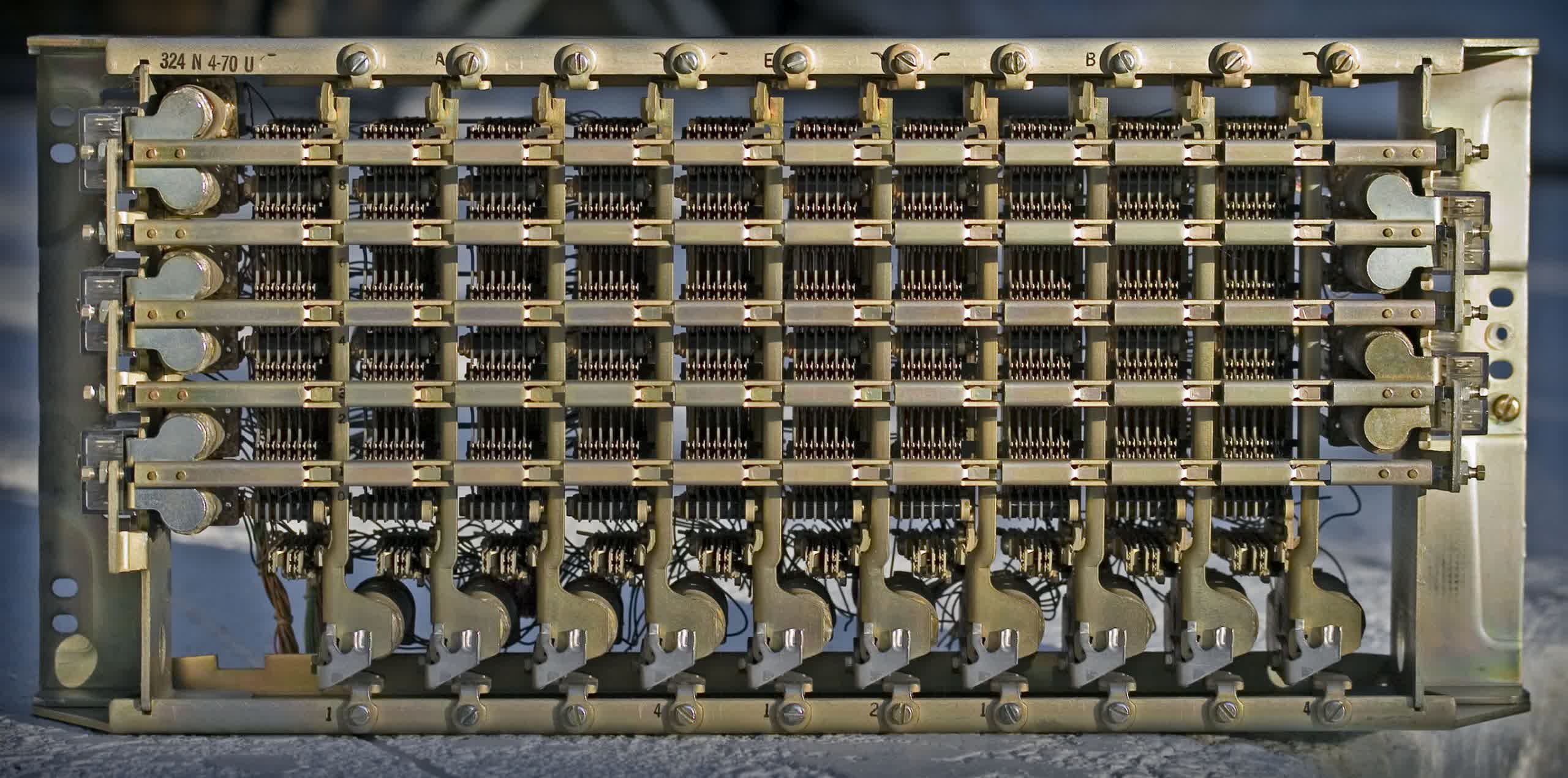
Kuzum's team focused on using RRAM to address the so-called memory wall – the growing performance gap between CPUs and memory in modern computing systems. If neural networks could be run directly inside non-volatile memory circuits, the researchers argue, it could enable AI applications that operate locally, require no cloud connection, and run for extended periods on limited power.
To tackle longstanding material and reliability issues, the UCSD group stacked multiple RRAM layers into what it calls a "bulk RRAM" design. The resulting circuits can reportedly scale down to 40 nanometers, using eight RRAM layers in a single 3D structure. Each memory cell can represent any of 64 resistance values, a level of precision that has proven difficult for traditional filament-based memristor designs.
The team tested the stacked RRAM by continuously running a learning algorithm that classified data from a wearable sensor. The system reportedly achieved around 90 percent accuracy, approaching the performance of conventional digital neural networks.
That said, stacked RRAM isn't ready to take over chatbots or large language models anytime soon. The researchers are now working to improve the technology's ability to retain data over longer periods while remaining stable at higher operating temperatures.
"We are doing a lot of characterization and material optimization to design a device specifically engineered for AI applications," Kuzum stated.
RRAM hasn't delivered yet, but stacked memory is being pitched to run neural networks in place


