Samsung follows Micron and SanDisk raising DRAM and NAND flash prices by up to 30%

DragonSlayer101

Posts: 953   +13
Staff
Facepalm: Samsung is reportedly raising DRAM and NAND prices by up to 30 percent, following similar hikes from SanDisk and Micron. SanDisk raised NAND flash prices by more than 10 percent a few weeks ago, while Micron increased both DRAM and NAND prices by 20 – 30 percent earlier this month.
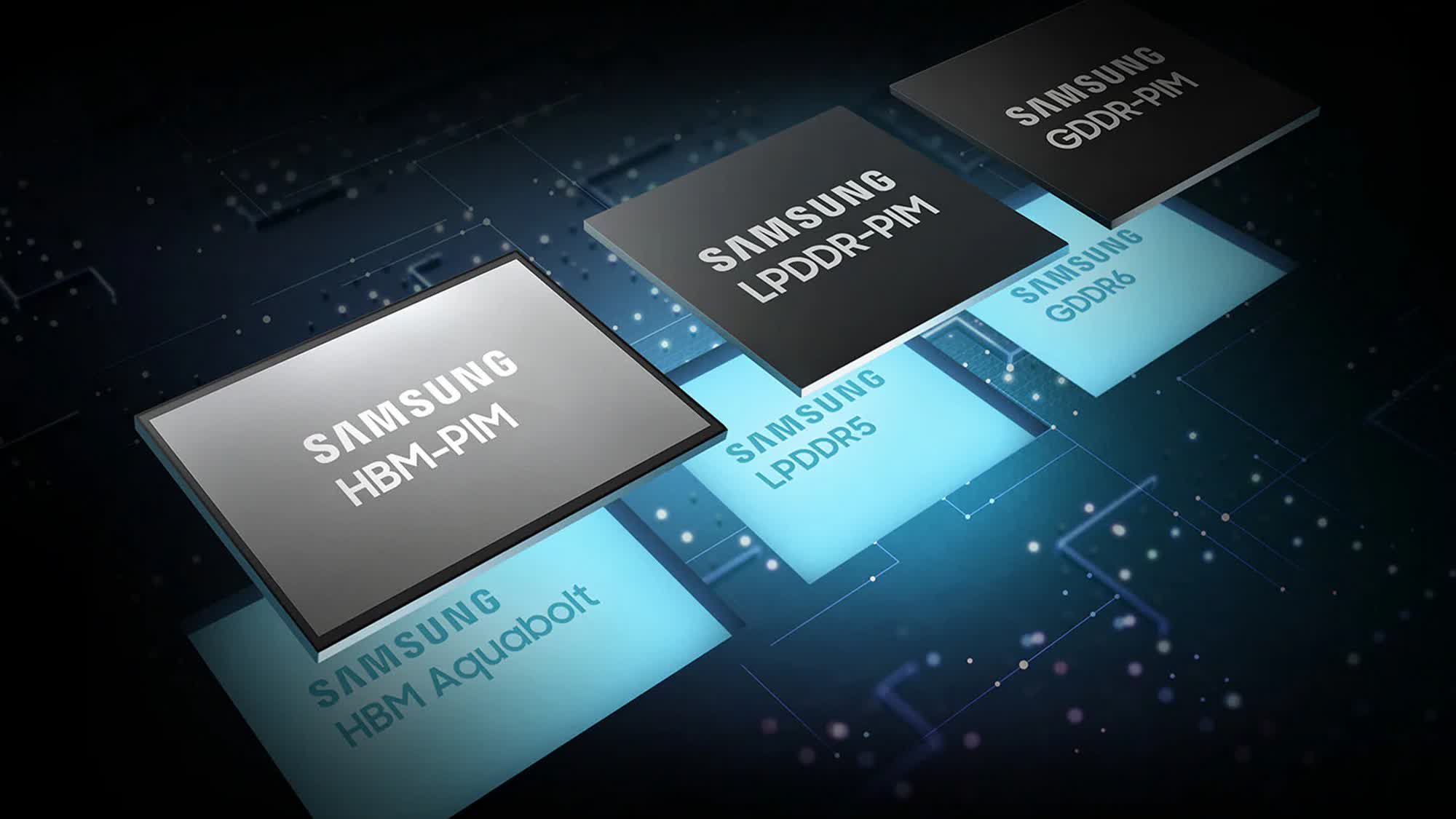
South Korean periodical New Daily reports that Samsung recently confirmed to its partners that it plans to raise DRAM and NAND flash prices in the fourth quarter of this year. Industry insiders claim the company told customers to expect LPDDR4X, LPDDR5, and LPDDR5X prices to increase by 15 – 30 percent, while NAND-based storage such as eMMC and UFS will climb 5 – 10 percent.

The anonymous source says rising demand for smartphones and AI PCs is driving the successive price hikes. Demand for smartphones, tablets, and high-end PCs driven by holiday shopping will create substantial pressure, making additional price increases "inevitable."
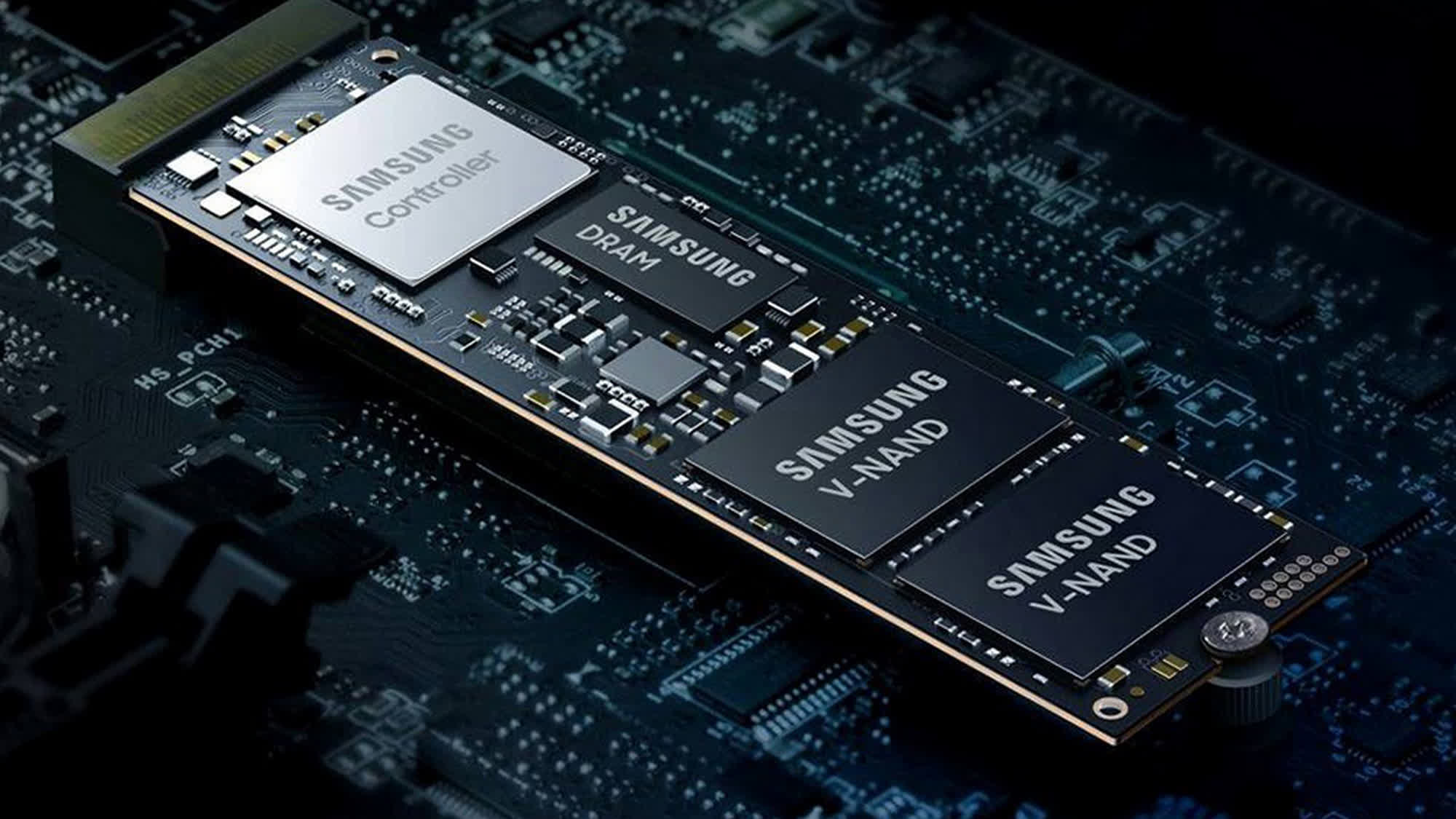
Another significant contributor to the price hikes is demand for low-power, high-performance memory from companies such as Nvidia, which need it to manufacture premium AI hardware. Analysts at Citigroup estimate that DRAM production will fall 1.8 percent short of global demand, while NAND fares even worse, falling four percent shy. Morgan Stanley's predictions are bleaker still, with NAND supply dipping up to 8 percent below demand next year.

As memory manufacturers focus on next-generation DDR5 and HBM products, production of older DDR4 and LPDDR4X chips has dropped sharply. The reduction in supply caused the average DDR4 monthly price to rise 50 percent last July, making it even more expensive than DDR5.

Samsung initially planned to end production of DDR4 and LPDDR4X RAM by June 2025, but reversed course due to unexpectedly strong demand. The company ranks among the world's largest semiconductor manufacturers, holding 32.7 percent of the global DRAM market and 32.9 percent of NAND flash as of the second quarter of this year.

Most major players are raising prices, a move seen as positive for an industry that has long struggled with profitability. However, these increases are likely to hurt enthusiasts and DIY PC builders who lack the financial backing of large corporations.

Permalink to story:

 
Yep, it surely is the holiday season, because normally we don't have a holiday season, but this year we do.
 
SSDs on PCEe 4.0 will probably stay affordable. They are just like DDR4 ram when DDR5 began to replace it.
But current gen, everything on PCIe 5.0 can and probably go up in price 20-30%

I checked how much the drive I purchased went up in price after the last price hike. It went up in price 28%. We can be confident that it will be at least 25% more. Damn AI, stealing everything from ordinary folk.
 
Last edited:
SSDs on PCEe 4.0 will probably stay affordable. They are just like DDR4 ram when DDR5 began to replace it.
But current gen, everything on PCIe 5.0 can and probably go up in price 20-30%

I checked how much the drive went up in price after the last price hike. It went up in price 28%. We can be confident that it will be at least 25% more. Damn AI, stealing everything from ordinary folk.
Right, and before that, it was the cryptominers. And after this, it will be quantum computing. Gamers will never see another affordable component ever again. lol
 
PC builders are about to feel like they’re buying GPUs again, except this time it’s the RAM that’s making their wallets cry.
 
Tech companies are going to find out in the long run that this is a bad strategy.
5 years of shortages and price hikes, nvidia is worth over $4 trillion now, and TSMC is building an arc out of all the gold coins they've amassed. So far, the strategy is working perfectly.

What exactly is "long term" here? 10 years from now? 50?
 
Physics stole gamer's Christmas and scientist did not find a way to get it back. every next-gen CPU/GPU isn’t cheaper and faster like in the 2000s, but more expensive, power-hungry, and harder to manufacture. The old golden age of “better and cheaper every 2 years” is gone.
Dennard scaling broke around the mid-2000s so shrinking transistors no longer automatically meant lower power per transistor. Instead, leakage current and heat became serious issues.
Moore’s law slowed so transistor density still improves, but cost per transistor no longer falls as it once did. Advanced nodes (e.g. 3nm, 2nm) require extreme ultraviolet (EUV) lithography and insanely expensive fabs.
Capacitors do not scale well if at all in new processes so we do not have more, less expensive ram.
 
Back