
In context: Making meaningful changes to smartphones that refresh every year is hard. Yet it's the challenge Samsung – and every major phone maker – sets for itself, twice annually: once with its flagship S series, and again with its foldable Z line. This cycle, it's the Galaxy S26 series getting the update, and there's enough here to justify a closer look. Alongside the expected yearly bumps in performance and camera quality, Samsung is leaning into more thoughtful AI features and debuting a genuinely novel integrated privacy screen (exclusive to the S26 Ultra) that adds a real twist to the familiar upgrade formula.
The Galaxy S26 lineup runs on a customized version of Qualcomm's latest Snapdragon 8 Elite Gen 5 SoC. Compared to last year's Snapdragon 8 Gen 4, the new silicon delivers a 19% uplift in CPU performance, a 24% gain in GPU power, and a 39% boost in AI acceleration via the Hexagon NPU. Those numbers matter even more in context: for anyone upgrading from a 3- or 4-year-old phone, overall performance is roughly double. In other words, it's something that you will definitely notice.
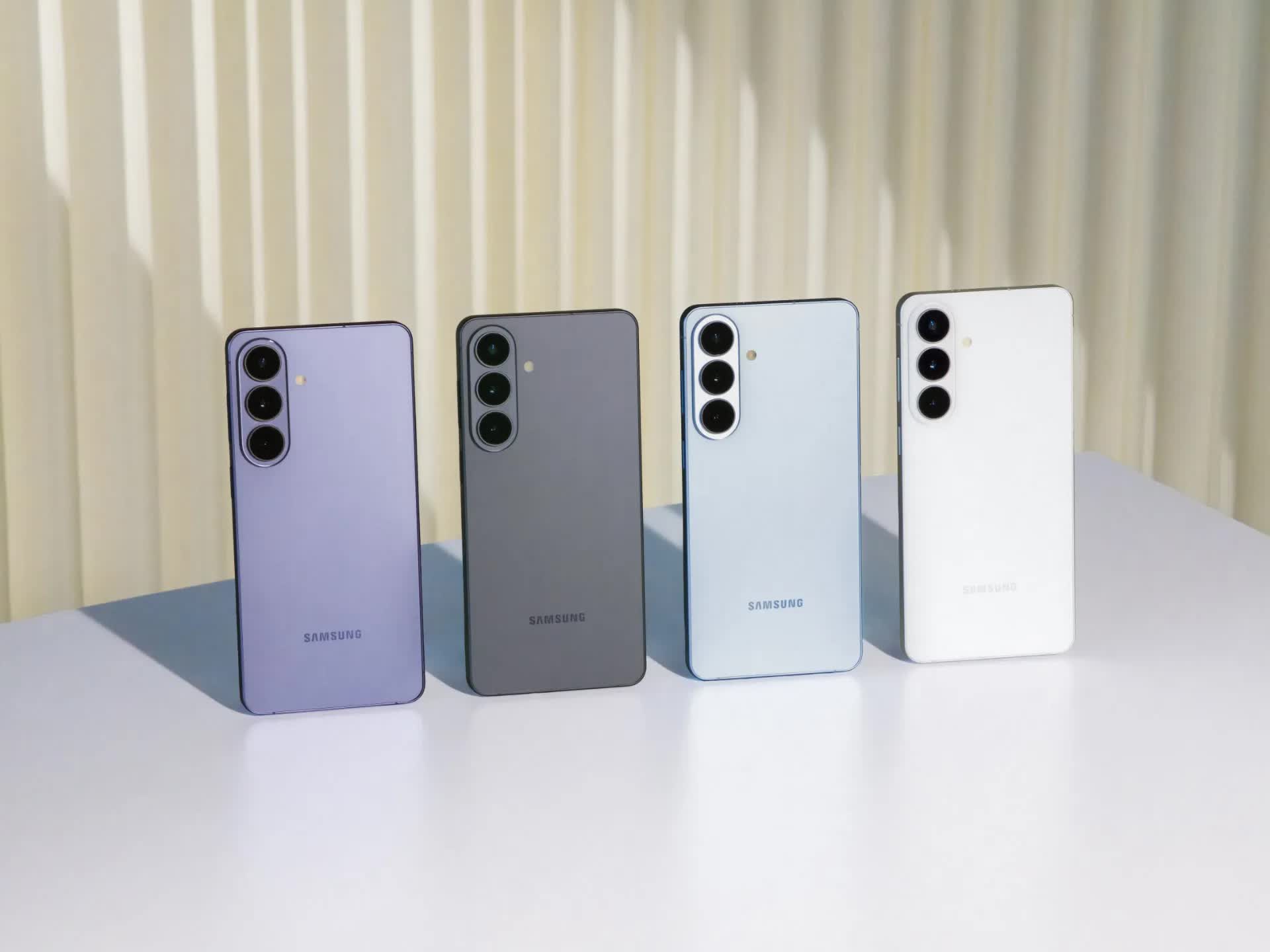
Pricing, however, is one area where this year's update is less subtle. Both the Galaxy S26 and S26 Plus come with a $100 increase, starting at $900 and $1,100 respectively. That puts the Plus just $200 below the $1,300 S26 Ultra, narrowing the gap between Samsung's mainstream models and its flagship. Samsung hasn't said whether tariffs, ongoing memory constraints, or a combination of both are responsible for the increase, but the company is leaning heavily on preorder deals to help offset the higher entry cost. All three phones are set to arrive in stores on March 11.
The most immediately noticeable addition on the S26 Ultra is Samsung's new Privacy Display feature. When enabled, it sharply limits off-angle viewing, preventing nearby eyes from casually glancing at your screen. Previous efforts at privacy screens typically involved putting filters on the display that would impact the brightness and color of the screen. Samsung's approach is far more elegant.
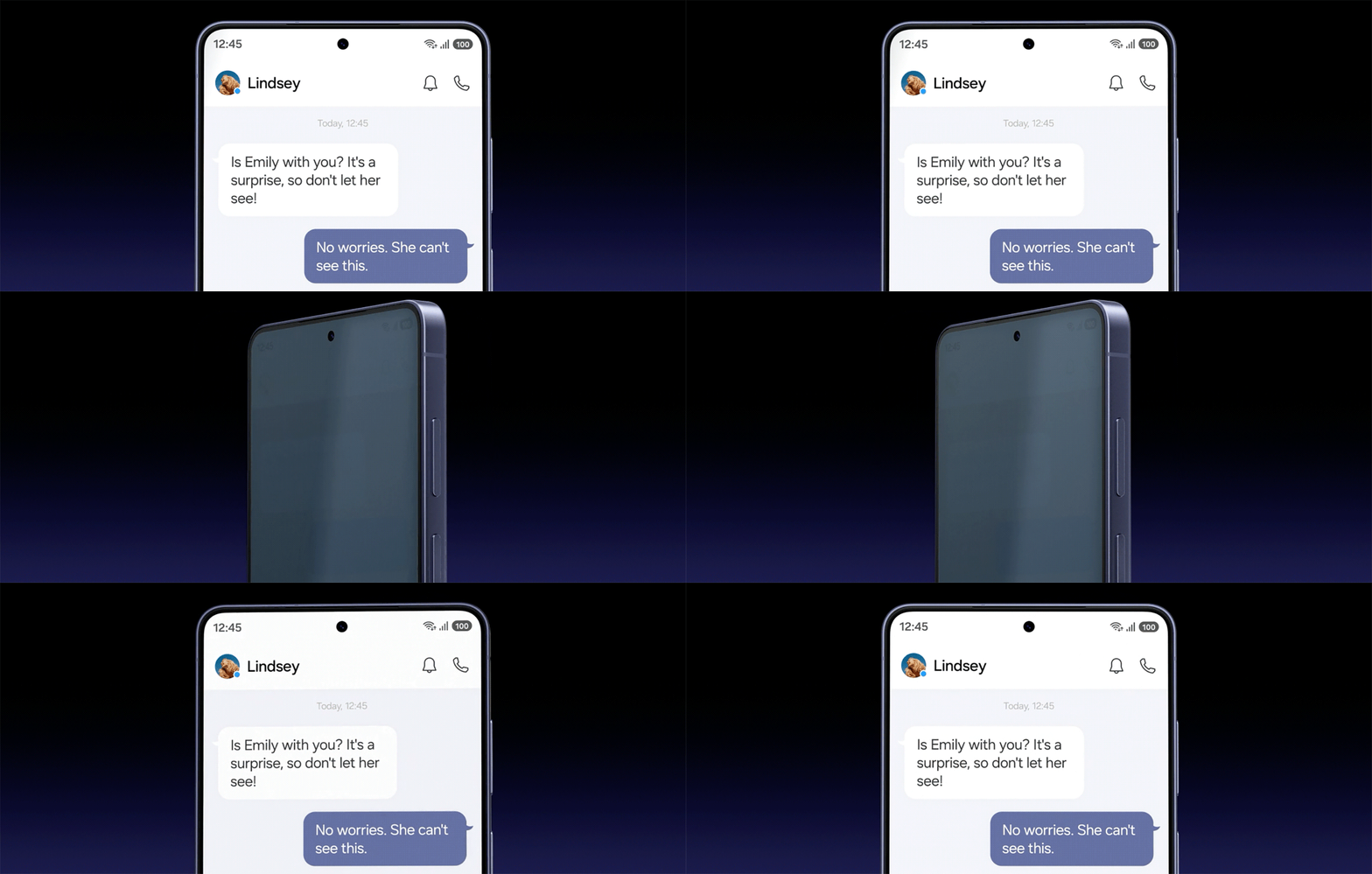
What Samsung did is create a display with two basic types of pixels: those that generate light straight out from the pixel and those that generate a wider field of light. Those two types of pixels are interwoven across the display and in normal operation they both work together to create a brighter image. The privacy screen feature essentially turns off the wider light pixels and only uses the direct light pixels, which you can only see if you're looking directly at the screen.
In order to compensate for those "turned off" pixels, Samsung increases the light to the direct view ones, resulting in an image that has the same brightness as when the feature is off, but with the intentionally more limited field of view. Because some pixels are off and some are brighter, the impact on battery life is reported to be almost non-existent.
Witness #GalaxyS26Ultra and the latest Galaxy tech live, then experience the world's first #PrivacyDisplay on mobile in the #GalaxyUnpacked Experience Zone! Comment #GalaxyAI if you don't want to miss a single moment!
– Samsung Mobile (@SamsungMobile) February 25, 2026
Watch the replay here: https://t.co/CkJl5QfG4l pic.twitter.com/XQDBhGOSM6
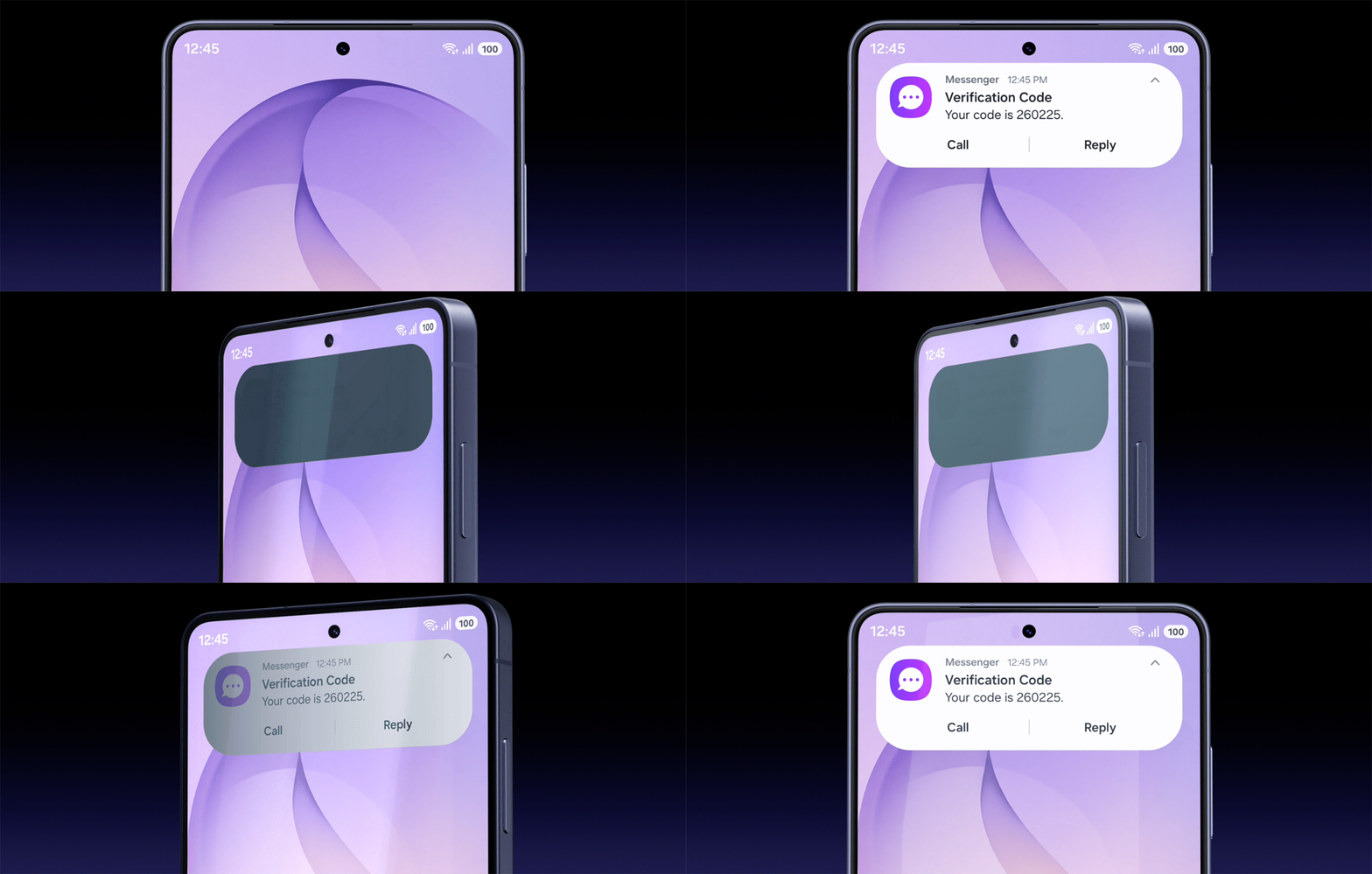
That alone would be impressive, but Samsung goes further. Privacy Display can be enabled selectively – only for notifications, only for specific apps, or in other targeted scenarios. It's a genuinely useful feature, and one likely to draw attention to the Ultra model in particular, since it's the only phone in the series that offers it.
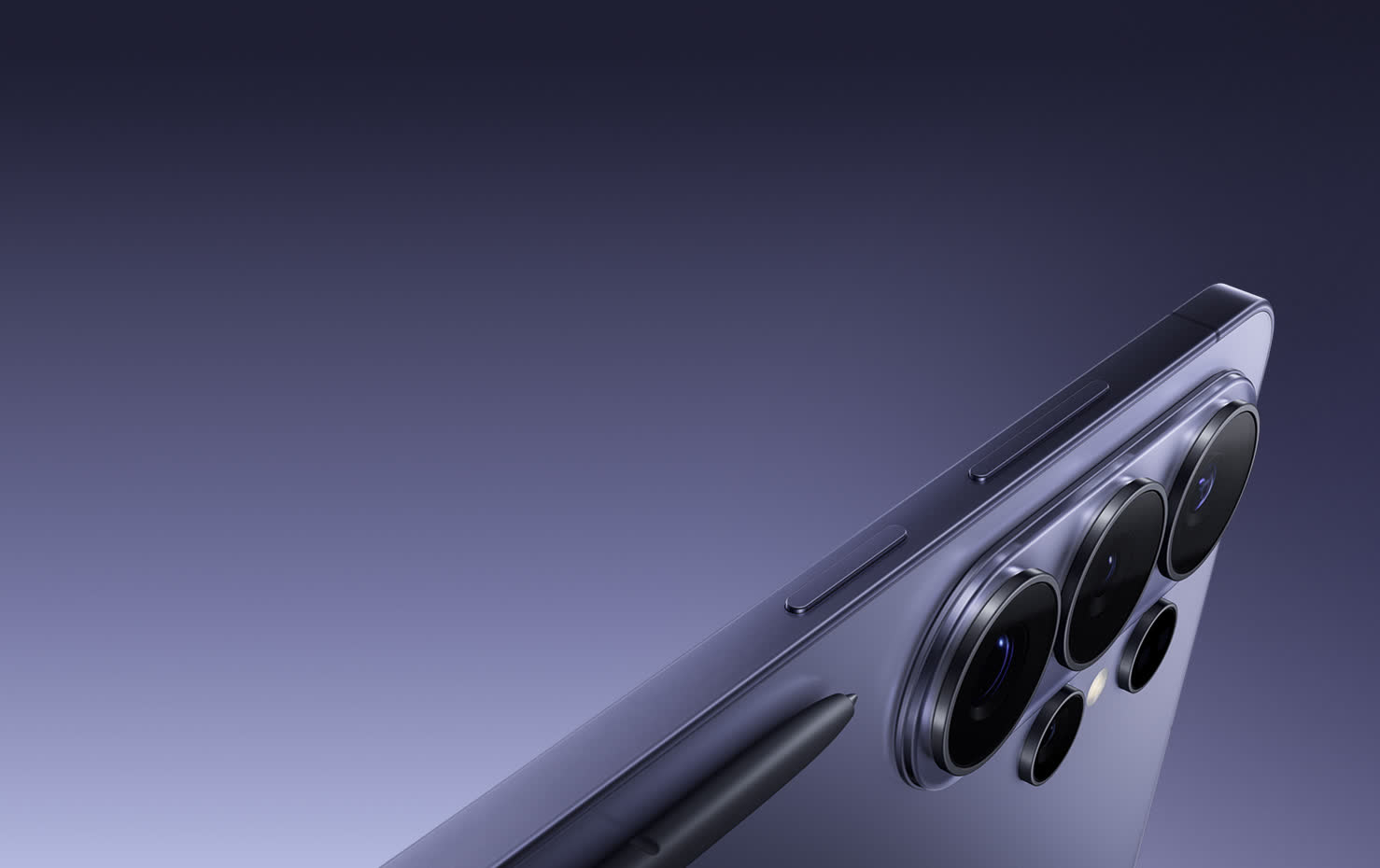
Physically, the S26 Ultra also receives a modest but welcome refinement. Samsung swaps last year's titanium frame for aluminum, trimming the phone down to 7.9mm thick and 214 grams, compared to 8.2mm and 218 grams on the S25 Ultra. It's a slightly slimmer, lighter evolution that focuses less on radical redesign and more on polish, while keeping the $1,300 starting price intact for the 256GB model.
From a camera perspective, Samsung has also made upgrades across the S26 range. One of them is an increase in the aperture of certain lenses which impacts how much light they can let in. Wider apertures on select lenses allow more light in, improving low-light and nighttime photography. The front-facing "selfie" camera gets an upgrade as well, with its field of view expanded to 85 degrees and its images now processed through the AI Image Signal Processor, a pipeline previously reserved for the rear cameras.
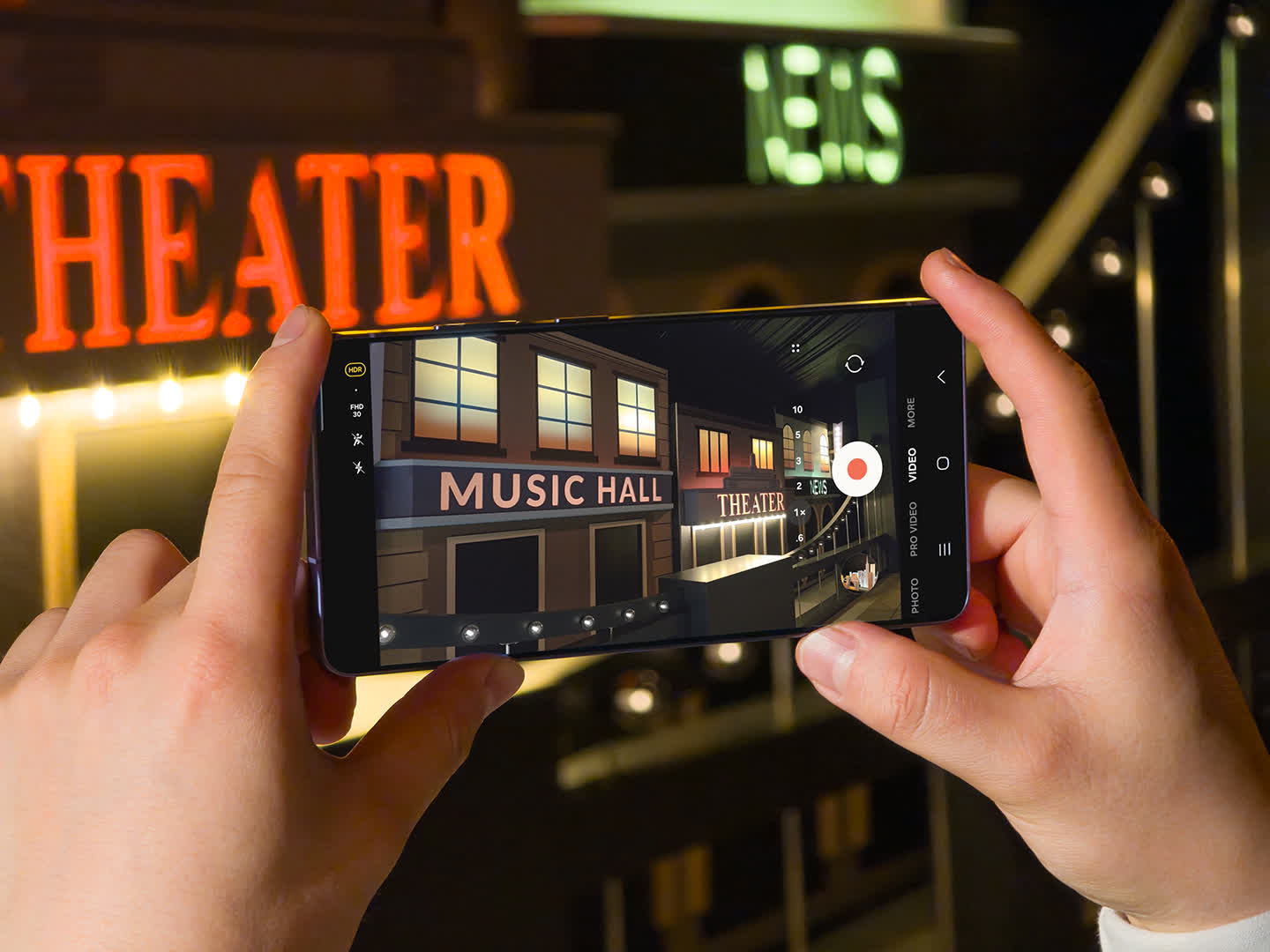
Video sees some notable enhancements too. An updated Super Steady mode now uses the phone's 8K image sensor to produce smoother 4K footage, complete with automatic horizontal locking (even when rotating the phone!).
The Galaxy S26 Ultra has a " wow" feature with video Lock horizontally. pic.twitter.com/mLQi7iHBrE
– Ice Universe (@UniverseIce) February 26, 2026
Horizon Lock on S26 Ultra looks incredible pic.twitter.com/UjPyIxVQ5O
– Rayan A Cader (@rayanabdulcader) February 26, 2026
The same 8K sensor enables video capture at up to 8K 30 fps using the APV codec, bringing near – professionally uncompressed video quality to a smartphone for the first time. There's also a new Ocean mode that automatically color-corrects photos and videos shot underwater, restoring the vibrancy typically lost below the surface.
The standard Galaxy S26 and S26 Plus take a more conservative approach to imaging. Both reuse the S25 series camera hardware, including a 50 MP main sensor, a 12 MP ultrawide, and a 10 MP 3x telephoto lens. The real changes come from software, with new AI-driven tools layered on top rather than any major hardware overhaul.
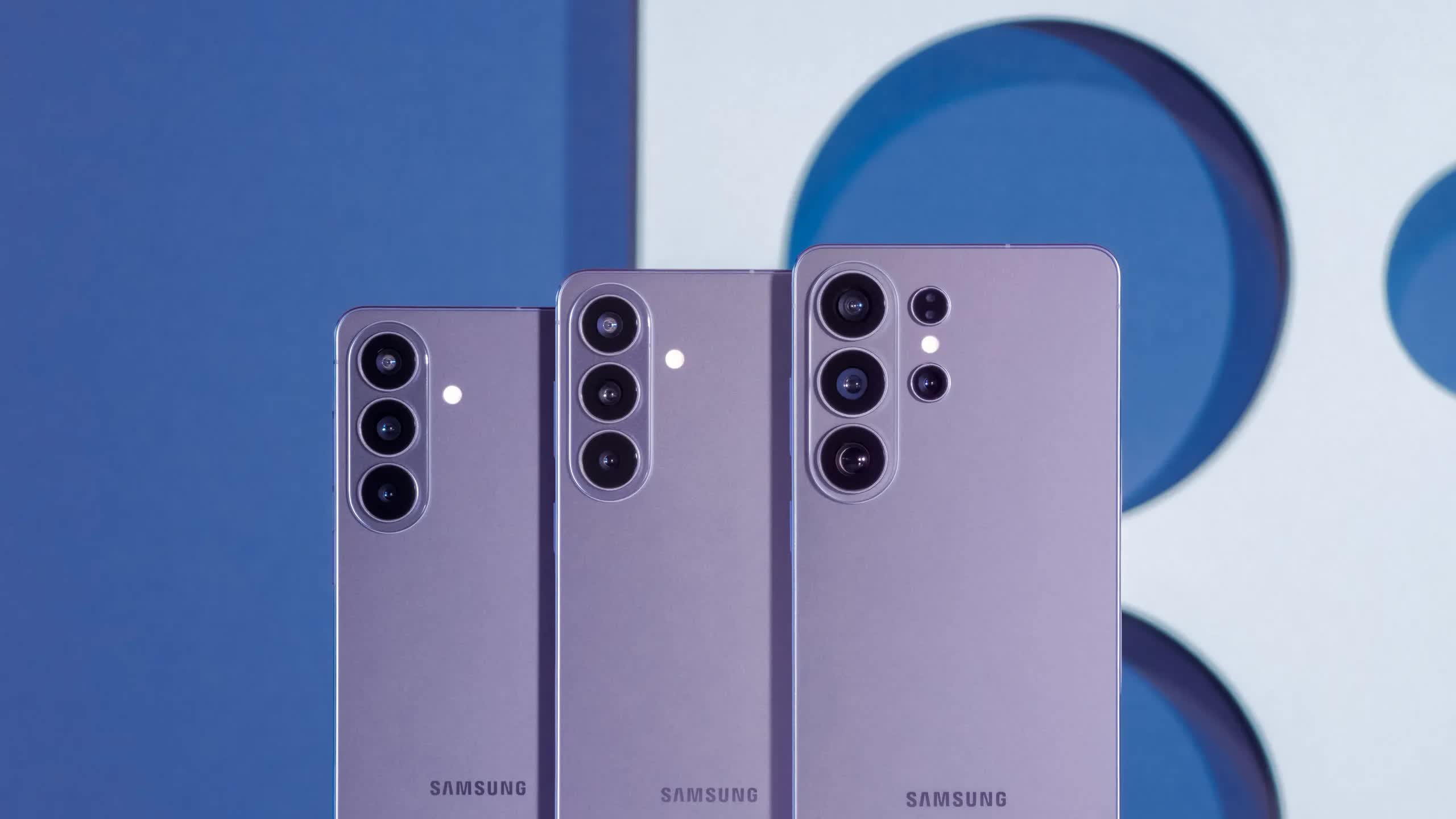
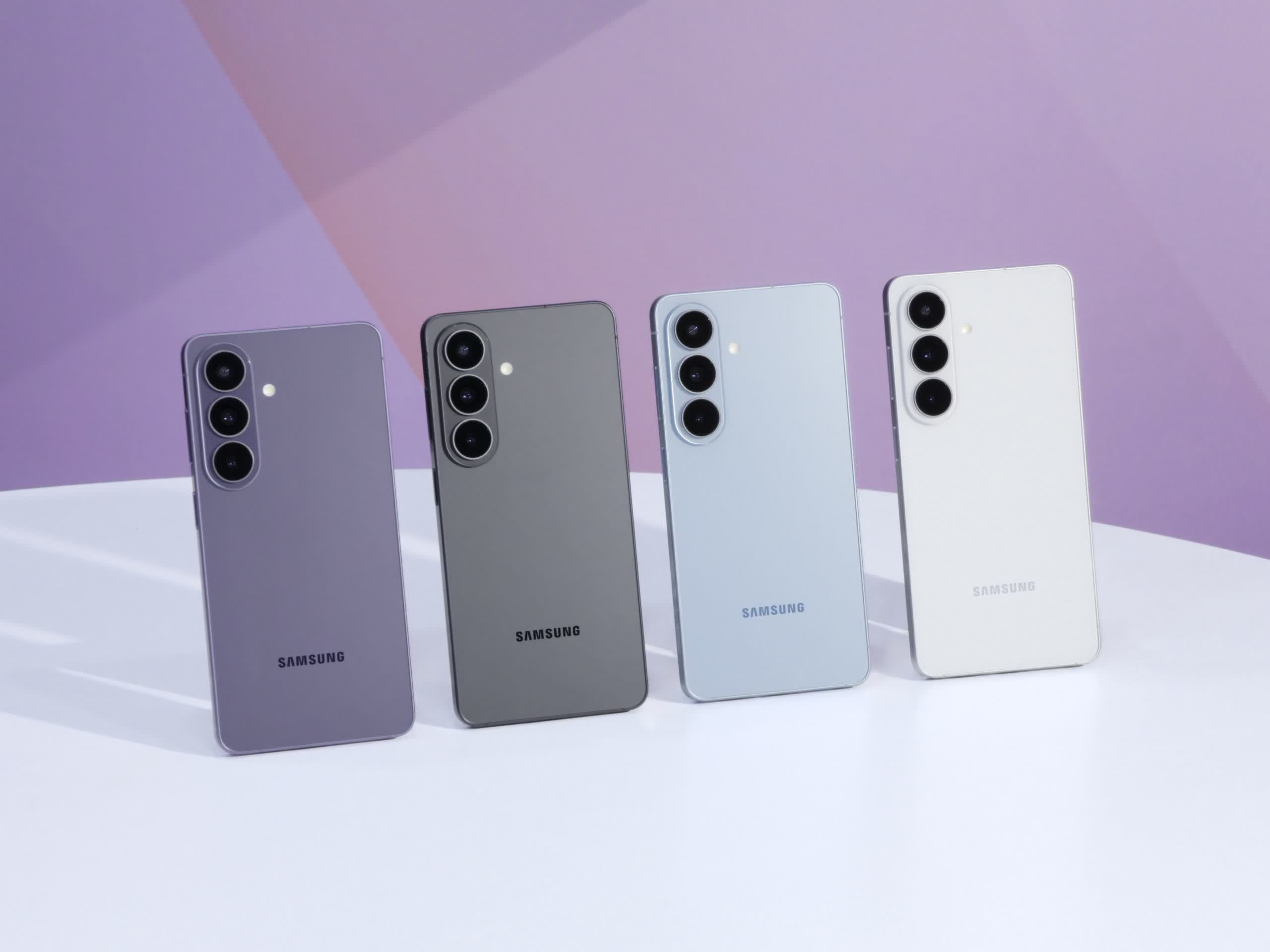
Design-wise, the S26 grows slightly to a 6.3-inch AMOLED display while remaining slim, and the S26 Plus retains its 6.7-inch panel. Both models share the same overall design language and color options as the Ultra, reinforcing a more unified look across the lineup.
Battery and charging changes are incremental. The S26's battery increases to 4,300 mAh, up from 4,000 mAh last year, while the Plus stays at 4,900 mAh. Charging speeds remain unchanged at 25W wired and 15W wireless for the S26, and 45W wired and 20W wireless for the Plus. Neither phone includes built-in accessory magnets.
Beyond hardware, Samsung is rolling out a broad set of new AI features across the S26 family. Notably, the phones integrate three different AI assistants. Gemini and Perplexity handle general-purpose queries, while Samsung's own Bixby has been repositioned as a device-centric agent focused on changing settings, surfacing features, and interacting with Samsung Smart Home devices.
AI is also embedded more deeply into core apps, and not just Samsung's own. The Camera app now includes a document scanning mode that cleans up photos of receipts and paper documents, with the option to combine multiple images into a single PDF. The Gallery app adds new creative tools, including Photo Assist for generative AI edits and Creative Studio, which can turn images into digital stickers and more.
Every Samsung S phone ever released. pic.twitter.com/GX93zcMQtO
– I Hate Apple (@iHateApplee) February 14, 2026
What strikes me about this wave of AI features is how grounded they feel. Early smartphone AI often leaned toward novelty, but Samsung's latest additions are largely practical and intuitive, offering clear real-world value rather than flashy demos.
Taken as a whole, the S26 Ultra stands clearly above the S26 and S26 Plus. It offers a larger 6.9-inch AMOLED display, faster 60W charging, S Pen support, and the new Privacy Display feature, while the standard models make do with smaller batteries, simpler triple-camera systems, and fewer headline features.
Getting people excited about annual phone updates is not an easy task and many iterations really don't feel much different. With the S26 line, however, Samsung has managed to pull together enough hardware and software enhancements that it does seem like an important step forward and, I believe, people are bound to take notice.
Samsung Galaxy S26 Ultra's privacy screen is the most interesting upgrade this year


