
A hot potato: Samsung has found itself facing complaints over the screen features of its new Galaxy S26 Ultra flagship. After it was reported that the Privacy Display causes lower brightness levels than its predecessor, Samsung now says it made a mistake when it said the phone has a 10-bit display – it's actually 8-bit.
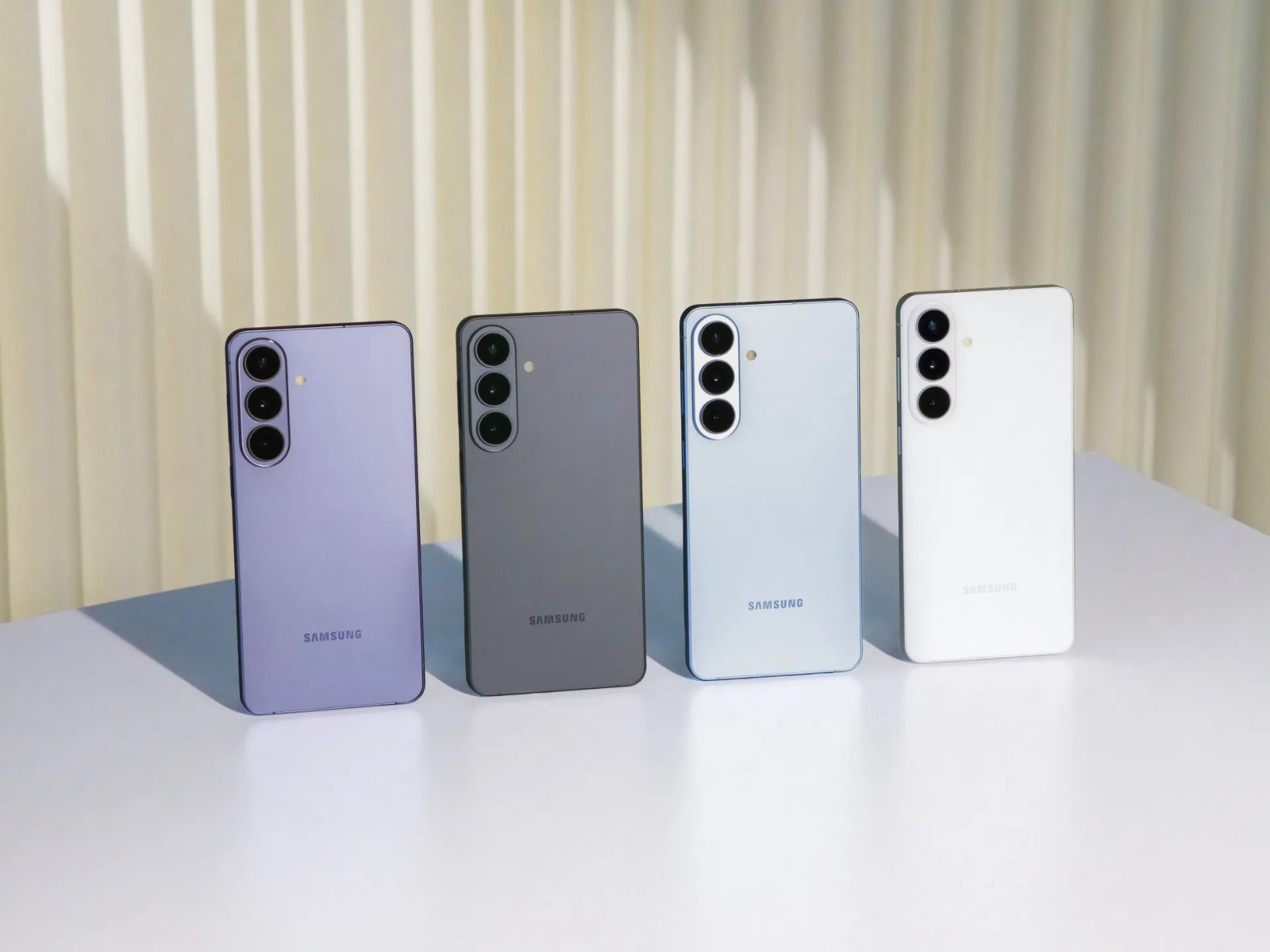
When Samsung unveiled the Galaxy S26 Ultra last week, the company said during a press briefing that one of the upgrades it had over its predecessor was a display with 10-bit color depth – as opposed to the 8-bit display used in the S25 Ultra.
But SamMobile reports that Samsung has now confirmed that the S26 Ultra does use an 8-bit panel like its predecessor.
Displays with 10-bit color depth offer 1.07 billion colors, while those with 8-bit color depth have 16.7 million colors. 10-bit displays are less likely to show banding (visible steps between shades) and tend to have better HDR rendering.
While some say the Galaxy S26 Ultra does have reduced banding compared to the S25 Ultra, it's assumed that the panel is 8-bit + FRC (frame rate control), which rapidly toggles between shades to simulate the intermediate colors. It can look close, but it's not the same as native 10-bit in difficult gradients.
Whether 8-bit, 8-bit + FRC, or native 10-bit, the vast majority of ordinary users aren't going to notice the difference, but some companies like to claim bragging rights in these cases.
Interestingly, Samsung Display makes 10-bit OLED panels for rival Apple's iPhone 17 series. Samsung likely opts to use the cheaper 8-bit versions on its flagship to keep the price lower.
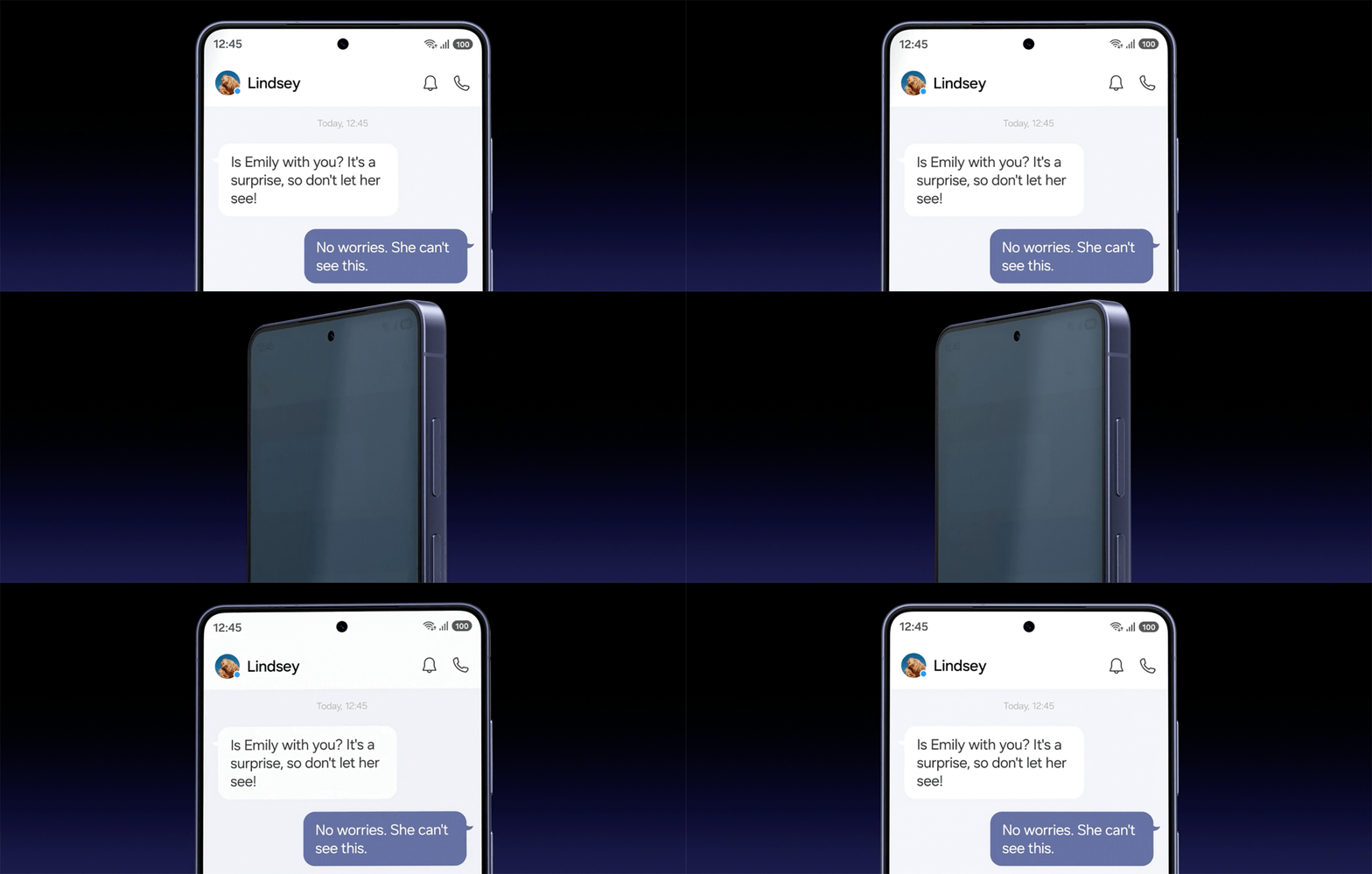
Beyond the panel, there have also been several reports about the S26 Ultra's most talked-about feature: its integrated privacy screen.
Tom's Guide carried out some tests on the S26 Ultra and the S25 Ultra. The results showed that the newer handset's screen is darker, even with Privacy Display disabled. The difference is said to be especially noticeable when the phones are viewed at wider angles.
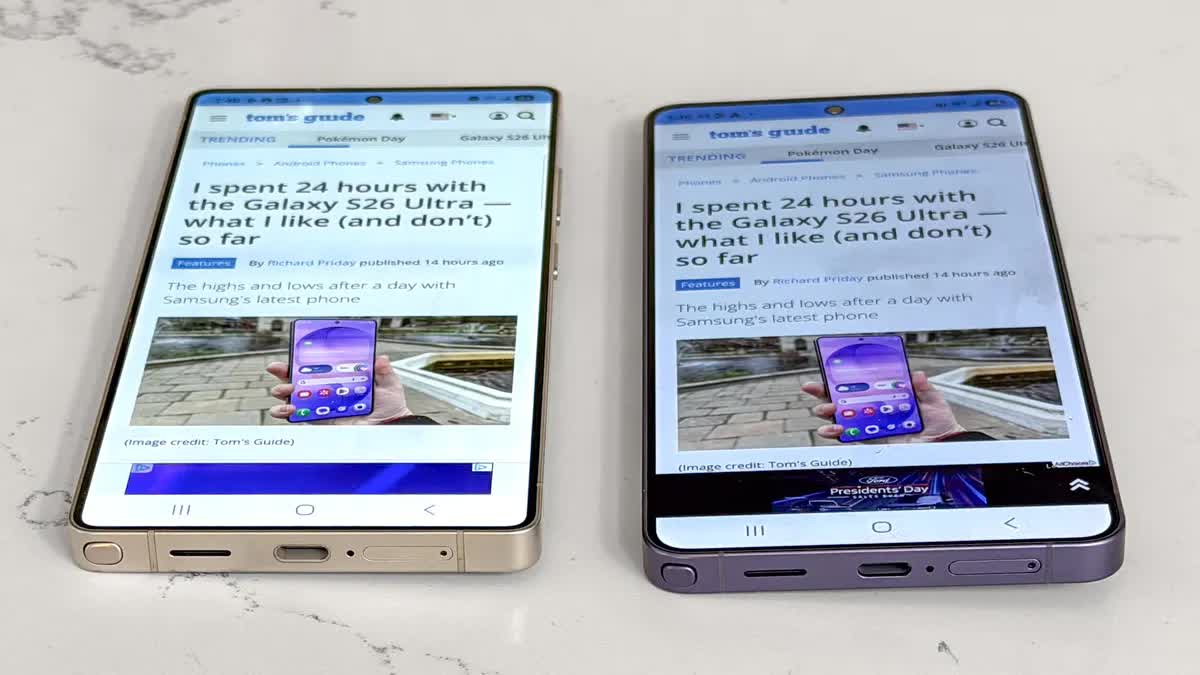
Courtesty of Tom's Guide
When enabled, the feature limits off-angle viewing, preventing people nearby from casually glancing at your screen. Previous privacy screens typically relied on filters that reduced brightness and shifted colors. Samsung says its approach – using two different types of pixels – avoids those drawbacks, though it still appears to affect the display somewhat. It's unclear how many people will even notice the change, or simply accept it as the tradeoff for a useful feature.
Samsung walks back S26 Ultra "10-bit" claim as privacy display raises brightness questions


