
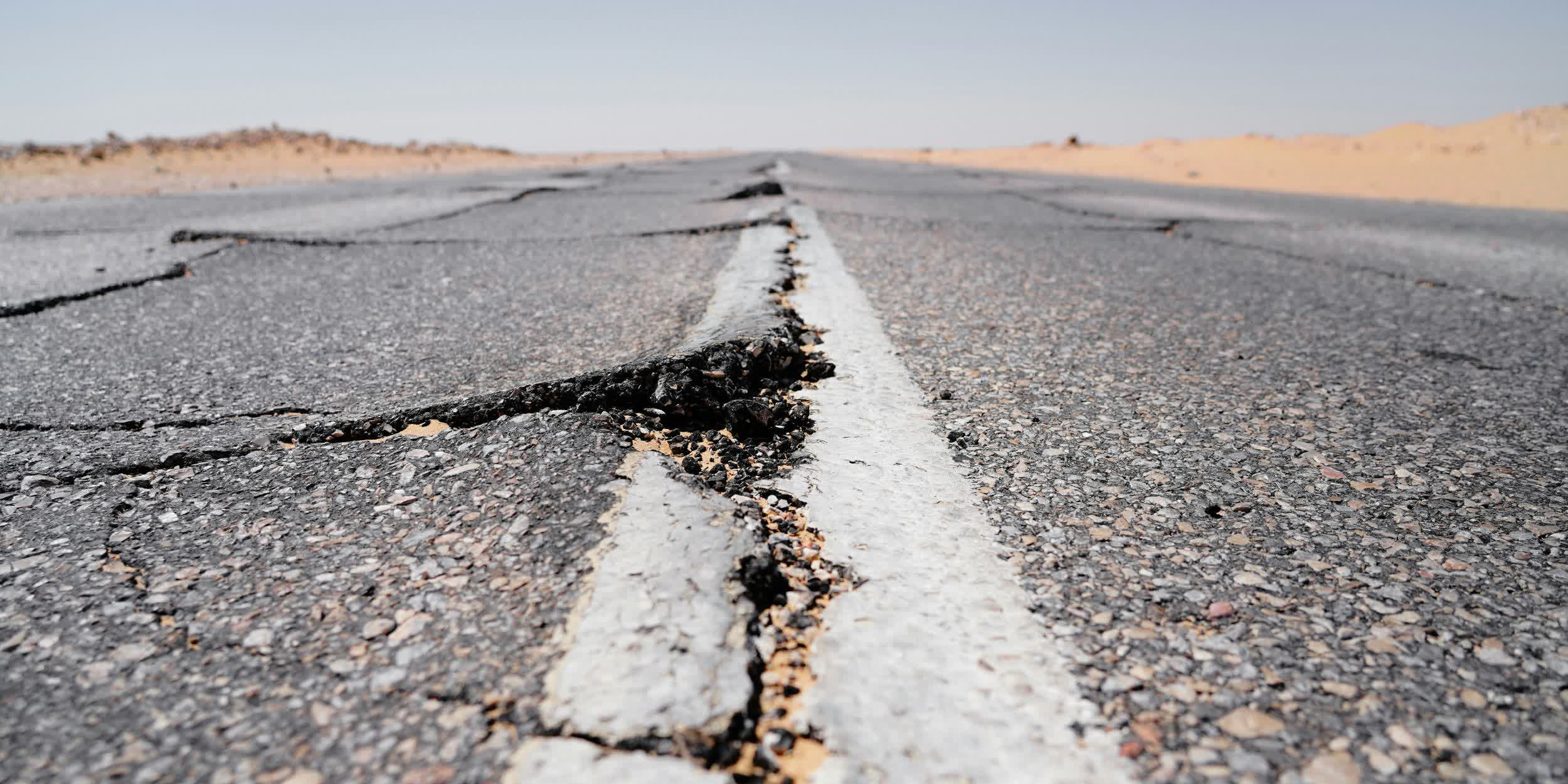
In a nutshell: In the aftermath of the devastating Turkey-Syria quake in February 2023, a researcher has uncovered some intriguing potential warning signs that showed up days or even weeks earlier. If these patterns hold up, it could mean a new era of much earlier earthquake detection and warning systems.
Dr. Mehdi Akhoondzadeh from the University of Tehran decided to dig into satellite data around the time of that 7.8-magnitude earthquake. He pored over readings from orbital missions like China's Zhangheng 1, NASA's Aqua and Aura, and the European Space Agency's trio of Swarm satellites. After cross-checking against earthquake records from the US Geological Survey (USGS), some very interesting anomalies emerged.
According to Akhoondzadeh's paper published in the Journal of Applied Geodesy, the most striking clue actually started underground around three weeks ahead of the big one. Instruments on Aqua spotted a temperature spike in the lithosphere – the outermost solid shell of our planet including the crust and part of the upper mantle – between 19 and 12 days prior.
But that was just the beginning. Within a few days, other atmospheric disturbances started showing up in the form of strange readings on water vapor, methane, ozone, carbon monoxide, and airborne particulates dubbed "aerosol optical depth." These atmospheric signs lasted about five days.
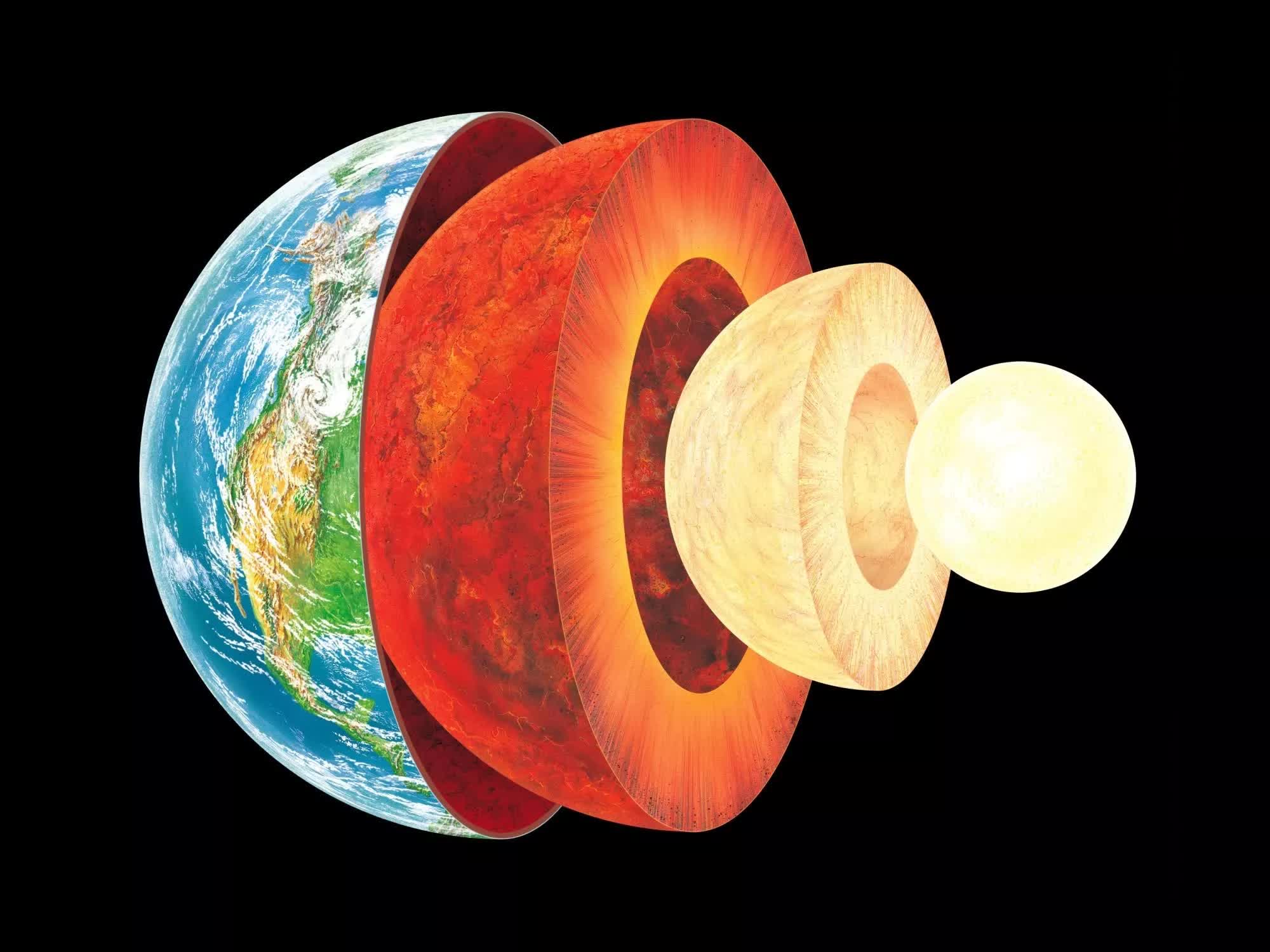
The ionosphere, that uber-zone of charged particles high above the air we breathe, took the longest to join the party. Some ionospheric irregularities popped up five days out, but the really unmistakable signatures like electron density and temperature deviations weren't noticeable until just 24 hours beforehand.
Akhoondzadeh thinks this progression from lithosphere to atmosphere to ionosphere is a major clue. It suggests these anomalies all originate from processes rumbling deep inside Earth's crust long before the final rupture. He proposes the idea of "lithosphere-atmosphere-ionosphere coupling," or LAIC, as an overarching phenomenon that could provide early seismic red flags.
"The findings of this study emphasize that prominent anomalies in the earthquake precursors in a time interval of about 15 days before the earthquake, first in the lithosphere and then in the upper layers, I.e. in the atmosphere and ionosphere, respectively are observed," the study concludes.
Of course, this is still just a hypothesis based on looking back at one quake so far. The researchers will need to analyze data from many more events across different regions to see if LAIC pans out as a reliable precursor system.
If the LAIC theory holds water, we could be looking at a whole new ballgame for earthquake early warning capabilities. For areas sitting squarely on top of active faults, that kind of extra lead time could make all the difference in saving lives.
Masthead credit: Jens Aber
Satellites can help detect early warning signs weeks before earthquakes


