Satya Nadella starts blogging about AI, wants to move the conversation beyond "slop"

Skye Jacobs

Posts: 1,907   +58
Staff
Forward-looking: Satya Nadella has a new platform for sharing his thoughts on the future of artificial intelligence, and it isn't a stage at a developer conference. The Microsoft CEO has begun publishing personal essays on a site called SN Scratchpad, where he outlined his vision for 2026 and described what he calls the next phase of AI evolution.
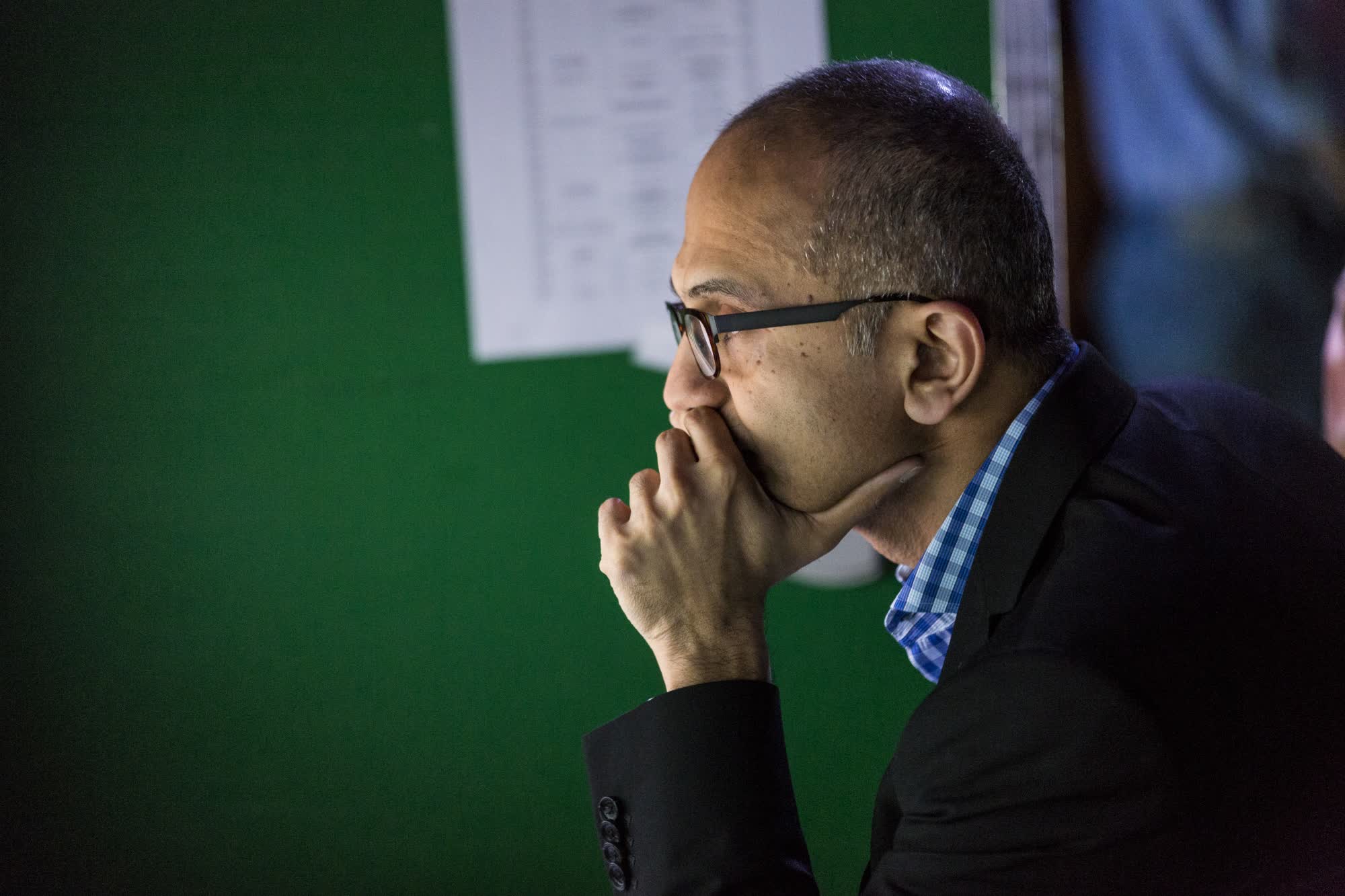
Nadella's first post is not about new software releases or quarterly performance. Instead, it addresses the cultural and technical limits of how AI is understood and applied.

He argues that the debate over "AI slop vs. sophistication" misses the larger point. "We need to get beyond the arguments of slop vs sophistication and develop a new equilibrium in terms of our 'theory of the mind' that accounts for humans being equipped with these new cognitive amplifier tools as we relate to each other," Nadella wrote.

The post comes as Microsoft continues to expand its Copilot platform across Windows and Office, betting that users will one day rely on AI agents as thoroughly as they once relied on word processors and spreadsheets.

But progress has been uneven. Features promised in Microsoft's Copilot vision, such as seamless voice assistance and multimodal integration across devices, remain largely aspirational. Many functions still fail to perform as advertised, fueling skepticism about the company's ability to align its ambitions with reality.
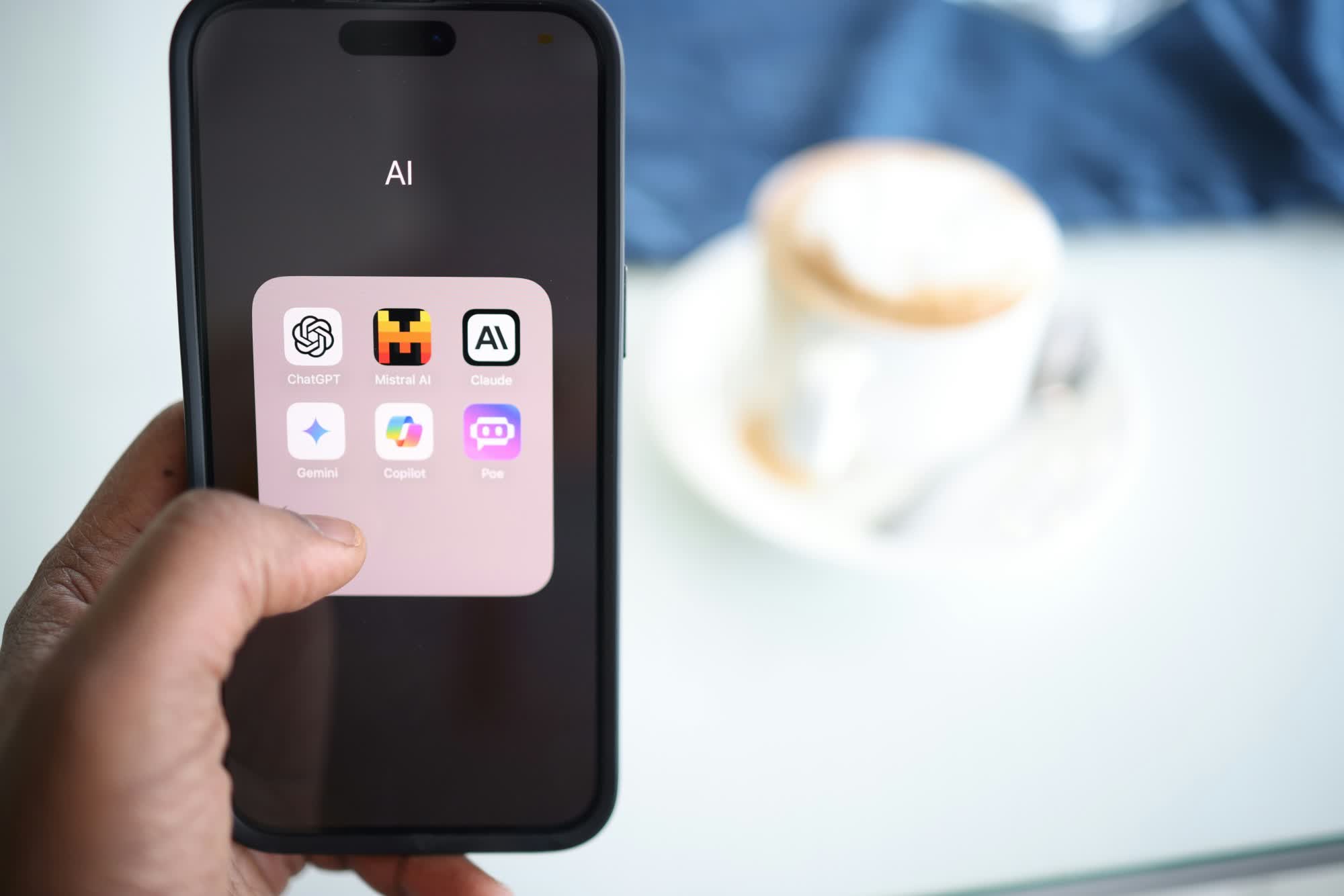
In his essay, Nadella frames 2026 as a pivotal year for AI, describing a shift from discovery to diffusion. "We are beginning to distinguish between 'spectacle' and 'substance,'" he wrote. "We now have a clearer sense of where the tech is headed, but also the harder and more important question of how to shape its impact on the world."

The statement signals that Microsoft sees the next phase of AI development not as a competition between OpenAI, Google, or Anthropic, but as a system-level challenge involving orchestration, safety, and social legitimacy.

That perspective emerges in Nadella's call for AI systems that go beyond standalone models. "We will evolve from models to systems when it comes to deploying AI for real-world impact," he wrote. He adds that future systems will "build rich scaffolds that orchestrate multiple models and agents; account for memory and entitlements; enable rich and safe 'tools use.'" For Nadella, these technical and architectural layers are where AI's true engineering sophistication will emerge.

He also invokes Steve Jobs' "bicycles for the mind" metaphor – a 90s-era concept describing computers as extensions of human cognition – as a template for the next generation of human-machine collaboration. Nadella argues that AI should function as a "cognitive amplifier" rather than a replacement for creative or analytical thought, even as he acknowledges that the current generation of tools is uneven in quality. "What matters is not the power of any given model, but how people choose to apply it to achieve their goals," he wrote.

The challenge now extends beyond technical considerations to ethical ones. Nadella cautioned that the societal impact of AI depends on how limited energy, compute, and human talent are distributed. "The choices we make about where we apply our scarce energy, compute, and talent resources will matter," he wrote. "This is the socio-technical issue we need to build consensus around."
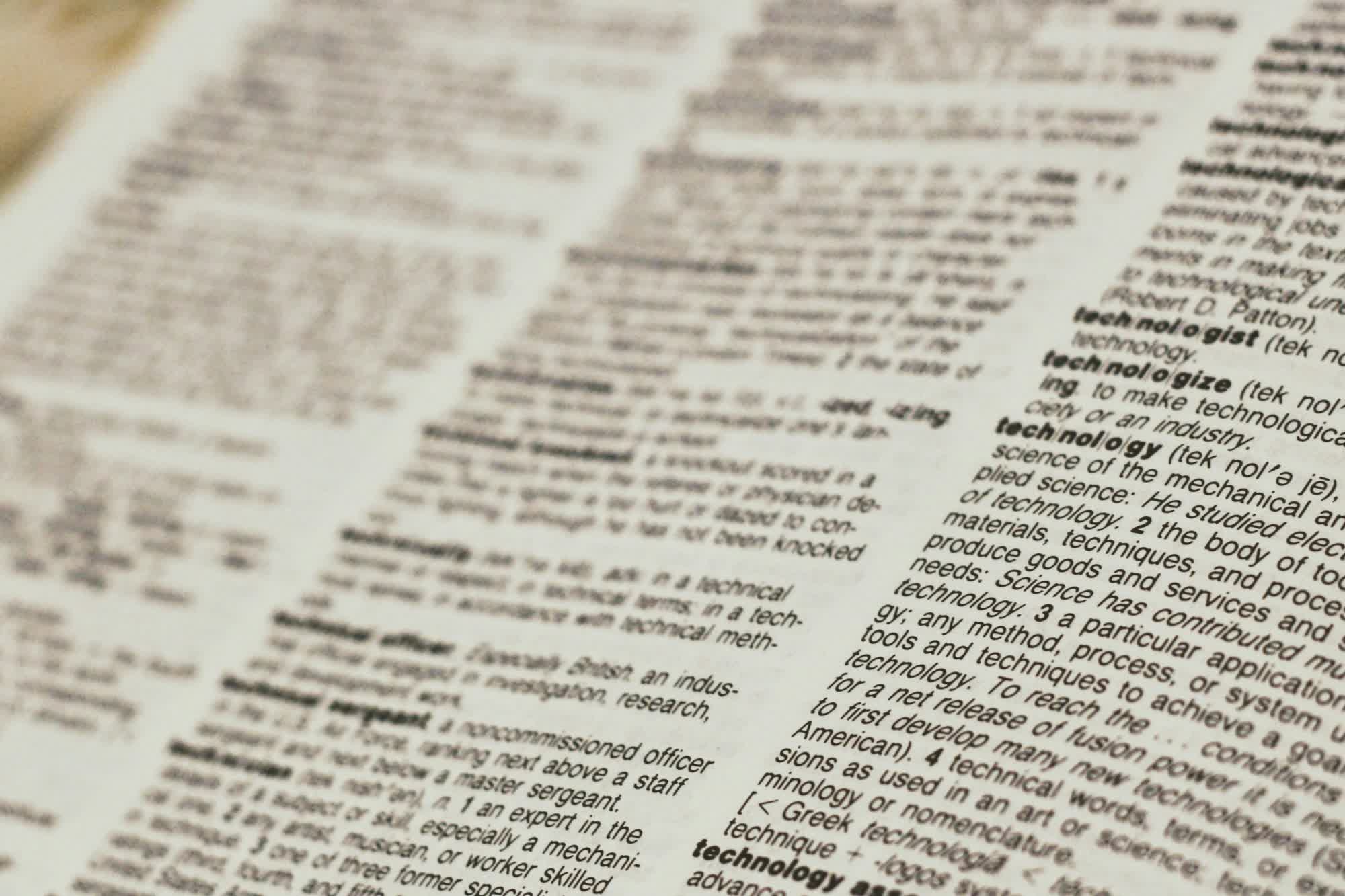
His post arrives amid growing scrutiny of AI companies over performance, environmental costs, and the flood of generative "slop" that defined 2025. Merriam-Webster even named "slop" its word of the year, defining it as "digital content of low quality that is produced usually in quantity by means of artificial intelligence."

Despite this pejorative framing, Nadella insists that the focus should shift from dismissing AI's failures to designing systems capable of making a durable societal contribution.

Microsoft has invested tens of billions of dollars in AI partnerships and infrastructure, positioning itself at the core of the industry's hardware and software stack. Yet Nadella's tone suggests an understanding that technological dominance alone is insufficient. "Computing throughout its history has been about empowering people and organizations to achieve more, and AI must follow the same path," he wrote. "If we do that, it can become one of the most profound waves of computing yet."

For now, his scratchpad remains sparse. But Nadella hints that 2026 will bring more personal updates as Microsoft and the wider industry attempt to turn sprawling AI ambitions into something more coherent – and perhaps, as he suggests, something less sloppy.

Permalink to story:

 
What is it with tone deaf CEO's? People don't like something? Let me harp on about it and plead with people to stop making fun of it.
Those in the ivory towers forget how the peasant lives.

These guys operate on a completely different plane of reality, and most of them are sociopaths at a minimum. It's common among c suites.

They all still think it's 2016 and they can openly mock their customers while taking in billions.
 
What makes Nadella’s essay miss the moment isn’t optimism about AI, it’s distance from reality. People aren’t stuck in some shallow “slop vs. sophistication” debate because they lack imagination. They’re reacting to tools that overpromise, underdeliver, and actively make everyday work noisier and harder. Telling users they just need a better “theory of the mind” sounds like a CEO talking past frustration rather than owning it.

The idea of AI as a “cognitive amplifier” also rings hollow right now. An amplifier is supposed to make you sharper, not more tired. What many people experience instead is generic output, hidden errors, and systems that replace judgment with guesswork. When Nadella says it’s all about how people choose to use these tools, it shifts responsibility away from the companies designing products that default to intrusion and automation instead of real help.

His focus on moving from models to “systems” sounds mature, but it mostly means deeper lock-in and fewer off-ramps when things go wrong. Calling that orchestration doesn’t change the fact that users lose control as these tools get baked into everything.

Even the ethical notes feel disconnected. Talking about scarce energy and compute while pushing massive, always-on AI everywhere doesn’t read as reflection—it reads as justification after the fact.
The problem isn’t that people don’t see AI’s potential. It’s that they see the gap between the promise and what they’re actually getting. Until leaders address that gap plainly, without metaphors or reframing, essays like this will feel less like vision and more like someone trying to float above a mess they helped create.

This is a perfect example of why Microsoft Windows and other products, one’s I grew up with and were, for the vast majority of my life, the go-to’s, are now persona-non-grata in my workflow. I choose other, less polished options because they create less frustration and provide better productivity. How’s that for critical thinking, Mr. CEO?
 
As if Microsoft cares about the general welfare of humanity... I too, would prefer conversations to move away from mocking my failure to subjugate Windows users into unpaid Microsoft employees, were I in his position.
 
There's actually a lot more human derived slop on the internet than there is ai slop.
 
I humbly suggest that Merriam-Webster include another new word........"Microslop" -being the company whose crappy products include such garbage as Winblows 11.
 
We are beginning to distinguish between 'spectacle' and 'substance'...We now have a clearer sense of where the tech is headed, but also the harder and more important question of how to shape its impact on the world.
I can't tell if he believes his own lies or if he's just saving face, because the value proposition of OpenAI's product portfolio is so closely tied to the valuation of Microsoft's stock price, but I don't accept his premise.

A lie does a world tour before the truth can stretch its legs―and that's [I[before[/I] anyone with a smartphone could just make sh*t up. What we've created is worse than a lie. It's an untruth. A lie has to, at the very least, be plausible. With the advent of ChatGPT and Sora, we can literally fabricate things that could never happen, out of thin air, believably, and people might very likely accept them uncritically. Why would you trust anything, in a world where deception requires no effort and incurs no penalty?

No, we haven't been able to make a distinction between an earnest mistake and malicious intent for some time, and now the con artists of the world have weapons of mass destruction. The "age of unreality" is upon us...
 
99.9% of AI usage is to produce slop that nobody wants and which ultimately will negatively impact everybody's lives. Sorry if that's an inconvenient truth for you Satya.

Hell, Googles advertising campaign for Gemini at the moment has three versions, one using AI to produce animals made from fruit one to make a talking Beaver with hair curlers in and one to show Pandas in high fashion on a catwalk. Their sales pitch itself is the absolute definition of slop.
 
AI never did that to me either.
It does, it's just that you don't realize. 60% of AI answers are wrong. Those are the current numbers. Let that sink in.

How do you know though? Do you ever check? I regularly do. And it regularly lies to me.

But they sugarcoat it like "hallucination". I mean I really don't care what label you want to put on it, the point is that the answers we're given are literally as accurate as a coin flip, or worse.
 
Back