Say goodbye to burner phones? FCC robocall plan raises privacy fears

midian182

Posts: 11,726   +177
Staff member
A hot potato: Robocalls are an enormous pain for anyone on the receiving end of one. The FCC has been trying to fight this problem for years, but it appears that a proposed solution could lead to big privacy issues and even bring an end to burner phones.
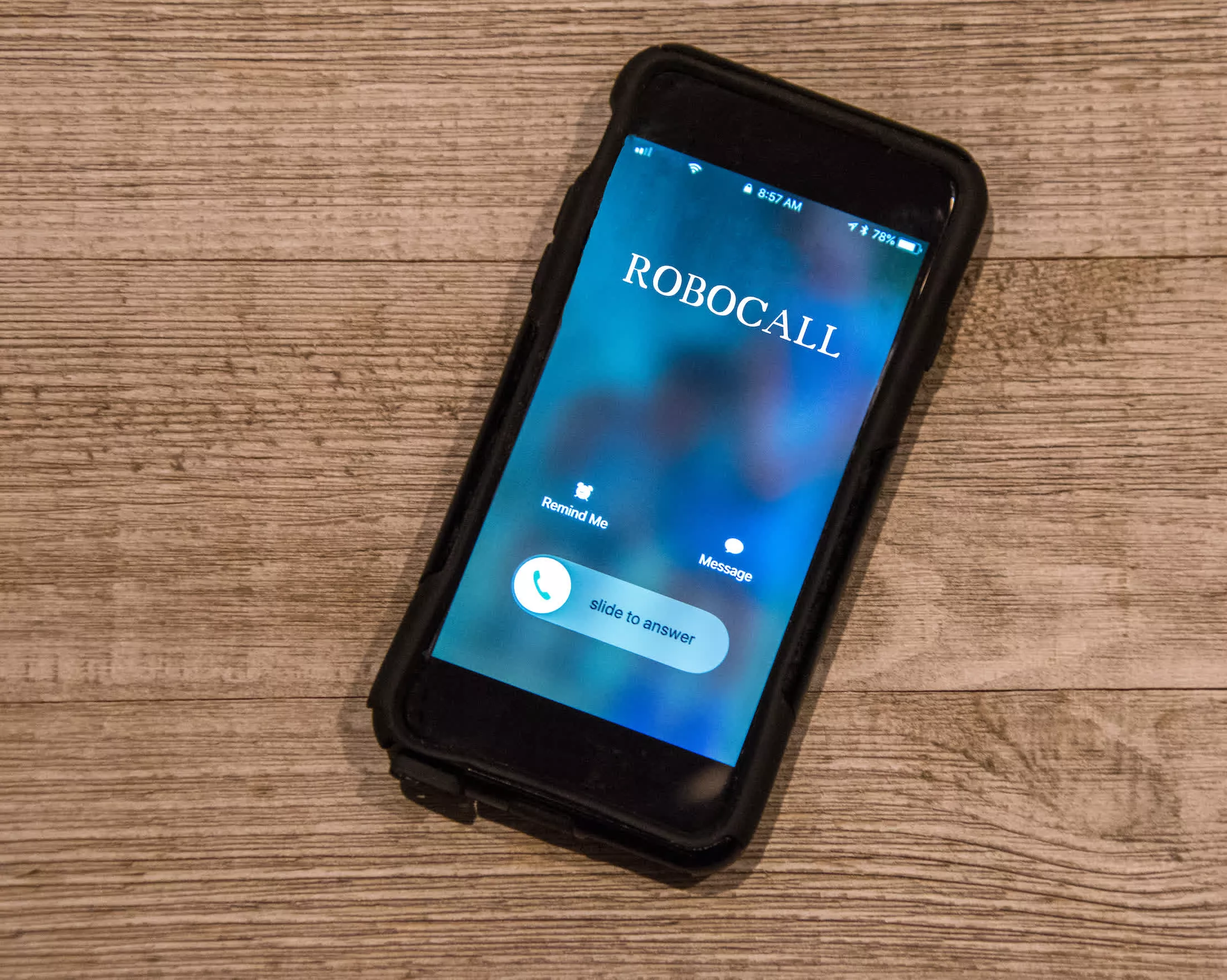
The commission adopted a Further Notice of Proposed Rulemaking on April 30 that would strengthen Know Your Customer rules for voice service providers. The FCC says the plan is designed to stop illegal calls before they reach homes and businesses by making carriers do more to screen new and renewing customers.

Under the proposal, providers could be required to collect a customer's name, physical address, government-issued ID number, and an alternative phone number before enabling service. High-volume customers might also have to provide the intended use of the service and the IP address from which each call will be made.

The agency says stopping illegal calls is its "top consumer protection priority."

As Gizmodo notes, the rules could effectively kill off burner phones if they go ahead. Prepaid handsets are not only used by criminals, despite what countless TV shows might suggest. They can also be useful for people with legitimate reasons to keep a number detached from their identity, including refugees and people fleeing abusive relationships.
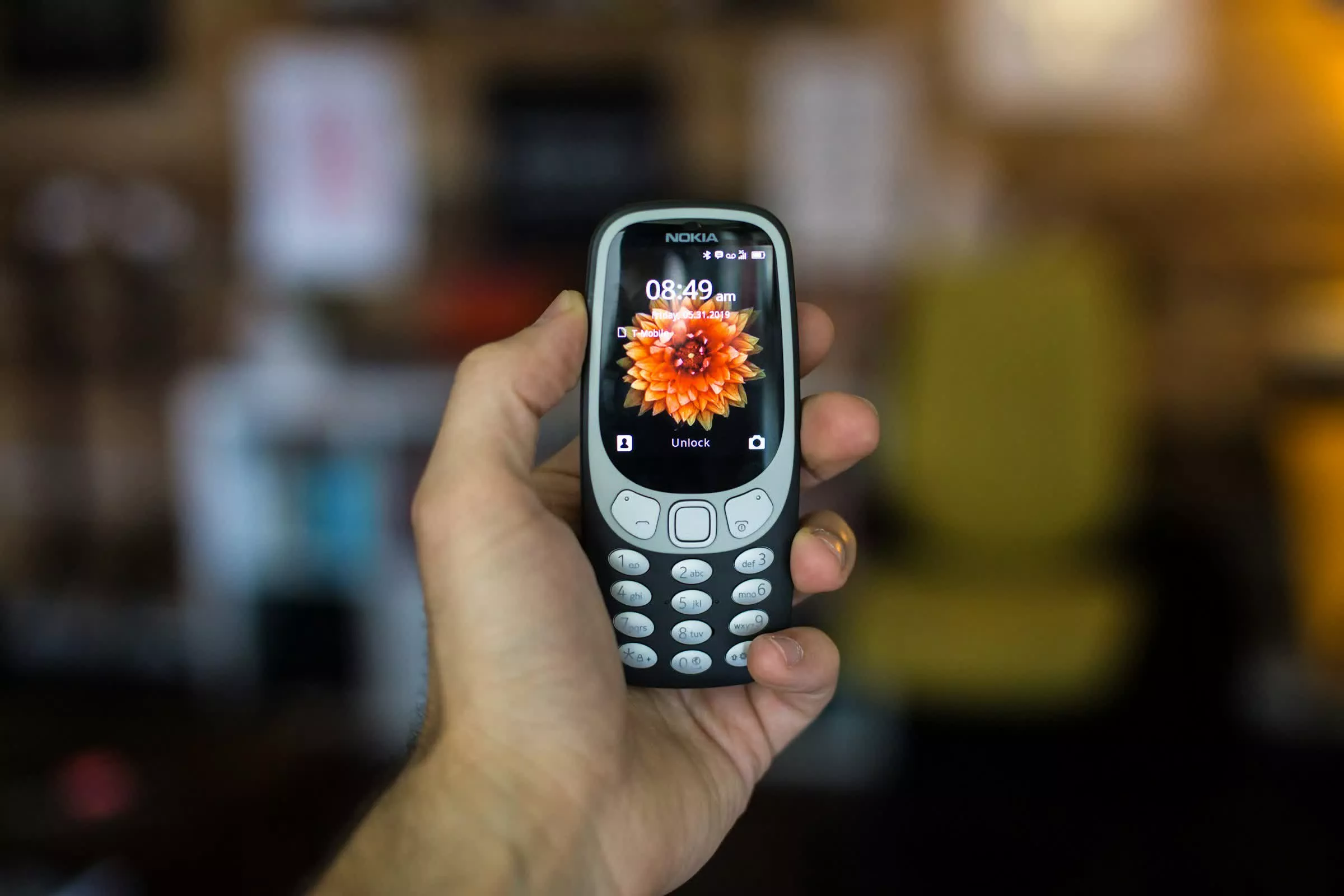
The FCC appears aware of the issue. Its filing asks what privacy concerns might arise from collecting and retaining so much personal information, whether the rules should differ for prepaid and postpaid plans, and how carriers would validate prepaid SIM cards sold through third-party retailers. It also asks whether providers should keep KYC records for four years after a customer relationship ends, creating a potentially attractive stockpile of data for hackers.

Some of the proposal's "red flags" are broad enough to catch legitimate users and businesses. They include using a virtual office, operating a newly created website, using a "suspicious" email address, or paying for service with cryptocurrency. Providers could also be asked to re-verify customers when traffic patterns change.

Carriers would have a strong incentive to treat customers with suspicion. The FCC is proposing a base forfeiture of $2,500 per illegal call for providers that fail their KYC obligations, which could become a huge sum when one bad customer is responsible for large volumes of spam traffic.

Robocalls are infuriating and scams can be costly, but forcing every phone user into an identity-verification regime looks like solving one consumer problem by creating a bigger privacy one.

Permalink to story:

 
Prepaid handsets [can] also be useful for people with legitimate reasons to keep a number detached from their identity, including refugees and people fleeing abusive relationships....
Because refugees and people fleeing abusive relationships must worry about someone hacking Verizon or AT&T to discover their new cell phone numbers, right?

According to what I've learned from Netflix thrillers, that process can be done by most anyone in just a few seconds time. Hacking into the city-wide security camera network to discover the actual person's location, however, takes a full five minutes.
 
What this is ultimately coming down to is the surveillance state.
The future is a digital, electrical network where everyone is being tracked at all times. Our purchases, our calls, our friendships, etc. If we step out of line and protest they can cut off our bank accounts or deny us the ability to charge our cars. No one is anonymous anymore. Every single device has a user ID behind it.

Even cryptocurrency is trackable since every transaction will be linked to an IMEI and then to a User ID.

George Orwell couldn't have dreamed it would get this bad.
 
Because refugees and people fleeing abusive relationships must worry about someone hacking Verizon or AT&T to discover their new cell phone numbers, right?

According to what I've learned from Netflix thrillers, that process can be done by most anyone in just a few seconds time. Hacking into the city-wide security camera network to discover the actual person's location, however, takes a full five minutes.
No, reality has shown that its far more likely that the company themselves will just leak the entire database of all of their customer's info by exposing it to wider web with zero credentials required to access it. But don't worry: the company will settle in court 10 years later, and each person will receive $1.32 in compensation after the lawyers take their cuts.
 
The end goal is the end of anonymity. Everything you say, do, buy, or search will be tied to your government ID and cataloged for future oppressive legal measures or corporate abuse.

But don't worry, voter ID is still somehow racist so we won't be madating ID for that.
What this is ultimately coming down to is the surveillance state.
The future is a digital, electrical network where everyone is being tracked at all times. Our purchases, our calls, our friendships, etc. If we step out of line and protest they can cut off our bank accounts or deny us the ability to charge our cars. No one is anonymous anymore. Every single device has a user ID behind it.

Even cryptocurrency is trackable since every transaction will be linked to an IMEI and then to a User ID.

George Orwell couldn't have dreamed it would get this bad.
Crypto has always been trackable. It's not anonymous, it's pseudo anonymous. The blockchains is public ally auditable as a feature, so all transactions are visible. If you know what someone's wallet address is, you can see every transaction they make.

And you have to tell people your address to send and receive tokens, so......
 
Well this is going to be a bummer for thriller writers...upon which the use of burner phones is practically compulsory for moving the story forward.
 
No, reality has shown that its far more likely that the company themselves will just leak the entire database of all of their customer's info ...But don't worry: the company will settle in court 10 years later, and each person will receive $1.32 in compensation after the lawyers take their cuts.
You're not forced to participate in those class-action lawsuits; you're always free to opt out and sue the company yourself. But then you'd have to walk into court and explain that you didn't even suffer $1.32 in actual damages, and thus you're entitled to even less than that.

Other countries including mine have already adopted similar ID requirements and killed burner phones for more than a decade, and this did nothing to stop robocalls or scam calls.
I've lived in a couple of those other countries, and robocalls there are nowhere near as bad as they are in the US, where I receive literally several dozen a day.
 
How does collecting individual citizens IDs stop overseas robocall companies from calling us?

Exactly.

It doesn’t.
Eh? Of the two dozen plus robocalls I get daily, 100% of them are from US numbers; 90% of the time a **local** number. People don't tend to answer overseas calls without a degree of suspicion involved, which negates the entire point of the call.

Edit: after looking into the issue further, I believe you're correct; this isn't going to accomplish anything productive.
 
Last edited:
I'd rather see them crack down on the VoIp spammer robo calls. I get about 4-5 during the week.
Usually the same area code & prefix. Onvoy LLC, MCI Metro & Brightspeed the last couple weeks.
Not that it will stop, but at least our state has a place where you can report it.
My phone block list must be a mile long! 🤣
 
Burner phones have always had this Hollywood criminal reputation, but for a lot of people they’re just a privacy tool. Journalists, activists, abuse victims, travelers, even regular people selling stuff online all have legitimate reasons to not permanently tie every number to their identity.
 
This is no more than the US government listed by name, so they can track them for what ever reason. I guess I'm going to have to go out and purchase a few more anonymous/burner sim cards before this happens.
 
This is no more than the US government listed by name, so they can track them for what ever reason. I guess I'm going to have to go out and purchase a few more anonymous/burner sim cards before this happens.
That's assuming they don't block any pre-paid with cash SIMs as a part of this.
 
Back