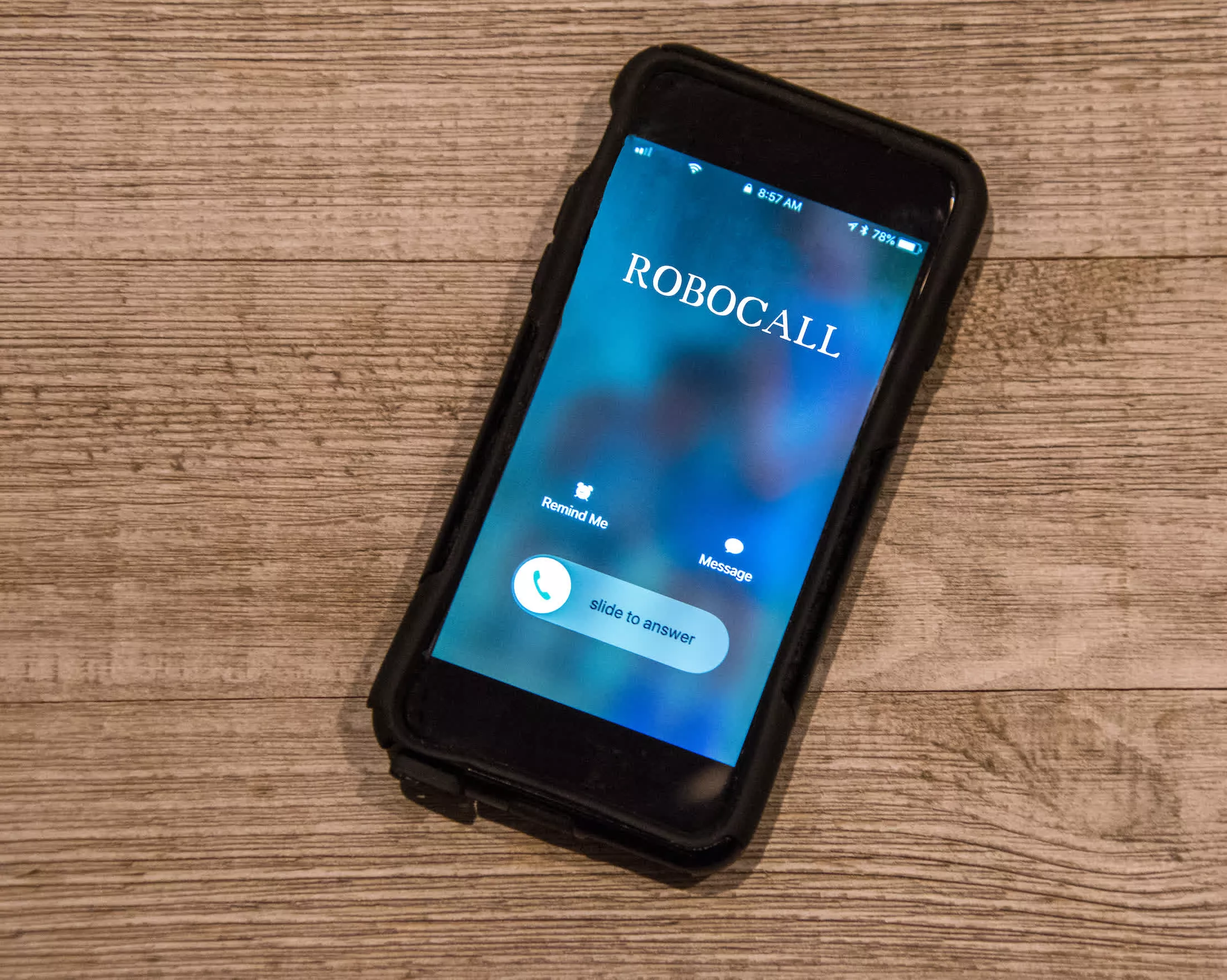
A hot potato: Robocalls are an enormous pain for anyone on the receiving end of one. The FCC has been trying to fight this problem for years, but it appears that a proposed solution could lead to big privacy issues and even bring an end to burner phones.
The commission adopted a Further Notice of Proposed Rulemaking on April 30 that would strengthen Know Your Customer rules for voice service providers. The FCC says the plan is designed to stop illegal calls before they reach homes and businesses by making carriers do more to screen new and renewing customers.
Under the proposal, providers could be required to collect a customer's name, physical address, government-issued ID number, and an alternative phone number before enabling service. High-volume customers might also have to provide the intended use of the service and the IP address from which each call will be made.
The agency says stopping illegal calls is its "top consumer protection priority."
As Gizmodo notes, the rules could effectively kill off burner phones if they go ahead. Prepaid handsets are not only used by criminals, despite what countless TV shows might suggest. They can also be useful for people with legitimate reasons to keep a number detached from their identity, including refugees and people fleeing abusive relationships.

The FCC appears aware of the issue. Its filing asks what privacy concerns might arise from collecting and retaining so much personal information, whether the rules should differ for prepaid and postpaid plans, and how carriers would validate prepaid SIM cards sold through third-party retailers. It also asks whether providers should keep KYC records for four years after a customer relationship ends, creating a potentially attractive stockpile of data for hackers.
Some of the proposal's "red flags" are broad enough to catch legitimate users and businesses. They include using a virtual office, operating a newly created website, using a "suspicious" email address, or paying for service with cryptocurrency. Providers could also be asked to re-verify customers when traffic patterns change.
Carriers would have a strong incentive to treat customers with suspicion. The FCC is proposing a base forfeiture of $2,500 per illegal call for providers that fail their KYC obligations, which could become a huge sum when one bad customer is responsible for large volumes of spam traffic.
Robocalls are infuriating and scams can be costly, but forcing every phone user into an identity-verification regime looks like solving one consumer problem by creating a bigger privacy one.