Why it matters: A controlled infection experiment aboard the International Space Station shows that in space, even microscopic life is governed by different physical rules. Understanding how microbes adapt in that environment may give scientists a new framework for engineering biotechnology.
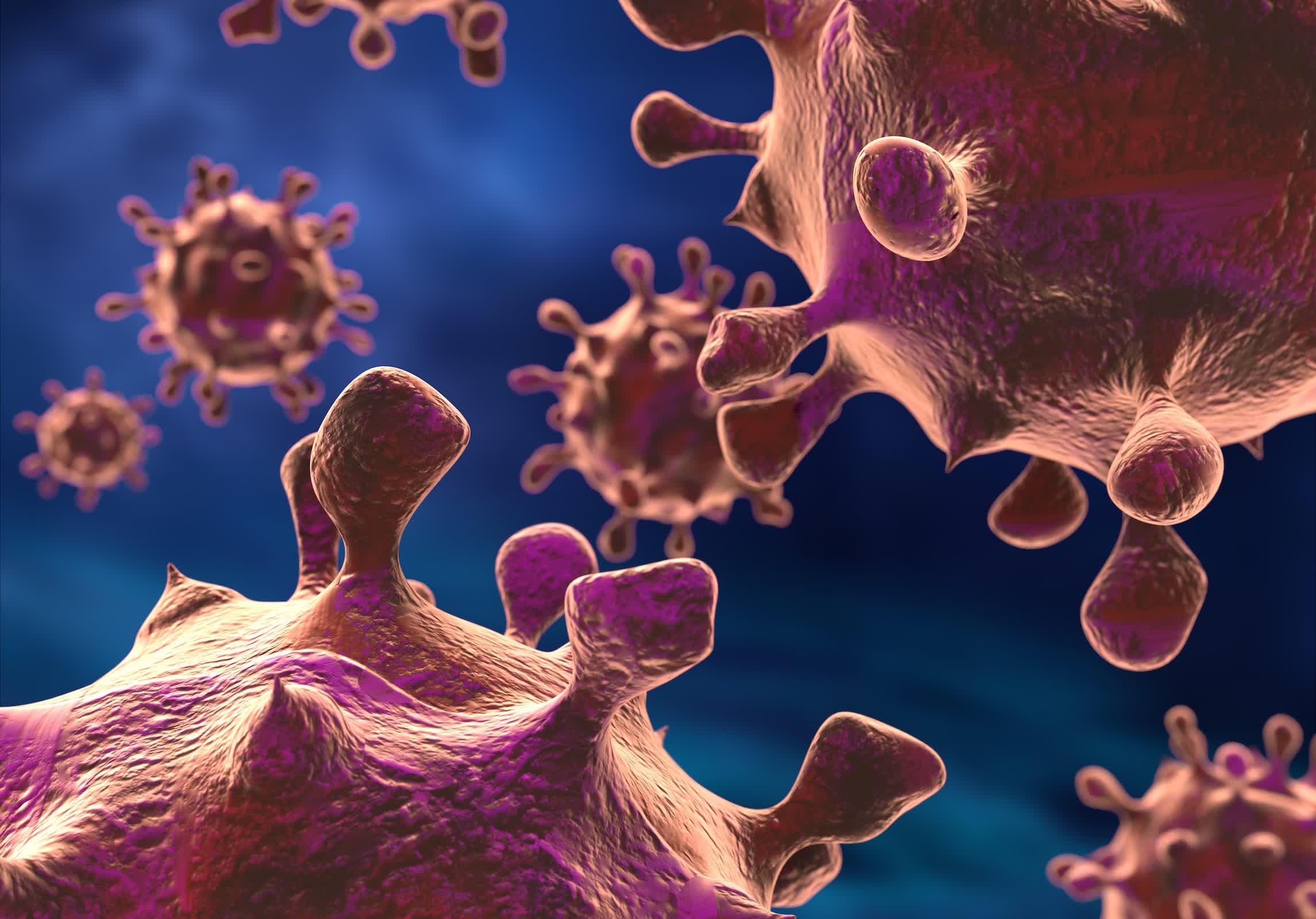
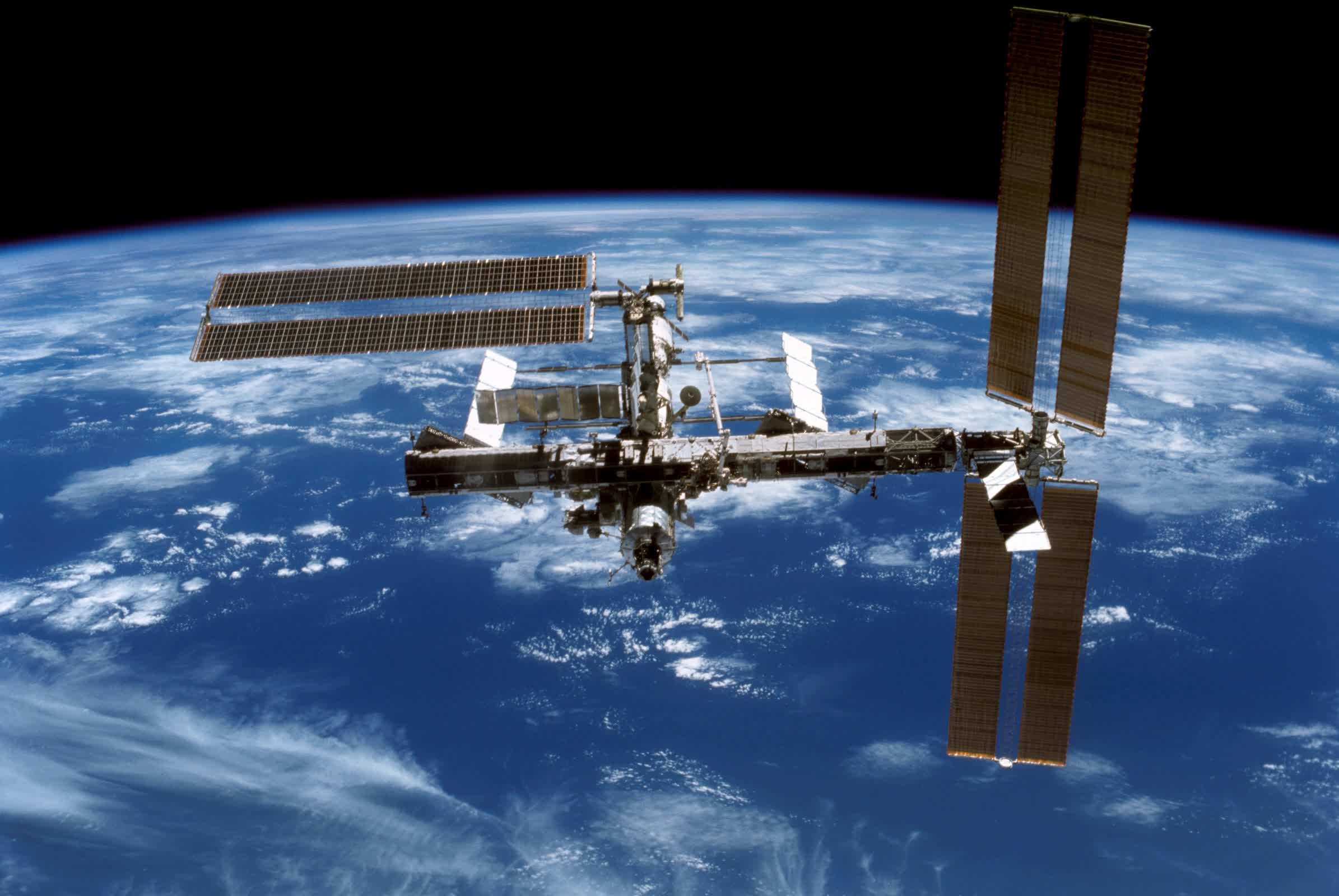
Far from Earth's gravitational pull, a simple viral infection took on a new evolutionary direction. A study conducted aboard the ISS found that when bacteria and their viral predators, known as phages, interact in microgravity, both organisms evolve in novel ways not seen on Earth.
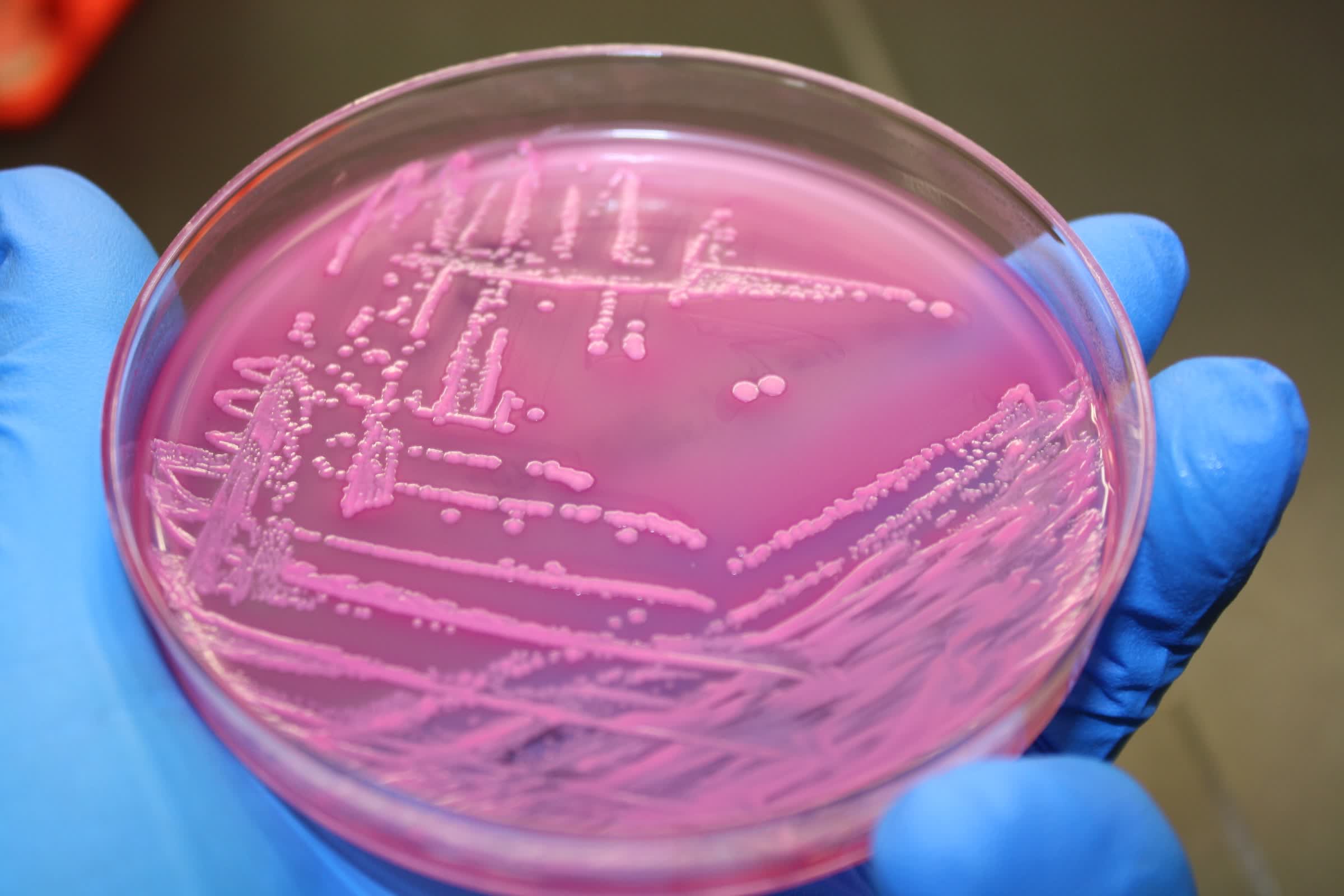
The findings, published in PLOS Biology, come from researchers at the University of Wisconsin – Madison, who examined the relationship between E. coli and its infecting phage, T7. Identical samples were cultured both on Earth and in orbit to observe how the absence of gravity influenced infection cycles, mutation rates, and survival strategies.
On Earth, fluids containing microbes are constantly stirred by convection – warm regions rise, cooler regions sink, and heavier molecules settle out. This movement helps viruses and bacteria collide frequently, accelerating infection and replication.
In microgravity, however, those familiar flows disappear. Without gravitational mixing, everything remains suspended; interactions depend on slow molecular drift instead of natural fluid motion.
The research team found that while the phages onboard the ISS could still infect E. coli, the process unfolded far more slowly. Fewer encounters forced both the bacteria and the viruses to adapt. Phages began optimizing their ability to latch onto cells they encountered, while bacteria fine-tuned surface receptors to resist those same attacks. The slowed but continuous battle reshaped the genetic landscape of both organisms.
Whole-genome sequencing revealed that the ISS samples developed unique mutations absent in the Earth-based control group. The spacefaring phages accumulated genetic changes that boosted their ability to bind bacterial receptors, whereas E. coli tweaked genes involved in those receptors to withstand viral assault.
Researchers used deep mutational scanning – a high-resolution method to map the effects of thousands of mutations – to track how these changes rewired the phages' receptor-binding proteins.
That molecular rewiring had an unexpected benefit. When the space-evolved phages were later tested back on Earth, they proved more effective against E. coli strains responsible for urinary tract infections – pathogens often resistant to standard T7 phages. "It was a serendipitous finding," study lead Srivatsan Raman, an associate professor of biochemistry at the University of Wisconsin – Madison, told Live Science.
The implications of this experiment extend well beyond the ISS. By observing evolution in a slowed-down environment, researchers can isolate how viruses manipulate their genetic code under constrained conditions. That information could underlie new strategies in developing phage-based therapeutics – custom-engineered viruses that target antibiotic-resistant bacteria.
Charlie Mo, a bacteriology researcher also at Wisconsin – Madison, noted that cost remains a practical barrier – launching biological experiments or simulating microgravity on Earth is expensive. But he emphasized that the payoff could be twofold: improved phage therapies for terrestrial infections and new medical safeguards for astronauts on extended missions to the Moon or Mars.
Scientists infected bacteria in space, and evolution took a new path


